
2009 Van Trailers For Sale
Shop 2009 van trailers for sale. Compare 53-foot dry vans, swing or roll-up doors, air ride, sliding tandems, floor condition, and specs.
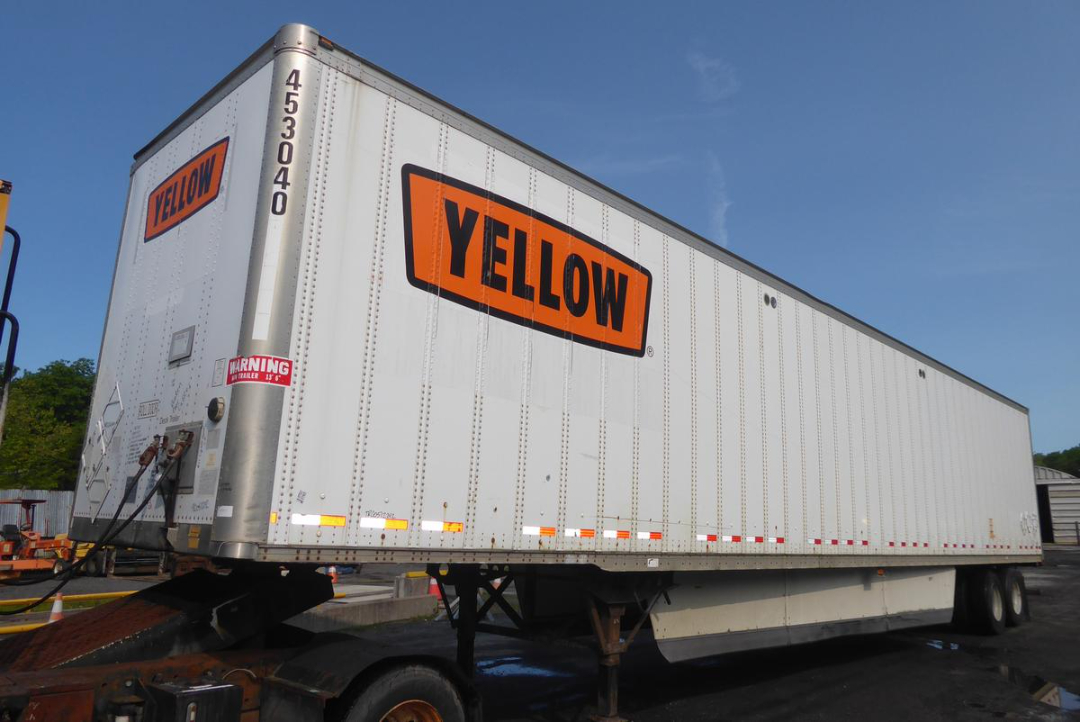
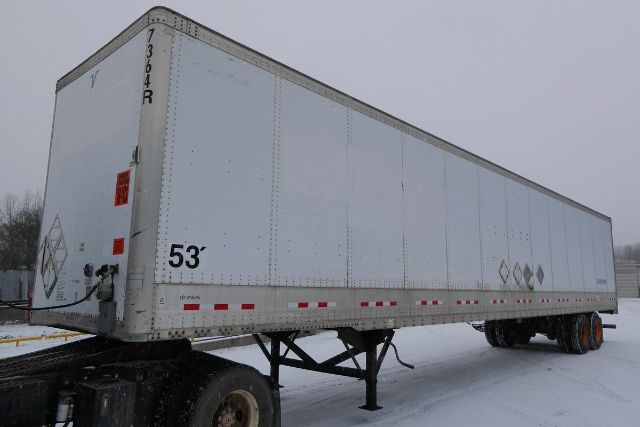
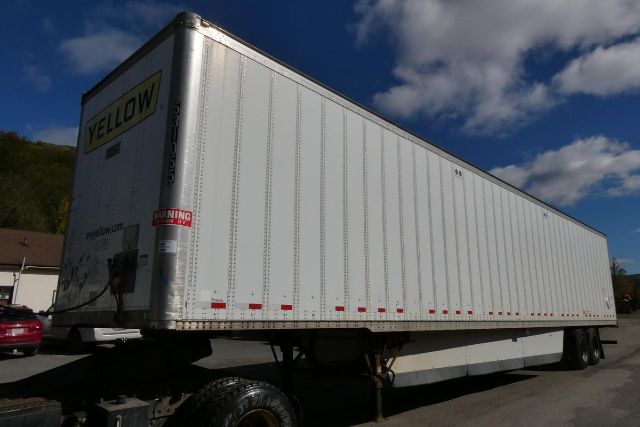
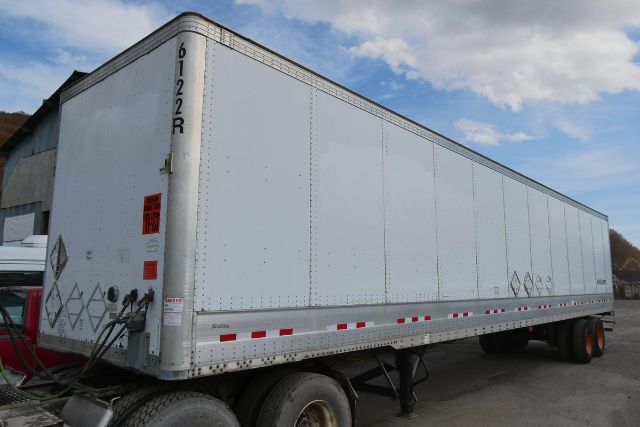
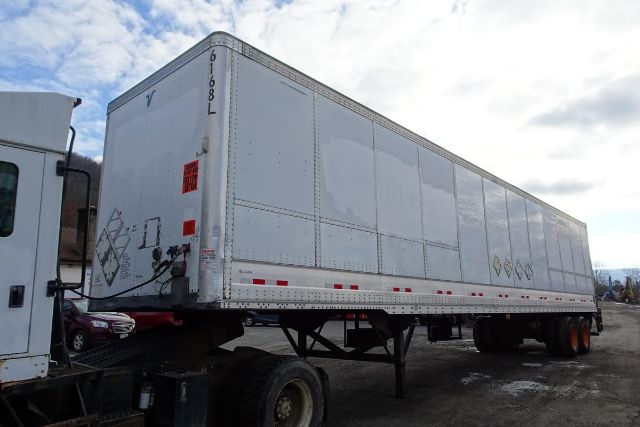
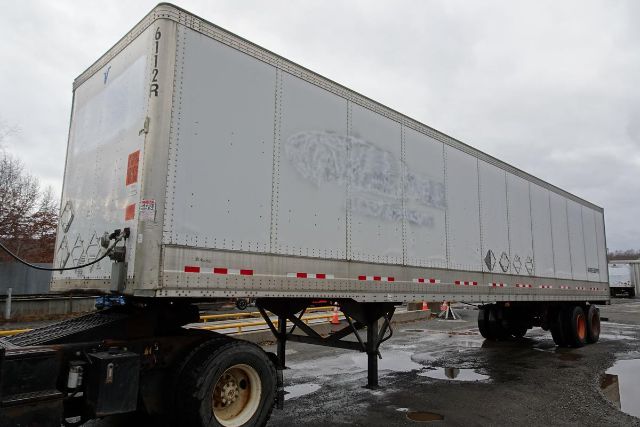
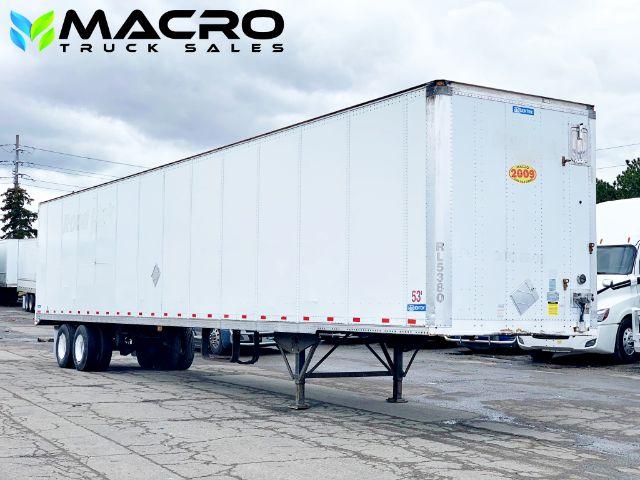

Have 2009 van trailer to sell? List it here to reach thousands of buyers.
2009 Van Trailers
Condition is where a 2009 dry van separates into a good value unit or a future repair bill. Buyers should pay close attention to roof bows, roof skin repairs, front wall integrity, side panel damage, scuff liners, and crossmember corrosion. Floor life is critical on this age trailer. A wood floor can still give solid service if rot, forklift damage, and fastener pull-through are limited, but heavy concentrated freight and repeated dock impact can shorten remaining life quickly. Suspension condition, axle alignment, brake type, ABS function, tire wear pattern, and slider operation also deserve a close look. Uneven tread, damaged slider rails, and neglected bushings can signal expensive catch-up maintenance.
Spec differences in van trailers often reflect the freight they were built to haul. Composite lining and plastic liners help protect interior walls in foodservice, retail, and packaged freight service. Aluminum scuff plates, stainless door frames, dual rub rails, and tire inflation systems are common upgrades that improve durability and reduce operating cost. Side skirts may also appear on later spec updates or fleet-maintained trailers focused on fuel efficiency. Swing doors are common on over-the-road dry vans because they maximize rear opening and tend to be simple to maintain, while roll-up doors are more common in pickup and delivery or routes with frequent stops where dock convenience matters.
For a buyer considering a 2009 model year, the real question is remaining service life relative to intended use. A well-maintained 2009 van trailer can still be a strong fit for regional freight, dedicated lanes, storage use, drop trailer operations, or lower-mileage applications where capital cost matters more than late-model spec. Verify kingpin wear, frame condition, door seal integrity, landing gear operation, and any signs of prior accident or dock damage before committing. If the trailer needs to pass fleet standards or strict shipper audits, interior condition, watertightness, and brake compliance will carry more weight than cosmetic appearance alone.
Frequently Asked Questions about 2009 Van Trailers
What should I inspect first on a 2009 van trailer?
Start with the floor, roof, rear frame, suspension, brakes, and tires. On a 2009 dry van, floor integrity is one of the biggest value drivers because forklift traffic, moisture intrusion, and concentrated freight can create hidden weakness. After that, inspect the roof skin and bows for leaks or patched damage, check the rear door frame and threshold for dock impact, and confirm the sliding tandem moves correctly. Tire wear and axle alignment can also reveal neglected maintenance.
Are 2009 van trailers still good for over-the-road freight?
They can be, if the trailer has been maintained properly and meets the freight requirements of the customer or carrier. Many 2009 van trailers are still suitable for general dry freight, palletized goods, and regional or dedicated lane work. The deciding factors are structural condition, watertightness, brake system compliance, and interior cleanliness. Some fleets and shippers may prefer newer equipment, so buyers should match the trailer's age and condition to the service level expected.
What are the most common specs on a van trailer from this era?
Common specs include a 53-foot length, 102-inch width, 13-foot 6-inch height, air ride suspension, sliding tandem axles, ABS, hardwood floor, aluminum roof, and swing doors. Some trailers from this period also have plastic or composite interior lining, aluminum scuff liners, side skirts, tire inflation systems, and low-profile 22.5 tires. Exact specs vary by make, prior fleet use, and whether the trailer was built for longhaul, regional, or pickup and delivery work.
Is a swing door or roll-up door better on a dry van trailer?
Swing doors are usually preferred for standard over-the-road van service because they offer a full rear opening and have fewer complex moving parts. They work well at loading docks and are common on 53-foot linehaul trailers. Roll-up doors can be useful for frequent-stop operations because they are fast to open and do not swing into the dock area, but they typically add weight and can reduce rear opening height. The better choice depends on freight type, route pattern, and loading environment.
How important is the interior lining on a used van trailer?
Interior lining matters more than many buyers expect, especially if the trailer will haul packaged consumer goods, food-related products, or higher-value palletized freight. Plastic or composite liners help reduce sidewall damage from shifting loads and repeated forklift contact. A trailer with damaged lining, exposed wall repairs, or heavy interior gouging may still work for basic freight or storage, but it may not present well for shipper-sensitive lanes. Interior condition also affects resale and customer acceptance.