
2009 Van Trailers For Sale in New York
Browse 2009 van trailers in New York. Compare 53-foot dry vans, axle setups, door types, floors, and specs for regional or linehaul use.
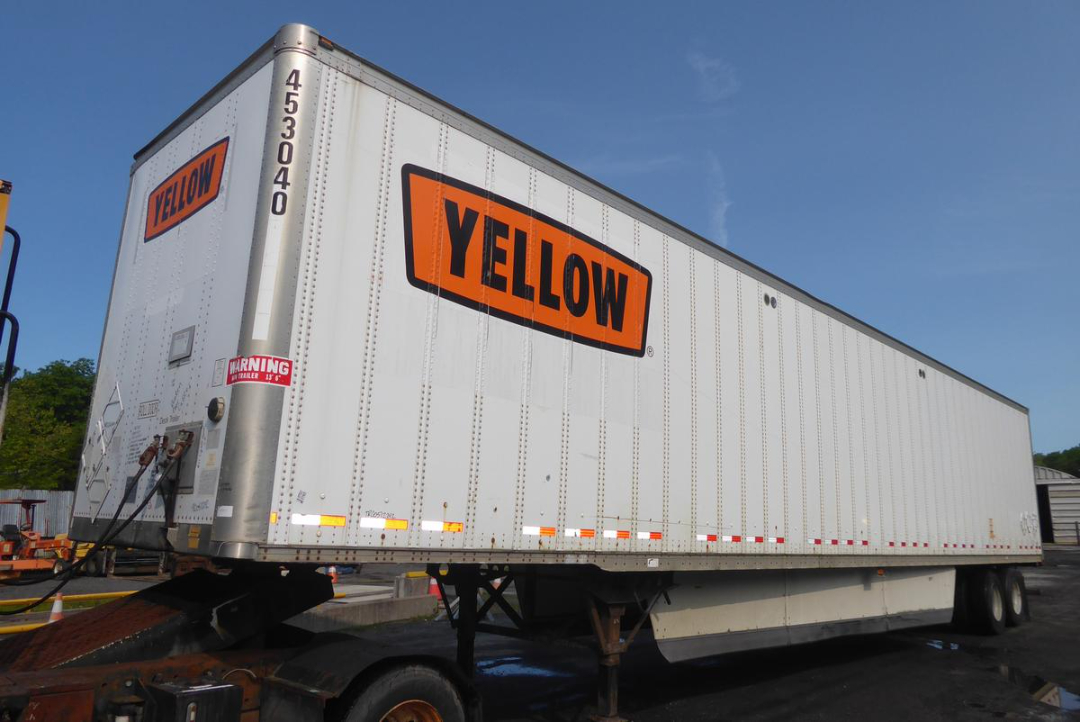
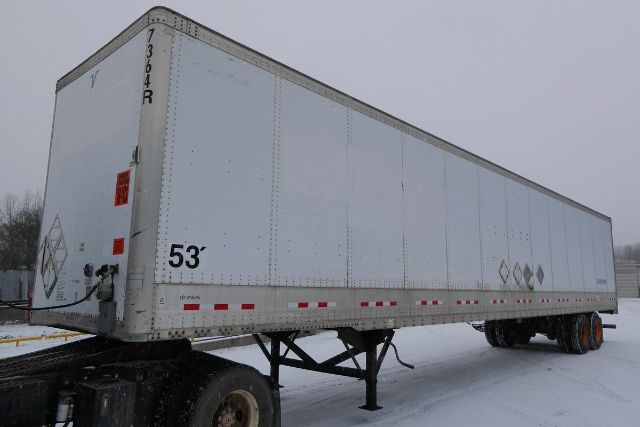
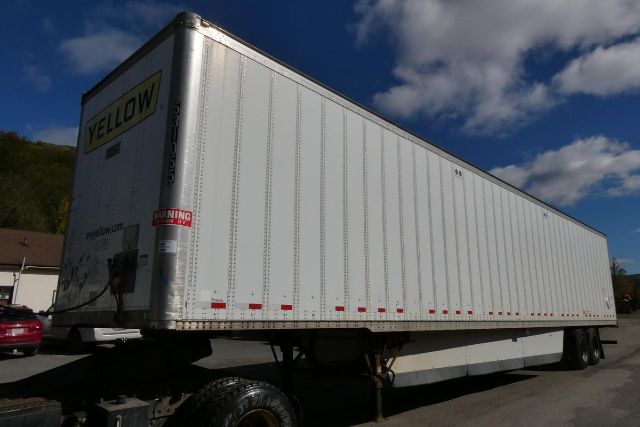
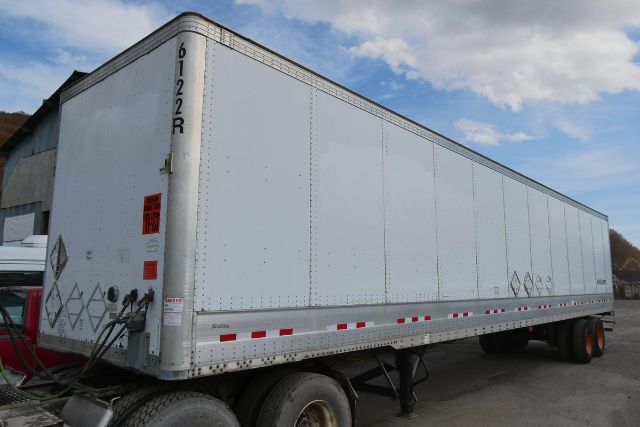
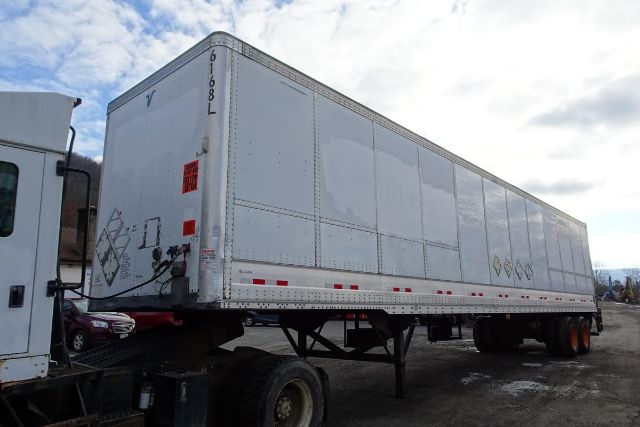
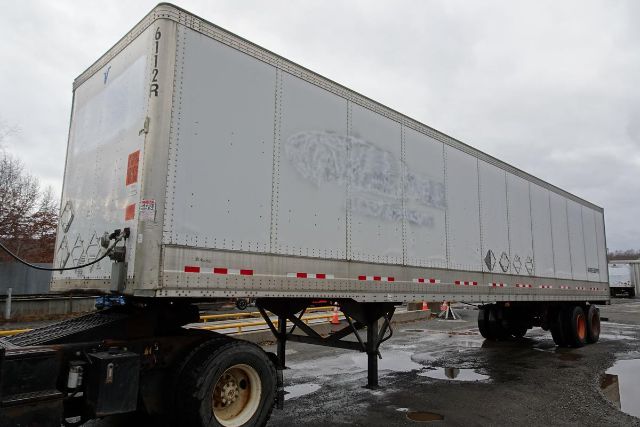

Have 2009 van trailer to sell? List it here to reach thousands of buyers.
2009 Van Trailers in New York
The most common 2009 dry van setup is a 53-foot trailer with a 13-foot-6 overall height or slightly lower, around 13-foot-4, depending on tire size and suspension. Load width is usually around 7-foot-9 to 7-foot-10, with load height often near 8-foot-8 to 8-foot-9. GVWR is commonly 68,000 pounds on tandem-axle units, while tare weight often falls in the mid-14,000 to 16,000 pound range depending on floor package, rear frame, door style, liftgate, and any added equipment. Buyers comparing listings should pay close attention to suspension type, especially spring versus air ride, because cargo sensitivity, maintenance cost, and ride quality can differ significantly.
Door configuration is another major buying point. Roll-up doors are common on fleet dry vans because they work well at docks and reduce the risk of swing-door damage in tight yards, but they do add hardware wear and can affect rear opening height. Floor condition is just as important. Many 2009 van trailers use a wood floor with steel or aluminum crossmember support, and floor repairs, patched sections, and forklift wear tell you a lot about prior service. Side skirts, tire inflation systems, logistics posts or vertical logistics track, and occasional heaters or liftgates can also change the trailer's value depending on the lane. A trailer set up for grocery, parcel, or multi-stop freight may be more specialized than a standard dock freight van.
In this age group, the right purchase usually comes down to structural condition more than brand decal. Check roof integrity, front wall repairs, crossmembers, upper coupler plate, rear frame, scuff area, and door surround before getting distracted by cosmetics. Inspect tandem rails for damage, look for uneven tire wear that may indicate alignment or suspension issues, and verify that the slider pins engage cleanly. For buyers running New York and the Northeast, it also makes sense to inspect corrosion around the rear sill, brake components, wiring, and light connections because road salt can shorten service life. A solid 2009 van trailer can still be a productive freight box if the frame, floor, running gear, and rear structure are sound.
Frequently Asked Questions about 2009 Van Trailers in New York
What is the most common size for a 2009 van trailer?
The most common size is a 53-foot dry van with a 102-inch outside width and tandem axles. Many 2009 models have overall heights around 13-foot-4 to 13-foot-6, with interior load heights often close to 8-foot-8 or 8-foot-9. Shorter 28-foot, 40-foot, or 48-foot vans also exist, but the 53-foot configuration is the standard choice for general freight and linehaul work.
What should I inspect first on a used 2009 dry van trailer?
Start with the structural items that are expensive to correct. Inspect the floor for forklift damage and soft spots, check crossmembers and the rear frame for cracks or corrosion, and look at the roof, front wall, and upper coupler area for repairs. Then inspect the sliding tandem assembly, suspension, brakes, tires, wiring, and door operation. Cosmetics matter less than frame integrity, floor condition, and roadworthy running gear.
Is a spring suspension or air ride better on a 2009 van trailer?
It depends on the freight and operating style. Spring suspension is common, durable, and often less expensive to maintain. Air ride can provide better protection for sensitive freight and a smoother ride, which may matter in LTL, retail, or higher-value cargo service. Buyers should weigh maintenance history, bushing and bag condition, and the type of freight the trailer will carry rather than assuming one setup is always better.
Why does a sliding tandem matter on a van trailer in New York?
A sliding tandem helps with bridge law compliance, axle weight distribution, and maneuverability. In New York and throughout the Northeast, operators often need flexibility to meet state axle requirements while still loading efficiently. A properly working slider can also help balance the load for docks, yards, and route restrictions. The rails, pins, and locking mechanism should be inspected closely because slider repairs can become costly if wear is advanced.
What features add value to a 2009 van trailer?
Value increases when the trailer has practical, freight-specific equipment in good working order. Side skirts can improve fuel economy in linehaul service. Tire inflation systems can reduce tire maintenance and roadside failures. Logistics posts or track help with load securement. Liftgates and heater units add value when the trailer is used for multi-stop delivery or temperature-protection applications. These features only help if they fit the intended lane and are supported by sound overall trailer condition.