
2009 Wabash Van Trailers For Sale in New York
Browse 2009 Wabash van trailers for sale in New York. Compare dry van specs, lengths, tandem setups, floor types, and door configurations.
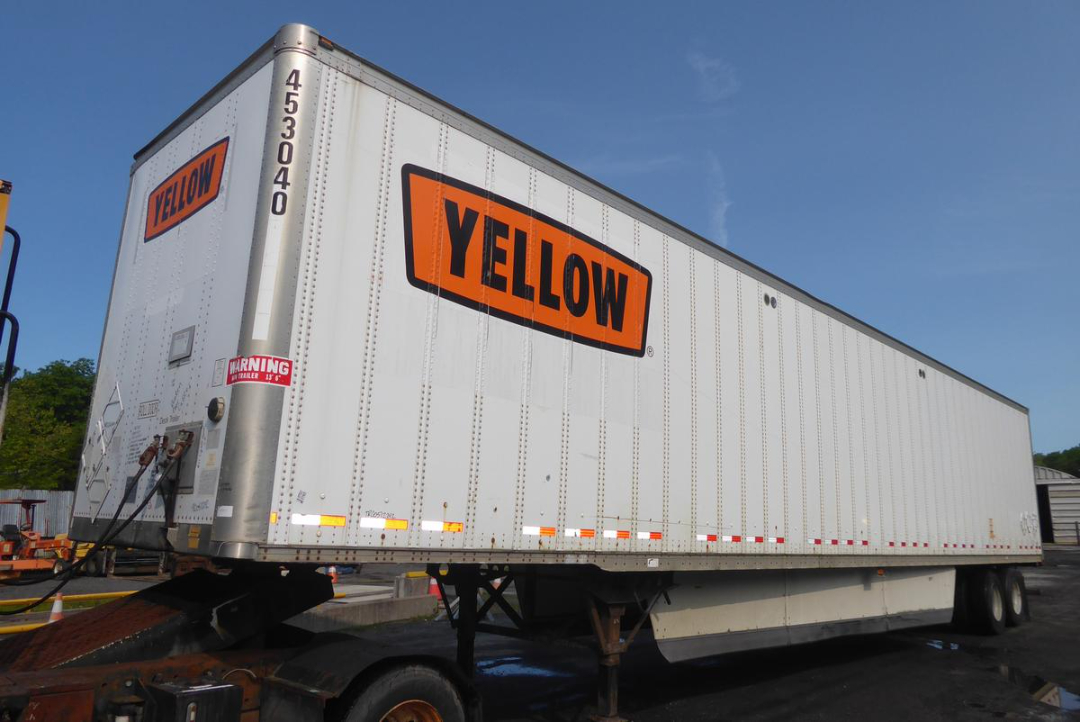
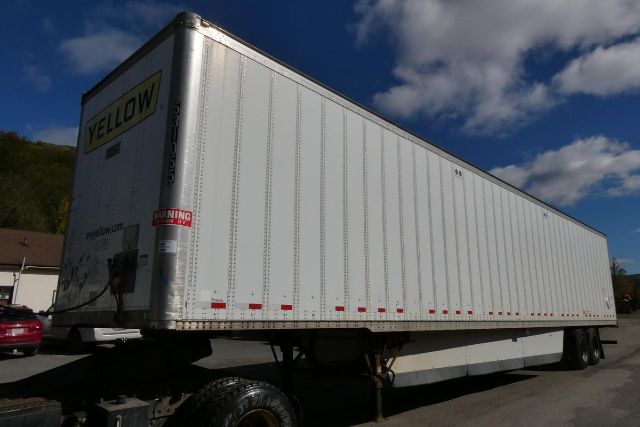

Have 2009 wabash van trailer to sell? List it here to reach thousands of buyers.
2009 Wabash Van Trailers in New York
The main buying decisions usually come down to body condition, floor life, and running gear spec. A typical Wabash van from this period may be 48 or 53 feet long, 102 inches wide, and built around a 68,000-pound GVWR. Tire sizes such as 11R22.5 or 295/75R22.5 are common, along with 10-bolt hub-piloted steel wheels. Pay close attention to roof type, rear frame condition, door opening dimensions, and signs of prior sidewall or nose repair. If the trailer will stay in dense Northeast lanes, tandem slide travel, suspension condition, and brake system health can matter as much as cosmetic appearance. In New York, buyers often value specs that work well with tight docks, mixed road surfaces, and frequent stop-and-go freight.
Wabash vans in this class may also include features that improve day-to-day utility, such as translucent roofs for better interior visibility, tire inflation systems, side skirts, liftgates, or side windows for specialized delivery work. A liftgate can add real value for route freight and locations without dock access, but it also adds weight and maintenance points. Roll-up doors are common for urban delivery and multi-stop applications, while swing doors may offer a wider clear opening on some trailer configurations. Floor composition is another key point. A wood and steel floor is standard for palletized freight, but buyers should inspect for rot, delamination, patched crossmembers, and excessive forklift wear around the rear sill and threshold.
For most buyers, the right 2009 Wabash van trailer is the one that matches freight type, dock environment, and maintenance budget. Look at inside dimensions, tare weight, suspension type, axle slider condition, and evidence of leak history before focusing on paint or decals. A clean dry van with sound rails, a solid floor, straight doors, and even tire wear will usually return more value than a cheaper trailer needing structural and brake work. This category remains a strong choice for general freight, retail loads, packaged goods, and warehouse-to-distribution lanes where enclosed cargo protection and straightforward operating costs matter most.
Frequently Asked Questions about 2009 Wabash Van Trailers in New York
What should I inspect first on a 2009 Wabash van trailer?
Start with the floor, roof, rear frame, and tandem slider assembly. These areas tell you a lot about how the trailer was used and how much repair cost may be ahead. Check for soft spots in the floor, patched or cracked crossmembers, leaks around the roof seams, rear sill damage from dock impact, and worn slider components that can make axle adjustment difficult. Brake condition, tire wear, and door alignment should be checked early as well because they directly affect roadability and near-term operating expense.
Are 2009 Wabash dry vans suitable for over-the-road freight?
Yes, many 2009 Wabash van trailers are well suited for over-the-road dry freight if the structure and running gear are in good condition. Wabash dry vans are widely used in long-haul service because they are straightforward to maintain and commonly spec'd for standard freight networks. The key is confirming the trailer still has solid floors, straight body lines, sound suspension components, and a roof and door setup that keeps freight dry. Service history and signs of previous structural repair matter more than age alone.
What axle and suspension setups are common on Wabash van trailers from this period?
Slideable closed tandems are common, often paired with either 4-spring or air ride suspension. A sliding tandem gives the operator flexibility for bridge law compliance, weight distribution, and dock positioning. Spring suspension can be simple and durable, while air ride may provide better cargo protection for sensitive freight. Buyers should inspect torque arms, bushings, air bags if equipped, slider rails, locking pins, and brake components to make sure the suspension matches the intended application.
How important is trailer weight on a 2009 Wabash van?
Trailer weight matters because it affects payload capacity and can influence route efficiency across a fleet. Many Wabash vans from this era fall in a typical dry van tare range, but added features like liftgates, side skirts, tire inflation systems, and reinforced components can increase empty weight. If the trailer will haul dense palletized freight, every pound of tare can matter. If it will run general retail or cube-out freight, body condition and cargo protection may be more important than chasing the lightest possible spec.
What features add value on a used Wabash van trailer?
Useful value-add features depend on the freight and operating pattern. A translucent roof can improve visibility inside the trailer and help speed loading. A tire inflation system can reduce irregular tire wear and roadside issues. A liftgate adds flexibility for route delivery without dock access. Side skirts may help with fuel efficiency in linehaul service. The best added features are the ones that support the trailer's actual job without creating unnecessary maintenance cost or reducing payload more than the application allows.