
2009 Vanguard Van Trailers For Sale in New York
Shop 2009 Vanguard van trailers with specs buyers compare most, including length, tandem setup, roof type, floor condition, and door style.
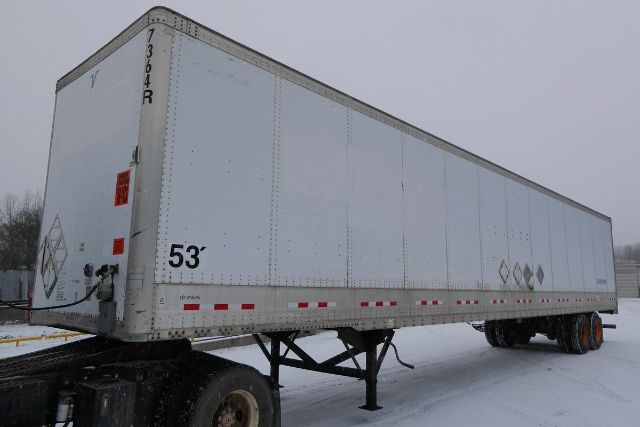
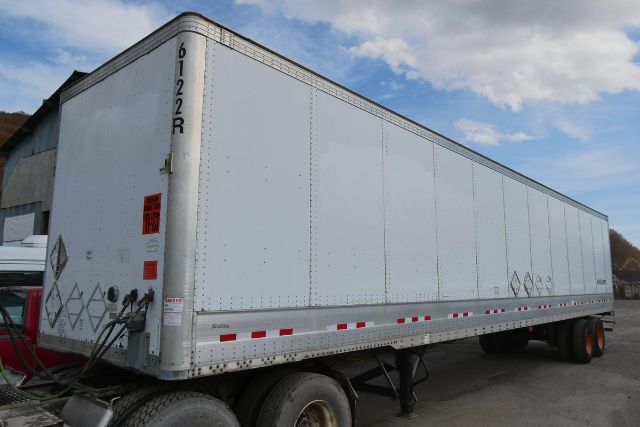
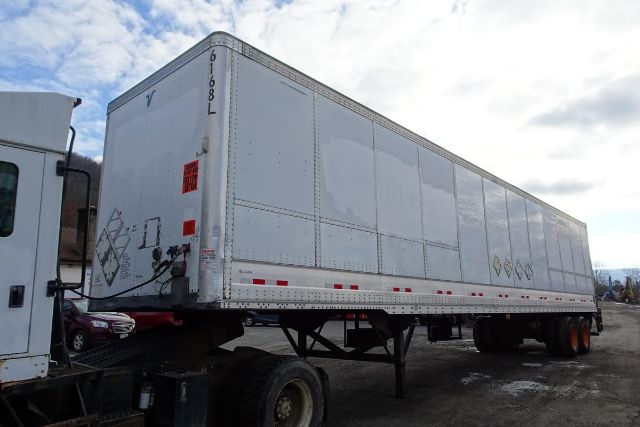
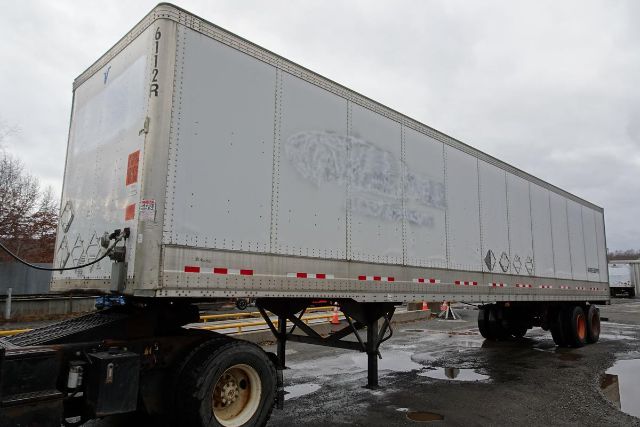
Have 2009 vanguard van trailer to sell? List it here to reach thousands of buyers.
2009 Vanguard Van Trailers in New York
The key buying decision on a used 2009 Vanguard van trailer is condition at the high-wear points. Floor life matters, especially near the nose, threshold, and forklift travel lanes. Rear frame and door surround condition also deserve close attention because repeated dock contact and city deliveries can expose prior repairs. Many buyers specifically check roof condition, sidewall scuffs, and signs of water intrusion around seams, rivet lines, and translucent roof panels if equipped. Suspension type, tandem slider operation, and overall alignment are equally important because a van trailer that tracks poorly will wear tires fast and create avoidable maintenance expense.
Spec details can change how the trailer fits your operation. A 53-foot Vanguard van gives the most cube for palletized freight, while a 48-foot trailer can make sense in regional work or in fleets matching legacy lane requirements. Common tires in this class are 11R22.5 on steel hub-pilot wheels, and many trailers in this segment carry 68,000-lb GVWR ratings. Features like tire inflation systems, load bars, translucent roofs, and hydraulic liftgates can add real value depending on the freight. Liftgate-equipped vans are useful for route delivery and freight without dock access, while a clean standard dry van is often the better fit for linehaul and high-volume warehouse freight.
For New York buyers, trailer height, bridge formulas, and axle spread usability are worth reviewing before purchase, especially if the trailer will run dense metro freight or mixed regional lanes. A 2009 model can still be a strong value if the structure is sound, the slider rails are in good shape, and the body has been maintained instead of repeatedly patched. Check kingpin area integrity, upper coupler wear, brake condition, crossmember health, and DOT-ready lighting before comparing price alone. On a dry van, usable life is determined less by the badge on the nose and more by how well the floor, doors, running gear, and trailer body have held up under freight and dock cycles.
Frequently Asked Questions about 2009 Vanguard Van Trailers in New York
What should I inspect first on a 2009 Vanguard van trailer?
Start with the floor, rear frame, roof, and running gear. On an older dry van, the floor condition tells you a lot about forklift use and overall care, especially at the nose, threshold plate, and main traffic lanes. Then inspect the rear door frame, hinges, and roll-up hardware for dock damage or rust. After that, look at slider rail condition, suspension components, brake wear, tire wear patterns, and the kingpin and upper coupler area for structural fatigue or excessive wear.
Are 2009 Vanguard dry vans good for general freight?
Yes, a 2009 Vanguard dry van can still be a solid general freight trailer if the structure and running gear are in good condition. These trailers are commonly used for palletized freight, retail loads, boxed goods, and warehouse-to-warehouse hauling. The main question is not the model year by itself, but whether the trailer has a sound floor, straight body, dry roof, functional doors, and a tandem slider that still operates correctly under normal service.
What specs matter most when comparing used Vanguard van trailers?
Length, empty weight, axle configuration, suspension, door style, and floor construction are usually the first specs to compare. Most buyers also want to confirm overall height, interior load height, GVWR, and whether the trailer has air ride, a slideable closed tandem, or add-on equipment like a tire inflation system or liftgate. For many fleets, those details directly affect dock compatibility, payload planning, lane legality, and maintenance cost.
Is a liftgate on a van trailer worth paying for?
A liftgate is worth it when the trailer will serve stores, job sites, or customers without a dock. It adds versatility for route delivery and can expand the types of freight you can handle. It also adds weight, maintenance items, and repair cost, so it is not always the best choice for linehaul dry van work where every pound of payload and every maintenance dollar matters. Buyers should verify liftgate capacity, leak condition, platform condition, and operating speed before assigning extra value to it.
How important is the tandem slider on a used van trailer?
The tandem slider is very important because it affects bridge compliance, axle loading, and how easily the trailer can be positioned for different freight and state requirements. On a used trailer, the slider should move properly, lock securely, and show no major rail damage or evidence of repeated forced movement. A trailer with a worn or damaged slider can create downtime, tire wear, and loading limitations that quickly outweigh any upfront savings.