
2009 Trailers For Sale in New York
Browse 2009 trailers for sale in New York, including dry van and specialty trailers with common specs, axle setups, dimensions, and buyer tips.
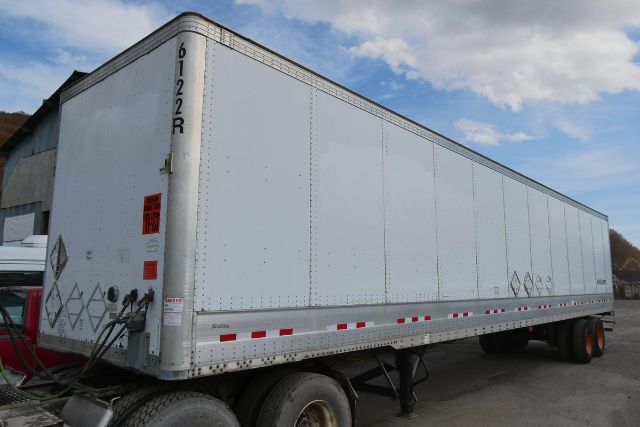
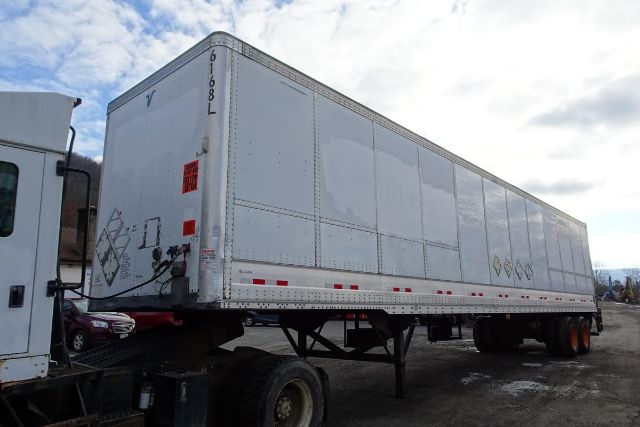
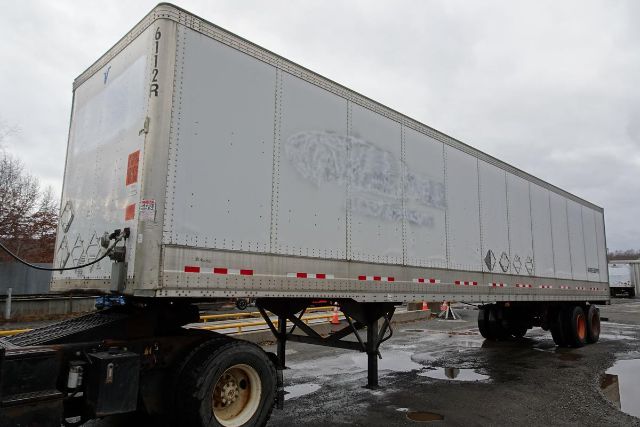

Selling a 2009 trailer? List your 2009 trailer for sale and reach thousands of commercial buyers.
2009 Trailers in New York
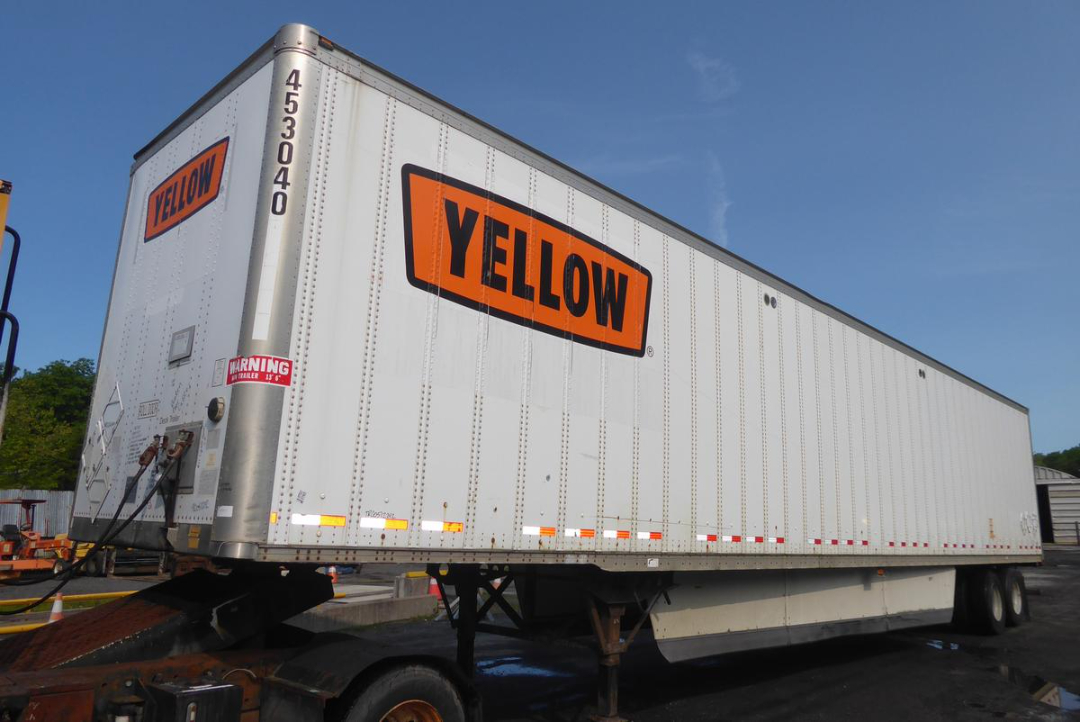
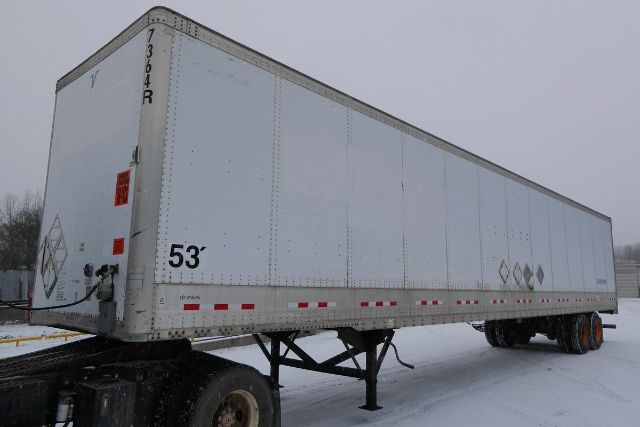
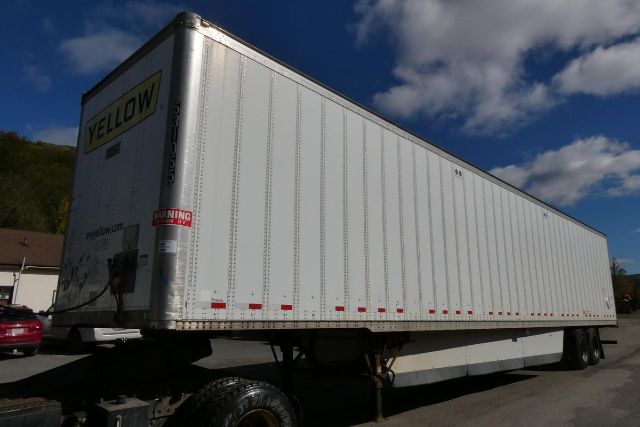
The biggest buying decision is usually application. A 53-foot dry van trailer, also known as a van trailer or dry box trailer, fits general freight, palletized goods, retail, and warehouse distribution. Buyers comparing 2009 vans should look closely at inside height, rear door style, and floor composition. Roll-up doors help at docks with tight clearance behind the trailer, while swing doors can be simpler and lighter in some specs. Wood-over-steel floors are common and serviceable, but the condition of the crossmembers, threshold, and rear frame matters more than the material list on paper. If the trailer has sliding tandems, confirm the slider rails, locking pins, and subframe are in good working order, especially for Northeast service where corrosion can seize components over time.
Suspension and wheel-end spec can change how a 2009 trailer performs on your lanes. Spring ride trailers are common and generally straightforward to maintain, while air ride can be preferable for more delicate freight and dock-friendly ride quality. Tire size on road vans in this class is commonly 295/75R22.5 or low-pro 22.5 rubber, with 10-bolt hub-pilot steel wheels still widely used. Buyers should also check for practical add-ons that improve operating cost or usability, such as trailer skirts, translucent or aluminum roof panels, scuff liners, e-track, logistic posts, and tire inflation systems. Those features can matter more than brand preference when the trailer will be put straight to work.
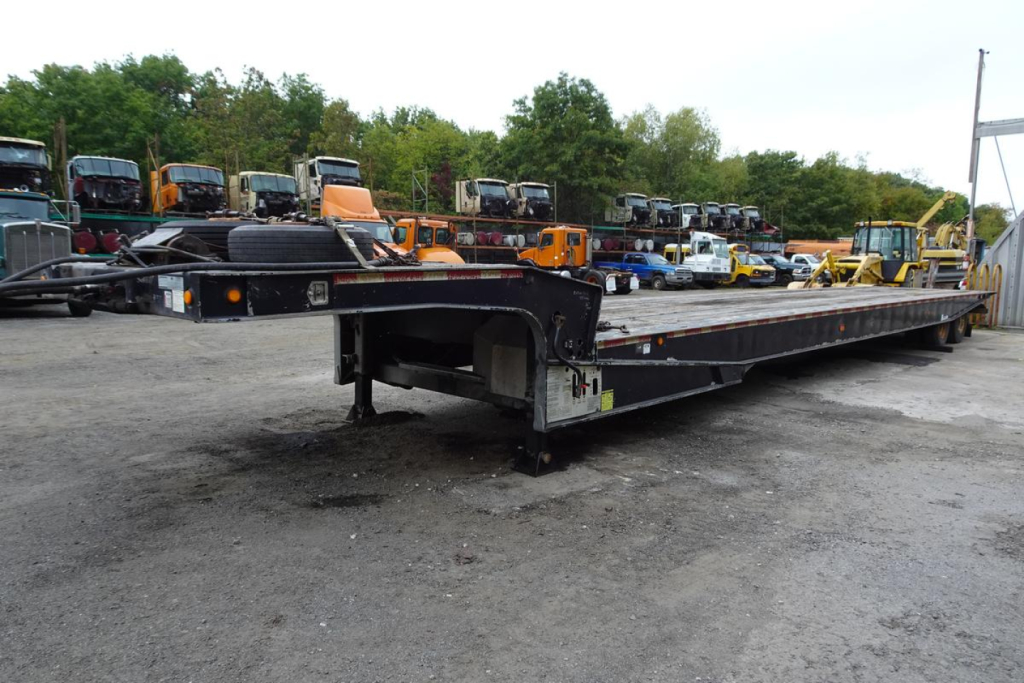
For lighter-duty applications, some 2009 trailer shoppers also consider tag trailers and utility-style equipment for local hauling, small machinery, or contractor use. In those cases, axle count, deck height, tilt function, brake type, and actual payload capacity are more important than overall trailer age alone. Across any 2009 trailer category, the best value usually comes from units with solid structural condition, legal lighting and brake systems, sound tires, and a floor and rear frame that do not need immediate repair. A careful inspection of VIN plate data, kingpin area, upper coupler, landing gear, and air system leaks will tell you more about remaining service life than paint or decals ever will.
Frequently Asked Questions about 2009 Trailers in New York
What should I inspect first on a 2009 trailer in New York?
Start with corrosion-prone structural areas. On a New York trailer, inspect the rear frame, crossmembers, slider box, suspension hangers, landing gear mounts, and kingpin plate for rust, cracks, or past repairs. Then check floor condition, brake function, tire wear, wheel seals, lights, and air leaks. Road salt and winter exposure can age a trailer faster than the model year suggests, so structural condition should come before cosmetic appearance.
Are 2009 dry van trailers still a good buy for general freight?
Yes, a 2009 dry van can still be a solid freight trailer if it has been maintained and the structure is sound. Many trailers from this period were built with aluminum or composite construction, tandem sliding axles, and standard 53-foot by 102-inch dimensions that still fit current freight needs. The key is to verify floor strength, door operation, brake condition, and slider function, since repair cost on those items can quickly change the value equation.
What are common specs on a 2009 van trailer?
A typical 2009 van trailer is often 53 feet long, 102 inches wide, tandem axle, and rated around 68,000 pounds GVWR. Common configurations include sliding tandems, spring ride or air ride suspension, wood-over-steel flooring, and either roll-up or swing rear doors. Empty weight frequently falls around 14,000 to 15,500 pounds depending on materials, roof type, door style, and added equipment such as skirts or tire inflation systems.
Is spring ride or air ride better on an older trailer?
That depends on the freight and maintenance priorities. Spring ride is simpler and often less expensive to maintain, which appeals to buyers looking for straightforward operation on general freight lanes. Air ride can offer better cargo protection and ride quality, especially for sensitive loads, but it adds components such as air bags, valves, and lines that need to be kept in good condition. On a 2009 trailer, overall condition matters more than the suspension type alone.
Does a sliding tandem matter on a 2009 trailer?
Yes, a sliding tandem is important for bridge law compliance, dock positioning, and weight distribution across different loads. On a used 2009 trailer, the slider should move freely, the pins should lock fully, and the rail structure should show no major distortion or severe rust. A damaged or frozen slider can limit how the trailer is dispatched and may require costly repair before it can be used efficiently.