
2009 Reefer Trailers For Sale
Shop 2009 reefer trailers for refrigerated freight. Compare 53-foot specs, reefer units, floors, insulation, suspension, and operating costs.
Selling a 2009 reefer trailer? List your 2009 reefer trailer for sale and reach thousands of commercial buyers.
2009 Reefer Trailers
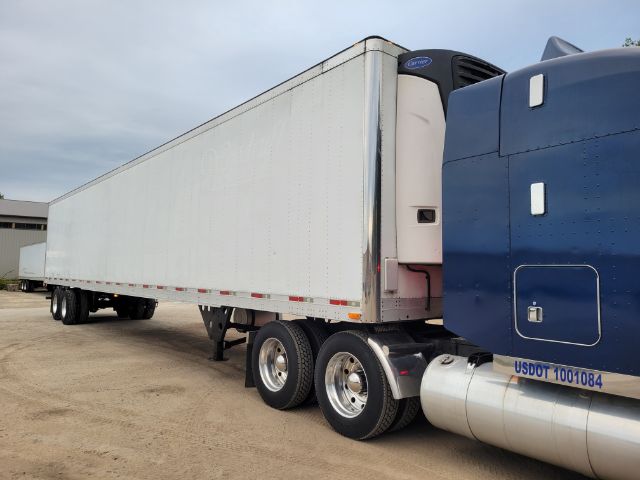
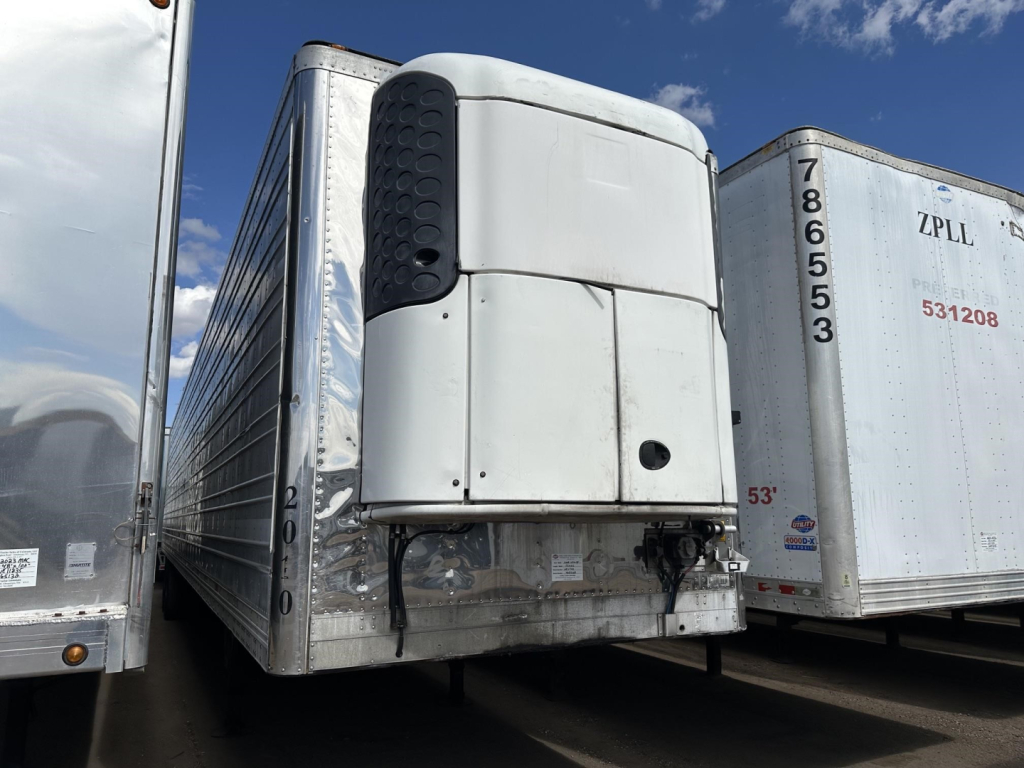
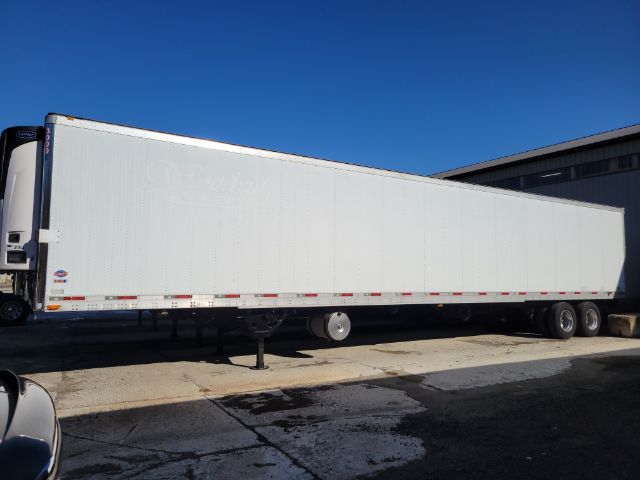
Reefer trailers, also known as refrigerated trailers, are built to move produce, frozen food, dairy, meat, pharmaceuticals, and other temperature-sensitive freight. Common unit brands include Carrier and Thermo King, and a 2009 model may have had its original unit replaced or rebuilt over time. Buyers should confirm engine hours, repair records, emissions compliance, fuel tank condition, and how well the unit pulls down and holds setpoint under load. If the trailer will handle grocery or foodservice work, pay attention to air chutes, return air bulkheads, scuff liners, E-track, and duct flooring. Multi-temp setups, liftgates, and side doors can also matter depending on route structure and delivery style.
Construction matters on a 2009 reefer because age shows up in the body before it shows up on a spec sheet. Check the roof, front corners, and crossmember areas for signs of water intrusion, corrosion, patches, or stress cracking. Inspect the floor closely for soft spots, excessive wear at forklift traffic points, and damage around the threshold. Rear swing doors should close square with tight seals, and the stainless or galvanized rear frame should be checked for dock impact. Suspension type affects ride quality and maintenance cost, while kingpin setting and tandem spread affect bridge compliance, weight distribution, and loading flexibility.
Operating cost is another key decision point. An older reefer trailer may be attractive on purchase price but can become expensive if the unit is high-hour, hard-starting, or nearing major component work. Fuel consumption, unit parts availability, tire condition, brake wear, and the condition of the air system all deserve attention. For regional food distribution, a well-kept 2009 reefer can still perform reliably. For long-haul, high-compliance, or premium shipper freight, buyers usually need cleaner maintenance records, stronger insulation performance, and a reefer unit that meets lane and customer requirements.
Frequently Asked Questions about 2009 Reefer Trailers
What should I inspect first on a 2009 reefer trailer?
Start with the reefer unit, floor, and body integrity. Confirm the refrigeration unit starts cleanly, reaches set temperature, and has documented service records and engine hours. Then inspect the aluminum floor or duct floor for wear, soft spots, and forklift damage. Finish with the trailer structure by checking door seals, rear frame condition, roof, front corners, crossmembers, suspension, and signs of water intrusion or corrosion.
Are 2009 reefer trailers still good for food-grade freight?
They can be, but condition matters more than model year. A 2009 reefer trailer used in food-grade service needs a clean interior, solid insulation, tight door seals, and a reefer unit that holds temperature consistently. Buyers should also verify the floor is in good condition, scuff liners are intact, and there is no evidence of contamination, lingering odor, or poor prior repairs that could affect shipper acceptance.
What reefer unit details matter most on an older refrigerated trailer?
Engine hours, maintenance history, pull-down performance, emissions status, and parts support are the biggest items. A high-hour unit is not automatically a bad unit if it has had proper preventive maintenance and major components replaced on schedule. Buyers should also check fuel tank condition, controller operation, alarm history, and whether the unit is single-temp or multi-temp based on the freight they plan to haul.
Is air ride better than spring ride on a 2009 reefer trailer?
Air ride is generally preferred for refrigerated freight because it provides a smoother ride and better cargo protection, especially for produce, dairy, and other sensitive loads. Spring ride can be simpler and less expensive to maintain, but it is usually less forgiving on rough roads. The better choice depends on lane conditions, freight type, maintenance budget, and how important ride quality is to the operation.
What size and specs are most common for a 2009 reefer trailer?
The most common setup is a 53-foot by 102-inch tandem axle refrigerated trailer with swing doors, slider tandems, and either an aluminum flat floor or duct floor. Many units in this class use air ride suspension, 22.5-inch wheels, and a kingpin setting around 36 inches. Interior equipment can include E-track, scuff liners, bulkheads, vents, and air chutes depending on whether the trailer was built for grocery, foodservice, or general temperature-controlled freight.