
New Dorsey Flatbed Trailers For Sale in Wisconsin
Shop new Dorsey flatbed trailers in Wisconsin. Compare aluminum 48-foot specs, axle setups, payload, weight, and freight-hauling applications.
No exact matches found for your search
Showing New Dorsey Flatbed Trailers instead.
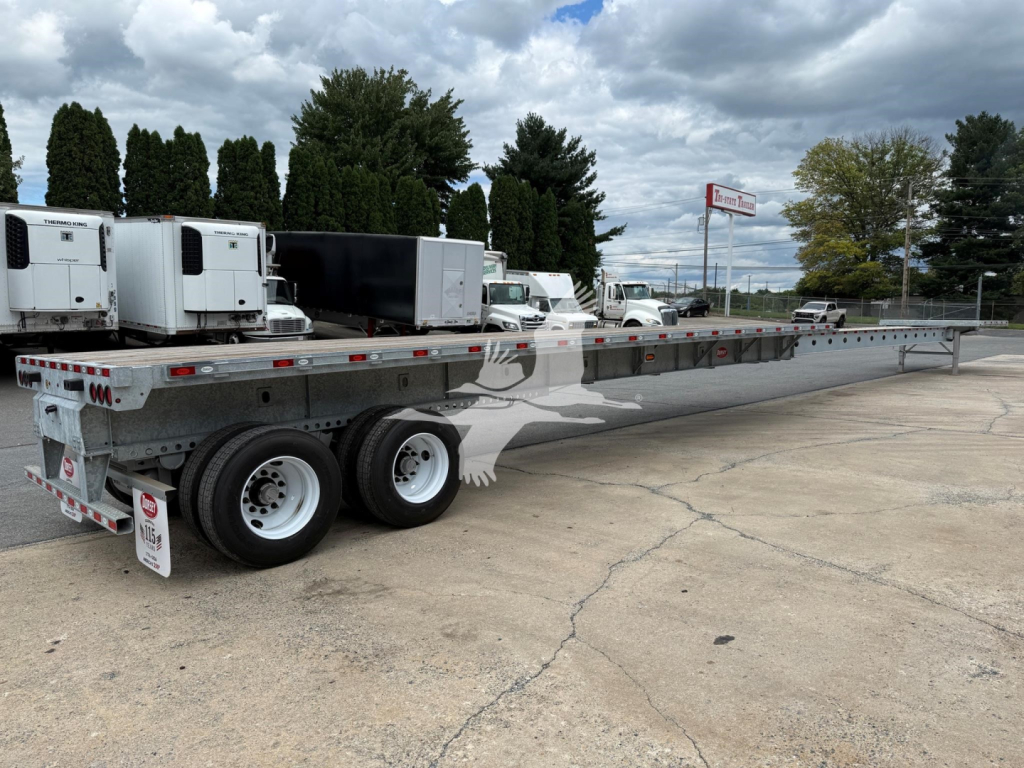
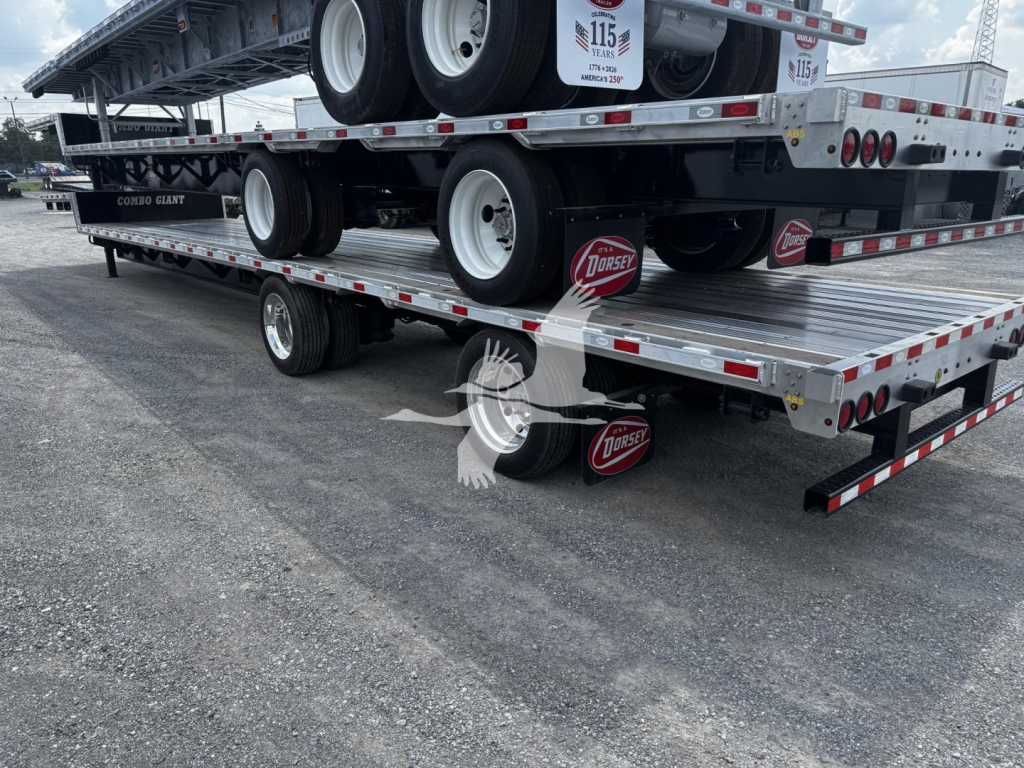
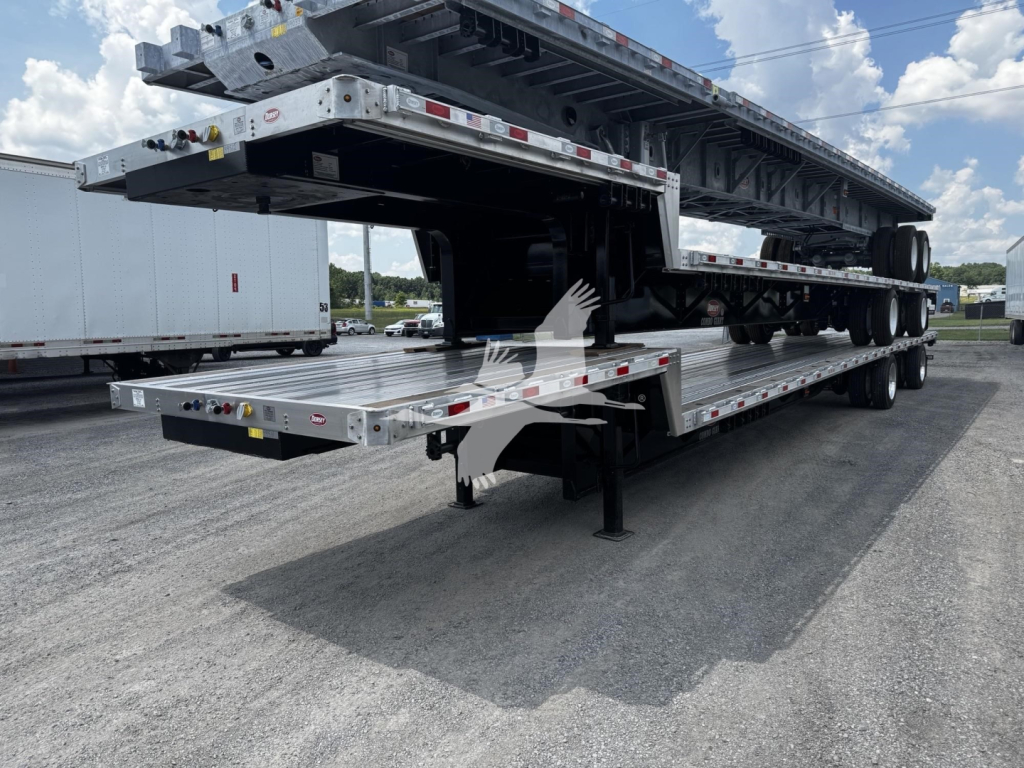
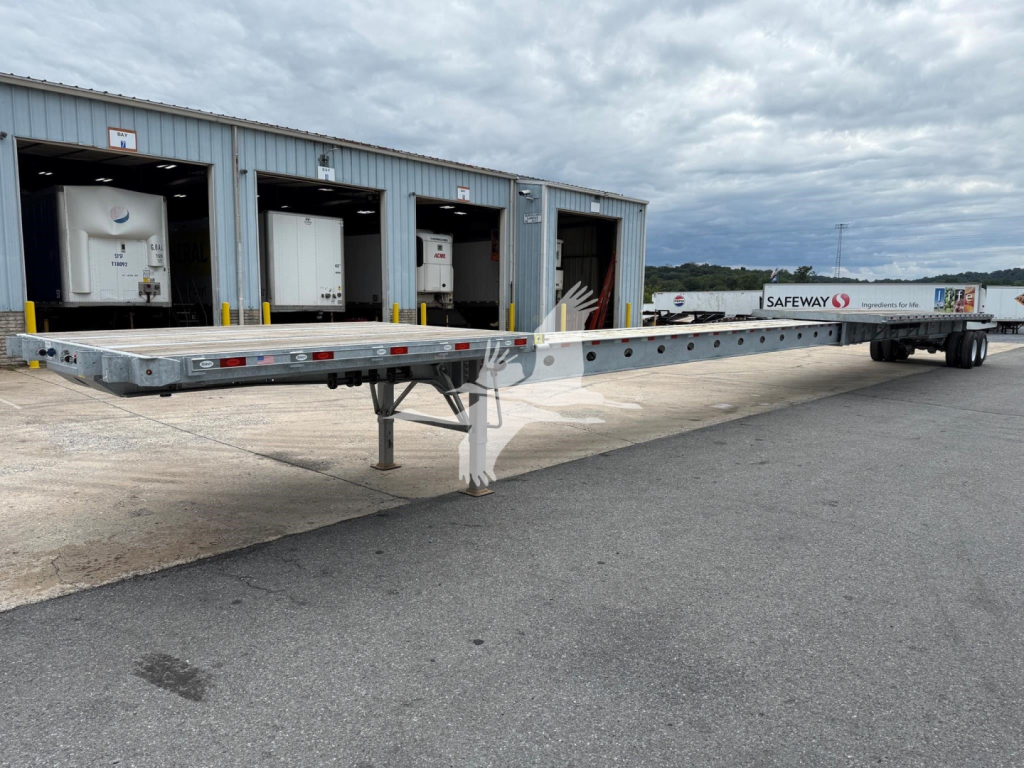
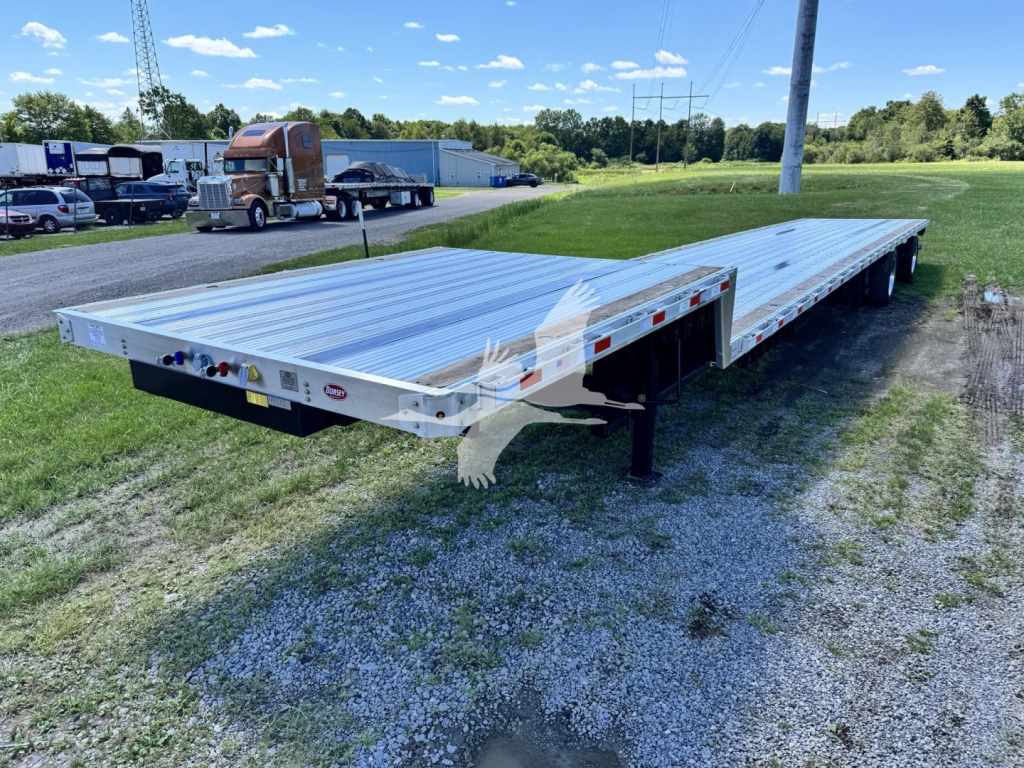
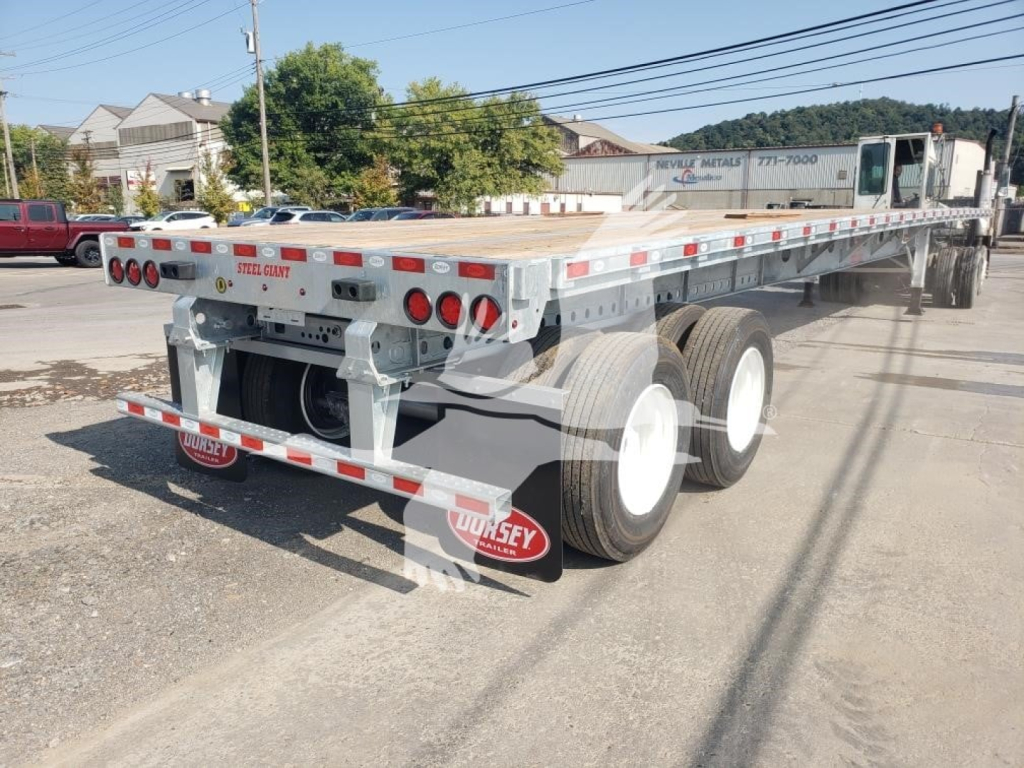
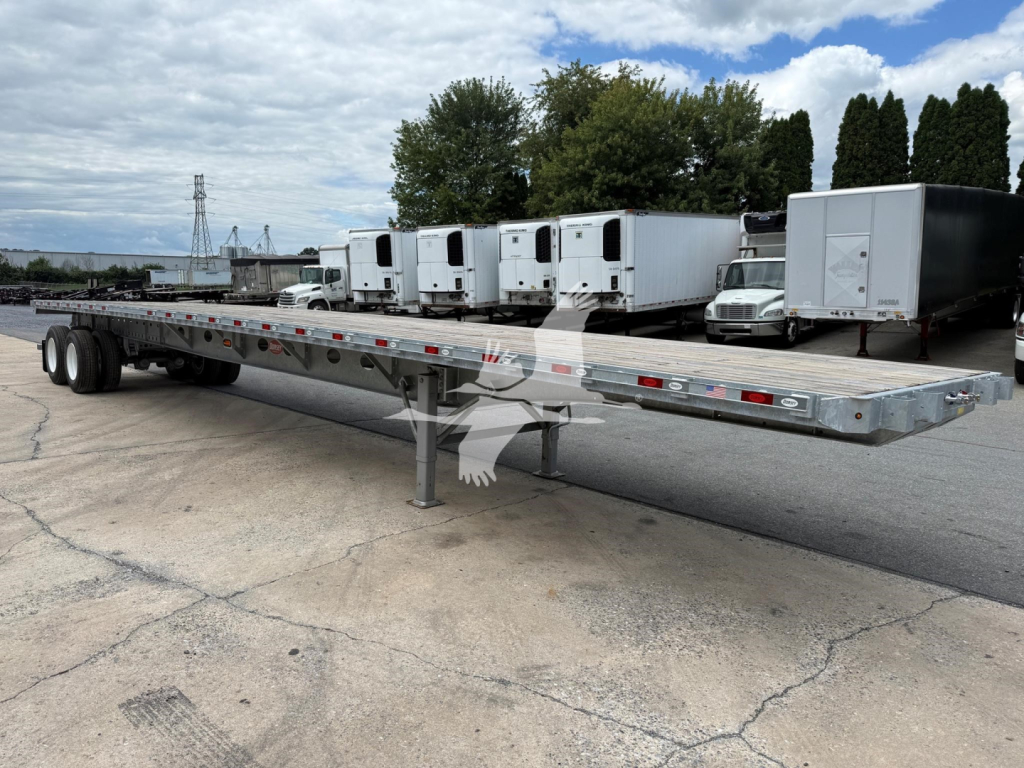
Selling a new dorsey flatbed trailer? List your new dorsey flatbed trailer for sale and reach thousands of commercial buyers.
New Dorsey Flatbed Trailers in Wisconsin
One of the first decisions buyers make is material and trailer length. A 48-foot aluminum flatbed is a popular spec because it balances deck space, empty weight, and broad freight compatibility. On many new Dorsey flatbeds, all-aluminum construction helps keep trailer weight down compared with steel or combo designs, which matters when every pound of payload counts. Suspension and axle layout also deserve close attention. Air ride suspension is a common choice for better ride quality and cargo protection, while spread axles can improve weight distribution and help with bridge law compliance depending on the freight and route structure.
Buyers should also look closely at deck design and daily-use equipment. Crossmember spacing, flooring type, winch track setup, rub rail strength, and stake pocket layout all affect how easily the trailer can be secured for different commodities. Options such as aluminum wheels, toolboxes, dunnage racks, tire inflation systems, and additional securement storage can make a real difference in uptime and driver efficiency. If the trailer will regularly haul coil, pipe, crated machinery, or mixed building materials, it is worth confirming securement flexibility and how the spec supports tarping, edge protection, and load placement.
For Wisconsin fleets and owner-operators, corrosion resistance, weight savings, and serviceability are usually high on the checklist. A new Dorsey flatbed trailer can be a strong fit for regional and long-haul operations that want a clean, lightweight platform trailer with practical spec options. Comparing GVWR, tare weight, axle spacing, deck length, and trailer equipment will tell you more than brand name alone. The right flatbed should match the freight mix, loading method, and lane demands without adding unnecessary weight or complexity.
Frequently Asked Questions about New Dorsey Flatbed Trailers in Wisconsin
What are the main advantages of a new Dorsey aluminum flatbed trailer?
A new Dorsey aluminum flatbed trailer is typically chosen for low tare weight, corrosion resistance, and strong payload efficiency. Aluminum construction can help a fleet carry more legal freight compared with heavier trailer designs, and it generally holds up well in regions where moisture, road salt, and winter conditions accelerate corrosion. For many buyers, the value is in getting a lightweight platform trailer that still supports demanding open-deck freight applications.
Is a 48-foot flatbed trailer the right choice for most freight?
A 48-foot flatbed is one of the most common and versatile trailer lengths in the market. It handles a wide range of commodities including lumber, steel, machinery, building materials, and palletized loads while staying familiar to shippers and drivers. The best choice still depends on freight profile, lane requirements, and loading practices, but 48-foot trailers remain a strong standard spec for broad flatbed use.
Why do many buyers want air ride and spread axles on a flatbed trailer?
Air ride suspension helps reduce cargo shock and can improve ride quality for both trailer and freight, which is especially important for sensitive or high-value loads. Spread axles are often selected to improve weight distribution and assist with legal loading across certain routes and bridge formulas. The tradeoff is that axle spread can affect maneuverability and tire scrub in tighter operating environments, so the ideal setup depends on where and how the trailer will be used.
What specs matter most when comparing new flatbed trailers?
The most important specs usually include trailer length, tare weight, construction material, suspension type, axle configuration, GVWR, crossmember spacing, floor design, and securement features such as winch tracks, stake pockets, and rub rails. Buyers should also review practical equipment like aluminum wheels, toolboxes, dunnage racks, and tire systems. A flatbed trailer performs best when the spec matches the actual freight, loading equipment, and route demands rather than simply chasing the lowest empty weight.
Are all-aluminum flatbed trailers a good fit for Wisconsin operations?
All-aluminum flatbed trailers are often a strong fit for Wisconsin because they combine lighter weight with excellent corrosion resistance. That matters in a state where winter weather, moisture, and road treatments can be tough on equipment. For carriers running regional construction materials, agricultural inputs, machinery, or long-haul open-deck freight, an aluminum flatbed can offer a useful balance of payload capacity, durability, and lower long-term cosmetic and structural corrosion concerns.