
GMC Boom Trucks For Sale in New York
Shop GMC boom trucks for utility, tree care, and municipal work. Compare chassis, lift capacity, reach, PTO setups, and body options.
No exact matches found for your search
Showing Boom Trucks instead.
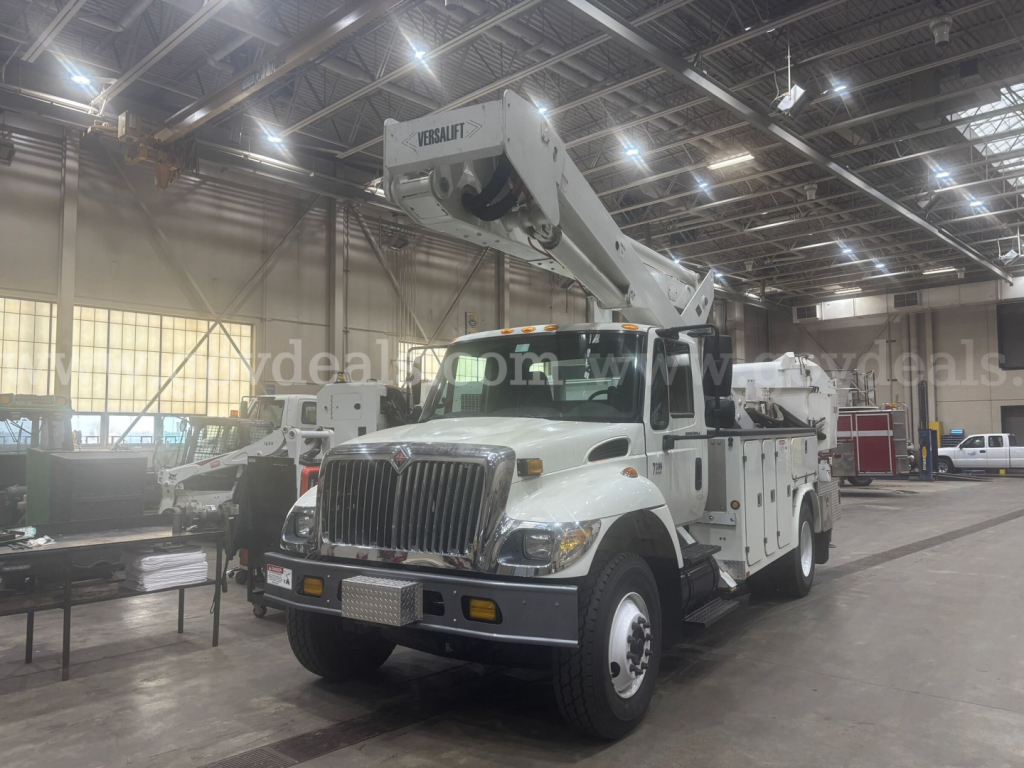
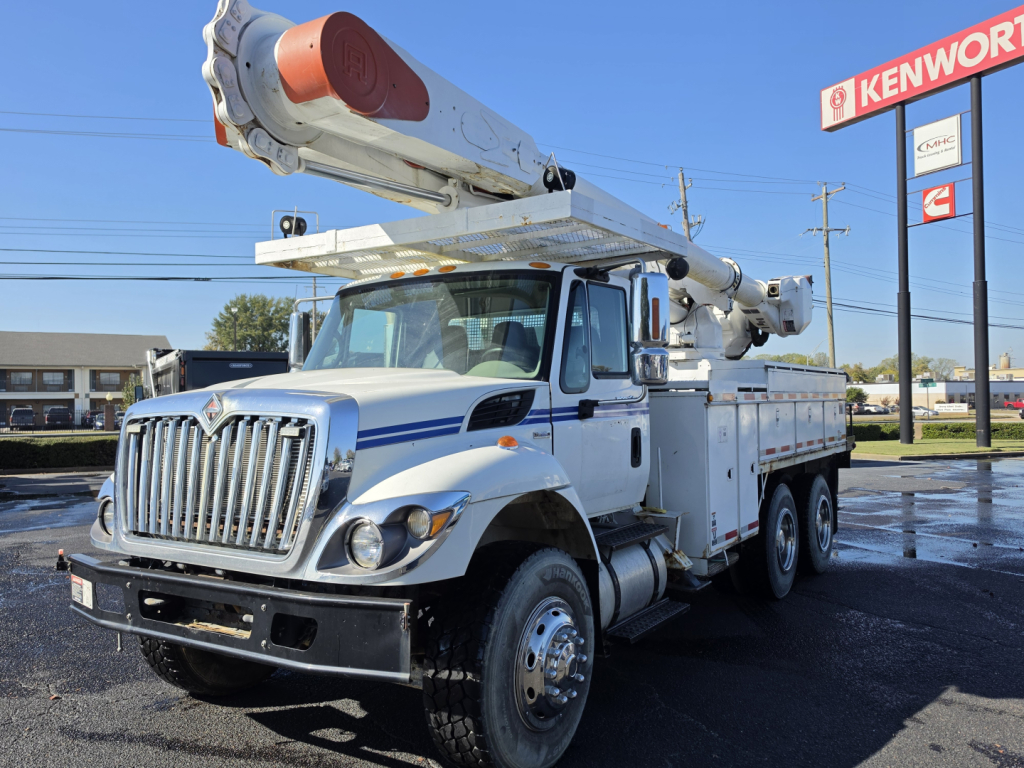
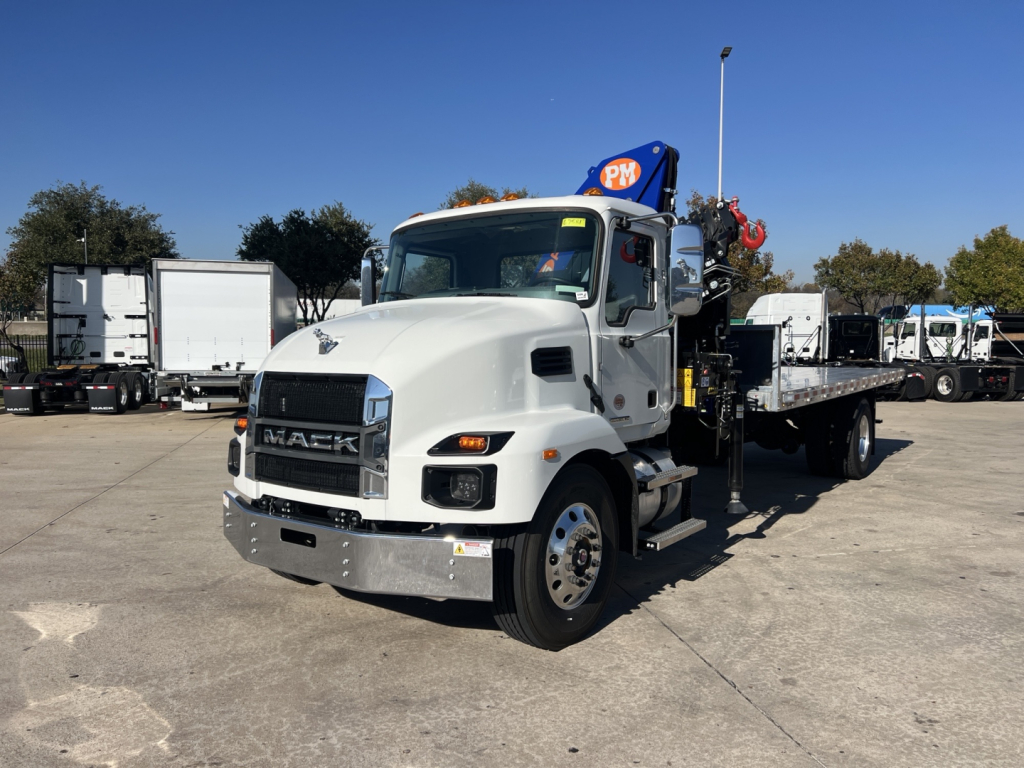
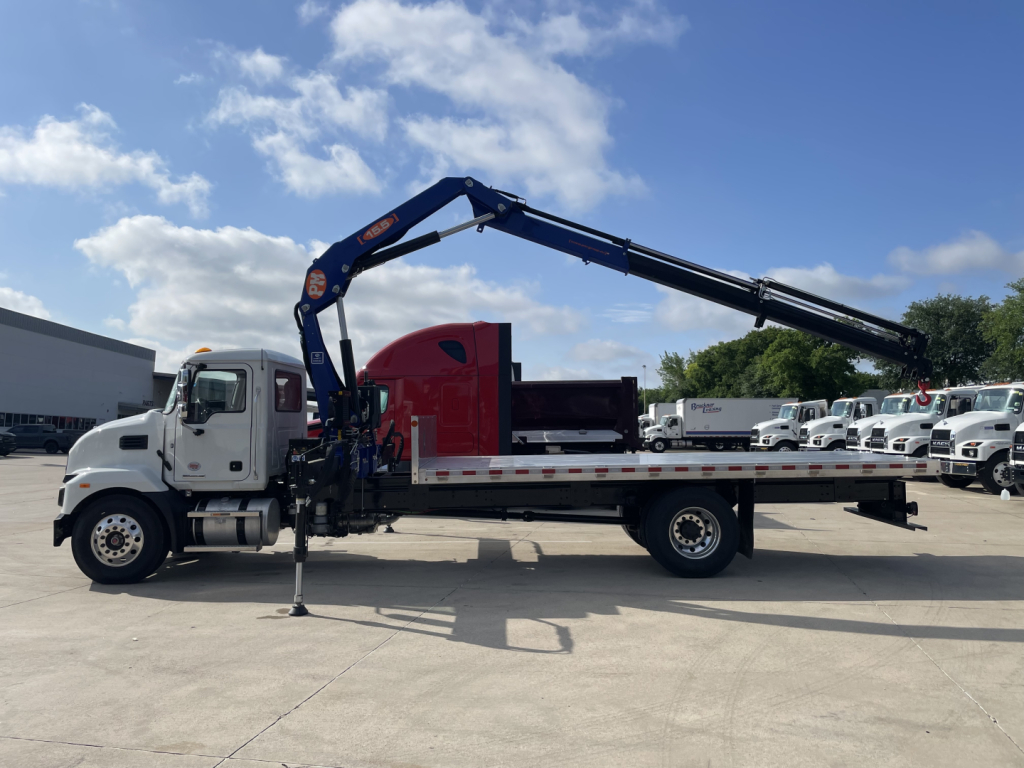
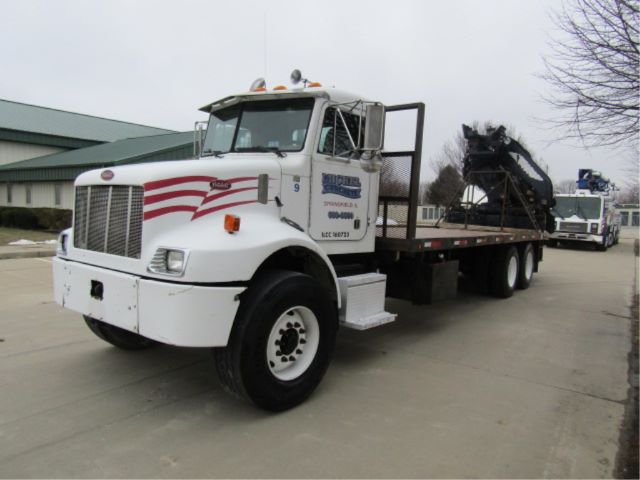
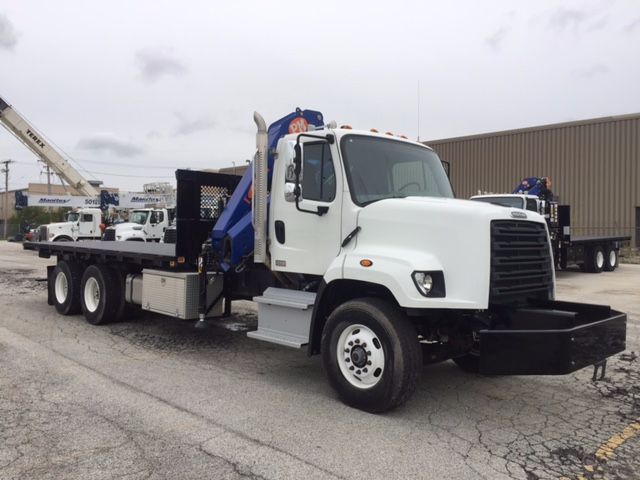
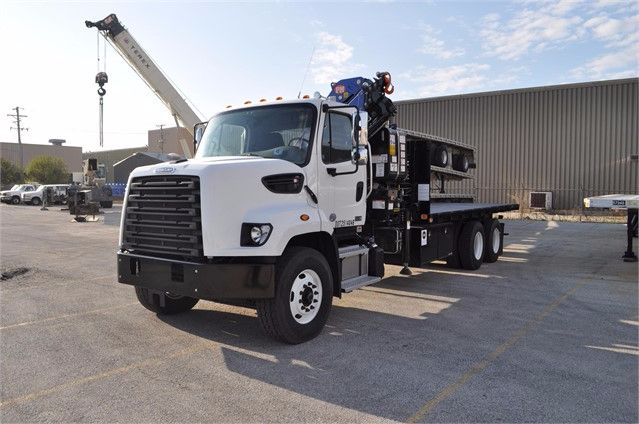
Selling a gmc boom truck? List your gmc boom truck for sale and reach thousands of commercial buyers.
GMC Boom Trucks in New York
The first buying decision is usually the boom itself, not just the truck. Reach, platform capacity, material-handling capability, and mounting style matter more than paint or cab trim. Some GMC boom trucks are configured as forestry or tree trucks with an insulated aerial device and chip box, while others carry telescopic or articulating cranes for lifting equipment and materials. Buyers should confirm working height, side reach, basket rating, boom rotation, outrigger design, PTO operation, and hydraulic condition. If the truck will be used around power lines, insulation rating and certification status are critical. If it will be used as a crane truck, pay close attention to load charts, winch operation, and any sign of structural repairs on the boom or subframe.
Chassis specs still matter because boom trucks are hard-working vocational units. Check GVWR, axle ratings, brake type, wheelbase, transmission, and engine service history. A GMC C7500 or similar platform may be set up for stop-and-go municipal duty, arborist work, or contractor use, so body condition can tell you a lot about prior application. In New York, rust deserves close inspection on cab mounts, frame rails, outriggers, body floors, and hydraulic line routing, especially on older trucks that may have seen winter road treatment. It is also worth verifying CDL requirements, overall height, and bridge-law considerations if the truck will operate in tighter urban areas or move between boroughs, suburbs, and upstate job sites.
A strong used GMC boom truck should be evaluated as a complete system: chassis, aerial device or crane, hydraulics, PTO, stabilizers, and body equipment. Maintenance records for dielectric testing, annual inspections, hydraulic service, and boom certification can be as important as engine hours or odometer miles. Buyers comparing listings should look past the basic truck model and focus on application match. A tree-service GMC boom truck, a utility-body boom unit, and a material-handling crane truck may all fall into the same broad category, but the right choice depends on reach requirements, payload needs, jobsite access, and the inspection documentation that comes with the unit.
Frequently Asked Questions about GMC Boom Trucks in New York
What should I check first on a used GMC boom truck?
Start with the aerial device or crane assembly, because that is the most application-specific and highest-cost component on the truck. Confirm working height, side reach, basket or lift rating, outrigger function, PTO engagement, hydraulic performance, and the condition of the boom structure and subframe. After that, review the chassis condition, engine and transmission service history, brake system, tire condition, and frame integrity. On older units, inspection records and boom certifications often tell you more than mileage alone.
Are GMC boom trucks mainly used for tree work or utility work?
They are used for both, depending on the body and boom configuration. Many GMC boom trucks on the used market are tree trucks with chip bodies and aerial lifts for arborist work. Others are utility-style trucks with service bodies, insulated booms, or material-handling setups used for electrical contractors, sign companies, streetlight maintenance, and municipal departments. The exact application depends on the boom type, insulation rating, body style, and payload setup.
Do I need to worry about rust on a boom truck in New York?
Yes. Rust can be a major value and safety issue on vocational trucks operated in New York because road salt and winter exposure affect both the chassis and the mounted equipment. Pay close attention to frame rails, crossmembers, outriggers, boom pedestal mounts, cab corners, body floors, and hydraulic line brackets. Surface corrosion is common on older units, but scaling, perforation, or rust near structural mounting points deserves a much closer inspection.
What is the difference between an insulated boom truck and a material-handling boom truck?
An insulated boom truck is designed for aerial work near electrical hazards and typically uses a personnel platform or bucket, with dielectric properties that must be tested and documented. A material-handling boom truck is built to lift equipment or supplies and usually relies on a winch, hook, or crane function rather than personnel lifting. Some units combine personnel access and limited lifting capability, but buyers should never assume crossover use without checking the manufacturer ratings, certifications, and load charts.
Is mileage less important than hours and certifications on a GMC boom truck?
In many cases, yes. Boom trucks often spend significant time idling at jobsites while powering hydraulics through the PTO, so low mileage does not always mean low wear. Engine hours, PTO use, hydraulic system condition, and maintenance records can be more important than odometer readings. Certification paperwork, dielectric test records where applicable, and annual inspection history are especially valuable because they help verify that the boom system has been maintained as a working piece of equipment, not just as a truck chassis.