
GMC Boom Trucks For Sale
Shop GMC boom trucks for tree work, utility service, and sign maintenance. Compare body styles, lift heights, GVWR, PTO setups, and chassis specs.
No exact matches found for your search
Showing Boom Trucks instead.
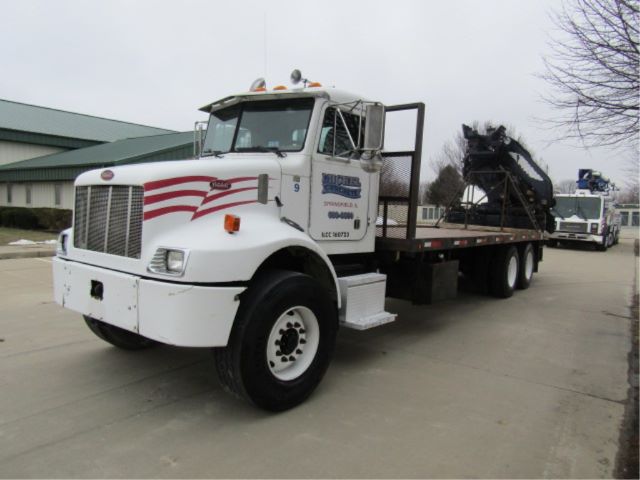
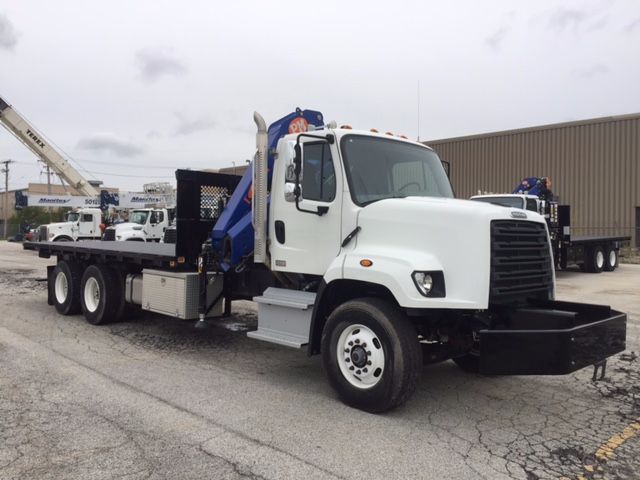
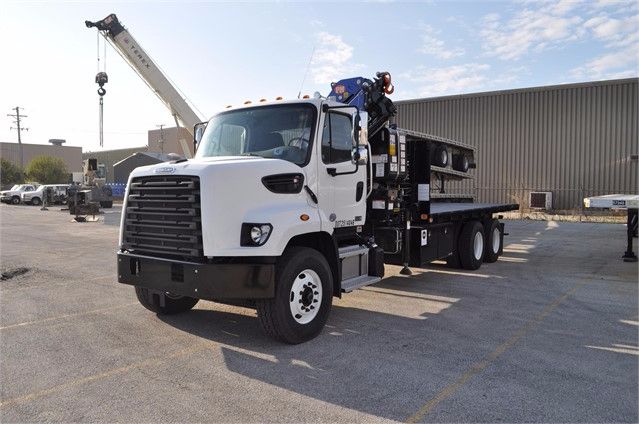
Looking for the easiest place to sell your gmc boom truck? List it here to reach thousands of buyers.
GMC Boom Trucks
Lift height, side reach, platform capacity, and boom type should be evaluated before engine or cab trim. Articulating booms are common where up-and-over access matters around branches, poles, and structures, while telescopic designs may be preferred for direct vertical reach. Buyers should confirm whether the unit has a personnel basket, material-handling jib, single-man or two-man platform, and full hydraulic or electric-over-hydraulic controls. Outrigger design also matters on a GMC boom truck because stability, setup time, and access on narrow streets or uneven jobsites can change how productive the truck is in the field. On older units, inspection of boom certifications, dielectric status if applicable, turntable wear, cylinder leakage, and control responsiveness is just as important as the base truck condition.
On the chassis side, GMC boom trucks are generally medium-duty vocational trucks with diesel power, automatic or manual transmissions depending on age, and axle ratings suited to the mounted equipment. GVWR, wheelbase, and cab-to-axle dimensions are critical because they affect body length, boom placement, and legal payload. Buyers should check spring capacity, frame condition, brake type, PTO engagement, hydraulic pump performance, and any signs of frame modification around the subframe installation. If the truck is being used in tree service or municipal fleets, hours on the aerial equipment can matter as much as miles on the odometer. Rust in outriggers, body floors, tool compartments, and underbody mounting points is a common concern on older GMC vocational equipment, especially in northern service areas.
A used GMC boom truck can be a practical choice for fleets that want a serviceable aerial platform on a familiar vocational chassis without moving into a larger class of truck. The best value usually comes from a unit with a documented inspection history, a body and boom designed for the intended trade, and a chassis that still has parts and service support in your region. Buyers comparing GMC boom trucks should focus on working height, reach, stowed travel height, body configuration, axle ratings, and hydraulic condition first, then weigh engine, transmission, and cosmetic factors after the truck’s application fit is confirmed.
Frequently Asked Questions about GMC Boom Trucks
What should I look at first when buying a GMC boom truck?
Start with the aerial device, not just the truck chassis. Working height, horizontal reach, platform capacity, boom type, and outrigger design determine whether the unit can safely perform the jobs you have. After that, review the GMC chassis specifications including GVWR, wheelbase, PTO setup, axle ratings, and frame condition to make sure the truck is properly matched to the mounted equipment.
Are GMC boom trucks mainly used for tree service?
Many GMC boom trucks on the used market are configured for tree service, but the category also includes trucks used for utility work, sign installation, streetlight maintenance, and municipal service. Tree trucks often have a different body layout than utility units, including chip bodies, saw storage, and debris-handling features. The mounted boom and body package usually tell you more about the truck’s best application than the badge on the grille.
How important are boom inspections and certifications on an older GMC boom truck?
They are extremely important because the value of the truck depends heavily on the safety and serviceability of the aerial equipment. Buyers should verify recent inspections, maintenance records, hydraulic condition, structural integrity, and any dielectric testing if the truck was used around energized lines. A strong chassis does not offset a boom that needs major repair, recertification, or structural work.
What chassis specs matter most on a GMC boom truck?
GVWR, wheelbase, cab-to-axle length, axle ratings, brake system, transmission type, and PTO compatibility are the main chassis items to review. These factors affect stability, legal operating weight, service body fit, and how well the truck supports the mounted boom. On older GMC models, parts support, frame corrosion, and previous upfit modifications should also be checked carefully before purchase.
Do miles or boom hours matter more on a used GMC boom truck?
Both matter, but aerial equipment condition and usage history often carry equal or greater weight than chassis mileage. A medium-duty GMC truck with moderate miles can still require significant investment if the boom has high hours, worn controls, leaking cylinders, or overdue inspections. The best assessment combines odometer miles, engine hours if available, boom service records, and a close inspection of the hydraulic and structural components.