
Garbage Trucks For Sale in Minnesota
Browse garbage trucks for sale in Minnesota, including refuse packers and compactor trucks with specs for municipal, route, and waste applications.
No exact matches found for your search
Showing Garbage Trucks instead.
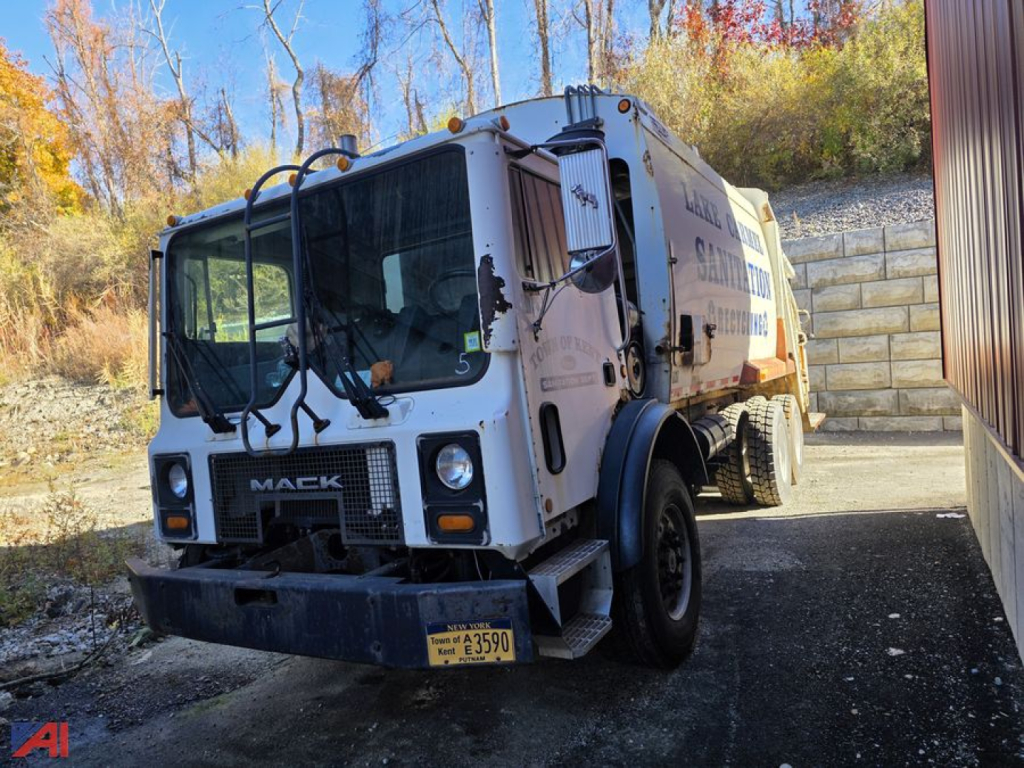
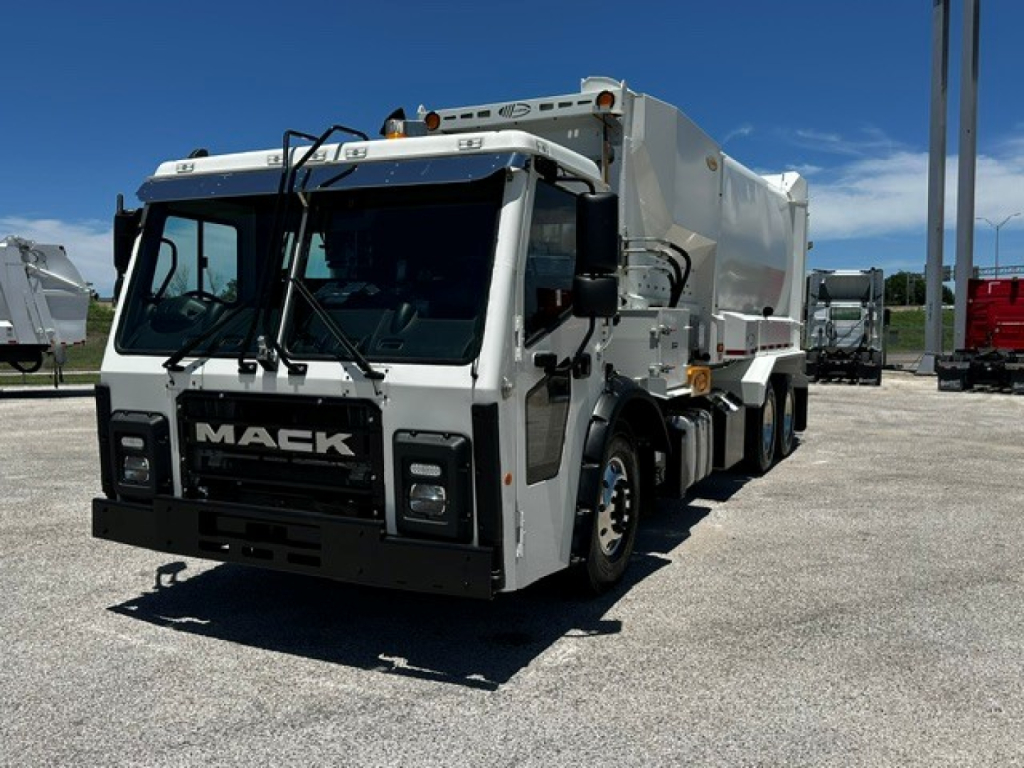
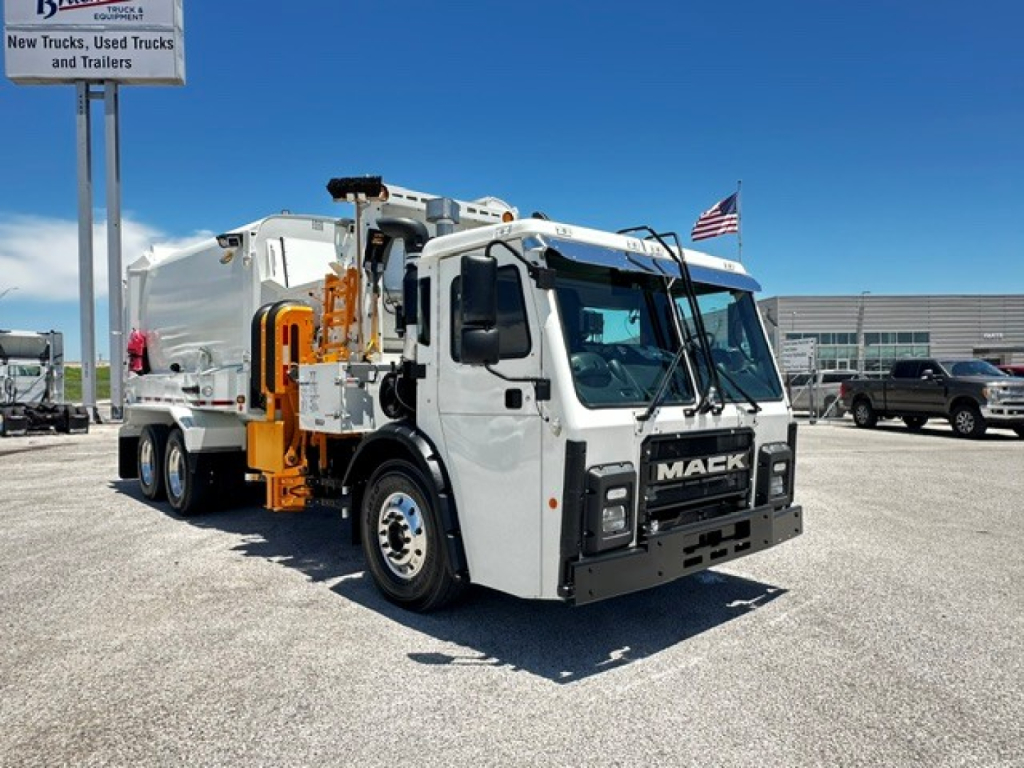
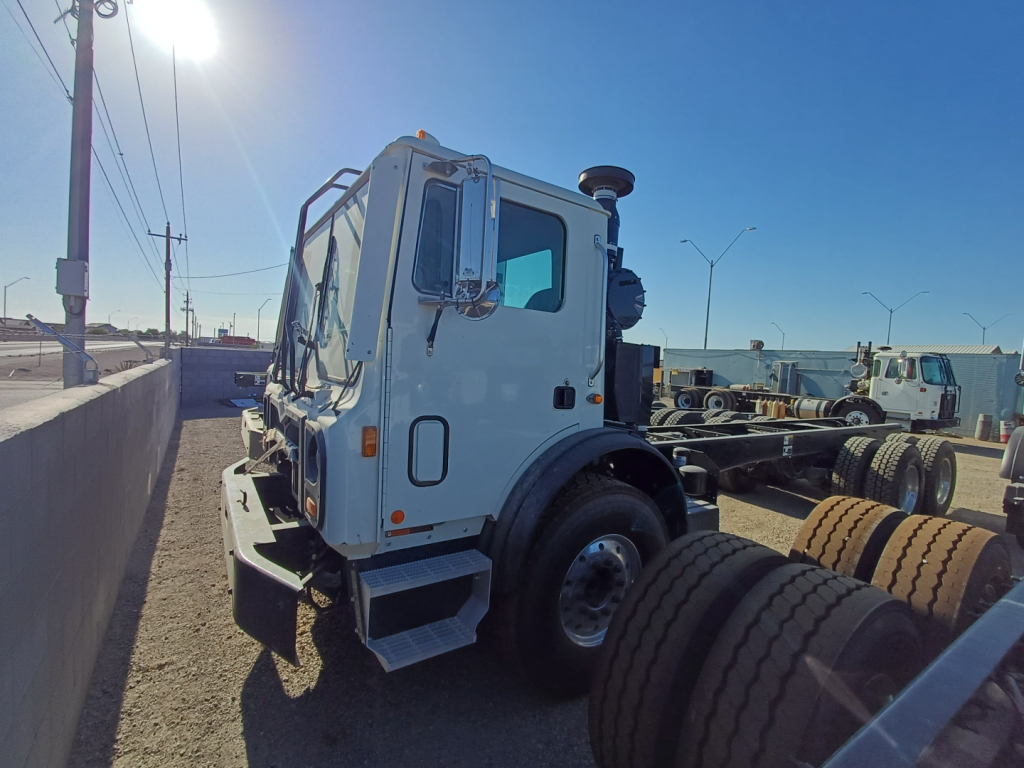
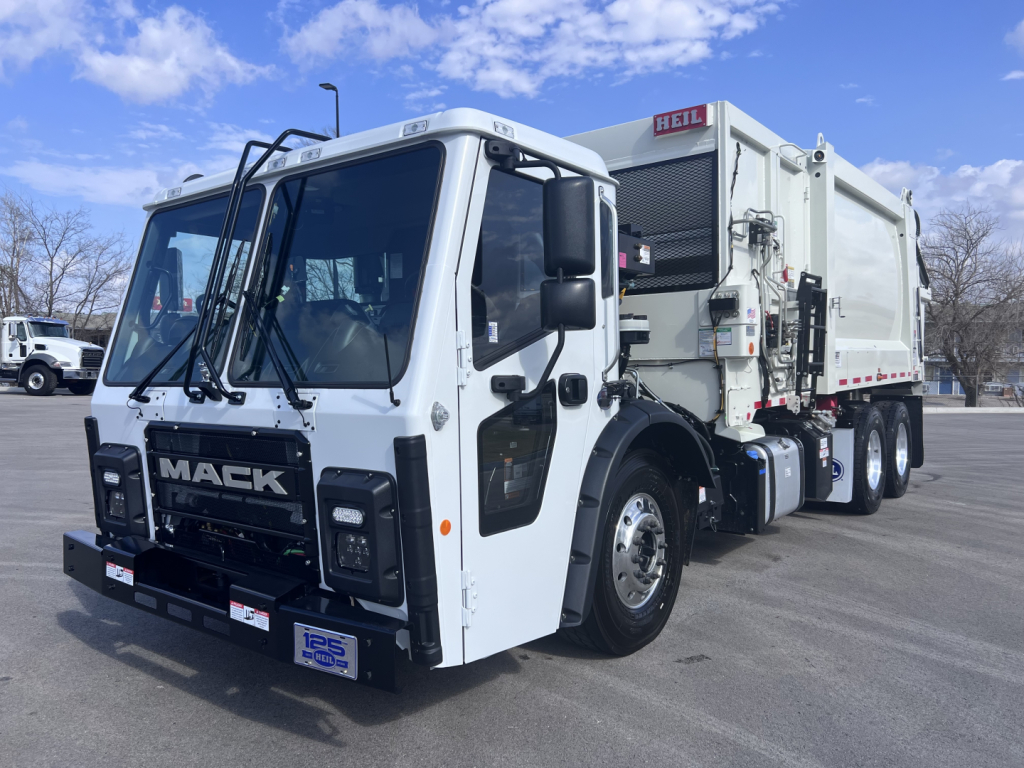
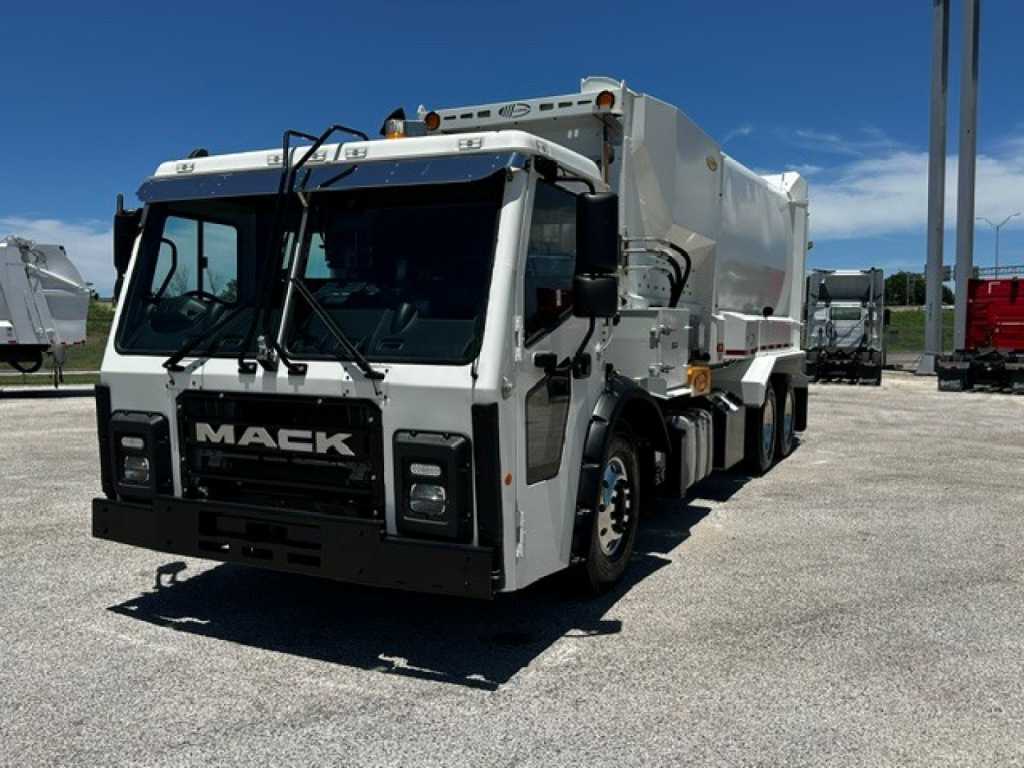
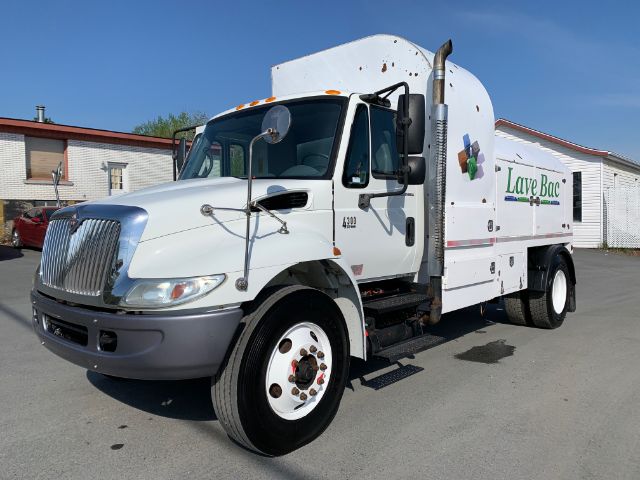

Selling a garbage truck? List your garbage truck for sale and reach thousands of commercial buyers.
Garbage Trucks in Minnesota
Minnesota operating conditions make chassis and corrosion protection more important than in many other markets. Road salt, freeze-thaw cycles, and cold-weather starts put extra stress on frames, electrical systems, hydraulic lines, and body mounts. A garbage truck used through Upper Midwest winters should be evaluated for rust at the subframe, packer rails, hoist mounting points, crossmembers, and cab steps. Heated mirrors, good cab insulation, reliable DEF and aftertreatment performance, and dependable hydraulic operation in low temperatures can make a major difference in route uptime. Buyers comparing refuse trucks in this region should also confirm GVWR, bridge-law practicality, and turning radius for urban alleys, transfer station traffic, and residential streets.
Common garbage truck chassis in this class use diesel engines from Cummins, Detroit, or PACCAR paired with Allison automatic transmissions, especially where frequent stop-and-go work is expected. Wheelbase, suspension type, and axle rating should match the body and the expected waste stream. Commercial refuse applications may need higher durability in the hopper, tailgate seals, and ejector system, while municipal collection often values camera systems, cart tipper compatibility, and operator visibility. If the truck is a mobile dumpster compactor or specialty compactor body, check stationary compaction interface, hydraulic pressure output, and how the unit fits transfer or container-service operations rather than traditional curbside pickup.
A good garbage truck purchase comes down to matching the truck to the route, not just the model year. Body manufacturer support, replacement parts availability, service access to packer cylinders and valves, and the condition of the cab and controls all matter. Buyers should inspect packer blade wear, hopper floor condition, tailgate alignment, cylinder seepage, and PTO engagement under load. For fleets planning long-term use, it also helps to compare camera coverage, in-cab diagnostics, idle management, and service records for the body as well as the chassis. A refuse truck that is correctly spec'd for route length, waste volume, and climate will usually deliver better uptime and lower cost per stop than a newer truck with the wrong body configuration.
Frequently Asked Questions about Garbage Trucks in Minnesota
What types of garbage trucks are most common in Minnesota?
The most common garbage trucks in Minnesota are rear loaders for residential and smaller commercial routes, front loaders for commercial dumpster service, side loaders for automated residential collection, and specialty compactor trucks for container or transfer-related work. The right type depends on how waste is collected, how tight the route is, and how much emphasis is placed on automation, labor efficiency, and payload.
What should I inspect first on a used garbage truck?
Start with the refuse body and hydraulic system, because body repairs can be expensive and directly affect route performance. Check the hopper, packer blade, floor, tailgate seals, cylinders, hoses, valve functions, PTO engagement, and any signs of frame rust or subframe cracking. After that, inspect the chassis for transmission behavior, engine fault history, suspension wear, brake condition, and corrosion caused by winter road treatment.
How do I choose the right garbage truck body size?
Body size should be based on route volume, material density, legal payload, and dump frequency. A larger cubic-yard body can reduce trips to the landfill or transfer station, but only if axle ratings and local weight limits support the load. Dense commercial waste can max out legal weight before the body is full, while lighter residential waste may benefit more from greater body volume and faster packer cycles.
Why is an Allison automatic transmission common in garbage trucks?
Allison automatic transmissions are widely used in garbage trucks because refuse work involves constant stopping, starting, backing, and low-speed operation. An automatic transmission improves drivability, reduces driver fatigue, and generally performs well with PTO-driven hydraulic systems used for packing and body functions. For route trucks, that combination is often more practical than a manual transmission.
Are mobile dumpster compactors considered garbage trucks?
Yes, in many commercial fleet listings they fall within the broader garbage truck category because they are built to compact waste and support refuse handling operations. They differ from standard front, rear, or side loaders because their primary role may be on-site compaction or container-based waste management rather than curbside collection. Buyers should evaluate the compaction system, container compatibility, hydraulic performance, and chassis suitability for that specific application.