
Used Toyota Equipment For Sale in New York
Used Toyota trucking equipment for sale in New York, including reliable Toyota forklifts with common specs, capacities, and buying guidance.
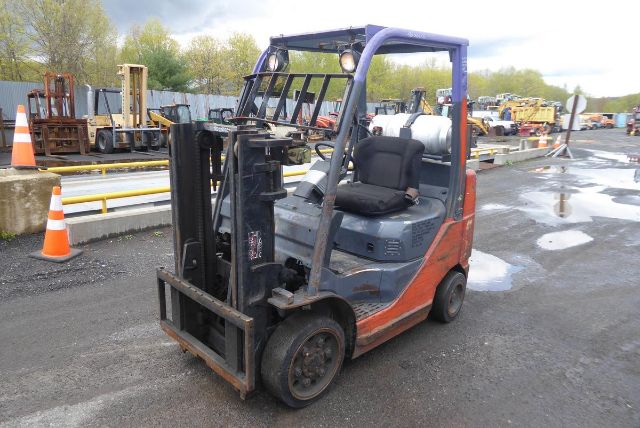
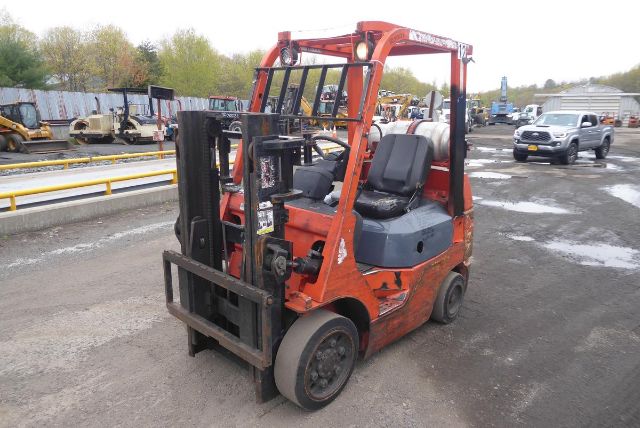
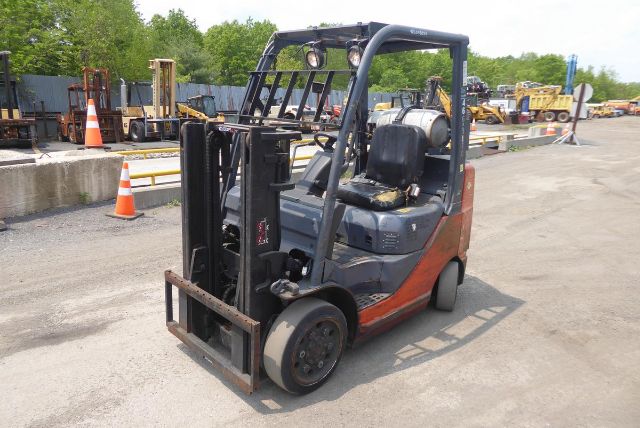
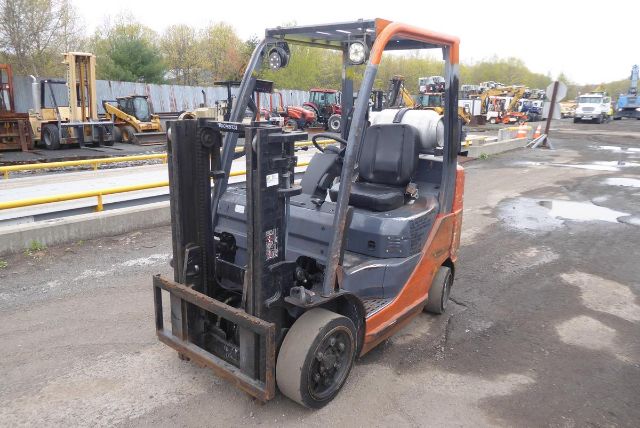
Showing 1 to 28 of 30 results
Selling a used toyota equipment? List your used toyota equipment for sale and reach thousands of commercial buyers.
Used Toyota Equipment in New York
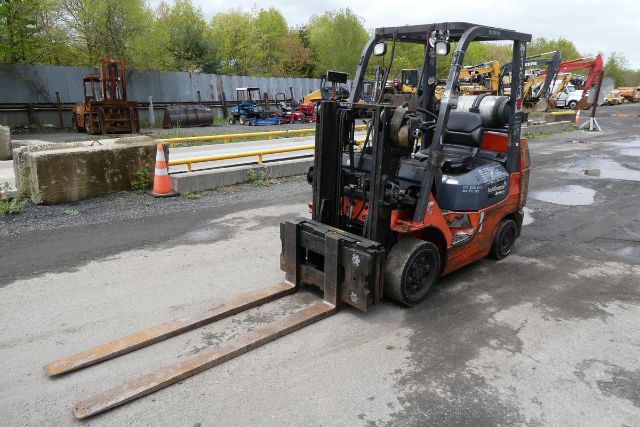
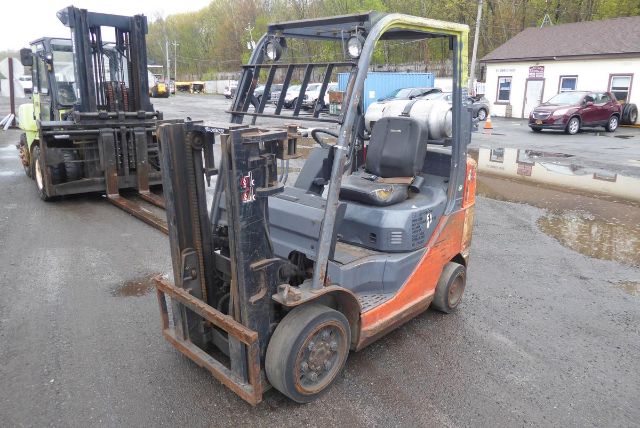
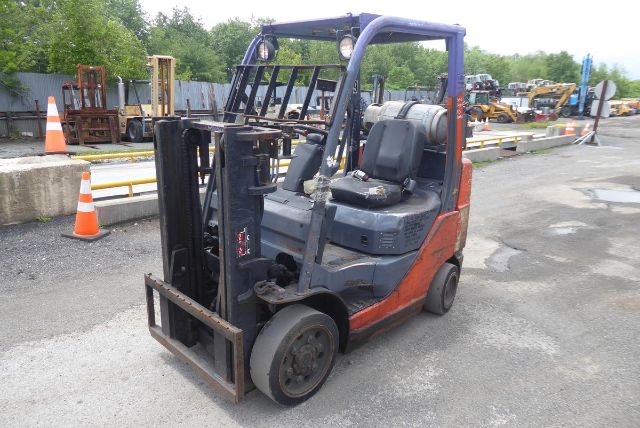
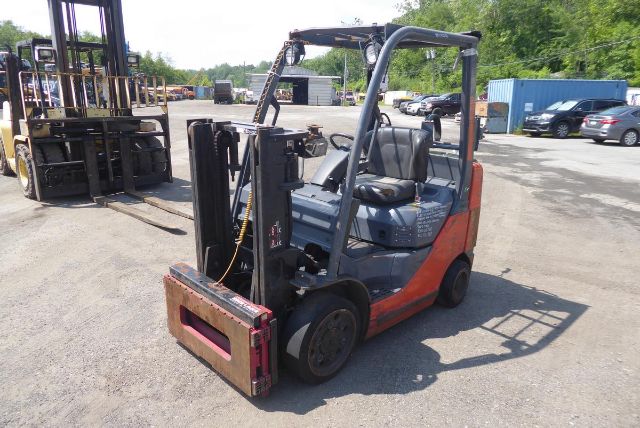
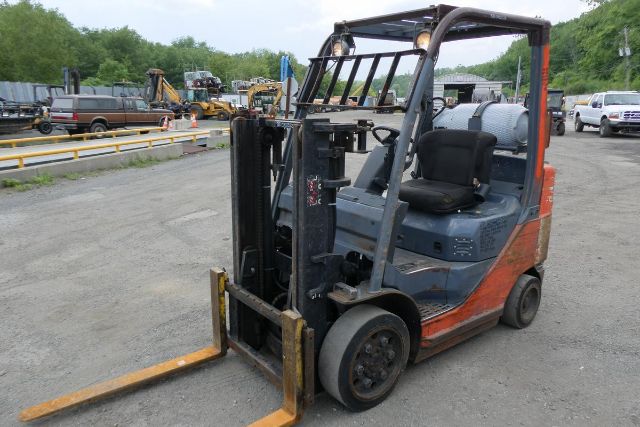
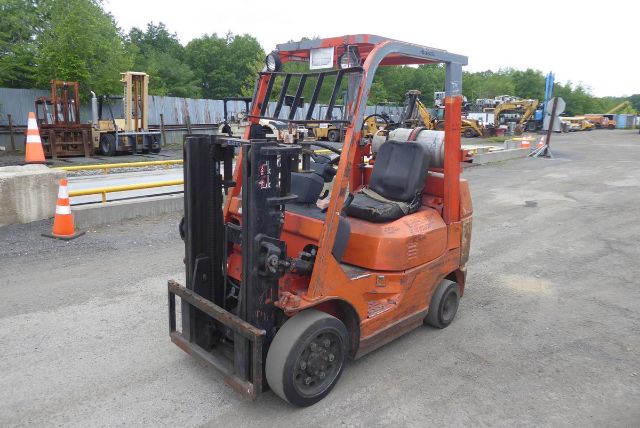
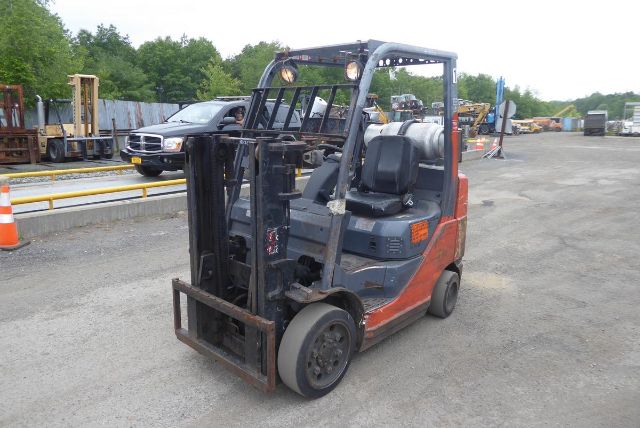
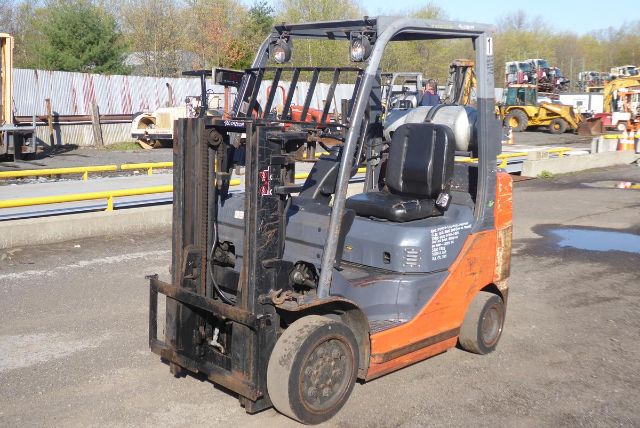
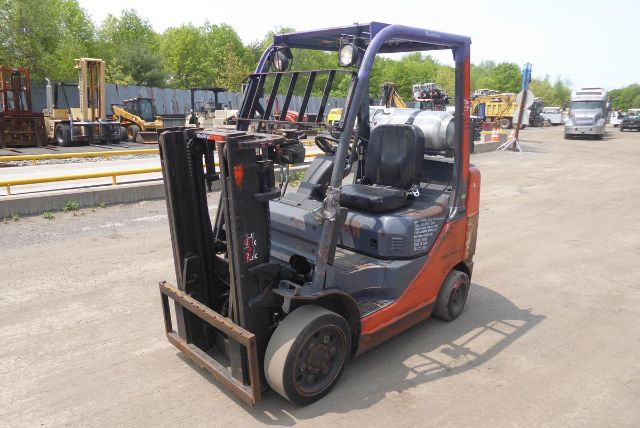
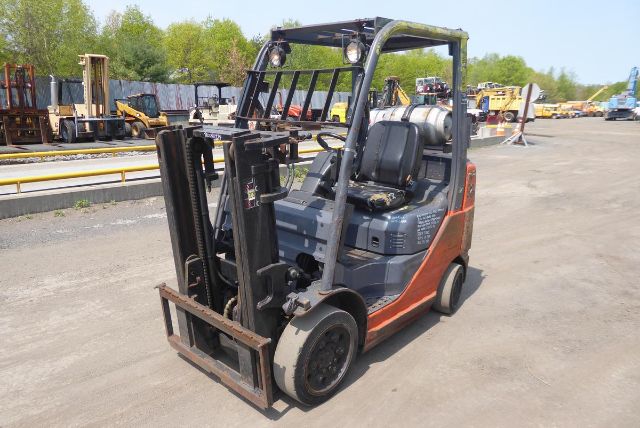
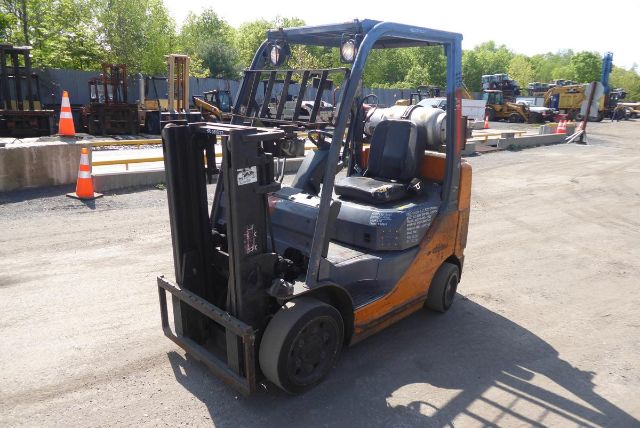
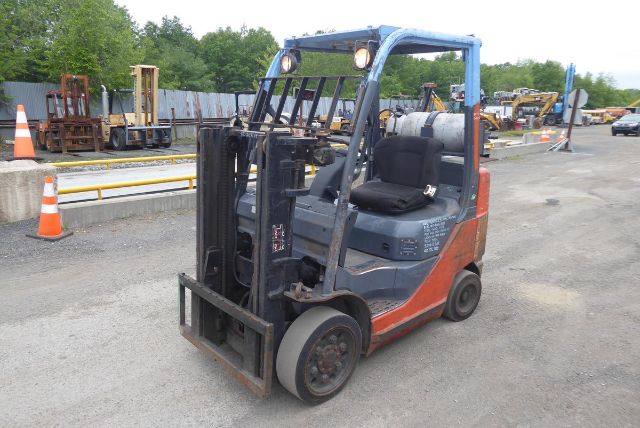
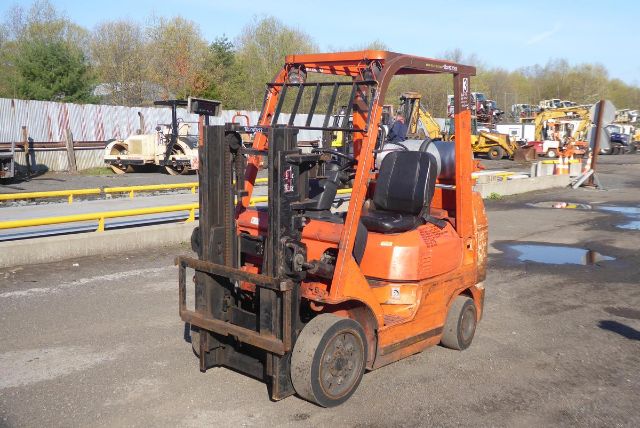
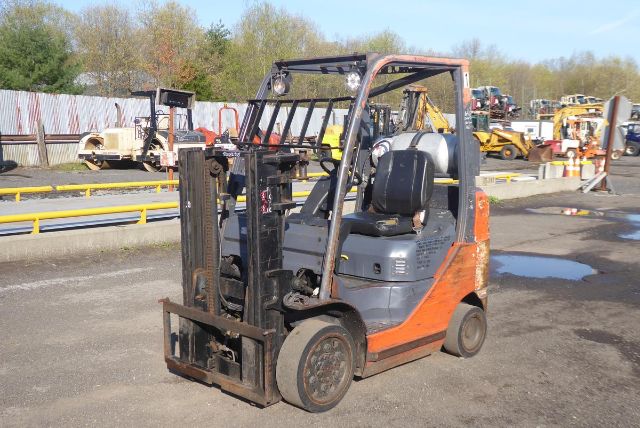
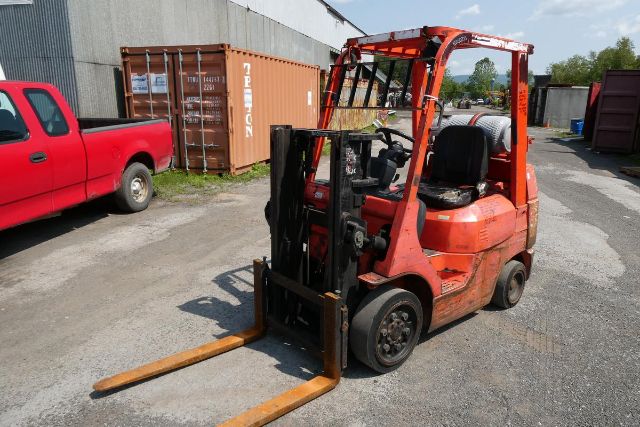
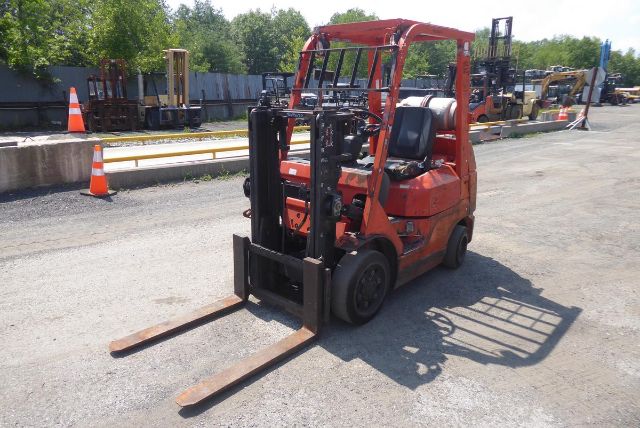
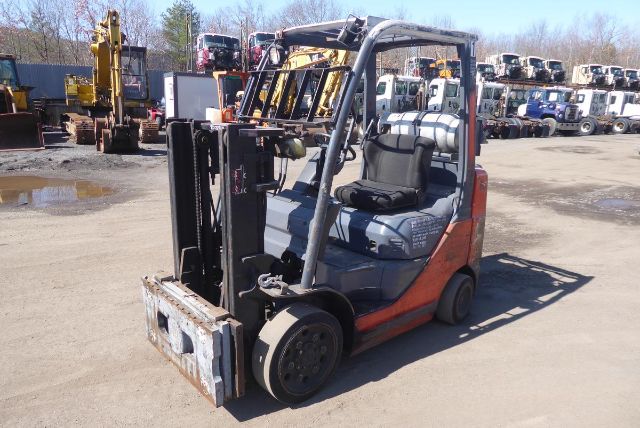
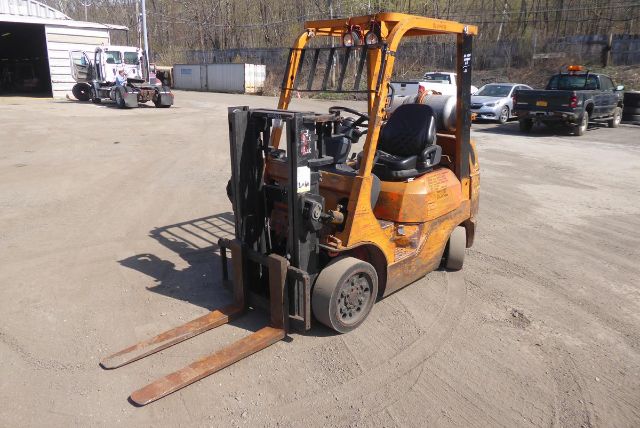
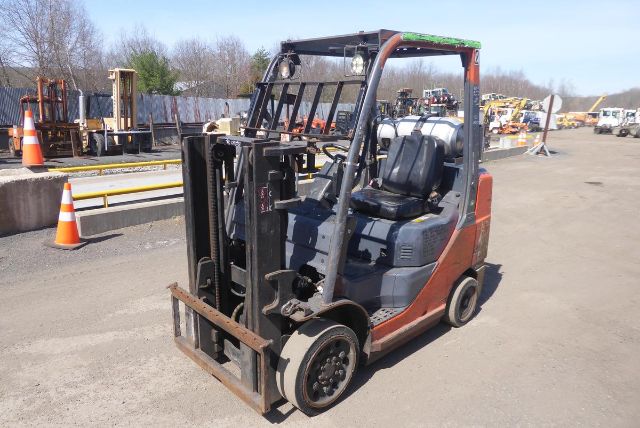
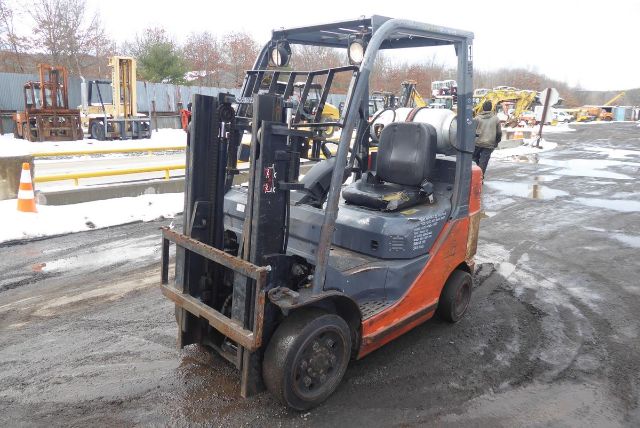
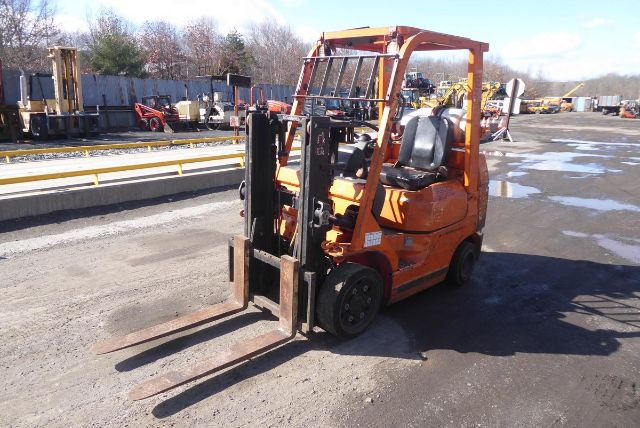
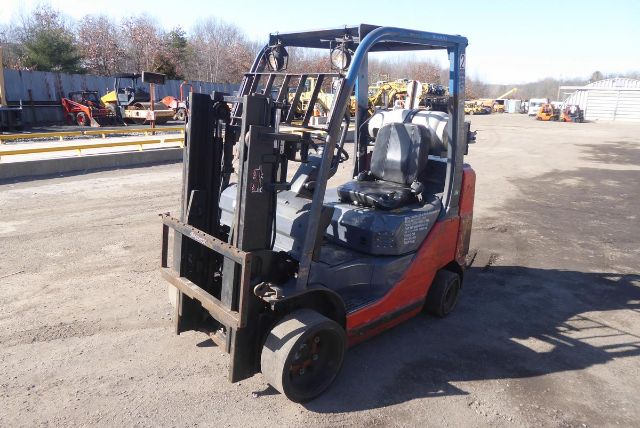
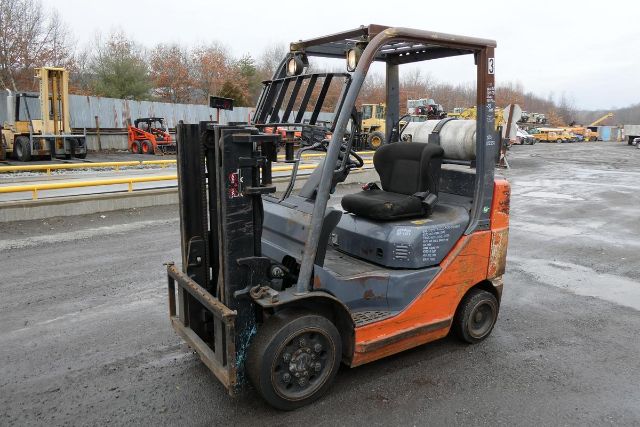
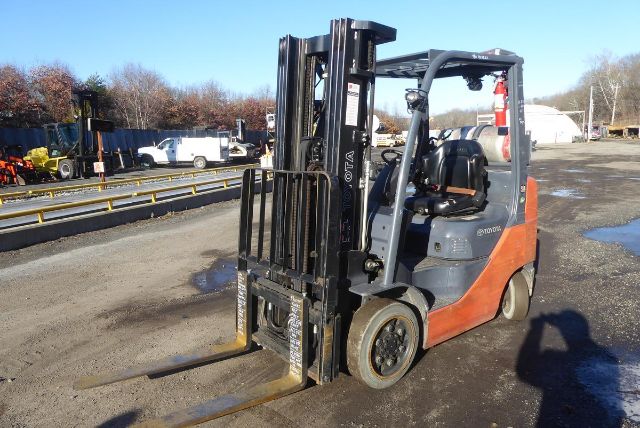
A lot of purchase decisions come down to capacity, fuel type, mast configuration, and overall dimensions. In this category, common warehouse-sized Toyota forklifts are often rated around 4,300 to 5,000 pounds and use propane power with automatic forward-reverse operation. These units are typically compact enough for indoor use, with widths a little over 3 feet, overall heights under 7 feet depending on mast, and solid tires suited to concrete floors and dock areas. Buyers should confirm actual lift height, collapsed mast height, fork length, side shift, tilt function, and whether forks are included, since two units with the same model number can be equipped very differently.
For heavier work, Toyota also builds high-capacity forklifts that move far beyond standard pallet handling. A used diesel model in this class may carry a 30,000-pound rating, a full cab, solid tires, hydraulic fork positioners, and side shift, making it suitable for outdoor loading, pipe yards, precast, heavy fabrication, and port support. On these machines, buyers should pay close attention to service access, mast and carriage wear, steer axle condition, hydraulic leaks, and brake performance. Machine weight, overall width, and turning radius matter just as much as rated capacity if the truck will work in a tight yard or on older pavement.
When comparing used Toyota equipment, hour meter readings only tell part of the story. A forklift with higher hours but dry cylinders, smooth transmission engagement, stable idle, and responsive hydraulics can be a better buy than a lower-hour unit with neglected maintenance. In New York, indoor propane forklifts are common for warehouse and distribution work, while larger diesel units fit outdoor fleets handling dense materials. Check tire type, mast rollers, chain wear, backup alarm, lights, data plate legibility, and any signs of low oil pressure or overheating. Toyota forklifts generally hold value well, so the best purchase is usually the one with the right attachment setup, documented service history, and specifications that match the load profile you handle every day.
Frequently Asked Questions about Used Toyota Equipment in New York
What are the most common used Toyota forklifts in this equipment category?
The most common used Toyota units in this category are cushion-tire propane forklifts in the 4,000 to 5,000 pound range, especially models like the 7FGCU25 and 8FGCU25. These are widely used in warehouses, freight terminals, and dock operations because they are compact, durable, and easy to service. Buyers may also find heavy-capacity Toyota diesel forklifts for outdoor industrial work where larger loads and rougher operating conditions are part of the job.
What should I check first on a used Toyota forklift?
Start with rated capacity, mast height, collapsed height, and fuel type, because those determine whether the unit actually fits your building and application. After that, inspect hydraulic cylinders for leaks, mast channels and rollers for wear, chain condition, transmission engagement, steering response, and tire condition. It is also important to confirm whether forks, side shift, fork positioners, and any other attachments are included, since missing equipment changes the real value of the machine.
Are propane or diesel Toyota forklifts better for used buyers?
Propane Toyota forklifts are typically a better fit for indoor warehouse and dock work because they refuel quickly, run cleaner than diesel, and are common in standard pallet handling applications. Diesel units are better suited for outdoor yards, heavier lift requirements, and longer-duty cycles where higher capacity and torque matter more than indoor emissions concerns. The better choice depends on ventilation, load weight, surface conditions, and how many hours the machine will run each shift.
How important are hours on a used Toyota forklift?
Hours matter, but condition matters more. A well-maintained Toyota forklift with higher hours can still deliver strong service life if the engine runs clean, the hydraulics are dry, the mast operates smoothly, and the transmission shifts correctly. Buyers should treat the hour meter as one data point and compare it against service records, wear at the mast and carriage, pedal and seat wear, and the overall operating feel of the unit.
Why do used Toyota forklifts often hold their value well?
Used Toyota forklifts usually hold value because the brand has a strong reputation for reliability, widespread parts availability, and broad acceptance across warehouse and industrial fleets. Many operators and technicians are already familiar with Toyota controls and service needs, which lowers training and maintenance friction. That combination makes resale demand stronger than it is for many lesser-known forklift brands.