
Used 2004 Toyota Equipment For Sale in New York
Browse used 2004 Toyota equipment for sale in New York, including durable Toyota forklifts known for reliable propane power and warehouse handling.
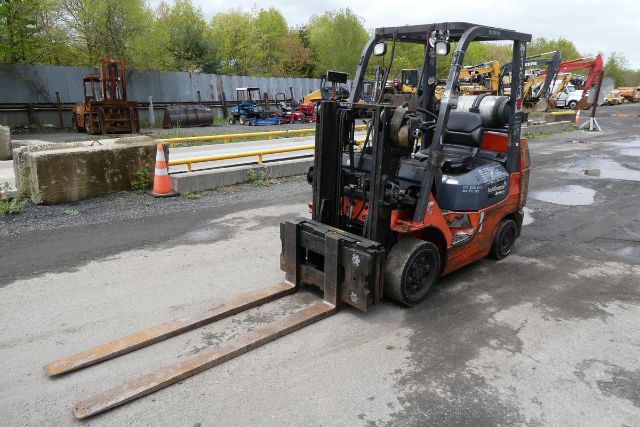
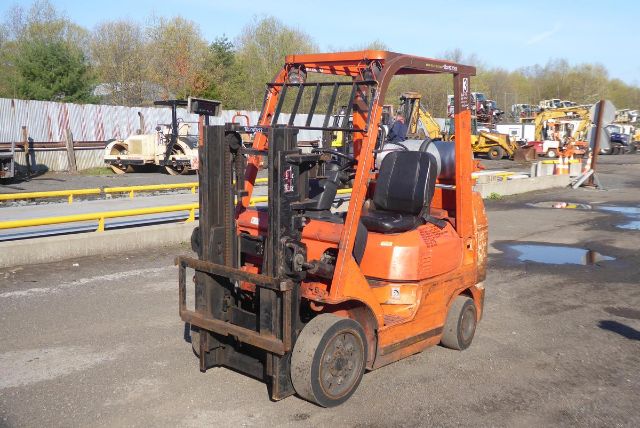
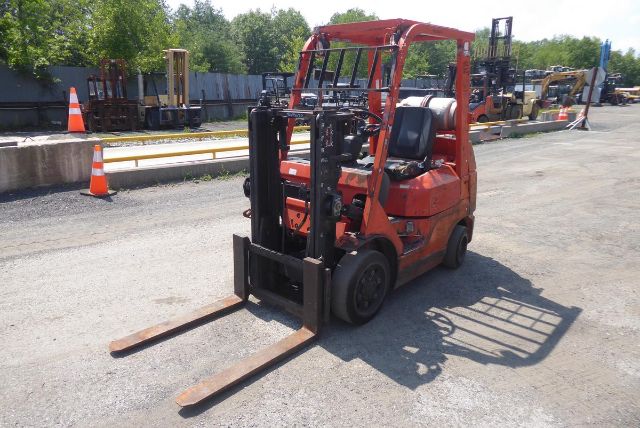
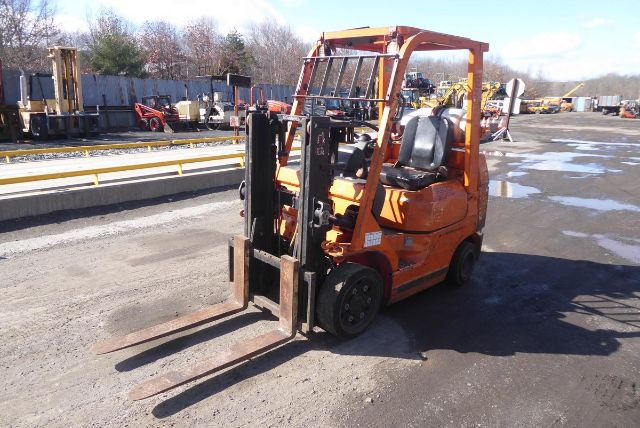
Selling a used 2004 toyota equipment? List your used 2004 toyota equipment for sale and reach thousands of commercial buyers.
Used 2004 Toyota Equipment in New York
A common setup on 2004 Toyota forklifts is a 4,000 to 5,000 lb capacity with a propane-powered 4-cylinder engine, automatic forward-reverse transmission, and solid cushion tires. That combination is a practical fit for warehouses, manufacturing plants, freight terminals, and loading docks with smooth paved surfaces. On used units, mast configuration is a major buying point. A dual-stage mast may be fine for standard dock and indoor stacking, but the lowered mast height still has to clear doors, trailers, and low overhead obstructions. Buyers should also confirm fork length, carriage condition, back tilt function, and whether the unit includes forks and a propane tank, since older listings often exclude one or both.
Condition matters more than age on a 2004 Toyota forklift. Hour meter readings help, but service history and present mechanical condition are more important on machines that may have spent years in steady warehouse cycles. Check for dry lift and tilt cylinders, smooth hydraulic response, cold-start behavior, transmission engagement, steering looseness, mast wear, brake performance, and tire condition. Solid tires with chunking or severe wear can add immediate cost, and engine issues such as low oil pressure should be treated as a major repair factor, not a minor note. If the unit will run multiple shifts, buyers should also verify charging and ignition components, propane system condition, and any signs of overheating or hard starting.
For New York buyers, application and environment should guide the purchase. Cushion-tire Toyota forklifts are best for indoor use or improved surfaces, while rough pavement, outdoor yards, or uneven ground may call for a pneumatic-tire forklift instead. Measure aisle width, rack height, trailer floor height, and door clearance before choosing a mast and capacity. Toyota remains a sought-after brand in the used forklift market because these machines are generally straightforward to service and familiar to operators, but the best value comes from matching the truck's actual spec to the work rather than buying by brand alone.
Frequently Asked Questions about Used 2004 Toyota Equipment in New York
What should I look for first on a used 2004 Toyota forklift?
Start with lift capacity, mast type, lowered mast height, fuel system, and tire type. Those specs determine whether the forklift will actually fit your building, clear door openings, enter trailers, and handle your pallet weights safely. After that, inspect hydraulic cylinder leaks, mast wear, transmission operation, brake function, steering response, and overall engine condition, because repair costs on an older forklift can quickly outweigh the purchase price.
Are 2004 Toyota forklifts good for warehouse use?
Yes, many 2004 Toyota forklifts are a strong fit for warehouse and dock work, especially cushion-tire propane models. They are commonly used for pallet handling, trailer loading, and indoor material movement on concrete surfaces. The key is matching the unit to your environment, since cushion tires work best on smooth floors and are not ideal for rough outdoor yards or broken pavement.
How important are hours on a used Toyota forklift from this era?
Hours matter, but they are only one part of the evaluation. A higher-hour Toyota forklift that has been maintained properly can be a better buy than a lower-hour machine with neglected service, hydraulic leaks, or engine problems. On older forklifts, buyers should treat the hour meter as a reference point and put more weight on operating condition, maintenance records, and how the machine performs under load.
Why do some used Toyota forklifts come without forks or propane tanks?
It is common for used forklifts to be sold without forks, propane tanks, or certain attachments because those items may be reused, regulated, or separated during fleet turnover. Fork length and thickness must also match the application, so some sellers remove them rather than include a mismatched set. Buyers should verify exactly what is included, since replacing forks or sourcing the correct tank setup adds cost and can delay deployment.
Is a 4,000 to 5,000 lb Toyota forklift enough for most operations?
For many warehouses, freight docks, and light industrial facilities, a 4,000 to 5,000 lb forklift covers the majority of palletized loads. That said, rated capacity changes with load center, attachment use, and lift height. If you handle long loads, use a side shift or clamp, or stack at higher elevations, you need to review the data plate carefully to confirm the forklift still meets your real working capacity requirements.