
Used 2004 Toyota Equipment For Sale
Browse used 2004 Toyota trucking equipment, including durable Toyota forklifts known for LPG power, warehouse handling, and dependable parts support.
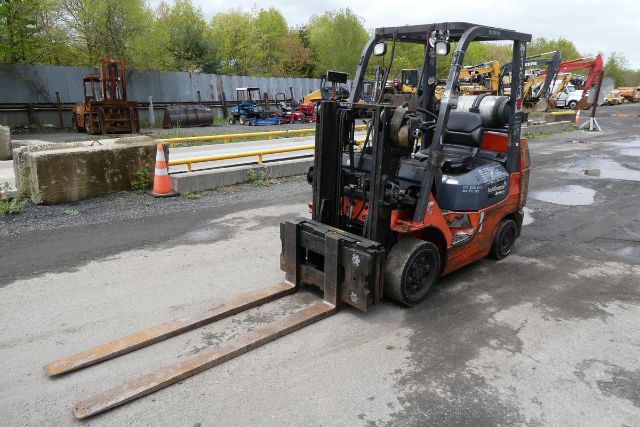
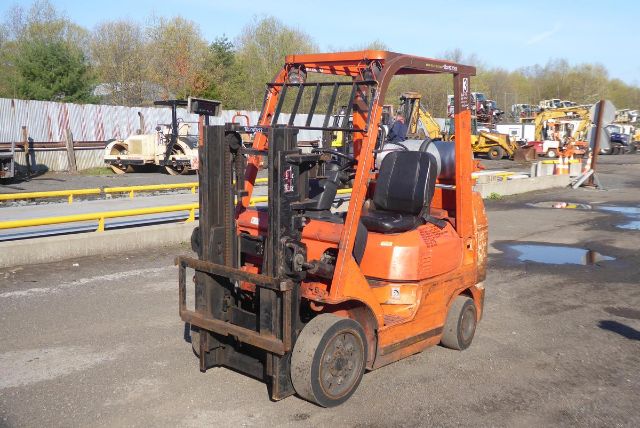
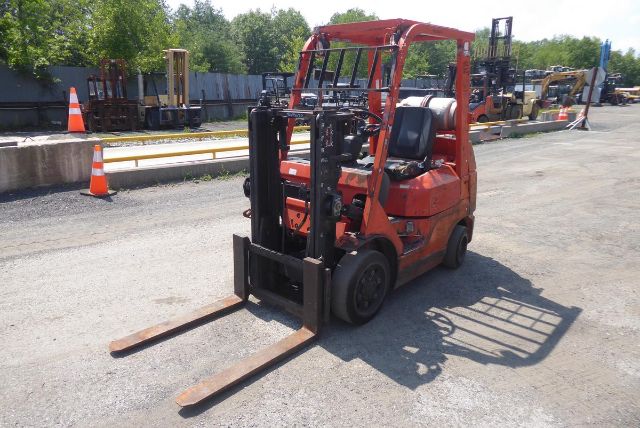
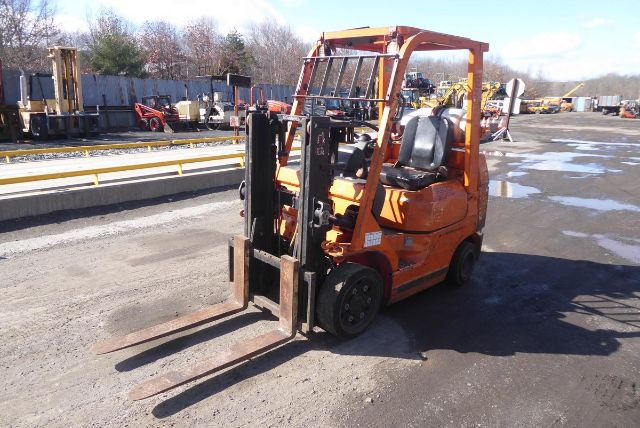
Selling a used 2004 toyota equipment? List your used 2004 toyota equipment for sale and reach thousands of commercial buyers.
Used 2004 Toyota Equipment
The first buying decision is usually mast configuration and lift height. A dual-stage mast is simpler and often preferred where overhead clearance is limited, while a triple-stage mast gives more stacking height for racking systems and tighter warehouse layouts. Check collapsed height, maximum lift height, and back tilt before comparing units. Fork length, carriage class, side shift, and the presence of a 4th valve also matter if the truck will run clamps or other hydraulic attachments. Many used units are sold without forks, so buyers should confirm fork dimensions and carriage compatibility instead of assuming a drop-in replacement.
On a used 2004 Toyota forklift, operating condition matters more than cosmetic appearance. Hour meter readings can vary widely, so pay close attention to cylinder leaks, mast wear, steer axle play, brake function, transmission response, and cold-start behavior. LPG fuel systems should be checked for regulator condition, hose age, and clean running under load. Cushion-tire Toyota forklifts in this class are typically built for smooth concrete surfaces, with compact overall width and tight turning radius that work well around docks and trailers. Solid tires are common, and buyers should inspect them for chunking, flat spots, and uneven wear that may point to alignment or steering issues.
Toyota remains a strong name in the used material handling market because parts availability, service familiarity, and resale value are generally better than many lesser-known brands. A 2004 model can still be a cost-effective choice if the truck has been maintained and the specifications match the application. Buyers should compare capacity at height, mast type, overall lowered height, fuel type, attachment needs, and service history before deciding. For dock and warehouse fleets that need a proven indoor lift truck, a used 2004 Toyota forklift is still a relevant option.
Frequently Asked Questions about Used 2004 Toyota Equipment
What type of Toyota trucking equipment is most common from 2004 in this category?
The most common 2004 Toyota equipment in this type of listing is a forklift, especially an LPG-powered cushion-tire unit used for warehouse and dock work. Models such as the Toyota 7FGCU25 are widely recognized in freight, distribution, and manufacturing environments for handling pallets, loading trailers, and working in confined indoor spaces. These are not highway trucks. They are material handling machines used around terminals, warehouses, and industrial yards.
What should I inspect first on a used 2004 Toyota forklift?
Start with the mast, hydraulics, brakes, and driveline. Check for leaking lift and tilt cylinders, chain wear, mast rail play, smooth lift operation, and consistent forward-reverse engagement. Confirm the parking brake and service brakes work correctly, because brake issues are common on older warehouse lifts. On LPG units, inspect the fuel system, regulator, and lines, and listen for clean idle and smooth acceleration under load. Tire condition and steer axle wear also tell a lot about how the forklift was maintained.
Is a 2004 Toyota forklift still a good buy for warehouse use?
It can be, provided the truck has solid maintenance history and the specifications fit the job. Toyota forklifts from this era are known for durability, straightforward serviceability, and broad parts support. A well-kept unit can still perform reliably in loading dock and warehouse applications. The key is to buy based on mechanical condition, mast height, capacity, and attachment compatibility rather than age alone.
What lift capacity is typical on a used 2004 Toyota forklift?
Many used 2004 Toyota forklifts in this class are rated around 4,000 to 5,000 pounds, with popular models landing near the 4,300 to 4,500 pound range. Buyers should verify the actual data plate because rated capacity changes with mast height, load center, and installed attachments. If the forklift will handle heavier or higher loads, the capacity at full lift is more important than the base rating shown in a generic model description.
Why do mast type and lowered height matter so much on used forklifts?
Mast type affects both stacking performance and building clearance. A dual-stage mast is often adequate for basic dock work and may have a lower maintenance profile, while a triple-stage mast allows higher lift in warehouses with racking. Lowered mast height is critical if the forklift must pass through doors, trailers, or low-clearance areas. A truck with the wrong mast can create daily access problems even if the engine and hydraulics are in good condition.