
Used 2008 Toyota Equipment For Sale in New York
Browse used 2008 Toyota equipment for sale, including Toyota forklifts known for durable LP power, solid lift capacity, and warehouse-ready handling.
Selling a used 2008 toyota equipment? List your used 2008 toyota equipment for sale and reach thousands of commercial buyers.
Used 2008 Toyota Equipment in New York
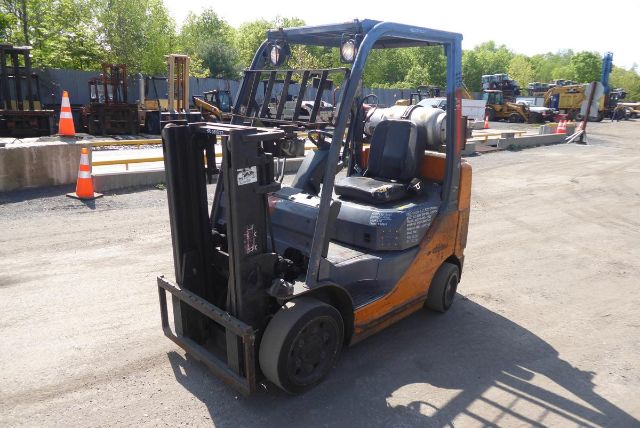
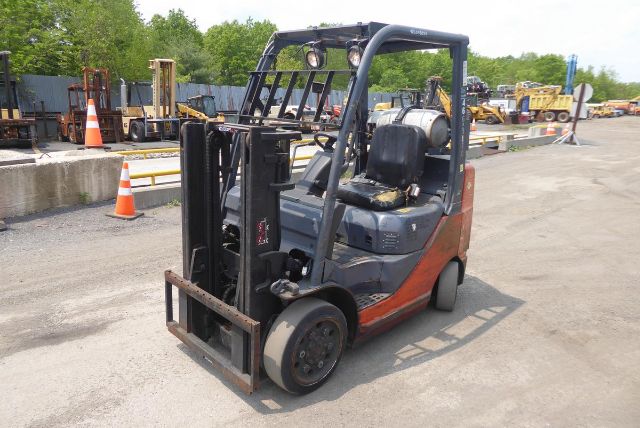
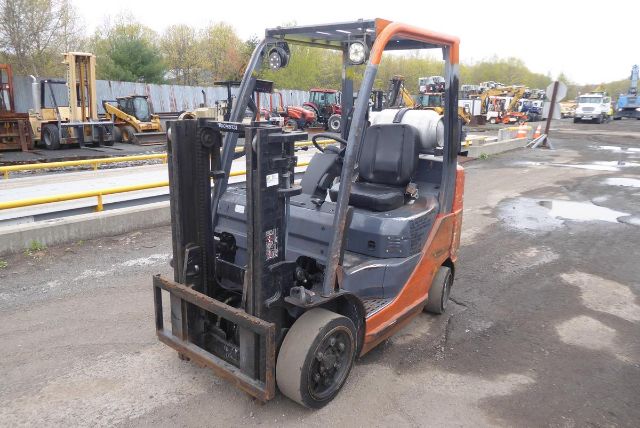
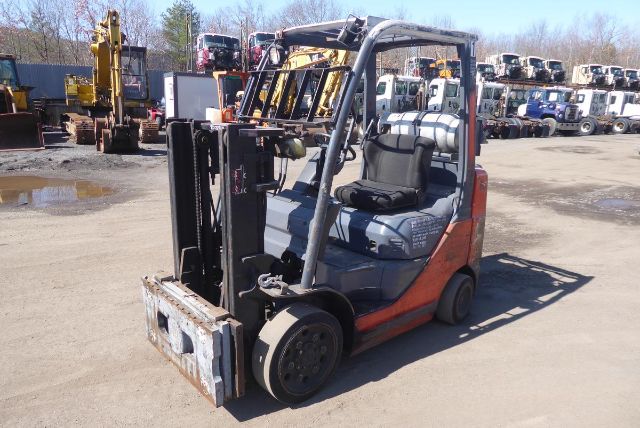
The most important buying decision is usually mast and attachment configuration, not just rated capacity. A dual-stage mast can be a good fit for lower-clearance work and straightforward pallet handling, while a triple-stage mast offers much more lift height for racking and stacking in tighter warehouse environments. Side shift is one of the most useful options on a used Toyota forklift because it speeds up pallet placement and reduces repositioning. A 4th valve matters if the truck will run clamps or other hydraulic attachments. Fork length, fork thickness, back tilt, carriage condition, and whether forks are included should all be verified because those details affect both productivity and replacement cost.
Powertrain and wear items deserve close attention on a 2008 Toyota unit. Many of these forklifts use Toyota 4-cylinder propane engines in the 2.2L range paired with automatic or Monotrol-style directional controls. On a used machine, hour meter readings are helpful but should not be treated as the only measure of condition. Buyers should inspect cold-start behavior, idle quality, hydraulic response, mast rail wear, chain stretch, steer axle looseness, brake performance, and signs of leakage at lift and tilt cylinders. Solid pneumatic-style or cushion tires are common in this class, and tire wear can quickly signal how the truck was used and how much immediate service it may need.
For New York buyers, warehouse aisle space, trailer loading frequency, and building height are practical factors that should drive the purchase more than brand alone. A compact Toyota forklift with LP power is well suited to indoor operations where maneuverability and fast refueling matter. If the truck will spend time on rougher yard surfaces, buyers should confirm tire type, ground conditions, and actual application before choosing a cushion-tire model. Toyota equipment from this era remains popular because parts support is strong and most technicians are familiar with the platform, which helps keep ownership predictable when the unit has been maintained correctly.
Frequently Asked Questions about Used 2008 Toyota Equipment in New York
What should I check first on a used 2008 Toyota forklift?
Start with the mast, hydraulics, and fuel system. Check for chain wear, mast rail play, cylinder leaks, smooth lift and tilt operation, and stable steering and braking. On propane models, inspect the regulator, hoses, and overall engine response during cold start and under load. Also confirm whether the hour meter is believed to be accurate, because condition and service history matter more than the displayed hours alone.
Is a 2008 Toyota forklift good for warehouse use?
Yes, many 2008 Toyota forklifts are well suited for warehouse and dock work, especially cushion-tire models in the 4,000 to 5,000 pound class. Their compact footprint, LP power, and responsive controls make them practical for indoor aisles, trailer loading, and pallet movement. The right mast height and attachment setup are critical, because warehouse performance depends heavily on rack height, overhead clearance, and turning space.
What lift capacity is common on used Toyota forklifts from this year range?
A common range is roughly 3,800 to 5,000 pounds, depending on the exact model, mast, and attachment package. Buyers should remember that actual usable capacity can change with lift height, load center, side shift, clamp installation, and fork dimensions. Always verify the data plate on the truck, because the rated capacity on the plate is more important than the model family alone.
Are propane Toyota forklifts expensive to maintain?
Maintenance costs are usually manageable if the truck has been serviced on schedule and the major wear items are still in good shape. Propane Toyota forklifts are widely supported in the market, and many service shops know the engines, transmission controls, and hydraulic systems well. Costs rise when buyers overlook mast wear, neglected cooling systems, tired tires, brake issues, or fuel system problems at the time of purchase.
What is the difference between a dual-stage and triple-stage mast on a used Toyota forklift?
A dual-stage mast is simpler and often preferred for lower lift applications where overhead clearance is not a major issue. A triple-stage mast provides higher lift height while keeping the collapsed height lower, which helps in warehouses with door and ceiling restrictions. The tradeoff is that triple-stage setups add complexity and should be checked carefully for smooth operation, chain condition, and hydraulic performance.