
Used Mitsubishi Equipment For Sale
Browse used Mitsubishi trucking equipment, including reliable forklifts with LPG power, 5,000 lb capacity, side shift, and warehouse-ready specs.
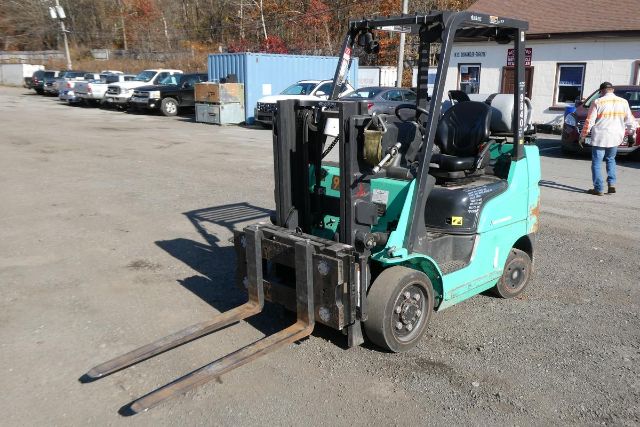
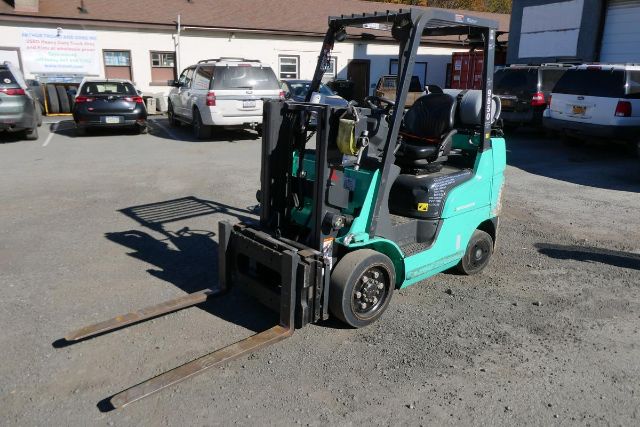
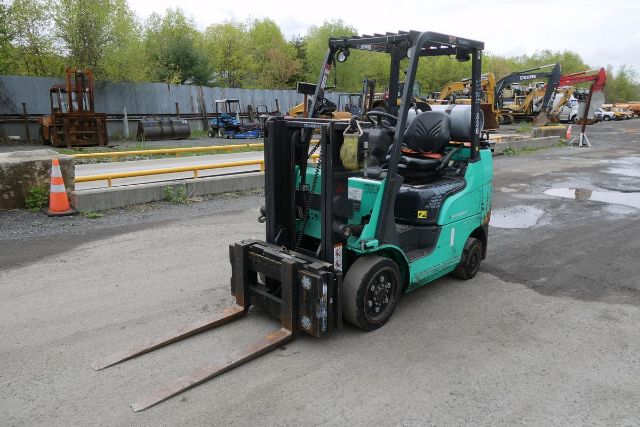
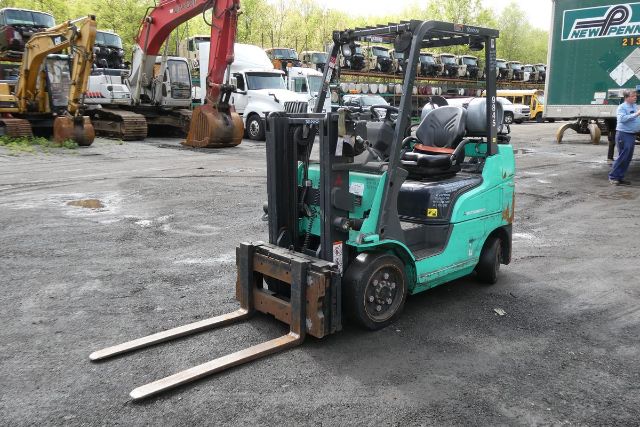
Selling a used mitsubishi equipment? List your used mitsubishi equipment for sale and reach thousands of commercial buyers.
Used Mitsubishi Equipment
One of the first decisions is fuel type and operating environment. Many used Mitsubishi forklifts on the market are LPG, sometimes called propane forklifts, which are popular because they offer consistent power, fast refueling, and strong suitability for mixed indoor-outdoor use when ventilation is adequate. Buyers should pay close attention to rated capacity, load center, mast configuration, lowered height, and max lift height. A truck with a dual-stage mast, hydraulic side shift, and solid cushion tires is usually aimed at smooth-surface warehouse work, trailer loading, and tight aisle maneuvering rather than rough outdoor yards.
On used units, condition matters more than paint. Hour meter readings help, but the better indicators are mast and carriage wear, fork heel thickness, chain condition, lift and tilt cylinder seepage, steer axle play, brake response, and cold-start behavior. Transmission engagement in forward and reverse should be smooth and immediate. If the forklift has side shift, test it under load and check for drift. Tire type is also important. Cushion tires are common on warehouse forklifts because they keep the truck compact and stable on concrete, while pneumatic tires are better for broken pavement and outdoor surfaces. Overall dimensions, truck weight, and fork length should match the trailers, dock plates, rack clearances, and pallet sizes used in your operation.
Mitsubishi forklifts have a solid reputation for straightforward controls, dependable drivetrains, and predictable parts support, which makes them a sensible option in the used market. For trucking-related use, buyers should think beyond lift capacity alone and match the unit to dock height, trailer floor conditions, turning radius requirements, and shift intensity. A used Mitsubishi forklift with the right mast, side shift, and tire setup can improve loading speed, reduce product damage, and handle repeated dock work without moving into a heavier and more expensive class than the job requires.
Frequently Asked Questions about Used Mitsubishi Equipment
What is the most common application for used Mitsubishi trucking equipment?
The most common application is freight and pallet handling around docks, warehouses, terminals, and distribution centers. In many cases, used Mitsubishi trucking equipment refers to forklifts used to load and unload trailers, stage pallets, move product in warehouse aisles, and support daily shipping operations. Mid-capacity units around 5,000 lbs are especially common because they cover a wide range of general freight tasks without the size and cost of a heavier lift truck.
Are used Mitsubishi forklifts better suited for indoor or outdoor use?
That depends mainly on the tire type and fuel setup. Many Mitsubishi forklifts in this segment use cushion tires and LPG power, which makes them well suited for indoor warehouse floors, loading docks, and paved areas around a terminal. Cushion-tire forklifts perform best on smooth concrete and in tighter spaces. If your operation includes uneven pavement, gravel, or outdoor yard work, a pneumatic-tire forklift is usually the better choice.
What should I inspect first on a used Mitsubishi forklift?
Start with the mast, carriage, forks, hydraulics, and transmission performance. Check for chain wear, cylinder leaks, carriage looseness, uneven fork wear, and mast binding through the full lift range. Then confirm smooth engagement in forward and reverse, consistent braking, responsive steering, and proper side shift function if equipped. Hours matter, but actual mechanical condition and service history are more important than the meter alone.
Is a 5,000 lb Mitsubishi forklift enough for trailer loading?
For many standard palletized freight applications, yes. A 5,000 lb forklift is one of the most common classes for loading and unloading dry vans and working warehouse docks. The key is not just the rated number on the data plate, but the actual load center, pallet dimensions, product height, and attachment setup. Capacity drops when the load center increases or when certain attachments are installed, so buyers should match the truck to the real loads being handled.
Why is side shift important on a used warehouse forklift?
Side shift allows the operator to move the forks left or right without repositioning the whole truck. That saves time when entering pallets in tight trailer interiors, lining up loads in racking, and correcting placement at the dock. In high-cycle freight handling, side shift improves efficiency and reduces minor pallet and product damage. It is one of the most valuable hydraulic options on a used forklift intended for trucking and warehouse support work.