
Used Mitsubishi Equipment For Sale in New York
Used Mitsubishi trucking equipment for sale in New York, including durable forklifts and material-handling units built for warehouse and yard work.
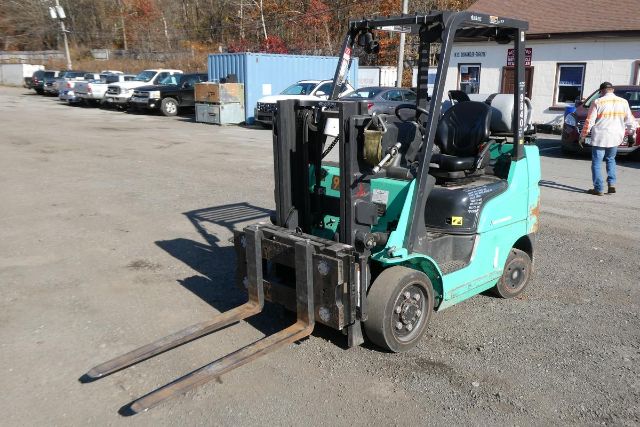
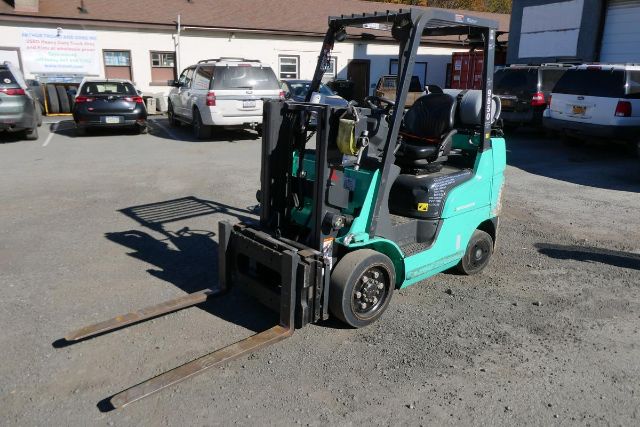
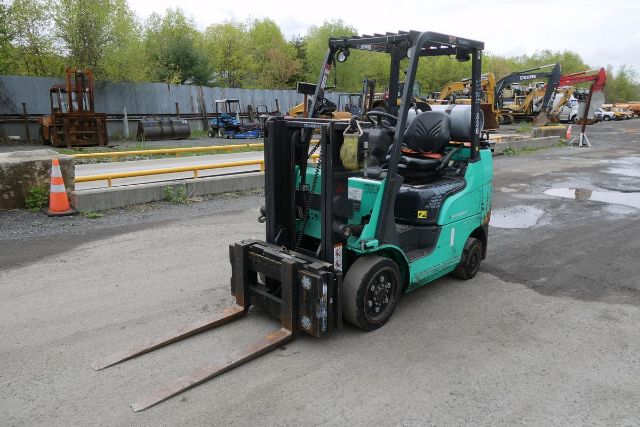
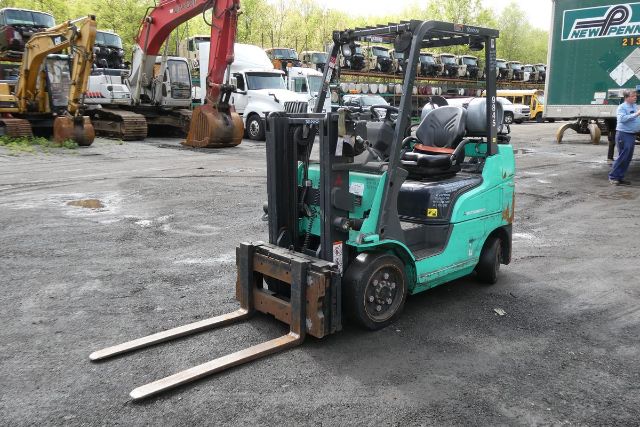
Selling a used mitsubishi equipment? List your used mitsubishi equipment for sale and reach thousands of commercial buyers.
Used Mitsubishi Equipment in New York
On used Mitsubishi forklifts, mast configuration matters as much as rated capacity. Buyers should look closely at lowered mast height, maximum lift height, free lift, and whether the unit has a duplex or triplex mast. For indoor warehouse work in older Northeast buildings, overall height can be the limiting factor. Side shift is a valuable feature because it speeds up pallet placement and reduces repositioning. Backtilt angle, fork length, carriage class, and hydraulic response also affect day-to-day productivity more than headline specs alone. Solid tires are common on indoor units and generally hold up well on concrete, while pneumatic tires are the better fit for mixed yard surfaces, uneven pavement, or outdoor lumber and building-material applications.
Condition on a used Mitsubishi unit should be judged by more than the hour meter. Buyers should inspect mast rails, lift chains, tilt cylinders, steer axle play, brake feel, transmission engagement, and signs of hydraulic seepage around hoses and control valves. On LP models, fuel system condition, regulator performance, and cold-start behavior are worth checking, especially in New York winters. Fork wear, heel thickness, and carriage slack can tell you a lot about how the machine was used. If the forklift will spend time loading trailers, confirm the truck floor height, dock plate usage, turning radius, and overhead clearance requirements before focusing only on price.
Mitsubishi equipment has long been a practical choice for fleets and facilities that need straightforward controls, dependable parts support, and predictable operating costs. For buyers comparing used Mitsubishi forklifts, the best value usually comes from matching the machine to the actual load center, aisle width, surface conditions, and shift length. A 5,000 lb forklift with a clean mast, dry hydraulics, stable idle, and properly sized forks will generally outperform a higher-capacity machine that is oversized for the application. In a market like New York, where indoor storage, dock access, and tight maneuvering space are common concerns, compact dimensions and attachment compatibility can be just as important as lift rating.
Frequently Asked Questions about Used Mitsubishi Equipment in New York
What types of used Mitsubishi trucking equipment are most common in this category?
The most common used Mitsubishi units in this category are forklifts and other material-handling machines used in freight, warehouse, and yard operations. Buyers frequently see LP gas forklifts in the 5,000 lb class because they are well suited for palletized freight, dock loading, trailer unloading, and general facility support. Depending on the application, Mitsubishi equipment may include cushion-tire models for indoor concrete floors or pneumatic-tire models for mixed indoor and outdoor use.
What should I check first on a used Mitsubishi forklift?
Start with the mast, hydraulics, and drivetrain. Check for chain wear, mast binding, cylinder leaks, fork heel wear, side shift operation, smooth transmission engagement, and brake response. Then verify the hour meter against the machine’s overall wear, including pedal condition, steering looseness, and carriage play. On LP gas models, inspect the fuel system and confirm that the engine starts cleanly, idles steadily, and responds without hesitation.
Is a 5,000 lb Mitsubishi forklift enough for most trucking and warehouse work?
A 5,000 lb Mitsubishi forklift is enough for many standard freight and warehouse applications, especially when handling conventional pallets, crated freight, and dock loading tasks. The key is not just rated capacity but actual load center, fork length, and lift height. If loads are longer, wider, or carried at a greater load center than standard, usable capacity drops. Buyers should match the forklift’s data plate to the real freight profile instead of relying only on the headline rating.
Are cushion tires or pneumatic tires better on used Mitsubishi equipment?
Cushion tires are generally better for indoor warehouse use on smooth concrete because they keep the machine compact and maneuverable in tighter aisles. Pneumatic tires are the better choice for outdoor yards, rough pavement, gravel, or transitions between warehouse and yard work. In New York, where buyers may deal with mixed surfaces, winter conditions, and older loading areas, tire type should be chosen based on where the machine will spend most of its time.
Why does mast height matter when buying used Mitsubishi forklifts in New York?
Mast height matters because many facilities in New York have older buildings, lower door openings, tight dock approaches, and limited interior clearance. A forklift may have the right capacity but still be a poor fit if the lowered mast height is too tall for the building or trailer environment. Buyers should verify lowered height, maximum lift height, and free lift before purchase so the machine can enter the work area and still stack or load at the required height.