
Water Trucks For Sale in Colorado
Water trucks for dust control, road maintenance, and site support in Colorado, with key tank, pump, spray, chassis, and GVWR considerations.
No exact matches found for your search
Showing Water Trucks instead.
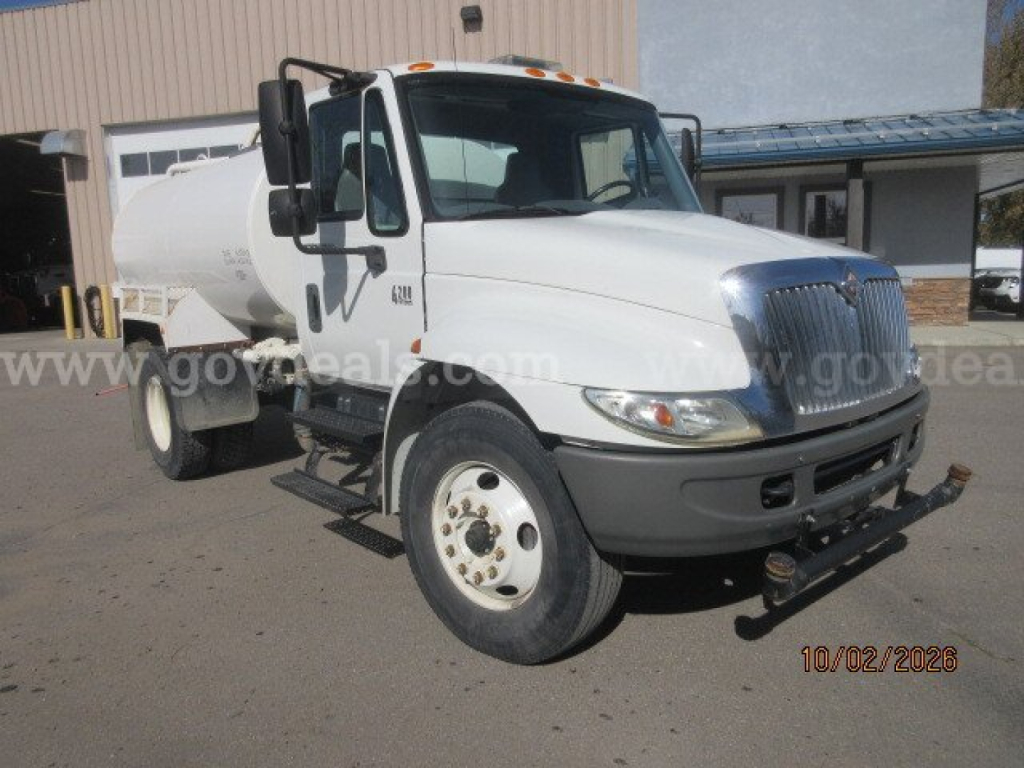
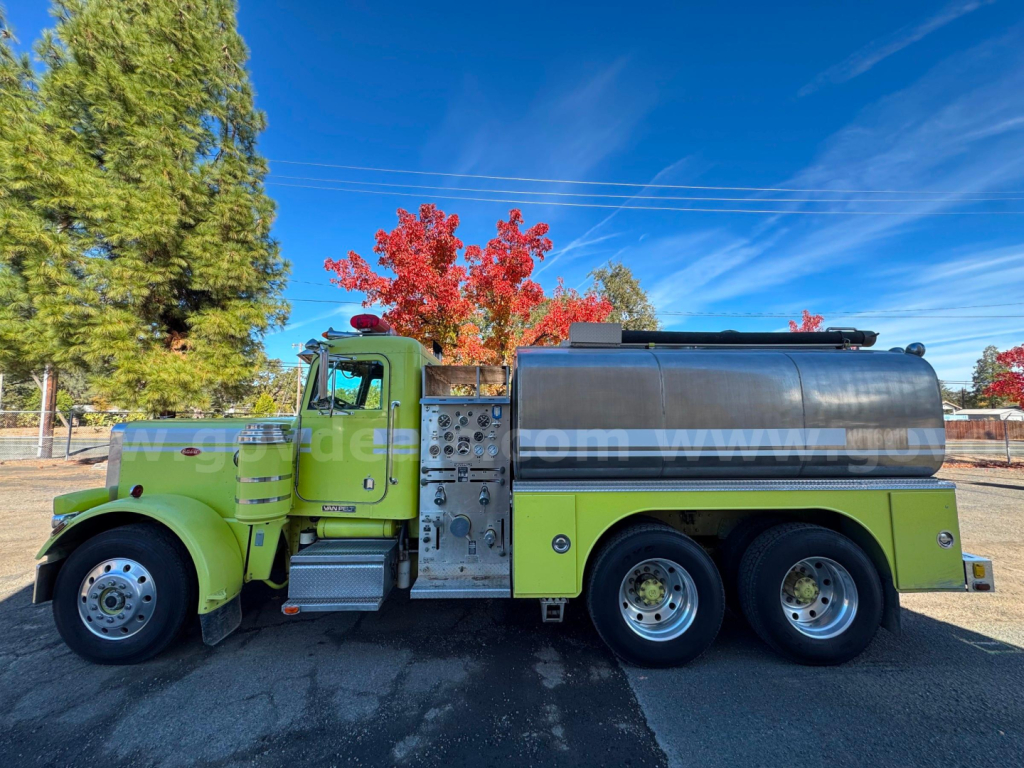
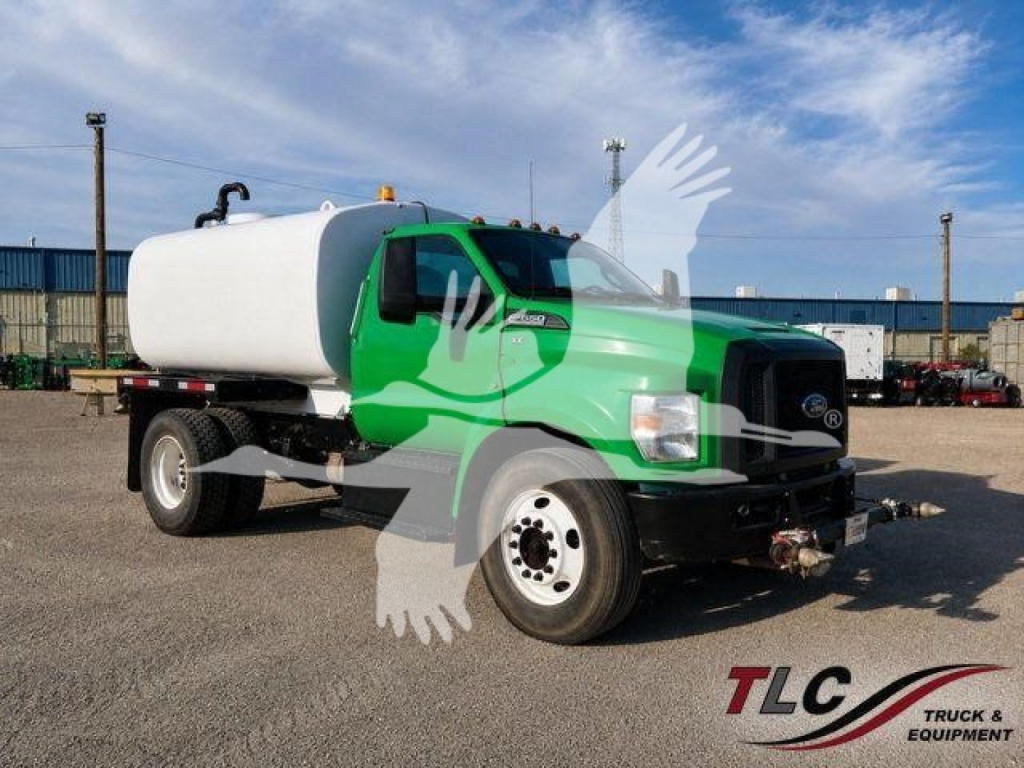
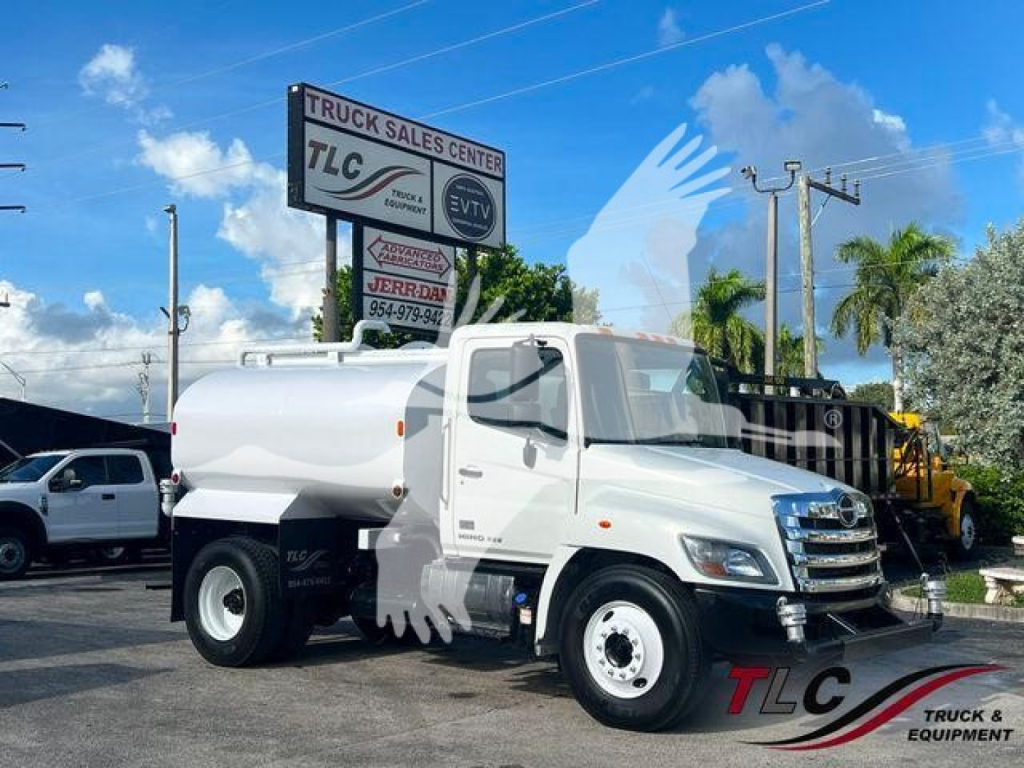
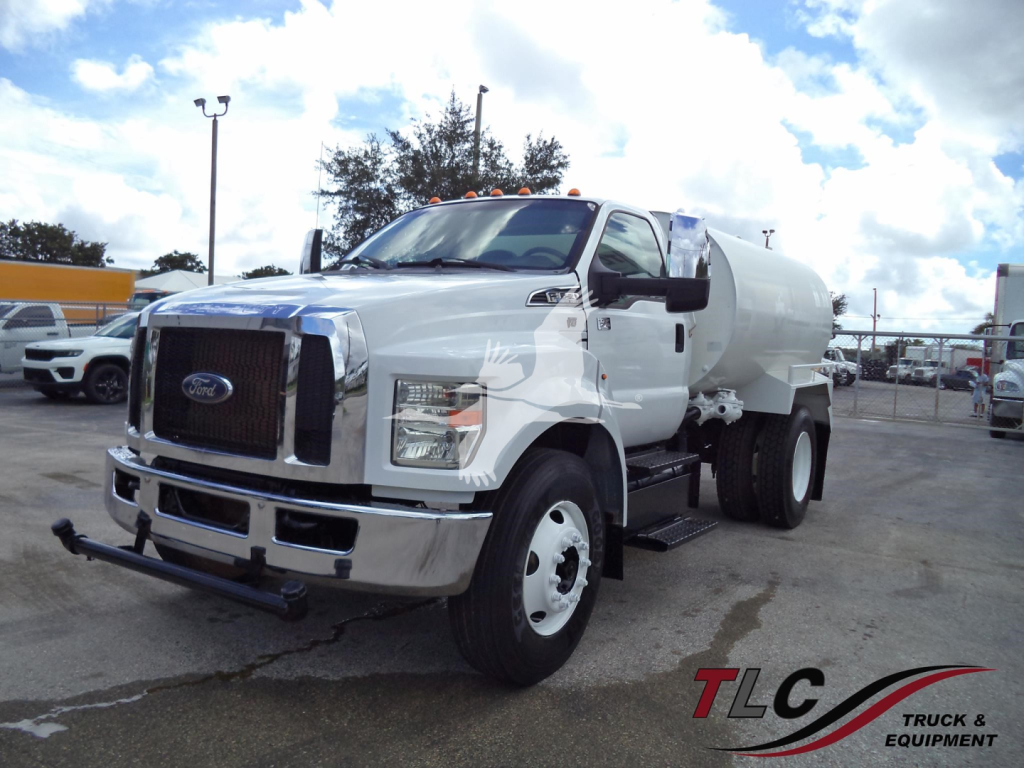
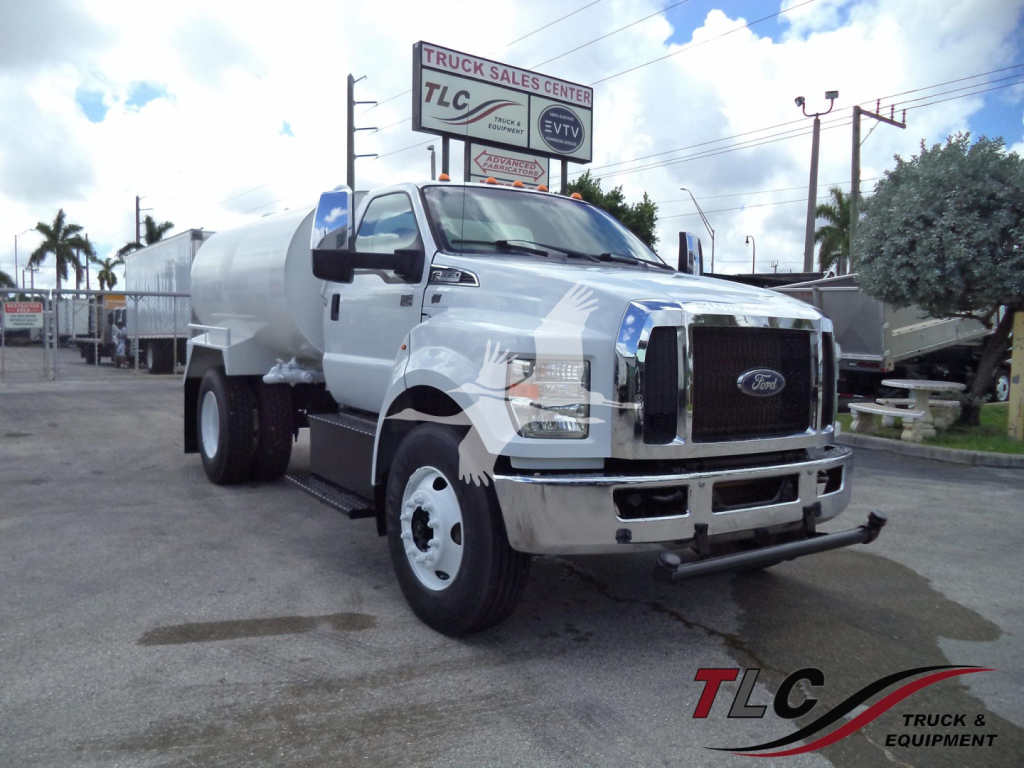
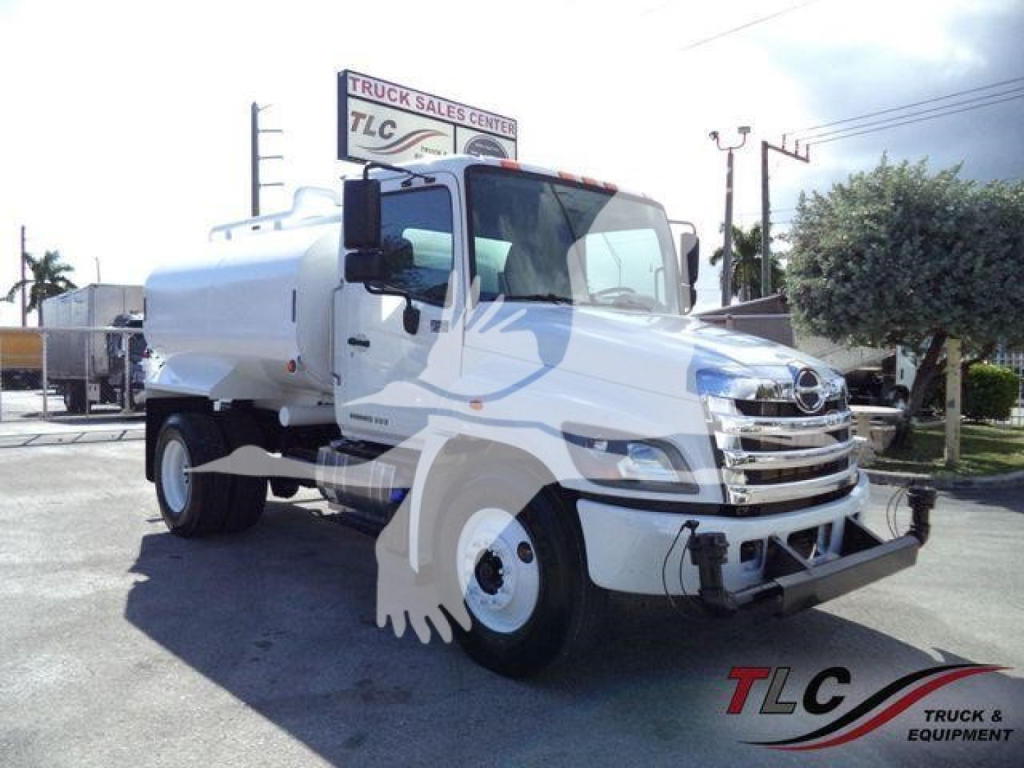
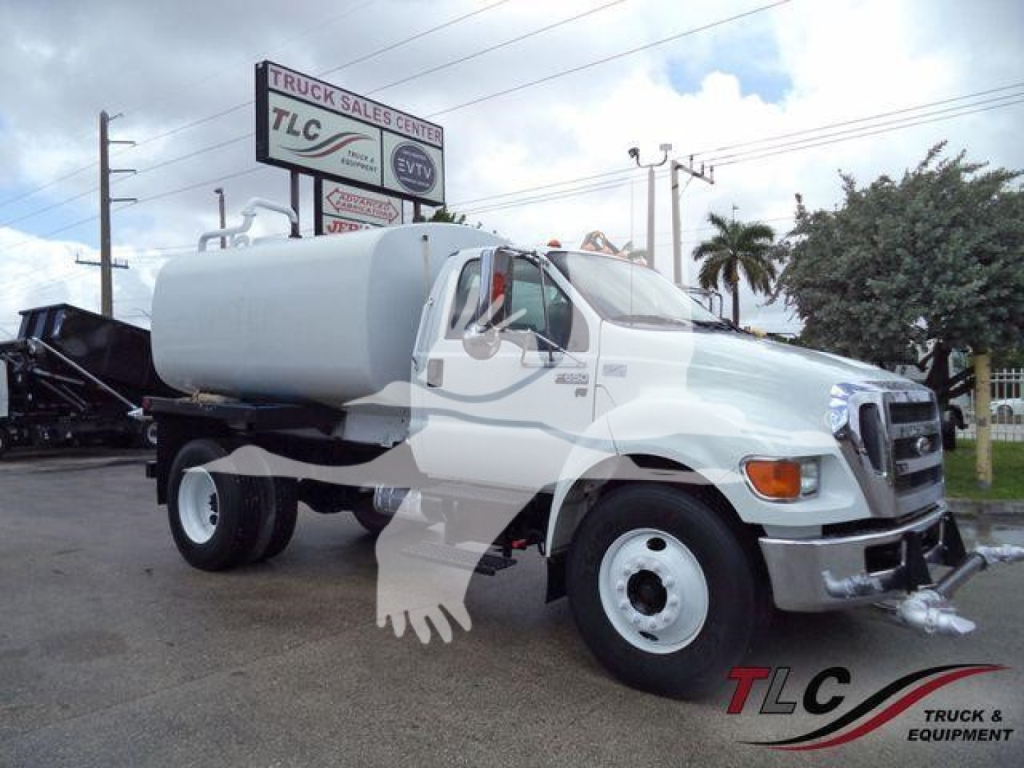
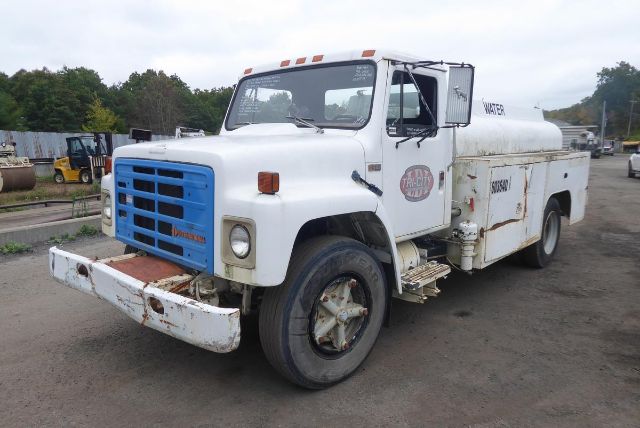
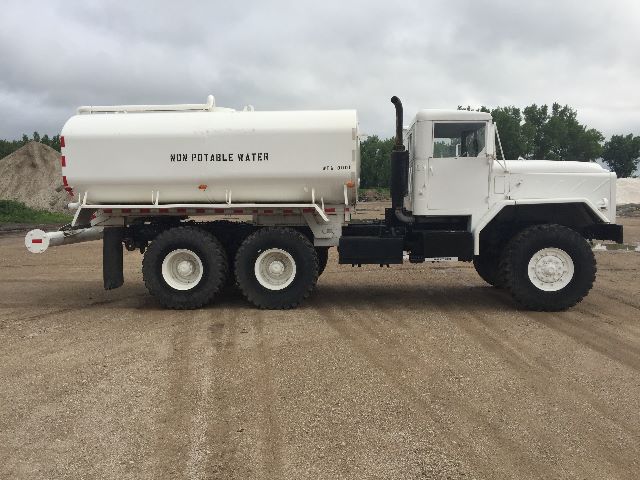
Selling a water truck? List your water truck for sale and reach thousands of commercial buyers.
Water Trucks in Colorado
Tank size is one of the first decisions because it affects route time, payload, and chassis class. Smaller units around 2,000 gallons fit well on Class 6 and Class 7 chassis for tighter urban work and lighter site access, while larger tandem axle water trucks can carry significantly more volume for production jobs. Spray configuration matters just as much as capacity. Front bumper sprays are useful for road wetting, rear sprays help with lane coverage and dust suppression, and side or back-of-cab nozzles add flexibility around shoulders, pads, and work zones. Many setups also include a water cannon, gravity spray, suction fill capability, hose reels, and quick-fill plumbing depending on the job.
Chassis and drivetrain specs should match the terrain and duty cycle. Medium-duty water trucks commonly run diesel engines in the 250 to 350 horsepower range with automatic transmissions such as an Allison for stop-and-go site work. GVWR, axle ratings, wheelbase, and suspension design directly affect legal payload and stability once the tank is full. Buyers working in hilly areas or on unpaved access roads should pay close attention to rear axle ratio, brake spec, tire capacity, and turning radius. A baffled tank is important because it helps control water surge during braking and cornering, which improves handling and driver confidence.
The best water truck for sale is usually the one with the right spray package, pump performance, and tank construction for the work, not simply the biggest tank. Look closely at pump flow rate, plumbing layout, corrosion protection, in-cab controls, sight gauges, and cleanout access. Cold-weather use in Colorado can make winterization features, drain points, and pump protection especially important. For municipal and contractor fleets, serviceability also matters. Buyers often prefer common engine platforms, accessible PTO and pump components, and body builders with proven replacement part support.
Frequently Asked Questions about Water Trucks in Colorado
What size water truck is best for dust control and jobsite use?
The right size depends on haul distance, refill access, and how continuously the truck needs to spray. A 2,000-gallon water truck is a common choice for tighter construction sites, city work, and shorter cycles because it keeps overall weight and wheelbase manageable. Larger water trucks increase productivity on long private roads, mines, and large earthmoving projects, but they also require more chassis capacity, more room to maneuver, and closer attention to axle weights when fully loaded.
What spray features should buyers look for on a water truck?
Most buyers should start with front, rear, and side spray functions because those cover the majority of dust control and road wetting tasks. A front spray bar helps with forward application, rear sprays provide lane coverage behind the truck, and side sprays help treat shoulders or edges. Hose reels, suction fill systems, gravity discharge, and a water cannon add versatility for washing equipment, filling tanks, or targeting specific areas. The best setup depends on whether the truck will spend more time on roads, active jobsites, or municipal maintenance routes.
Why are baffles important in a water truck tank?
Baffles reduce water surge inside the tank during acceleration, braking, and turning. Without adequate baffling, a partially full tank can shift load suddenly and affect handling, stopping distance, and driver control. This is especially important on uneven ground, mountain grades, and curving roads. A well-baffled tank improves safety and makes the truck feel more stable throughout the day as the water level changes.
Are medium-duty chassis suitable for water truck applications?
Yes, many water trucks are built on medium-duty chassis, especially in the 2,000-gallon range. A Class 6 or Class 7 platform can be a strong fit for contractors, municipalities, and landscape suppliers that need a balance of payload, maneuverability, and lower operating cost. The key is matching tank volume and body weight to GVWR, axle ratings, suspension, and brake capacity. Buyers should confirm that the truck can legally and safely carry a full load of water with the installed spray equipment and any additional tools or hose gear.
What should Colorado buyers consider when shopping for a water truck?
Colorado buyers should pay close attention to gradeability, braking, and cold-weather protection. Elevation and mountain terrain can make horsepower, rear axle ratio, and transmission choice more important than they might be on flatter routes. Seasonal freezing also makes drain valves, pump winterization, and easy tank cleanout valuable features. On dry sites, dust control effectiveness matters, so spray pattern, pump output, and the ability to maintain even coverage over rough ground should be evaluated carefully.