
Water Trucks For Sale in California
Browse water trucks for sale in California, including municipal, dust-control, washdown, and jetting units with PTO pumps, spray heads, and tank options.
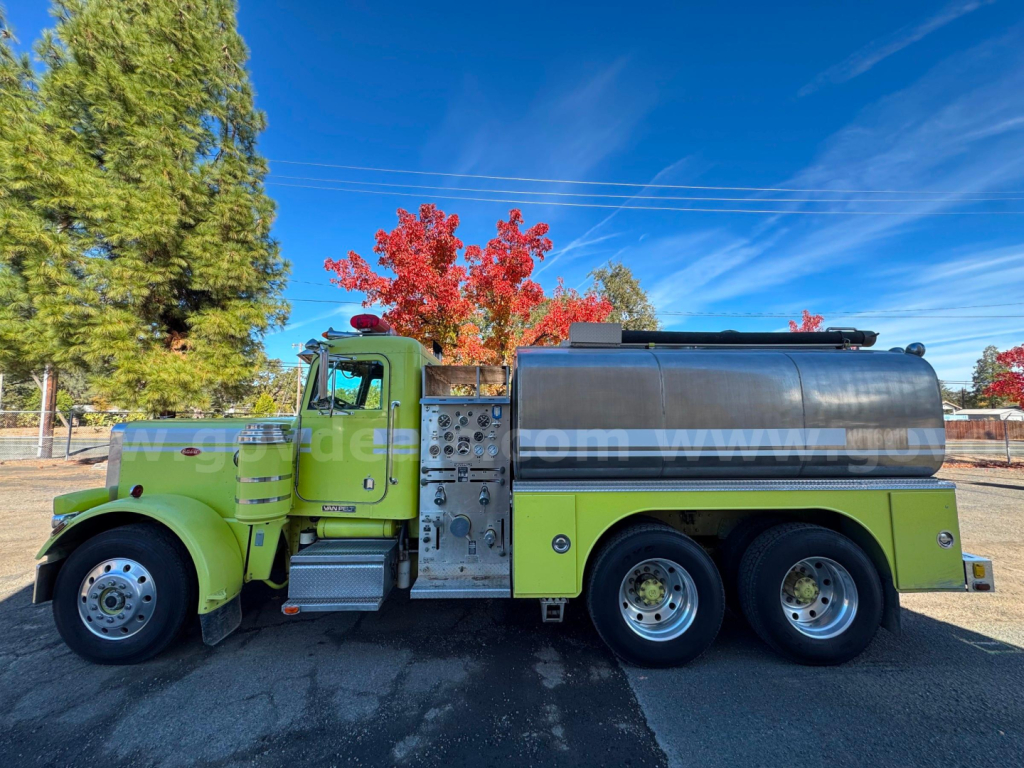
Selling a water truck? List your water truck for sale and reach thousands of commercial buyers.
Water Trucks in California
Tank size is usually the first decision point. Lighter-duty water trucks may carry a few hundred gallons for washdown, sewer jetting, or municipal maintenance, while full-size dust-control trucks often run several thousand gallons on Class 7 or Class 8 chassis. Buyers should also look closely at tank material, baffling, and weight distribution, especially if the truck will spend time off-road or on uneven jobsites. A proper baffled tank improves stability by reducing water surge, and axle ratings matter because a full tank adds a substantial payload load that can quickly push a truck to its limits.
Pump and spray configuration will tell you what the truck is truly built to do. Dust-control trucks typically use PTO-driven or hydraulic pumps with front, side, and rear spray heads, hose reels, and sometimes water cannons for wider coverage. Utility and municipal units may be set up with pressure washers or jetting systems rated by PSI and GPM, with hose capacities sized for line cleaning, washdown, or facility maintenance. In California, emissions compliance, idle restrictions, and operating in urban versus off-highway environments can also affect what chassis, engine year, and auxiliary equipment make the most sense.
A careful buyer will check the condition of the tank interior, pump seals, plumbing, valves, hose reels, and spray controls just as closely as the engine and transmission. Corrosion, leaks, worn nozzles, and neglected pumps can turn an otherwise solid truck into a maintenance project. It also helps to confirm water source fill options, rear and side discharge layouts, brake type, transmission choice, and whether the truck is spec'd for CDL operation. For buyers comparing water trucks for sale, the best value usually comes from matching the tank, pump, and chassis to the actual application instead of paying for capacity or pressure that will never be used.
Frequently Asked Questions about Water Trucks in California
What is the most important spec to compare on a water truck?
Tank capacity is usually the first number buyers compare, but pump output and spray configuration are just as important. A truck with a large tank but limited pump performance may be fine for basic watering, while dust suppression, street flushing, or jetting work often requires specific GPM, PSI, hose reel capacity, and nozzle layouts. The best comparison is the complete system: tank size, baffling, pump type, discharge options, and chassis weight ratings.
What are water trucks commonly used for in California?
Water trucks in California are commonly used for dust control on construction and aggregate sites, road and street flushing, landscape watering, municipal washdown, and utility maintenance. Some units are configured as jetter trucks or pressure-wash trucks for sewer, drain, and facility cleaning. Regional use matters because a truck working in urban municipal service may need a very different pump, plumbing, and emissions profile than a truck running off-road in quarry or fire-support applications.
How do I choose between a standard water truck and a jetter or washdown unit?
A standard water truck is built to transport and distribute water through spray heads, gravity discharge, or a water cannon, making it better for dust suppression and general watering. A jetter or washdown unit uses a higher-pressure pump system, hose reel, and specialized plumbing for cleaning, line jetting, or maintenance work. If the main job is surface coverage, a standard water truck makes more sense. If the work involves pressure cleaning or utility lines, a jetter-style setup is the better fit.
What should I inspect on a used water truck before buying?
Inspect the tank for corrosion, cracks, patch repairs, and functional baffling. Check the pump, PTO or hydraulic drive, valves, plumbing, spray heads, nozzles, and hose reels for leaks, wear, and consistent operation. On the truck side, verify axle ratings, suspension condition, brake system, transmission performance, and signs that the chassis has been overloaded. A water truck can look presentable and still need expensive pump or tank work, so the water system deserves as much attention as the drivetrain.
Do all water trucks require a CDL?
Not all water trucks require a CDL, but many do once tank size and chassis class increase. CDL requirements depend on the truck's GVWR, configuration, and how it is operated. Smaller service trucks with modest tank capacity may fall below CDL thresholds, while larger Class 7 and Class 8 water trucks typically require a properly licensed driver. Buyers should confirm both federal and California-specific operating requirements before putting a truck into service.