
Van Trucks For Sale in North Carolina
Browse van trucks for sale in North Carolina, including cargo and delivery vans with common specs, body lengths, engine options, and work-ready features.
No exact matches found for your search
Showing Van Trucks instead.

Selling a van truck? List your van truck for sale and reach thousands of commercial buyers.
Van Trucks in North Carolina
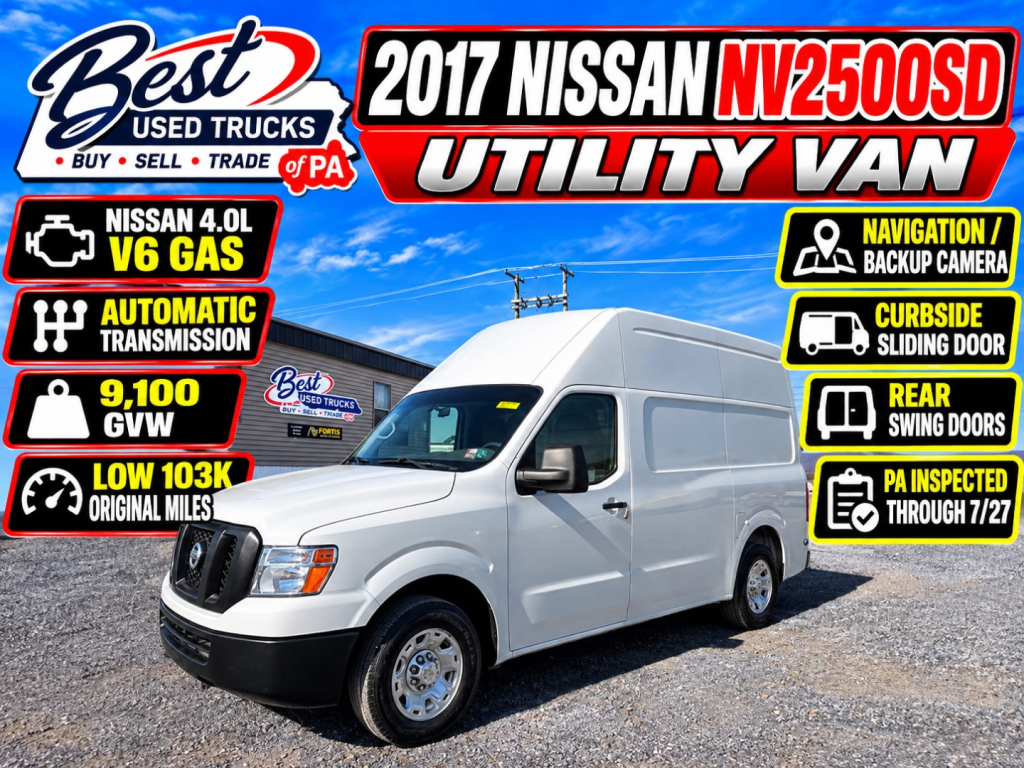
The first decision for most buyers is size. Wheelbase, roof height, and rear cargo length determine how usable the van will be day to day. Common wheelbases in this class run around 144 to 148 inches and up, with roof configurations ranging from standard to high-roof. A longer wheelbase increases cargo capacity and shelving space, but it also affects turning radius and parking convenience. Buyers should also compare curb weight and payload ratings carefully, especially if the van will carry tools, parts bins, ladders, compressors, or palletized freight. Rear door swing, side-door opening width, interior standing height, and tie-down placement all matter more in actual operation than headline horsepower alone.
Powertrain choice usually comes down to gas versus diesel, along with expected mileage, idle time, and service environment. Gas V6 engines are common in mixed-use and lighter-duty applications where acquisition cost and simpler emissions systems are priorities. Diesel vans remain attractive for higher-mileage routes, stronger low-end torque, and fuel economy under load. Automatic transmissions dominate this segment, and most units are built with spring suspension, power steering, air conditioning, and driver convenience features such as cruise control, power windows, and tilt-and-telescoping steering wheels. Tire size, fuel tank capacity, and access to local dealer support should be part of the decision, especially for fleets trying to minimize downtime.
For buyers in North Carolina, van trucks are a practical fit for city delivery in Charlotte, Raleigh, and Greensboro as well as regional service work across mixed urban and rural routes. Rust exposure is often less severe than in northern states, but condition still depends heavily on use history, maintenance records, and how the cargo area was outfitted. Check for bulkheads, shelving, ladder racks, inverter systems, and any signs of hard stop-and-go service. Door hinges, sliding door rollers, rear step bumpers, cargo floor wear, and roof damage from low-clearance contact are common inspection points. A good van truck should match the route, payload, and access requirements of the job without carrying more size, fuel burn, or complexity than the operation needs.
Frequently Asked Questions about Van Trucks in North Carolina
What is the difference between a van truck and a box truck?
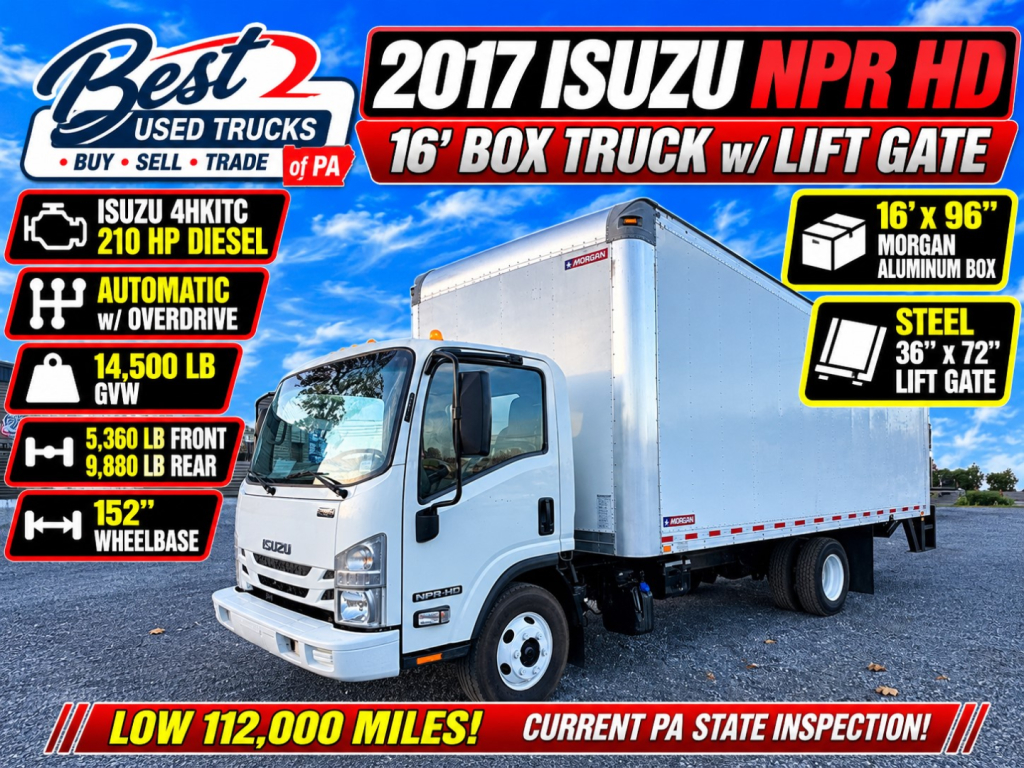
A van truck uses an integrated enclosed body built on a van chassis, while a box truck has a separate cargo box mounted behind a cab. Van trucks are usually easier to maneuver, easier to park, and better suited for service fleets, urban delivery, and jobs that require frequent stops. Box trucks generally offer more cubic capacity and higher payload, but they take up more space and can be less practical in tight routes or residential areas.
Should I choose a gas or diesel van truck?
Gas van trucks are often a strong choice for lighter-duty service work, lower annual mileage, and operations that want lower upfront cost and less emissions-system complexity. Diesel van trucks are often preferred for higher-mileage applications, heavier payloads, and routes where low-end torque and fuel economy under load matter most. The right choice depends on duty cycle, local service support, idle time, and total cost of ownership rather than fuel type alone.
What specs matter most when comparing van trucks for sale?
Wheelbase, roof height, payload rating, cargo length, side and rear door access, engine type, and transmission are the core specs to compare first. Interior layout matters just as much if the van will carry shelving, bins, tools, or long materials. Buyers should also review tire size, fuel tank capacity, maintenance history, and any installed upfits such as ladder racks, bulkheads, or electrical systems, because those features directly affect jobsite usability and operating cost.
Are high-roof vans worth it for commercial use?
High-roof vans are often worth the added cost when technicians need to stand inside the cargo area, organize parts efficiently, or load taller equipment. They improve ergonomics and can speed up service calls because the cargo area is easier to work in. Standard-roof vans may still be the better fit if the route includes parking garages, height restrictions, or applications where overall clearance is more important than interior standing room.
What should I inspect on a used van truck before buying?
Pay close attention to cargo area wear, door operation, roof condition, suspension feel, brake performance, and signs of heavy delivery use. Sliding doors, rear hinges, latches, and step areas often show wear early on. Review service records, scan for engine and transmission faults, and inspect for water leaks, floor damage, and poor-quality aftermarket upfits. On fleet units, idle hours and stop-and-go use can be just as important as the odometer.