
Used Trail-Eze Trailers For Sale
Browse used Trail-Eze trailers built for heavy equipment hauling, with low deck heights, durable frames, and configurations for demanding jobs.
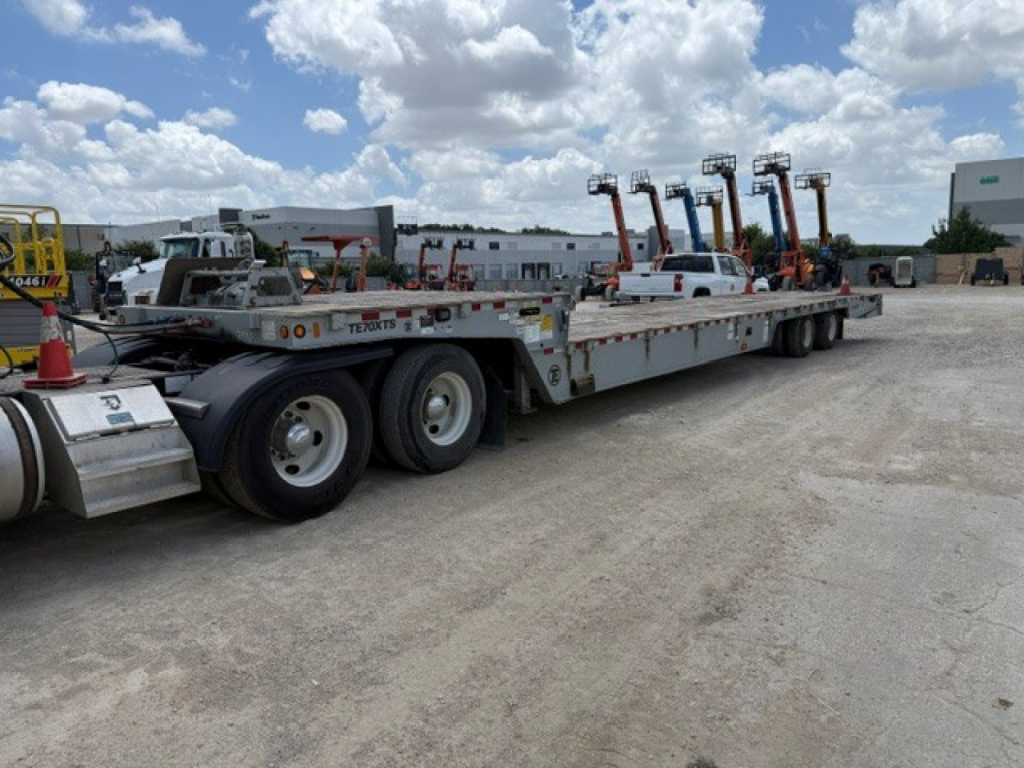
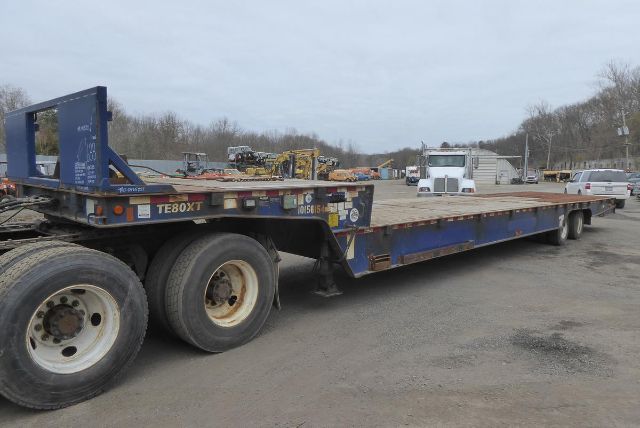
Selling a used trail-eze trailer? List your used trail-eze trailer for sale and reach thousands of commercial buyers.
Used Trail-Eze Trailers
When comparing used Trail-Eze trailers, start with capacity, deck configuration, and loading style. Common considerations include GVWR, deck length, loaded deck height, axle count, axle spacing, and whether the trailer uses a fixed deck, tilt deck, hydraulic tail, or detachable gooseneck design. Buyers should also look closely at ramp angle, beavertail layout, crossmember spacing, apitong or oak flooring condition, and the placement of D-rings or chain slots. On heavier models, suspension type, brake setup, tire size, and the condition of bushings, equalizers, and hubs can tell you a lot about how the trailer was used and maintained.
Trail-Eze trailers are especially attractive to operators who load equipment frequently and want to reduce loading time without giving up durability. A hydraulic tail or tilt configuration can make a noticeable difference when hauling low-clearance machines or rubber-tired equipment that does not like steep ramp angles. For higher-capacity hauling, buyers should pay attention to neck style, deck-in-well dimensions, legal width, and how the trailer fits their tractor, truck, or pintle setup. It is also worth checking for common fleet-friendly features such as LED lighting, toolbox integration, winch provisions, outriggers, traction aids on ramps, and air ride or spring ride depending on the trailer class.
A used Trail-Eze trailer should be evaluated like any working asset. Inspect the frame for repairs, neck and tail sections for cracking or distortion, and the deck for signs of concentrated point loading. Check brake wear, air lines, slack adjusters, wiring, and tire age across every axle. If the trailer has hydraulic components, confirm cylinder condition, pump operation, and any self-contained power unit performance. Buyers who match the trailer’s actual payload range, loading method, and route requirements to the job usually get the best long-term value from this equipment class.
Frequently Asked Questions about Used Trail-Eze Trailers
What are Trail-Eze trailers commonly used for?
Trail-Eze trailers are commonly used for hauling construction and industrial equipment, including skid steers, mini excavators, backhoes, rollers, telehandlers, and other jobsite machines. Depending on the model, they may be configured as tag trailers, lowboys, tilt decks, or hydraulic tail trailers. Their designs are built around frequent loading and unloading, which makes them a strong fit for contractors, rental fleets, paving crews, and utility operators.
What should I inspect first on a used Trail-Eze trailer?
Start with the frame, deck, axles, brakes, and loading components. Look for weld repairs, cracks around stress points, floor damage, worn suspension parts, uneven tire wear, and brake system neglect. On tilt or hydraulic tail models, inspect cylinders, hoses, pins, pivot points, and the operation of the hydraulic system. A trailer can look solid at a glance but still need significant work if the neck, tail, or suspension has been overstressed.
Are hydraulic tail and tilt deck Trail-Eze trailers better than ramp-style trailers?
They can be better for certain applications, especially when loading low-clearance equipment or machines that are loaded several times a day. Hydraulic tails and tilt decks usually provide a gentler load angle and faster loading cycle than traditional stand-up ramps. Ramp-style trailers are often simpler and may be easier to maintain, so the right choice depends on equipment type, loading frequency, and how much value you place on speed versus mechanical simplicity.
How do I choose the right capacity in a used Trail-Eze trailer?
Choose capacity based on the heaviest machine you plan to haul, plus attachments, fuel, and any legal or operational margin you need. Buyers should compare GVWR, axle ratings, deck length, concentrated load capability, and tie-down layout rather than looking at trailer length alone. It also helps to consider the towing vehicle, hitch type, brake requirements, and road regulations in the states where the trailer will operate.
Do Trail-Eze trailers hold value well in the used market?
They generally hold value well when the trailer has been maintained properly and the structure is sound. Buyers tend to pay for clean decks, straight frames, functional hydraulics, and good running gear because those items directly affect uptime and repair cost. Specialized equipment trailers from recognized manufacturers often stay in demand, especially when they are set up for common construction and rental fleet applications.