
Used Rogers Trailers For Sale
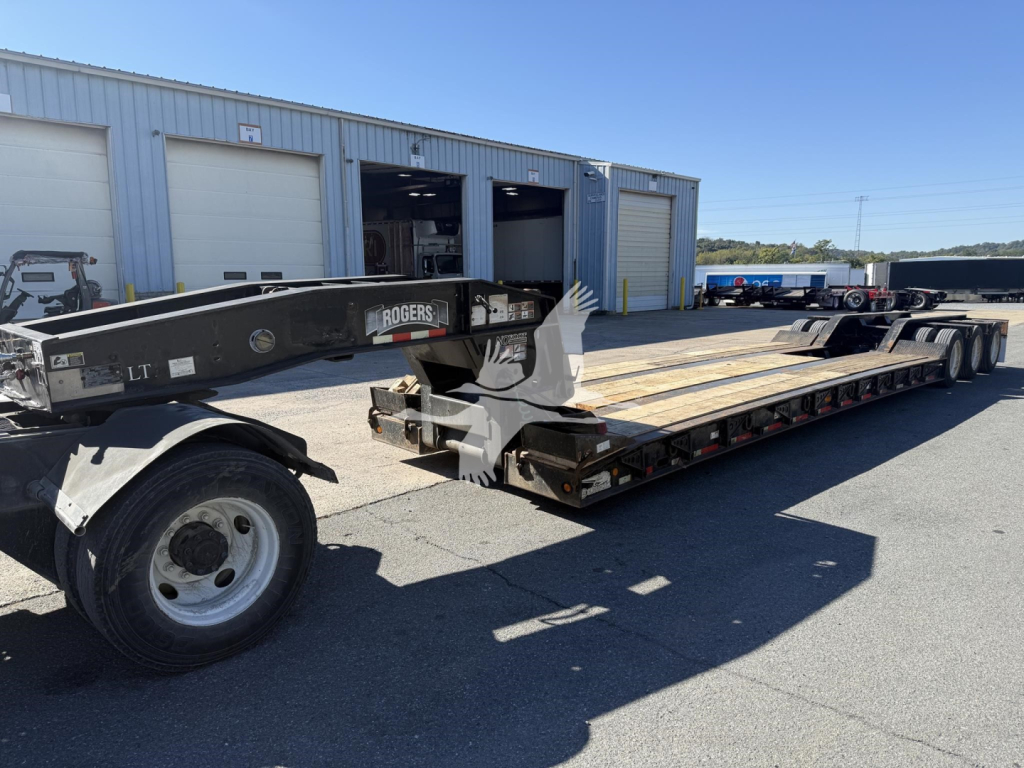
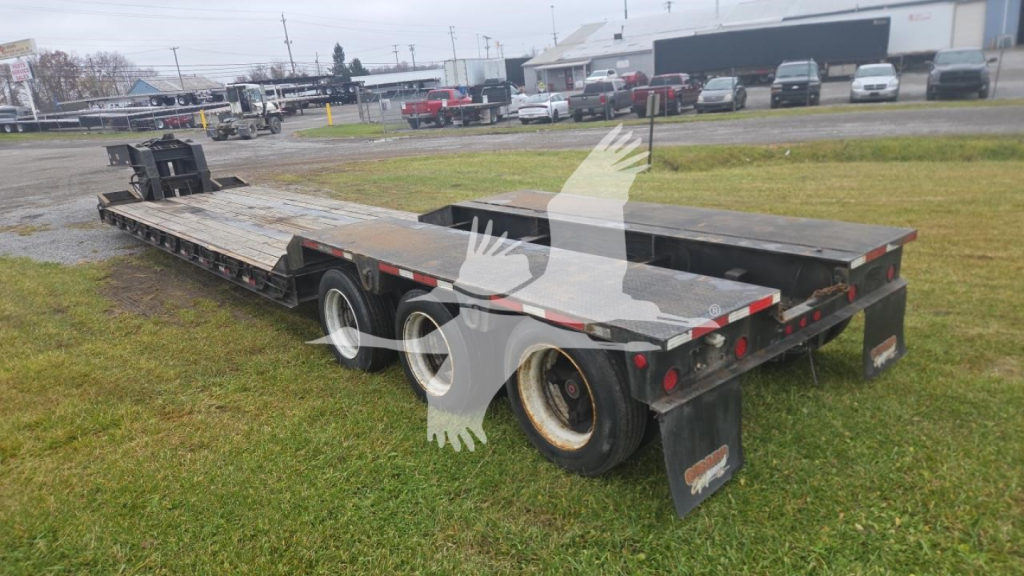
Browse used Rogers trailers including lowboy, RGN, and drop deck models built for heavy equipment hauling and demanding payload work.
Selling a used rogers trailer? List your used rogers trailer for sale and reach thousands of commercial buyers.
Used Rogers Trailers
A common decision point is trailer style. Rogers lowboy and RGN trailers are often found in 50-ton class configurations, with tri-axle setups, 102-inch overall width, hydraulic detachable necks, and ground-bearing designs that simplify loading heavy tracked equipment. Deck layout is critical. Buyers should compare top deck length, well or main deck length, loaded deck height, rear deck length, and kingpin setting to make sure the trailer fits the machines being hauled and the tractor it will run behind. Features like swing-out outriggers, D-rings, flip ramps, flip axle connections, and modular bogie compatibility can make a major difference in day-to-day versatility.
On used Rogers trailers, structural and running gear condition deserve close attention. Look at crossmember spacing, side rail straightness, neck bushings, hydraulic cylinders, outriggers, ramp hinges, and any signs of plating or weld repair around high-stress areas. Suspension type also affects suitability. Air ride can help with ride quality and deck control, while walking beam or center point style suspension may appeal in rougher jobsite environments. Tire size in this class is often 255/70R22.5, and buyers should confirm brake percentages, drum condition, wheel type, lift axle operation, and whether the trailer is set up for a flip axle or jeep if higher legal payloads are part of the plan.
Rogers trailers are often used to haul excavators, dozers, pavers, loaders, crushers, and other high-weight equipment that exceeds what a standard flatbed or conventional drop deck can handle safely. The right used trailer depends on machine dimensions as much as rated capacity. A 50-ton rating does not tell the whole story without axle spacing, deck distribution, and load concentration limits. For buyers comparing listings, the most useful specs are detachable neck type, deck dimensions, loaded deck height, suspension, axle count, rear bridge setup, and evidence of current inspection and maintenance. A well-kept used Rogers trailer can remain a productive heavy-haul asset for years if the structure, hydraulics, and legal configuration match the intended work.
Frequently Asked Questions about Used Rogers Trailers
What types of used Rogers trailers are most common on the market?
The most common used Rogers trailers are lowboy and RGN models with hydraulic detachable goosenecks, along with some beam trailers and drop deck heavy-haul configurations. Many are built in 50-ton class tri-axle layouts for hauling construction equipment. Buyers will also see differences in deck length, rear deck design, outriggers, and flip axle readiness, which can be more important than the model name alone.
What should I inspect first on a used Rogers lowboy or RGN trailer?
Start with the frame, gooseneck, and hydraulic system. Check for cracks, repairs, plating, neck slack, cylinder leaks, and signs of hard use around the deck transition and suspension mounts. After that, inspect brakes, drums, tires, wheel ends, outriggers, ramps, D-rings, and the wood or steel floor. On an older heavy-haul trailer, structural condition and functional hydraulics usually matter more than appearance.
Is a 50-ton Rogers trailer enough for my equipment?
A 50-ton rating is only the starting point. Buyers need to consider the machine's operating weight, track or tire footprint, concentrated load per axle group, overall height, and how the load sits across the deck. Bridge law compliance, axle spacing, and whether a flip axle or jeep is required can change what the trailer can legally and practically haul. Match the trailer to the exact equipment and route profile, not just the advertised ton rating.
What is the benefit of a hydraulic detachable ground-bearing neck?
A hydraulic detachable ground-bearing neck allows the trailer to separate at the front so self-propelled equipment can be loaded from the ground instead of climbing over fixed ramps. That helps with low-clearance machines, heavy tracked equipment, and safer loading angles. Ground-bearing designs are common in equipment hauling because they can speed up loading and reduce the risk of ramp or approach issues on larger machines.
Which specs matter most when comparing used Rogers trailers?
Focus on deck height, well or main deck length, rear deck length, axle count, suspension type, detachable neck design, kingpin setting, and any setup for flip axles or modular connections. Also confirm width, tire size, brake condition, and the number and style of tie-down points or outriggers. These specs determine how the trailer loads, how it scales, and which machines it can handle efficiently.