
Rogers Trailers For Sale
Shop Rogers trailers for heavy haul, lowboy, RGN, and drop deck applications with durable steel construction and proven 50-ton class designs.
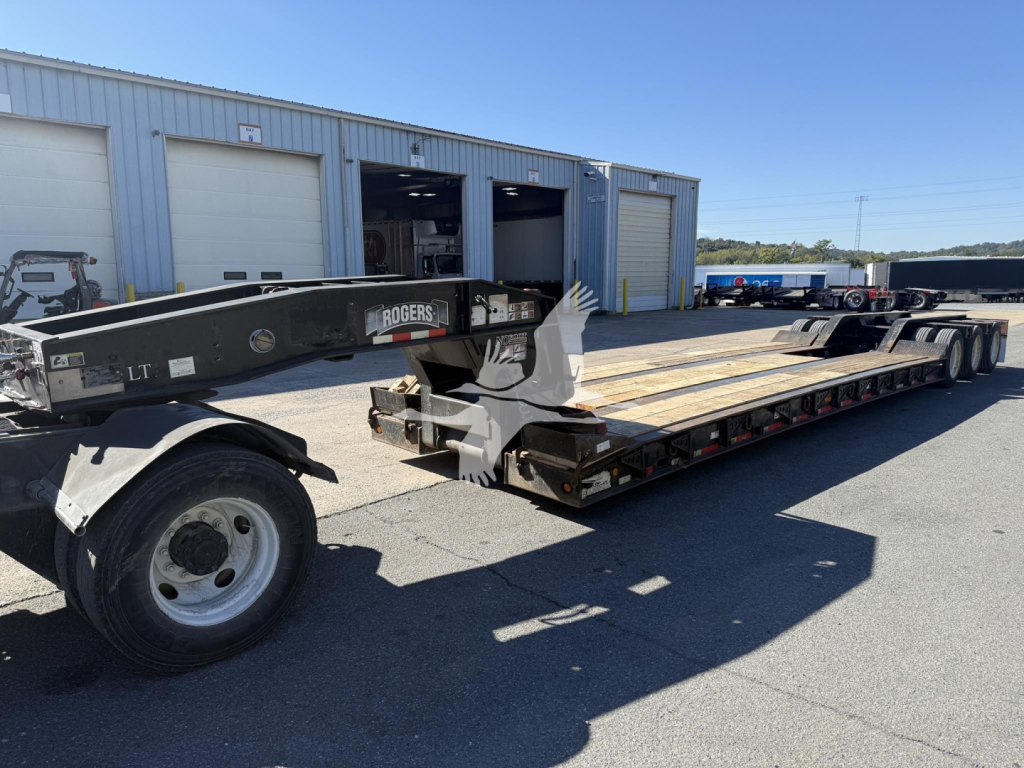
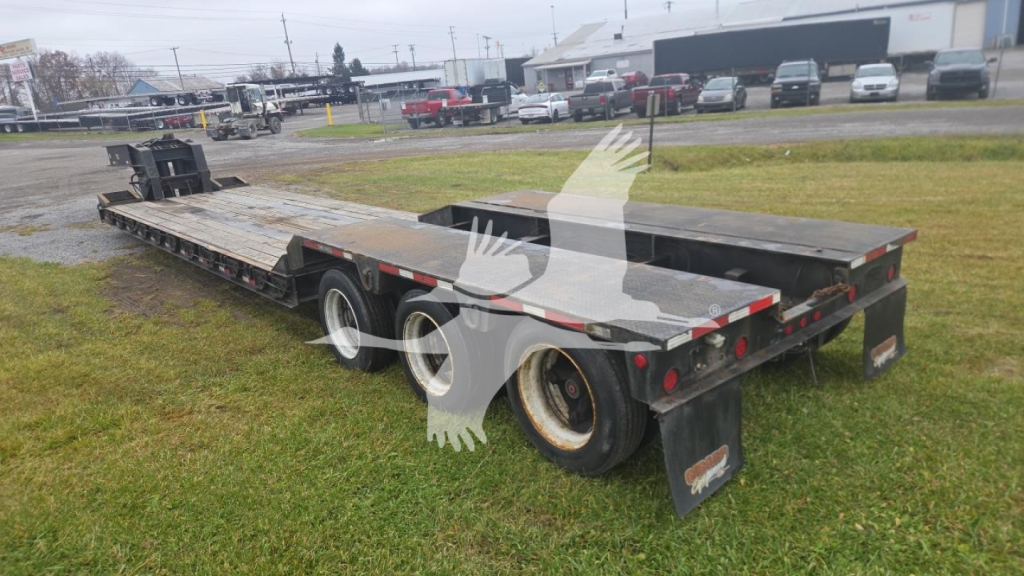
Selling a rogers trailer? List your rogers trailer for sale and reach thousands of commercial buyers.
Rogers Trailers
A common Rogers setup is a tri-axle steel lowboy or RGN in the 50-ton class, often with a hydraulic detachable gooseneck and a ground-bearing design. These trailers are popular because they combine a low loaded deck height with easier loading for tracked equipment, rollers, excavators, and dozers. Deck lengths vary, but many older Rogers heavy haulers fall into the upper-40-foot range overall with main well lengths around 24 feet and widths at or near 102 inches. Features buyers often look for include swing-out outriggers, multiple D-rings, flip axle connections, chain lift or lift axle setups, wood-over-steel flooring, and air ride or walking beam suspension depending on the intended service.
The real buying decision usually comes down to application. Air ride suspension is common for mixed fleet work and can be a good fit when ride quality and component protection matter. Walking beam or center-point styles appeal to operators who prioritize durability in rough jobsite conditions. A hydraulic detachable neck speeds loading and unloading, while a fixed-neck drop deck may be a simpler choice for operations that do not need to drive equipment over the front. Pay attention to kingpin setting, axle spacing, deck height in the well, rear deck length, ramp style, and whether the trailer is already configured to accept a flip axle or booster. Those details affect bridge compliance, turning characteristics, and how easily the trailer can be matched to your tractor and permits.
Condition matters heavily on older Rogers trailers because many have spent decades in severe service. Inspect crossmembers, neck structure, deck plating, suspension points, brake condition, tire match, and any hydraulic components for the detachable system. Check for frame repairs, elongation at pin holes, cracking near concentrated load areas, and wear around outriggers and tie-down points. A well-maintained Rogers trailer can still be a strong value because these trailers were designed for demanding weight and equipment profiles, and many buyers continue to seek them out for specialized heavy equipment hauling.
Frequently Asked Questions about Rogers Trailers
What types of Rogers trailers are most common on the used market?
Rogers trailers are most commonly found as lowboy, RGN, detachable gooseneck, beam, and drop deck trailers. Many are heavy haul configurations designed for equipment transport rather than general freight. Older units are frequently steel tri-axle models in the 35-ton to 50-ton-plus range, often equipped with hydraulic necks, low main decks, and provisions for flip axles or outriggers.
What should I check first on a used Rogers lowboy or RGN trailer?
Start with the structural and load-critical areas. Inspect the gooseneck, frame rails, crossmembers, deck transitions, suspension mounts, and axle attachment points for cracks, repairs, or distortion. Then evaluate brake condition, tire condition, hydraulic function on detachable neck systems, and wear at D-rings, outriggers, and ramp connections. On heavy haul trailers, past repairs are not unusual, but the quality and location of those repairs matter.
Is air ride or walking beam suspension better on a Rogers trailer?
It depends on the work. Air ride suspension is often preferred for highway use, mixed fleet service, and cargo that benefits from a smoother ride. Walking beam or center-point suspension is typically chosen for harsher jobsite conditions where durability and articulation are more important than ride quality. The better setup is the one that matches the roads, surfaces, and equipment weights the trailer will see most often.
Why does deck height matter so much on a Rogers heavy haul trailer?
Deck height directly affects legal loaded height and equipment stability. A lower well lets taller machines move with less risk of exceeding height limits, which can reduce permit complications and routing restrictions. It also helps with center of gravity on heavy equipment. Buyers comparing Rogers trailers should look at loaded deck height, rear deck height, and the transition angle for loading specific machines.
What capacity should I look for in a Rogers trailer?
Capacity should be matched to the actual machine weights, axle concentrations, and permit strategy of the operation. Many Rogers trailers on the market are in the 50-ton class, which suits a broad range of construction and roadbuilding equipment, but capacity ratings alone do not tell the whole story. Deck length, axle group, bridge law considerations, and whether the trailer can accept a flip axle or booster all affect real-world hauling capability.