
Used Progress Trucks For Sale
Used Progress trucks and vacuum tank units for sanitary, waste, and municipal work. Compare tank specs, materials, capacity, and discharge setup.
Selling a used progress truck? List your used progress truck for sale and reach thousands of commercial buyers.
Used Progress Trucks
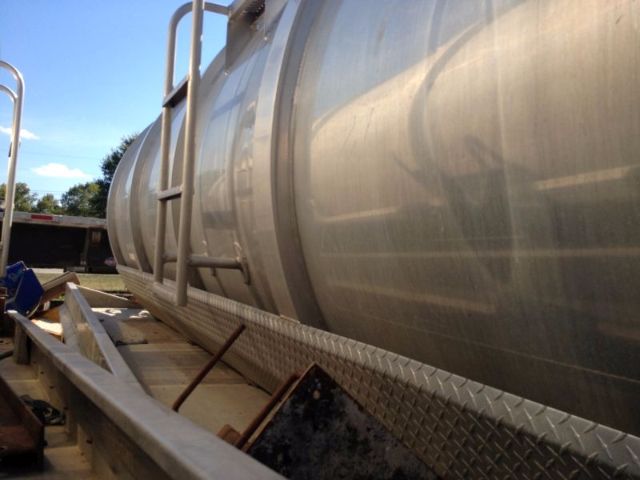
A typical used Progress vacuum unit may feature an aluminum or steel tank, single-compartment baffled construction, top hatch access, rear discharge, and hose storage. Capacity can vary widely, but many buyers focus on units in the range used for septic, grease, sludge, and non-hazardous liquid waste. Tank dimensions affect payload distribution, axle loading, and overall maneuverability, especially in residential or municipal routes with tight access. Rear discharge plumbing, inspection lenses, access ladders, and hatch condition are all worth close attention because they directly affect day-to-day usability and cleanup time. On older units, gasket replacement, corrosion around discharge openings, and pitting at sealing surfaces are common evaluation points.
For a buyer comparing used Progress trucks, the vacuum system and mounting details are just as important as tank capacity. Pump brand and CFM rating, PTO setup, hydraulic components, hose diameter, and valve condition all influence job speed and operating cost. If the listing is for the tank only, confirm compatibility with the intended chassis, including frame length, mounting hardware, PTO requirements, and legal weight once loaded. If the unit is complete, review axle ratings, wheelbase, suspension, and brake type to make sure the truck matches the service route. Municipal and septic operators often prioritize simple, durable plumbing and easy washout access over extra complexity, especially on older equipment where downtime can erase any savings from a lower purchase price.
Progress equipment tends to appeal to buyers who need a practical vacuum tank truck with straightforward service access and proven vocational use. The best used unit is rarely just the newest one. It is the one with a sound tank shell, clean sealing surfaces, functional discharge plumbing, and a vacuum system that matches the intended material and duty cycle. Buyers should also verify manway condition, ladder integrity, hose tray condition, and any signs of prior repairs around mounts or stress points. A careful review of tank material, compartment layout, and discharge configuration will usually tell you more about long-term value than paint or mileage alone.
Frequently Asked Questions about Used Progress Trucks
What are used Progress trucks typically used for?
Used Progress trucks are most commonly used in vacuum and sanitary service, including septic pumping, sludge hauling, grease trap service, municipal waste collection, and other non-hazardous liquid handling jobs. Many Progress units are built around vacuum tank applications, so buyers usually evaluate them based on tank capacity, discharge layout, washout access, and the condition of the vacuum system rather than highway features alone.
What should I inspect first on a used Progress vacuum tank truck?
Start with the tank shell, discharge openings, hatch seats, and all sealing surfaces. Corrosion, pitting, old gasket material, and repairs around the rear discharge area can affect vacuum integrity and create cleanup issues. After that, inspect the pump, PTO, valves, plumbing, and hose trays. A solid chassis is important, but on this type of truck the tank and vacuum components usually determine the real value and the likely reconditioning cost.
Is an aluminum or steel Progress tank better?
It depends on the application and operating environment. Aluminum tanks can offer lower tare weight and improved resistance to certain forms of corrosion, which helps payload and can be attractive in sanitary service. Steel tanks may be preferred for some heavy-duty applications because of their durability and repair familiarity. The better choice comes down to the material being hauled, the climate, maintenance practices, and whether lower empty weight or long-term ruggedness is the higher priority.
How important is code versus non-code on a used Progress tank?
Code status is critical because it determines whether the tank is suitable for the product and service it will perform. A non-code tank may be entirely appropriate for many septic, sanitary, or non-hazardous waste applications, but it may not meet requirements for other products or regulated operations. Buyers should confirm the tank plate, original build specification, and local regulatory requirements before purchase, especially if the unit will be used across state lines or in municipal contract work.
Can I buy a used Progress tank and mount it on another chassis?
Yes, but compatibility needs to be verified carefully. Tank length, saddle placement, frame rail spacing, mounting hardware, PTO requirements, axle capacity, and loaded weight all need to match the receiving chassis. Buyers should also account for plumbing routing, pump placement, and legal bridge and axle limits once the tank is full. A tank that looks like a fit dimensionally can still be expensive to adapt if the frame or driveline setup is wrong.