
Progress Trucks For Sale
Progress Tank trucks for propane, fuel, and vacuum service. Compare capacities, pumps, and chassis to match route density, payload, and compliance.
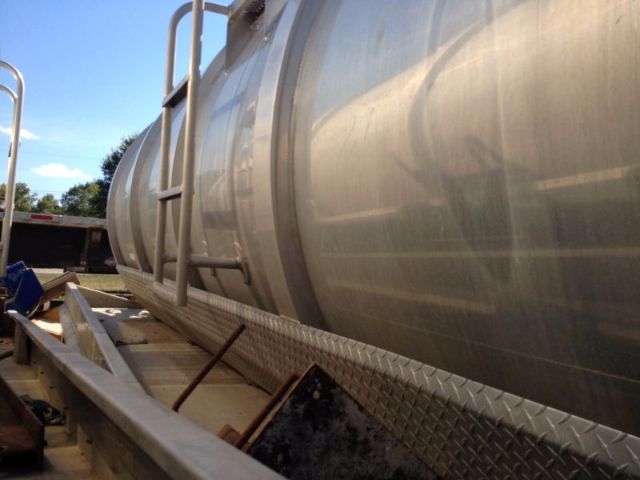
Selling a progress truck? List your progress truck for sale and reach thousands of commercial buyers.
Progress Trucks
Chassis pairing is straightforward but critical. Medium duty platforms like Freightliner M2 106, International MV or HV, Peterbilt 337 or 348, Kenworth T370 or T380, Ford F-750, and Mack MD are typical, with wheelbase set to center the tank’s CG over axles and maintain maneuverability. For vacuum service, look at blower type and airflow rating, often 300 to 1,100 CFM from brands like Jurop, Moro, or Fruitland with PTO or hydraulic drive, primary and secondary shutoffs, a moisture trap, and a cyclone for pump protection. Fuel and LPG builds often use Blackmer or Corken pumps, LC meters with temperature compensation, strainers, air eliminators, and preset valves. Hose reel placement, compartment heating, cabinet layout, and curbside controls speed delivery and reduce driver fatigue.
Safety and compliance are where Progress Tank builds tend to stand out. On MC-331 bobtails, confirm valve spec, ESVs, remote shutdowns, hydro or pneumatic test dates, relief valve recertifications, and documentation of R-stamp repairs or modifications. Fuel trucks should have DOT 406 placards and spec plates, bottom load adapters, overfill prevention, retained product compartments with spill boxes, bonding and grounding, and meter seals that match current calibration records. Vacuum trucks benefit from splash shields, anti-slosh baffles, proper head thickness, certified pressure-vac ratings, and easily serviced shutoff balls. LED lighting, conspicuity tape, cabinet sealing, and non-skid work surfaces round out a safe daily-use package.
The trade-offs are practical. Bigger tanks maximize payload but demand higher axle ratings, longer wheelbases, and more careful route planning in tight neighborhoods. Aluminum sheds weight for more product per trip but may dent more easily than steel; stainless is ideal for corrosive streams but adds cost. Higher CFM vacuum systems load faster and pull thicker material yet draw more horsepower and can add noise and heat, which argues for sound enclosures and good airflow. Cold-climate fleets favor insulated LPG barrels, heated cabinets, product line heat, and winter-spec DEF and fuel systems; coastal or road-salt regions benefit from stainless hardware, sealed wiring, and robust undercoating. A well-spec’d Progress bobtail, fuel truck, or vacuum truck also known as a bobtail, fuel oil truck, or vac truck will balance payload, uptime, and compliance, protecting resale while keeping route economics in line.
Frequently Asked Questions about Progress Trucks
What types of trucks does Progress build bodies for?
Progress Tank builds truck-mounted tanks for several applications, most commonly MC-331 propane bobtails, DOT 406 refined fuel delivery trucks, and ASME-coded vacuum trucks used for septic, grease, and portable restroom service. You will also see water and lube service variants depending on the route need.
How do I choose the right tank size and material on a Progress truck?
Size to your stop count, route density, and axle ratings. Urban routes and tight subdivisions favor shorter wheelbases and moderate capacities, while rural or bulk routes benefit from larger barrels. Steel is durable and easy to repair, aluminum reduces tare weight for more payload, and stainless is best for corrosive waste streams at a higher upfront cost.
What pump or vacuum system specs should I look for?
For LPG and refined fuel, look for Corken or Blackmer pumps matched to hose size, LC meters with temperature compensation, strainers, air eliminators, and preset valves. For vacuum service, rotary vane blowers from Jurop, Moro, or Fruitland in the 300 to 1,100 CFM range are common, with PTO or hydraulic drive, primary and secondary shutoffs, a moisture trap, and a cyclone to protect the blower.
What compliance items matter most on a used Progress bobtail or fuel truck?
Verify the tank spec plate, recent hydro or pneumatic test dates, relief valve recertification, and documentation for any code repairs. Confirm ESVs, remote shutdowns, overfill protection, bottom loading hardware, bonding and grounding points, meter seals, and accurate calibration records. Good paperwork shortens onboarding and helps with insurance and audits.
Which chassis pair well with Progress Tank bodies?
Common choices include Freightliner M2 106, International MV or HV, Peterbilt 337 or 348, Kenworth T370 or T380, Ford F-750, and Mack MD. Match wheelbase and axle ratings to the tank capacity so the center of gravity sits correctly over the axles, preserves turning radius, and maintains legal axle loads with a full product load.