
Used Live Floor Trailers For Sale
Used live floor trailers for bulk hauling. Compare walking floor systems, lengths, suspension, doors, tarps, and spec choices.
No exact matches found for your search
Showing Live Floor Trailers instead.
Selling a used live floor trailer? List your used live floor trailer for sale and reach thousands of commercial buyers.
Used Live Floor Trailers
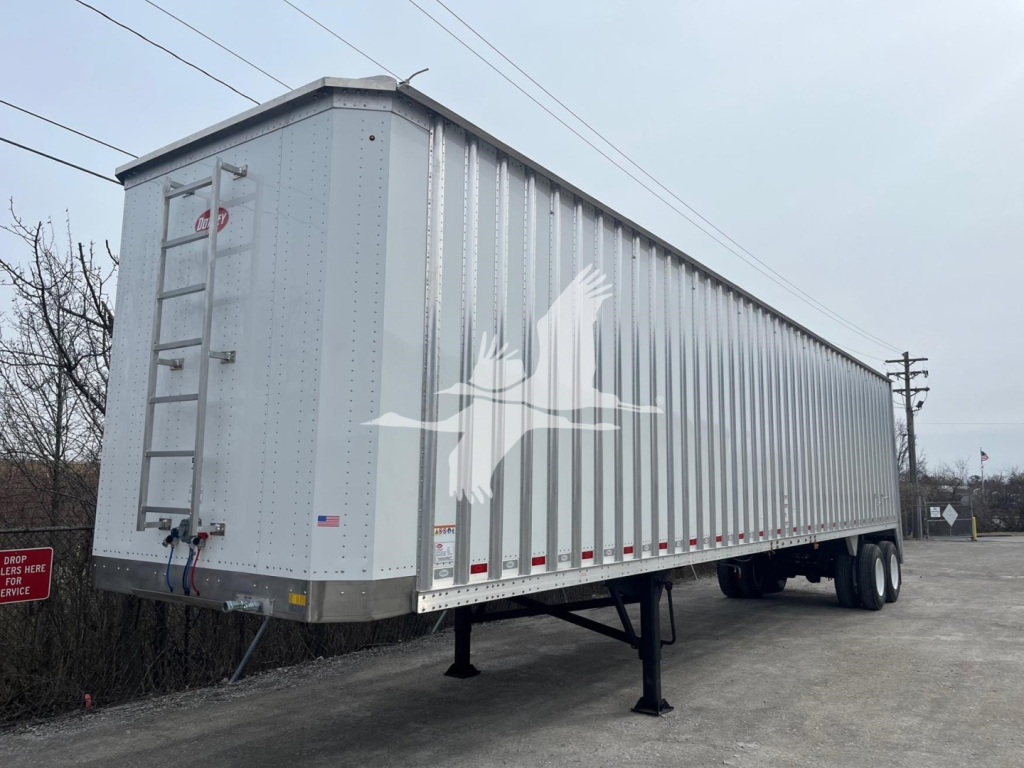
A buyer should pay close attention to floor system brand and condition first. Hallco, Keith Walking Floor, and similar systems each have their own maintenance profile, parts support, and cycle characteristics. On a used trailer, inspect slat wear, floor bearing condition, drive unit operation, hydraulic plumbing, and signs of crossmember or subframe fatigue. Trailer length is commonly in the 45 to 48 foot range, with widths around 96 to 102 inches, and side construction often uses aluminum panels over a steel or combination frame to balance payload and durability. Rear configuration matters too. Swing doors are common for high-volume bulk material, while some specs are better suited to controlled discharge depending on the commodity.
Suspension, axle setting, and kingpin setting affect both legality and day-to-day handling. Tandem axle live floor trailers are common, with air ride or spring ride depending on fleet preference, maintenance philosophy, and route quality. Air ride is often preferred for ride quality and cargo protection, while spring ride can appeal to operators focused on simplicity. Tire size, brake condition, wheel type, landing gear, and tarp system should all be evaluated as working components, not just line-item specs. A manual or electric rollover tarp, scuff liners, scales, push bumpers, and heavy-duty rear structures can all add value depending on the application.
Commodity type should drive the final spec decision. Wet or abrasive loads can be hard on floors, liners, doors, and seals, while lightweight bulk products put more emphasis on cubic capacity than structural rating. A used live floor trailer with straight walls, consistent floor travel, tight rear doors, and a healthy hydraulic system is usually a better buy than one with cosmetic appeal but uneven unloading performance. For harvest work, transfer stations, biomass, or recycling routes, the right live floor trailer can improve unloading safety, reduce site limitations, and keep cycle times predictable.
Frequently Asked Questions about Used Live Floor Trailers
What is the main advantage of a live floor trailer compared to a dump trailer?
A live floor trailer unloads by moving the cargo out on hydraulic slats instead of raising the trailer body. This allows unloading in areas with low overhead clearance, uneven ground, or conditions where a raised dump body would create a safety risk. It also gives the operator more control over discharge speed, which is useful when feeding conveyors, hoppers, or indoor receiving areas.
What should I inspect first on a used live floor trailer?
Start with the floor system itself. Check the slats for wear or damage, verify smooth floor movement through a full cycle, inspect the hydraulic motor and lines for leaks, and look for signs of fatigue in the crossmembers and floor supports. Rear door fit, tarp operation, suspension condition, brake wear, tire condition, and kingpin area integrity are also important because these trailers often work in high-cycle bulk applications.
What commodities are commonly hauled in a live floor trailer?
Live floor trailers are commonly used for mulch, bark, wood chips, compost, manure, silage, grain byproducts, refuse, recyclables, and other loose bulk materials. They are especially useful when a load needs controlled unloading or when the receiving site cannot safely handle a dump trailer. Some fleets also use them for biomass and municipal solid waste because they can unload quickly without raising the center of gravity.
Are air ride or spring ride suspensions better on a live floor trailer?
Neither is universally better. Air ride is popular for improved ride quality, better cargo stability, and less shock transfer through the trailer, which can matter on rough routes or with higher-value loads. Spring ride is simpler and can be attractive for operators who want a straightforward suspension with fewer air system components. The better choice depends on route conditions, maintenance practices, and the type of material being hauled.
How do length, width, and construction affect a live floor trailer's value?
Length and width affect cubic capacity, bridge compliance, and maneuverability, while construction affects payload and durability. Aluminum sidewalls and combination designs are common because they help keep trailer weight down, but heavy-use applications may justify stronger structural specs. A used trailer's value usually comes down to how well the dimensions and construction match the intended commodity, legal operating requirements, and the condition of the floor and frame.