
Live Floor Trailers For Sale
Browse live floor trailers built for bulk material hauling, with moving floor systems, high-volume bodies, and fast, controlled unloading.
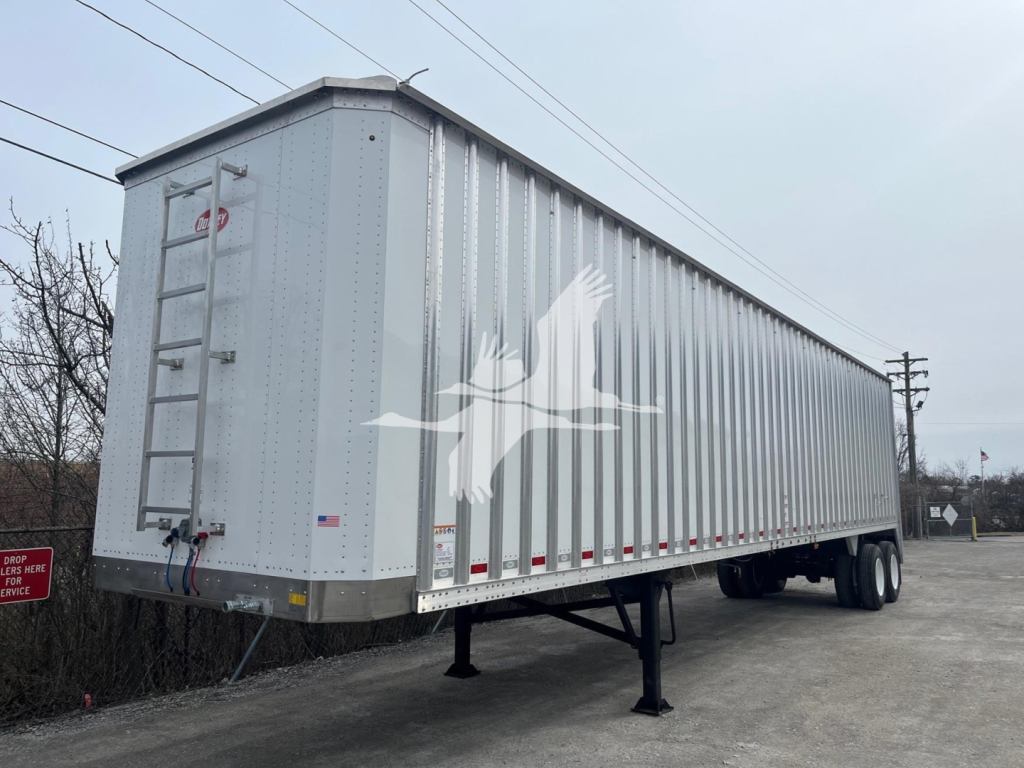
Selling a live floor trailer? List your live floor trailer for sale and reach thousands of commercial buyers.
Live Floor Trailers
The floor system is the key component, so buyers should start there. Common setups include Hallco, Keith Walking Floor, and similar slat-style hydraulic systems designed around cycle speed, load type, and expected abuse. Floor construction, slat thickness, drive unit condition, and hydraulic compatibility with your tractor all matter. On used live floor trailers, pay close attention to floor wear, cracked or bent slats, seal condition, crossmember integrity, and signs of product packing around the drive area. Rear door configuration also affects daily use. Swing doors are common for bulk material and palletized freight, while some operators prefer combinations that improve cleanout or reduce hang-up at discharge.
Body spec drives payload and durability. Many live floor trailers in this category are 45 to 46 feet long, commonly 97 to 102 inches wide, with aluminum sidewalls to keep tare weight down. Tandem axle layouts are standard, usually paired with air ride or spring suspension depending on the application and maintenance preference. Tire size, wheel material, kingpin setting, axle spread, and closed or open tandem position all affect bridge compliance, maneuverability, and tractor pairing. Tarp systems are also worth checking closely, especially on ag and waste work where load securement, weather protection, and quick cycling matter every day.
A good live floor trailer is not just about cubic capacity. It is about matching floor system strength, body construction, suspension, and door setup to the material being hauled. Dense commodities put different stress on the floor than lightweight biomass or municipal waste. If the trailer will alternate between loose bulk and bundled freight, look for a spec that supports both clean discharge and forklift loading. Buyers comparing listings should focus on floor brand, body material, suspension type, door design, hydraulic requirements, and overall structural condition before they focus on paint or model year.
Also known as: Moving Floor Trailer
Frequently Asked Questions about Live Floor Trailers
What is a live floor trailer used for?
A live floor trailer is used to haul bulk materials and unload them with a hydraulically powered moving floor instead of a dump body. Common applications include mulch, bark, wood chips, compost, grain byproducts, recyclables, refuse, and some palletized freight. The design allows controlled unloading while the trailer remains level, which is useful in places where overhead clearance is limited or ground conditions make dumping unsafe.
What is the difference between a live floor trailer and a dump trailer?
The main difference is the unloading method. A dump trailer raises the body and relies on gravity to discharge the load, while a live floor trailer uses reciprocating floor slats to move material out the rear. Live floor trailers generally offer better stability during unloading and can handle sites where a raised trailer would create a rollover hazard. Dump trailers can be simpler and lighter for some applications, but a live floor trailer is often preferred when safety, low-clearance unloading, or more precise discharge control is important.
What should I inspect first on a used live floor trailer?
Start with the floor system, hydraulic drive components, and trailer structure. Check the slats for wear, bends, cracks, or excessive gouging. Inspect the floor drive area for leaks, loose hardware, and signs of product buildup that may indicate poor maintenance. Then review crossmembers, sidewalls, rear frame, door hardware, suspension, brakes, and tire condition. On a live floor trailer, floor function and structural integrity usually matter more than cosmetic appearance.
Are live floor trailers good for palletized freight too?
Some live floor trailers can handle both loose bulk commodities and palletized freight, but the trailer has to be spec'd for that type of mixed use. Rear swing doors, adequate floor strength, and a body layout that allows forklift access are important. Buyers should verify floor capacity, interior width, and door opening dimensions before assuming the trailer will perform well in dual-purpose service. Not every live floor trailer is ideal for both high-abuse bulk hauling and regular dock or forklift loading.
Which suspension and body materials are common on live floor trailers?
Tandem axle live floor trailers commonly use either air ride or spring suspension. Air ride is often preferred for ride quality and cargo protection, while spring ride may appeal to operators who want a simpler setup. Aluminum sidewalls and combination construction are common because they help reduce empty weight while maintaining durability. The right spec depends on payload targets, road conditions, commodity density, and how hard the trailer will be worked.