
Used Freightliner Cabover Sleeper Trucks For Sale
Shop used Freightliner cabover sleeper trucks built for long-haul efficiency, driver comfort, and maneuverability in tight routes.
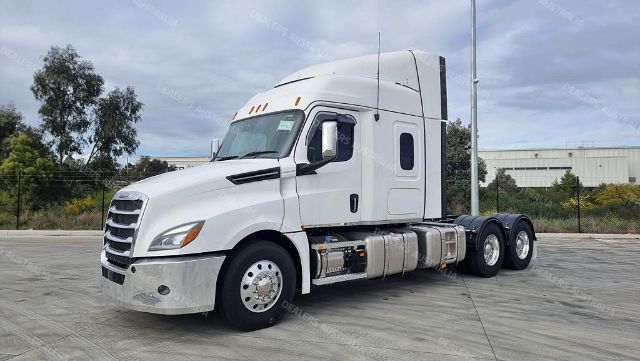

Selling a used freightliner cabover sleeper truck? List your used freightliner cabover sleeper truck for sale and reach thousands of commercial buyers.
Used Freightliner Cabover Sleeper Trucks
Freightliner cabover sleeper models are commonly equipped for long-haul or regional service with diesel engines from Detroit or other major suppliers, paired with manual, automated manual, or traditional automatic transmissions depending on age and duty cycle. On used trucks, drivetrain specs matter more than badges. Pay attention to horsepower and torque ratings, rear axle ratio, suspension type, and GVWR or GCWR if the truck will be pulling heavier van, reefer, or specialized trailer loads. A 13-speed transmission may appeal to owner-operators who want more control over fuel economy and grade handling, while later automated options can reduce driver fatigue and training time.
Sleeper layout and driver environment are just as important as the drivetrain on this category. Buyers should look closely at bunk size, storage, HVAC performance, insulation, and dash ergonomics, especially on trucks that have seen over-the-road service. Cabover sleepers can ride differently than a conventional sleeper tractor because the driver is positioned over the front axle, so suspension condition, steering feel, and cab mount wear deserve extra attention on a used unit. Brake condition, tire wear pattern, frame integrity, fifth wheel wear, and signs of coolant or oil leaks will tell you more about the truck than cosmetic appearance alone.
A used Freightliner cabover sleeper can be a strong fit for operations that need compact dimensions without giving up rest space for the driver. They are often chosen for tight-route freight, intermodal work, export markets, and applications where overall combination length is a key factor. The best unit for the job is the one with a documented maintenance record, a drivetrain matched to the load and terrain, and a sleeper setup that supports the type of runs the truck will actually make.
Frequently Asked Questions about Used Freightliner Cabover Sleeper Trucks
What is a Freightliner cabover sleeper truck best suited for?
A Freightliner cabover sleeper truck is best suited for applications that need sleeping quarters for the driver but also benefit from a shorter tractor length. Common uses include regional haul, long-haul lanes with length restrictions, intermodal service, port work, and routes with tight loading areas. The cabover design improves maneuverability and can help maximize trailer space where overall combination length matters.
What should I inspect first on a used Freightliner cabover sleeper?
Start with maintenance records, engine hours if available, and evidence of major repairs. Then inspect the cab mounts, steering components, suspension, brakes, tires, fifth wheel, and frame. On a cabover, ride quality and front-end wear are especially important because the driver sits over the axle. Check for oil seepage, coolant leaks, uneven tire wear, and any signs of hard use in the sleeper and cab interior.
Are manual or automated transmissions better in a used cabover sleeper?
The better choice depends on the operation and driver preference. A manual or 13-speed setup can offer more direct control in hills, heavy loads, or specialized applications. An automated transmission can reduce driver fatigue, improve consistency, and simplify hiring in fleets with multiple drivers. On a used truck, overall transmission condition and service history matter more than transmission type alone.
Do cabover sleeper trucks ride differently than conventional sleepers?
Yes. Cabover sleeper trucks typically place the driver above or very near the front axle, which changes ride feel, steering response, and road feedback compared with a conventional tractor. Some drivers prefer the visibility and maneuverability, while others focus more on suspension tuning and seat comfort. On a used truck, worn shocks, bushings, and cab mounts can make a much bigger difference in ride quality than the cab style itself.