
Freightliner Cabover Sleeper Trucks For Sale
Shop Freightliner cabover sleeper trucks with specs, sleeper options, drivetrain choices, and buyer tips for regional or long-haul use.
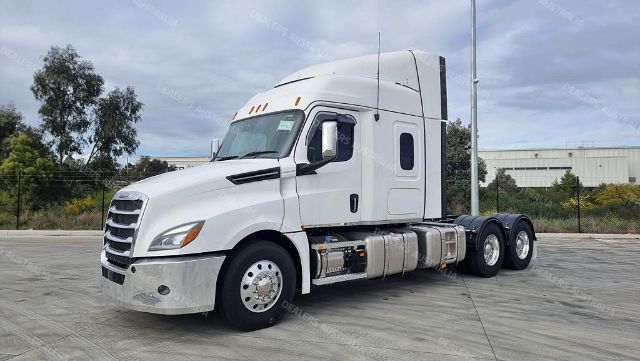

Selling a freightliner cabover sleeper truck? List your freightliner cabover sleeper truck for sale and reach thousands of commercial buyers.
Freightliner Cabover Sleeper Trucks
Freightliner cabover sleeper trucks are typically evaluated around engine platform, transmission choice, axle ratings, wheelbase, and sleeper size. Detroit diesel power is common in Freightliner applications, and many buyers look closely at horsepower and torque ratings in relation to gross combination weight, terrain, and cruise speed targets. Manual and automated manual transmissions both appear in this category, including 10-speed and 13-speed configurations depending on vocation and age of the truck. A shorter wheelbase can improve turning radius and city access, but it may also affect ride quality and frame space for tanks, batteries, and fairings. Sleeper dimensions matter if the truck will spend multiple nights out each week, and practical details like bunk width, storage, HVAC performance, and cab insulation make a real difference in retention and uptime.
The cabover design changes service and operating considerations compared with a conventional Freightliner sleeper. Cab access, engine service access, interior noise levels, heat management, and ride quality should all be part of the inspection process. On a used unit, buyers should pay close attention to cab mounts, tilt-cab hardware, steering feel, cooling system condition, and signs of vibration or water intrusion around door seals and sleeper seams. If the truck is set up for long-haul work, rear axle ratio, fuel capacity, fairing condition, and suspension type will affect fuel economy and driver comfort. If it is intended for regional or specialty use, visibility, wheel cut, and the condition of the clutch or automated shifting system may be higher priorities than sleeper amenities.
A good Freightliner cabover sleeper truck is one that matches its drivetrain, cab package, and axle specs to the freight it will actually move. Buyers comparing this category should look beyond model year and focus on maintenance history, emissions system condition, previous application, and the quality of any recent repairs. Tire condition, brake life, suspension wear, and signs of frame modification can tell you as much as the odometer. For fleets and owner-operators alike, the best value usually comes from a truck with a clear service record, the right sleeper configuration, and a powertrain spec that fits the lane instead of forcing the truck into work it was not built to do.
Frequently Asked Questions about Freightliner Cabover Sleeper Trucks
What is a Freightliner cabover sleeper truck best used for?
A Freightliner cabover sleeper truck is best suited for operations that need a shorter overall tractor length without giving up overnight accommodations. Common uses include urban and regional freight, port drayage with occasional overnight runs, specialized hauling, and markets where tighter turning and compact packaging are important. The cabover layout can make the truck easier to maneuver in dense areas, while the sleeper still gives the driver a bunk and storage for extended trips.
What should I inspect first on a used Freightliner cabover sleeper?
Start with the powertrain, cab structure, and service history. Check the engine and transmission for smooth operation, look for fault codes, and verify maintenance records for oil changes, cooling system work, and emissions-related repairs. On the cabover itself, inspect cab mounts, tilt-cab components, door seals, sleeper seams, and signs of water leaks or excessive vibration. Suspension wear, brake condition, tire age, and frame integrity should also be reviewed before focusing on cosmetic items.
Are cabover sleeper trucks harder to drive than conventional sleepers?
They are different, not necessarily harder. A cabover sleeper usually offers better forward visibility and a tighter turning radius, which can be a major advantage in cities, terminals, and crowded yards. The shorter wheelbase and cab-forward seating position can also produce a different ride feel, and some drivers notice more road input or cab movement than they would in a conventional tractor. Driver preference matters, especially on longer runs where noise, ride quality, and sleeper comfort become more important.
Which specs matter most when comparing Freightliner cabover sleeper listings?
The most important specs are engine make and rating, transmission type, rear axle ratio, axle capacity, wheelbase, and sleeper size. These determine how the truck will pull, how efficiently it will cruise, how well it will maneuver, and how comfortable it will be for overnight use. Buyers should also compare suspension type, fuel capacity, emissions system configuration, and any aerodynamic equipment, because those factors affect operating cost, maintenance exposure, and route suitability.