
Cabover Sleeper Trucks For Sale
Cabover sleeper trucks explained: specs, maneuverability, powertrains, sleeper options, trade-offs, and buying tips for COE tractors.
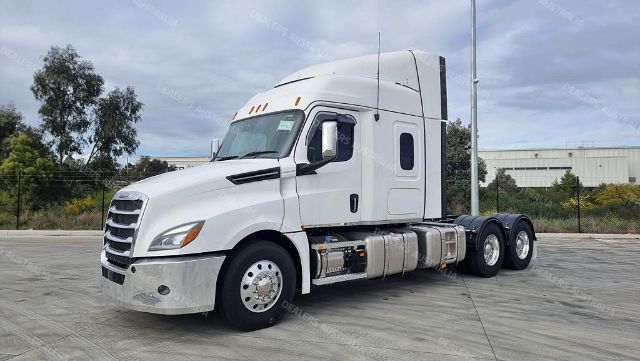
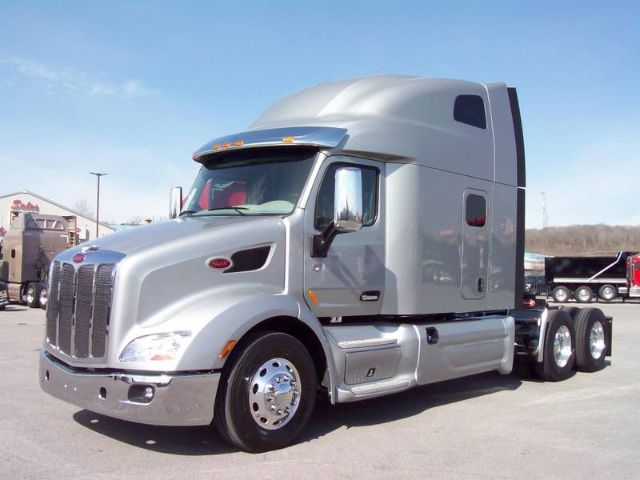
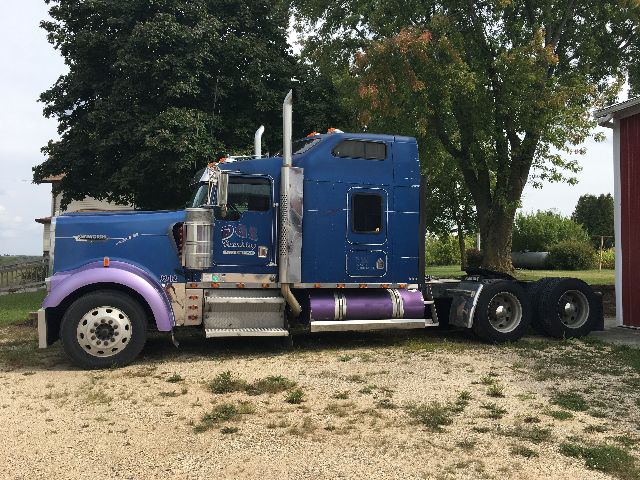

Selling a cabover sleeper truck? List your cabover sleeper truck for sale and reach thousands of commercial buyers.
Cabover Sleeper Trucks
Trade-offs are real. Sitting over the axle can transmit more road feel, and older COE sleepers are typically louder and warmer than comparable conventionals. At highway speeds, modern aero conventionals often beat cabovers on fuel burn due to frontal shape and cooling airflow. Serviceability is different, not worse: the whole cab tilts for full engine access, which is great for in-frame work but requires space to tip and securing loose items in the cab. Check fifth wheel position and trailer gap closely, since the short BBC can increase swing-clearance and reefer-nose interference if the slider travel or kingpin setting is not matched to the tractor.
Common specs for cabover sleeper trucks mirror mainstream highway tractors. Expect 350 to 600 hp with 1350 to 2050 lb-ft, 10, 13, or 18-speed manuals or automated manuals like Eaton UltraShift or similar AMTs, and tandem 40k rears with 12k to 13.2k steer axles. Wheelbases often land in the 150 to 220 inch range, with aggressive wheel cuts for tight yards. Highway gearing usually falls between 2.64 and 3.55, while more stop-and-go or heavy regional work may run deeper ratios. Drum brakes are common on older units, with air discs and stability control showing up on newer builds. Sleeper modules range from compact 48 inch bunks to 72 to 86 inch stand-up layouts with double bunks, HVAC, APUs or bunk heaters, and inverters. Look for cab air suspension, roof fairings, cab extenders, and deep fifth wheel sliders to tune trailer gap and weight transfer.
Buying considerations should focus on fit for route and compliance. Verify axle spacing, wheelbase, and kingpin settings against your bridge-law needs and trailer fleet. Confirm swing clearance to the trailer nose and fairings. Inspect cab-tilt hydraulics, cab mounts, and latch hardware, and check the windshield frame and cab corners for corrosion or leaks. Steering linkages see high articulation on COEs, so free play and tire scrub patterns are worth a close look. Cooling stacks and charge-air coolers work hard on a COE, so watch temps and pressure-test for leaks. If evaluating an imported cabover sleeper, confirm FMVSS and emissions compliance, metric parts support, and local dealer capability. For emissions-era units, review DPF and SCR service history and make sure any APU or bunk heater is integrated cleanly with the aftertreatment strategy.
Also known as: COE Sleeper Truck, Cab-Over-Engine Sleeper Truck
Frequently Asked Questions about Cabover Sleeper Trucks
Why choose a cabover sleeper instead of a conventional sleeper tractor?
A cabover sleeper maximizes trailer or cargo length within strict overall-length limits and delivers a much tighter turning circle for urban docks, ports, and congested yards. It also improves forward visibility. The main compromises are ride quality, noise and heat over the steer axle, and generally lower highway aerodynamics compared with modern aero conventionals.
How does fuel economy compare between cabover sleepers and conventional tractors?
At steady highway speeds, modern aero conventional tractors typically hold a 0.3 to 0.8 mpg advantage due to smoother airflow and larger cooling packages. In dense urban or mixed regional cycles with frequent turns and stops, the gap can narrow because maneuverability and shorter wheelbase reduce time spent jockeying. Spec optimization still matters, including axle ratio, transmission type, tire selection, and trailer gap.
What specs should I focus on for a COE sleeper used in city-to-city linehaul?
Prioritize a manageable wheelbase with enough fifth wheel slider travel to balance bridge-law weights and trailer swing. Aim for an AMT or a 13-speed for flexibility, highway-friendly axle ratios around 2.79 to 3.25 depending on tire size and cruise speed, and stability control with engine braking. For driver comfort, look for a 72 inch or larger sleeper with good insulation, an APU or bunk heater, and cab air suspension.
Are parts and service a concern for cabover sleepers?
Support depends on make, model year, and market. North American COE sleepers from major brands share many drivetrain components with conventionals, making engine, transmission, and axle parts straightforward. Cab-specific items like tilt hydraulics, glass, doors, and trim can be more model-specific. For imported European COEs, verify FMVSS compliance, a parts pipeline, and dealer or independent-shop familiarity before committing.
What should I inspect on a used cabover sleeper before purchase?
Beyond standard powertrain checks, focus on cab-tilt cylinders and latches, cab bushings, and the windshield frame for rust or leaks. Inspect the cooling stack and charge-air cooler, look for steering linkage wear from high wheel-cut operation, and confirm trailer clearance with your typical kingpin settings. Review DPF and SCR service history on emissions-era units and verify that any APU or bunk heater was installed to OEM standards.