
Used Dura Haul Dump Trailers For Sale
Browse used Dura Haul dump trailers, including bottom dump configurations with air ride, tarp systems, and heavy-duty construction.
No exact matches found for your search
Showing Used Dump Trailers instead.
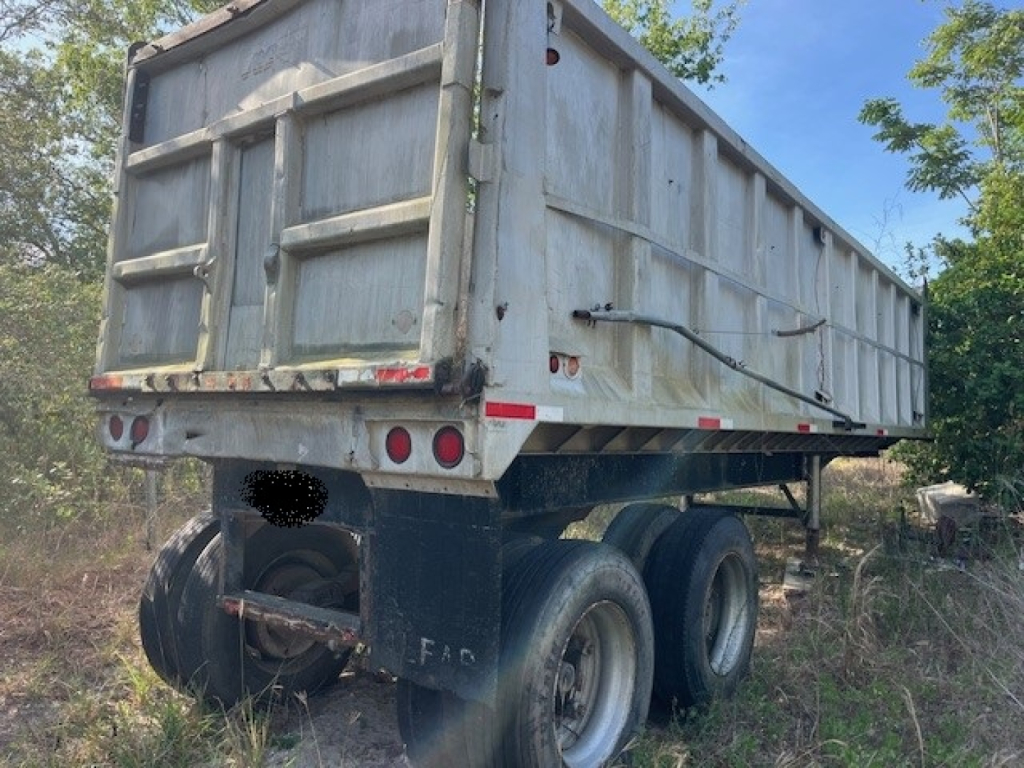
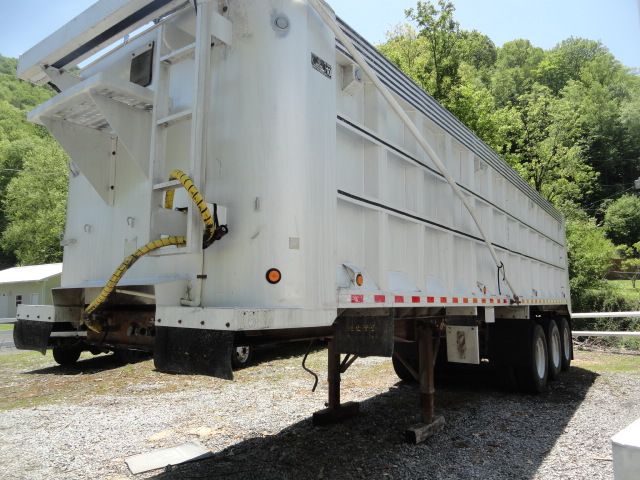
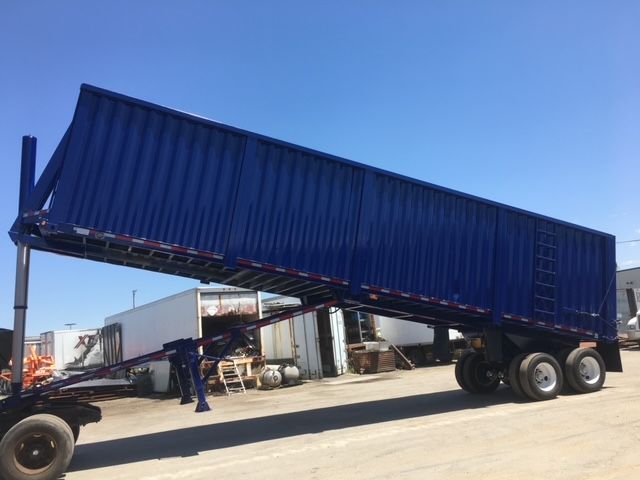
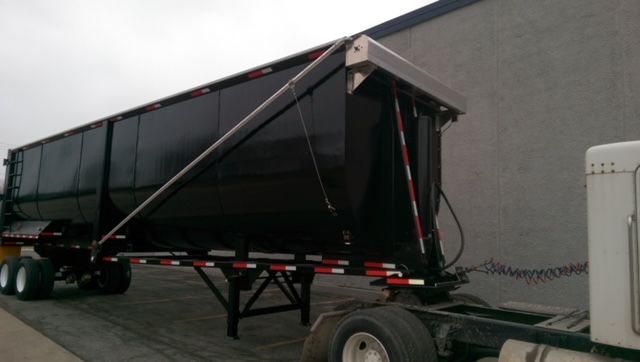
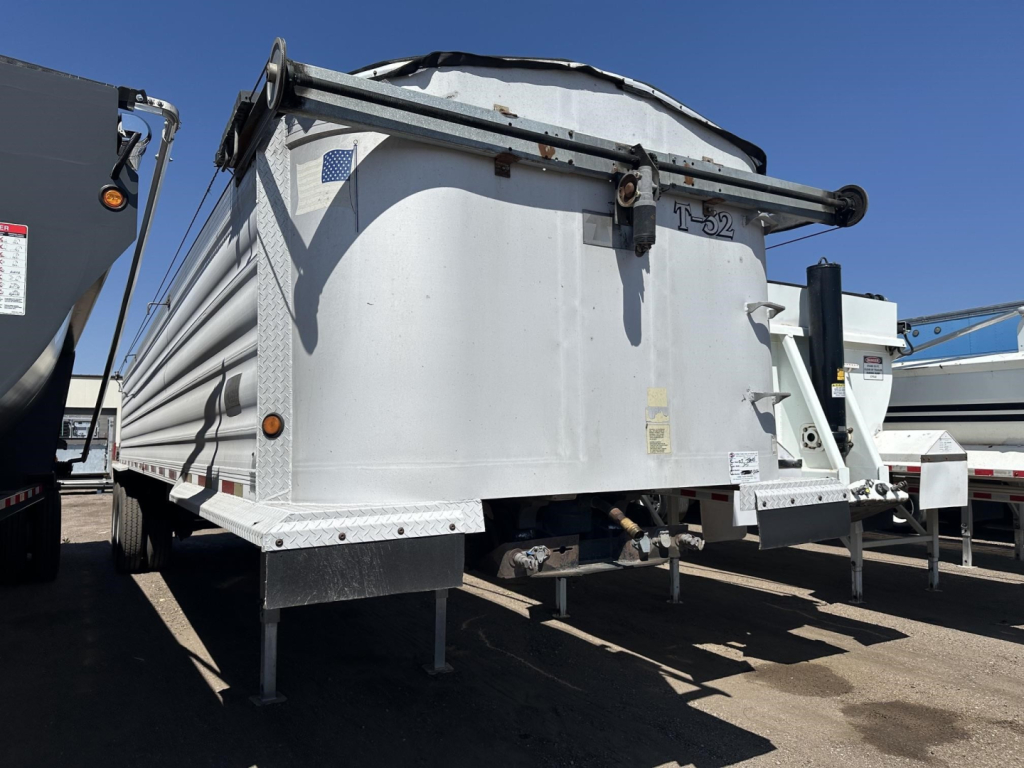
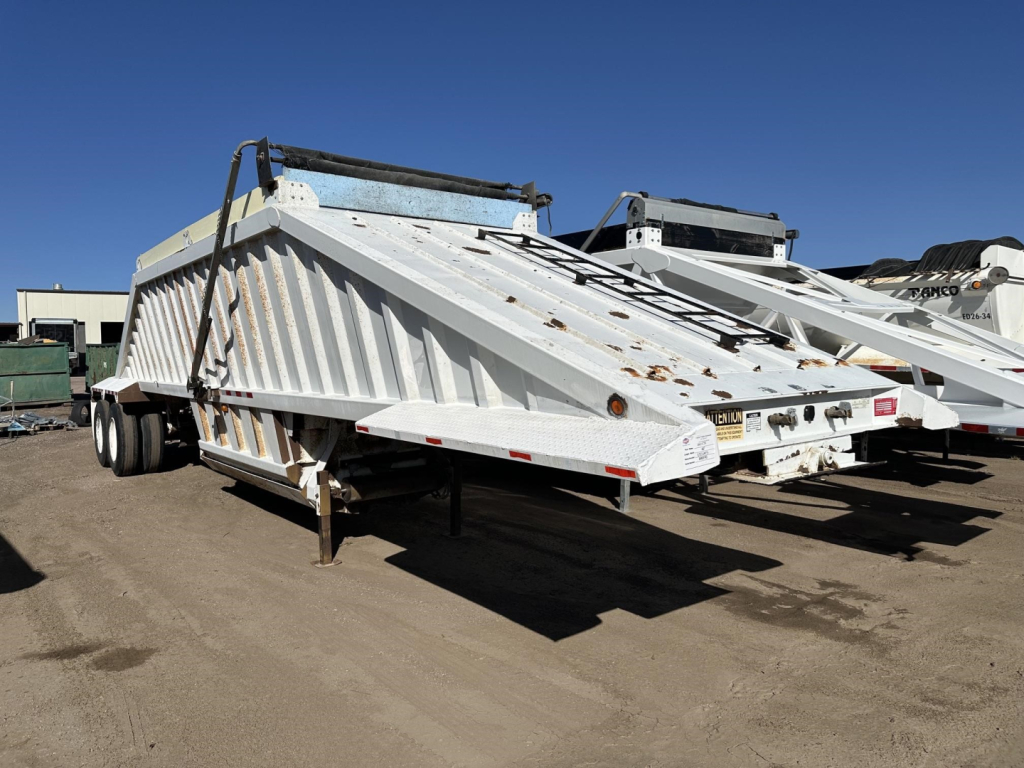
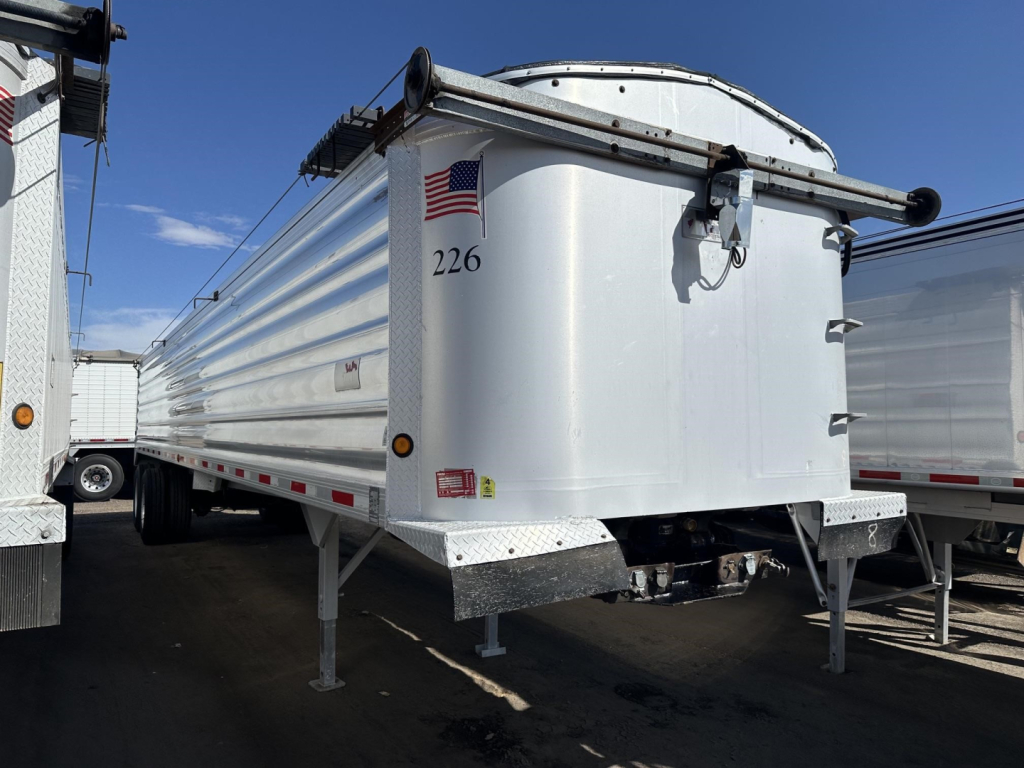
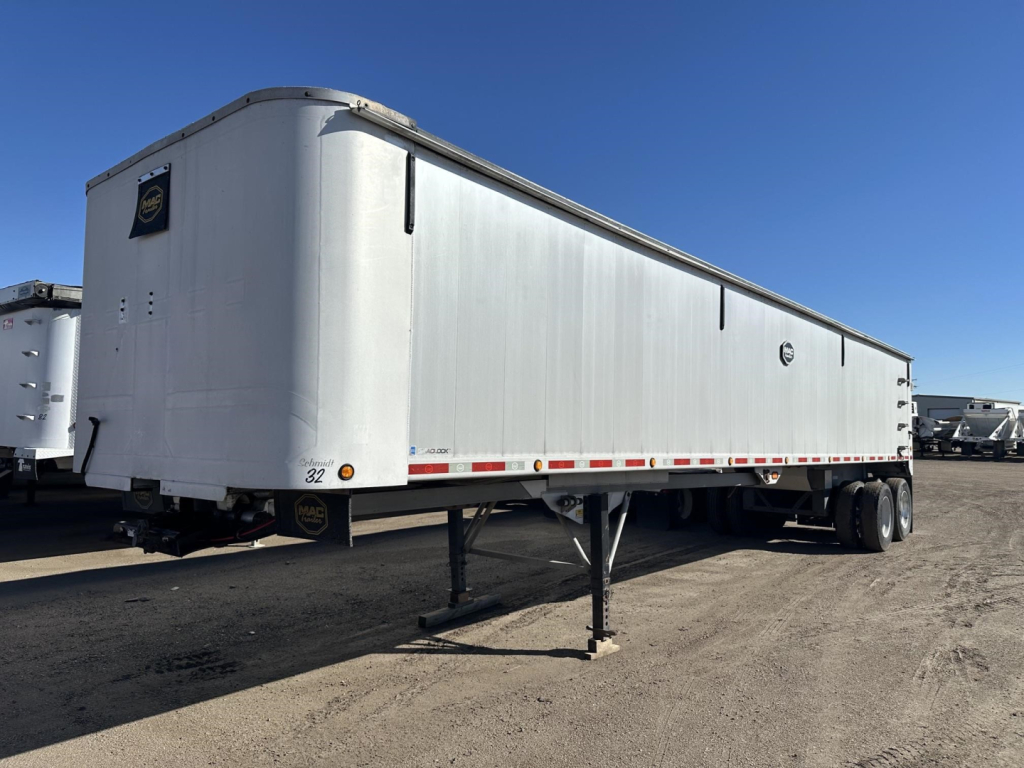
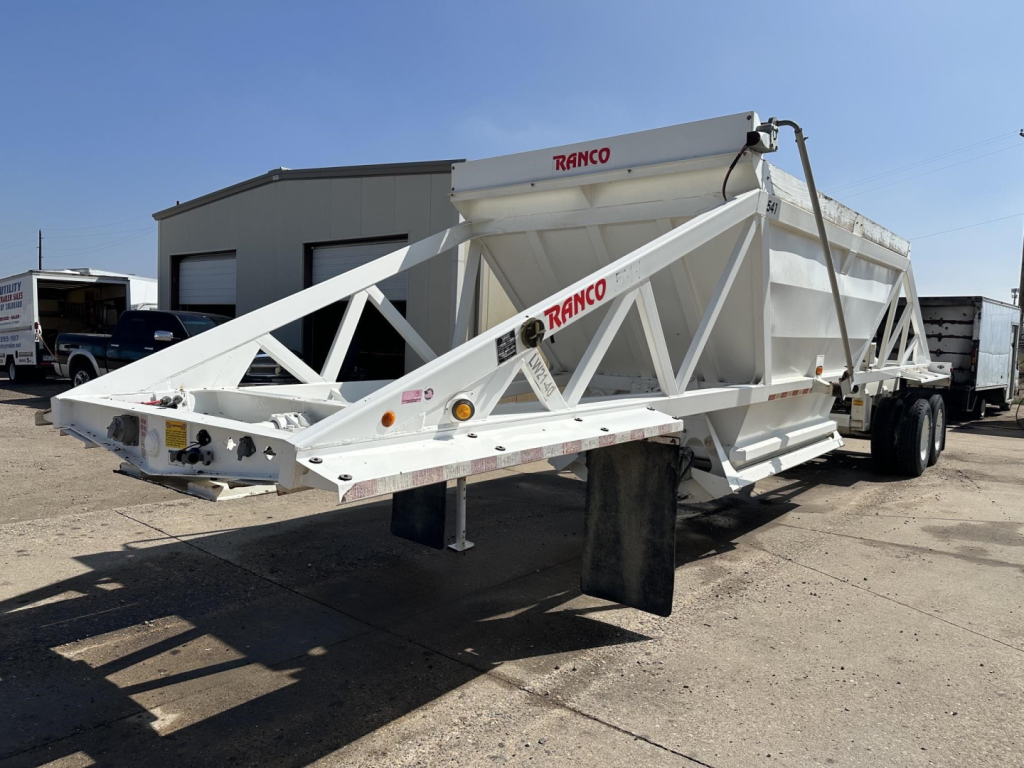
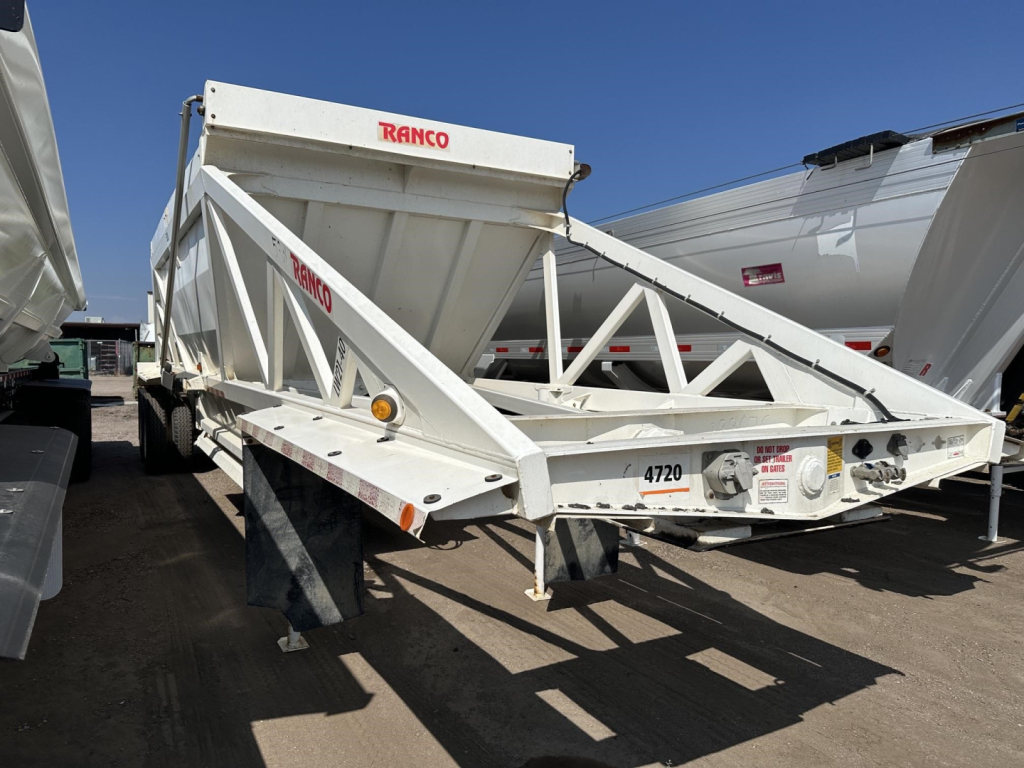
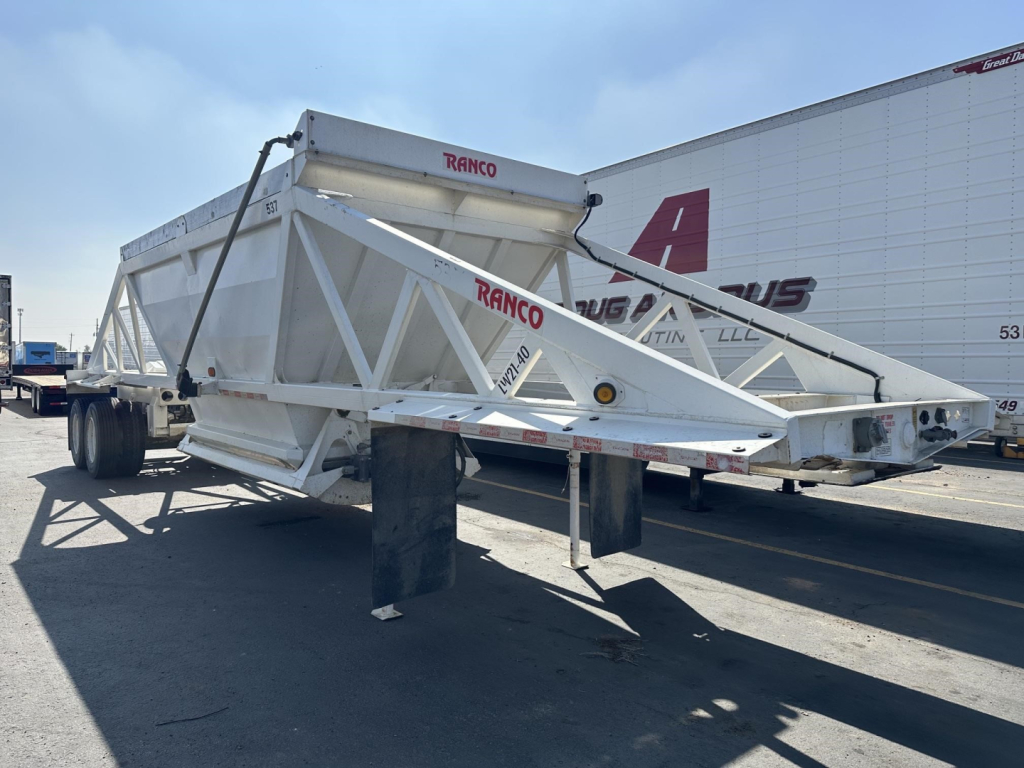
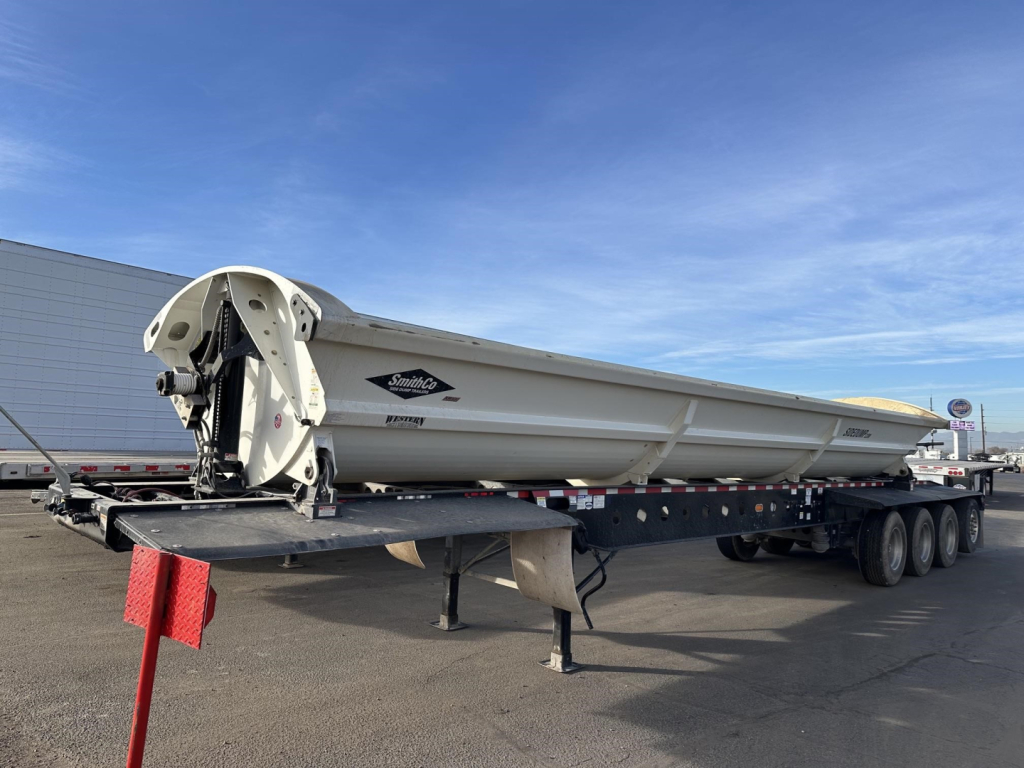
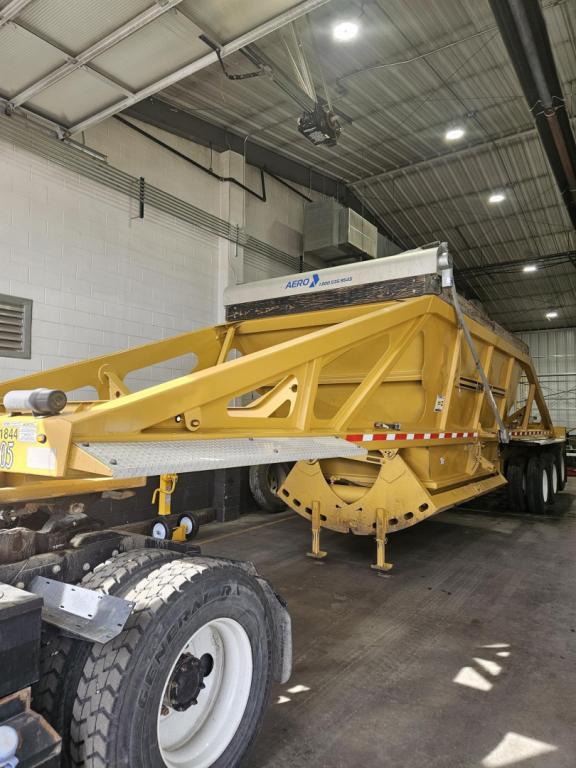
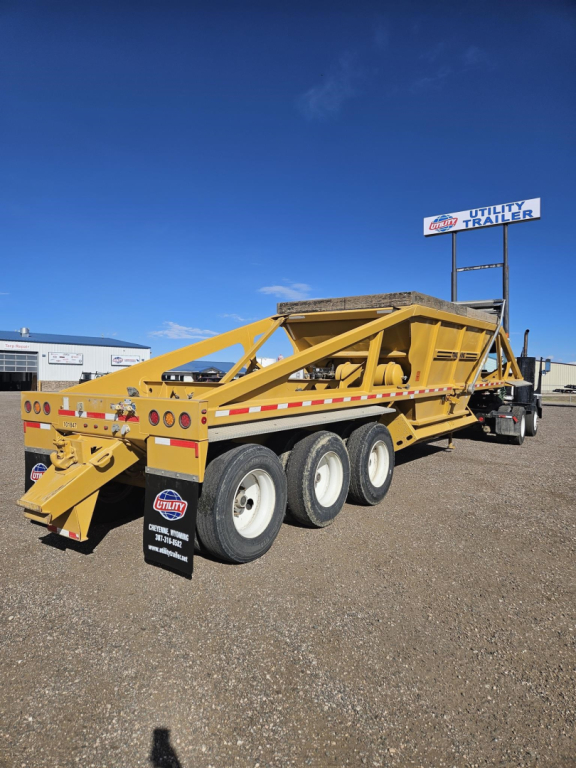
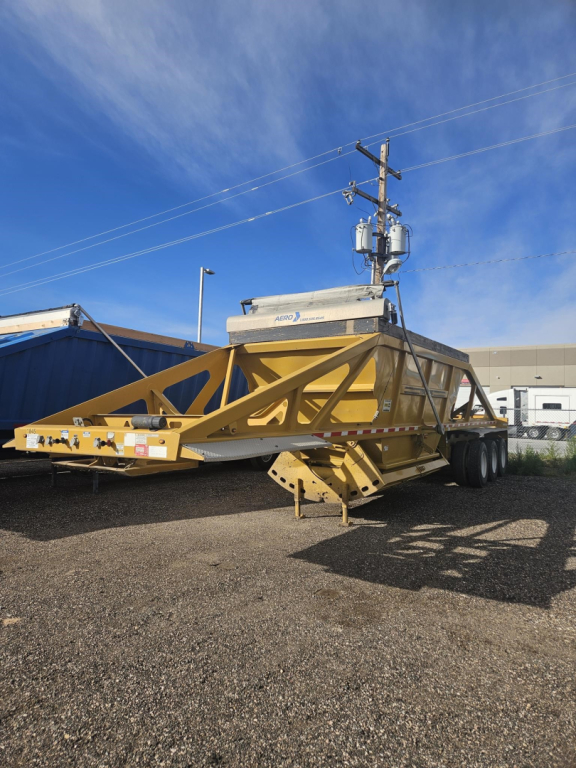
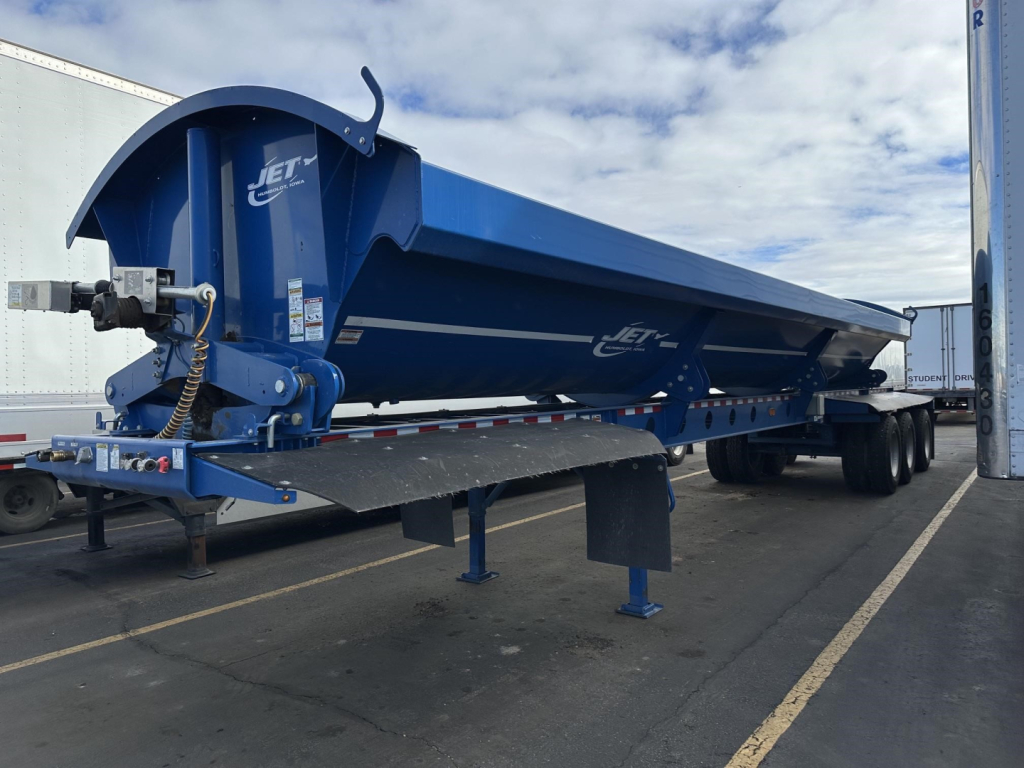
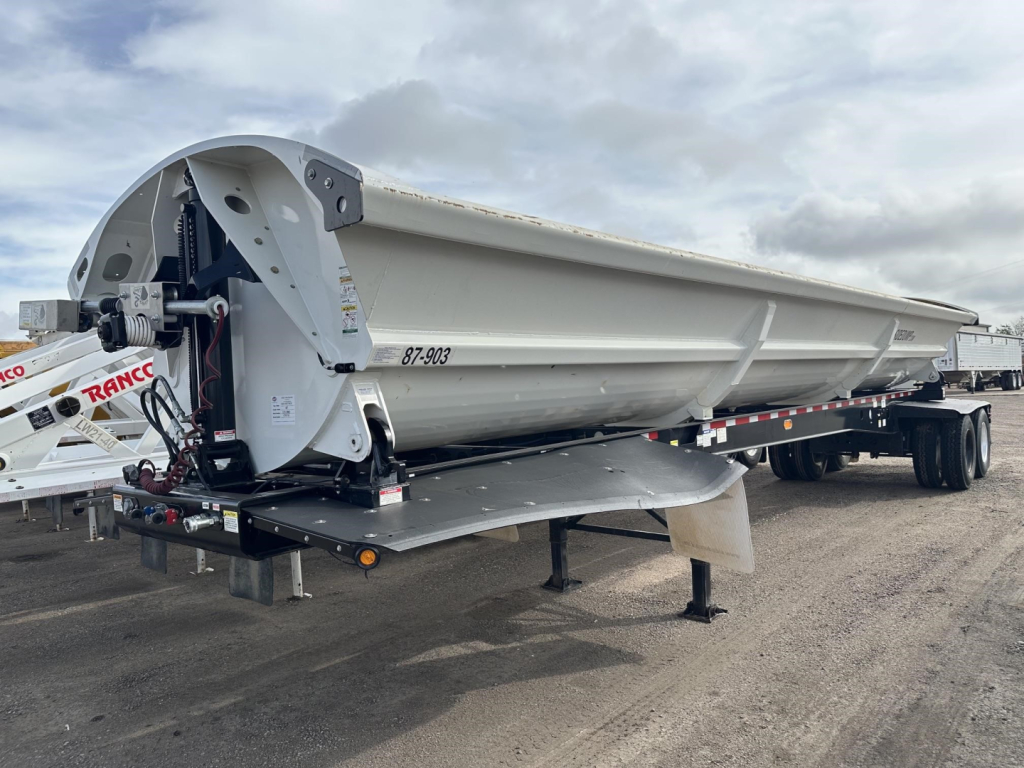
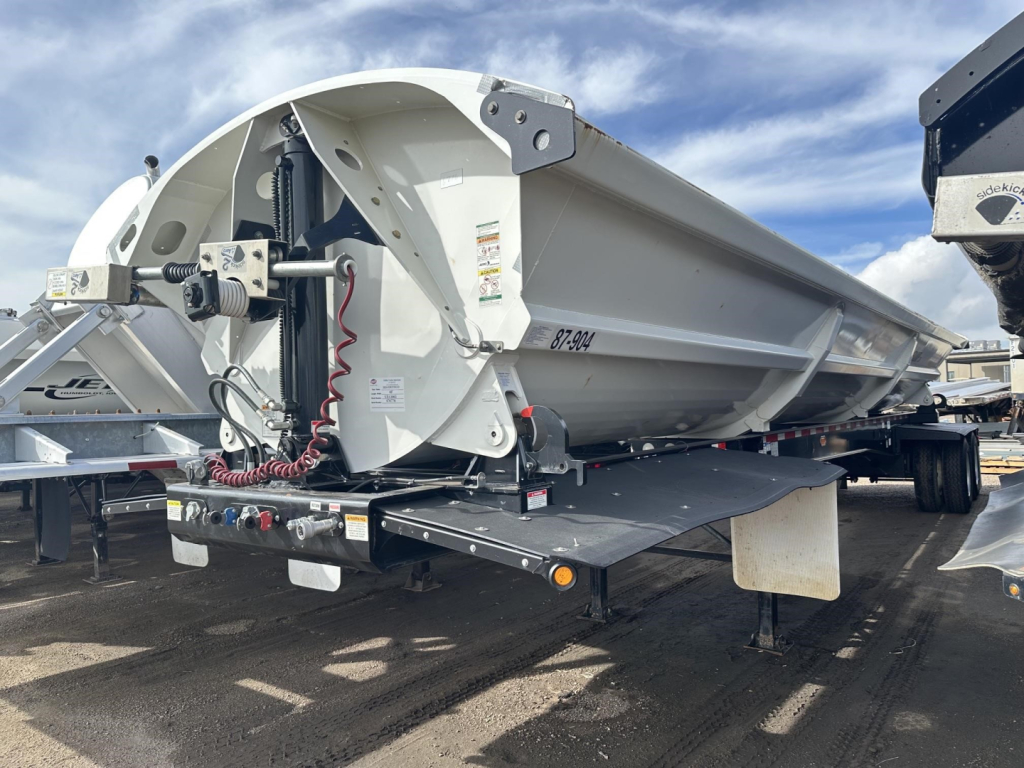
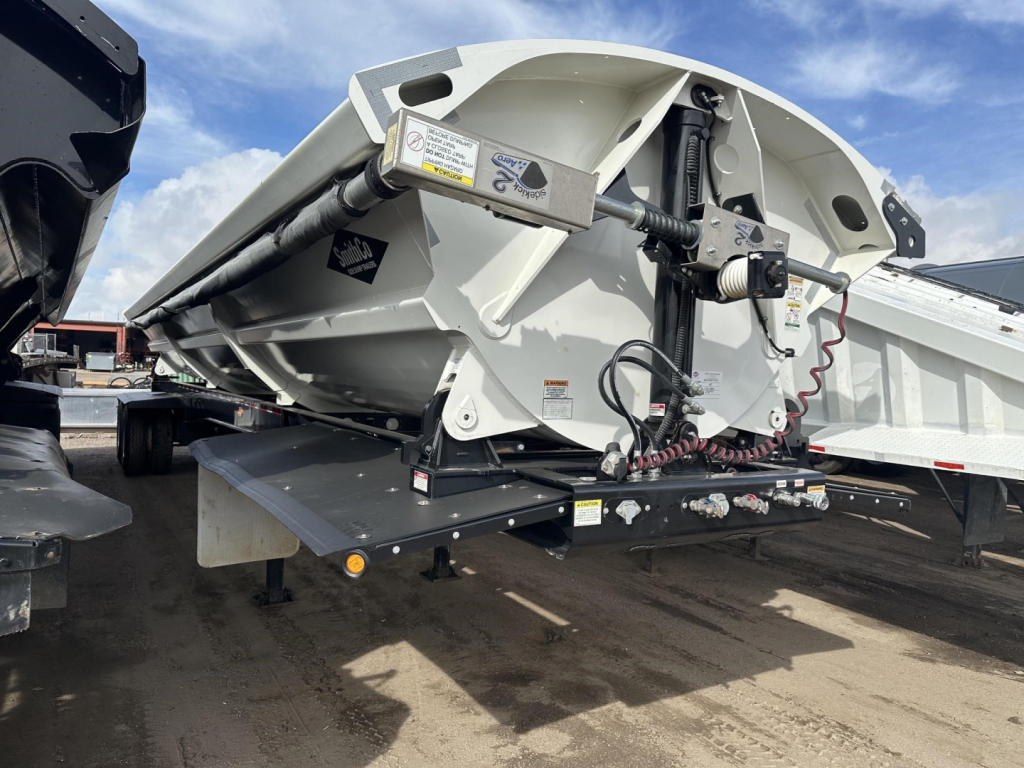
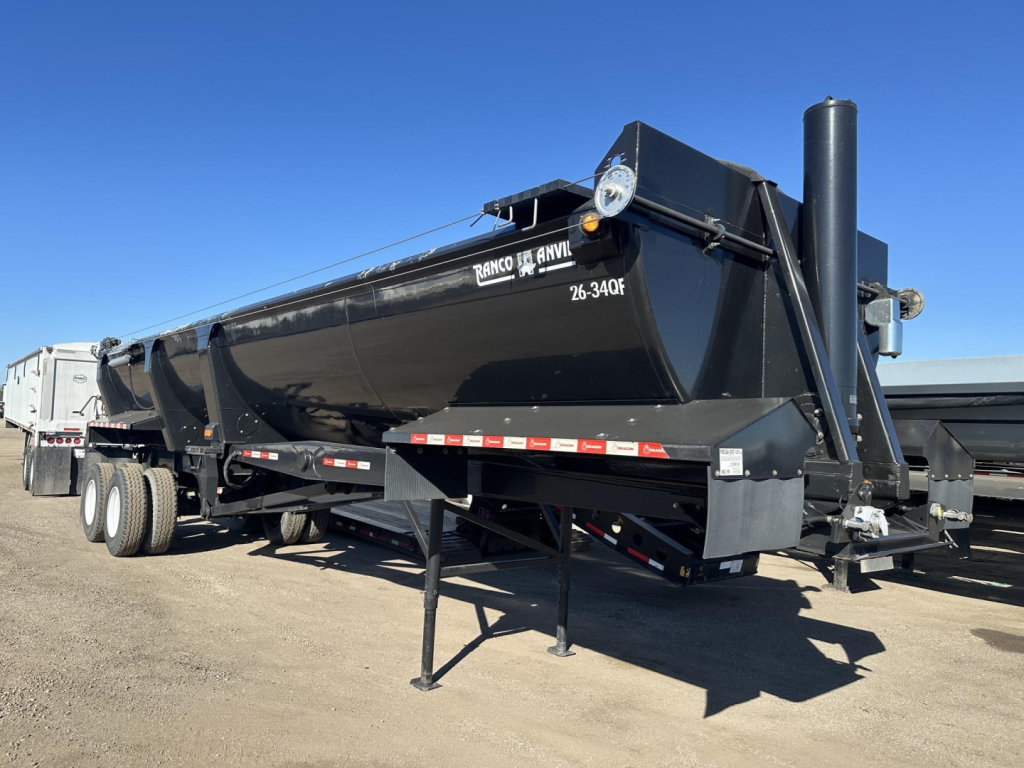
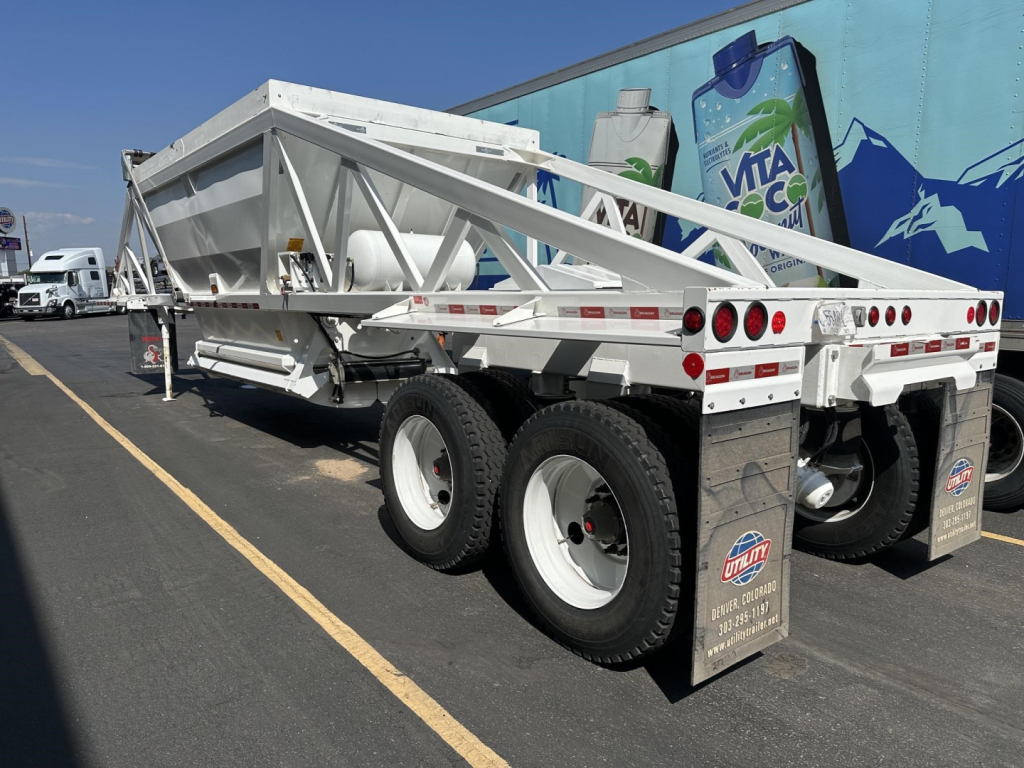
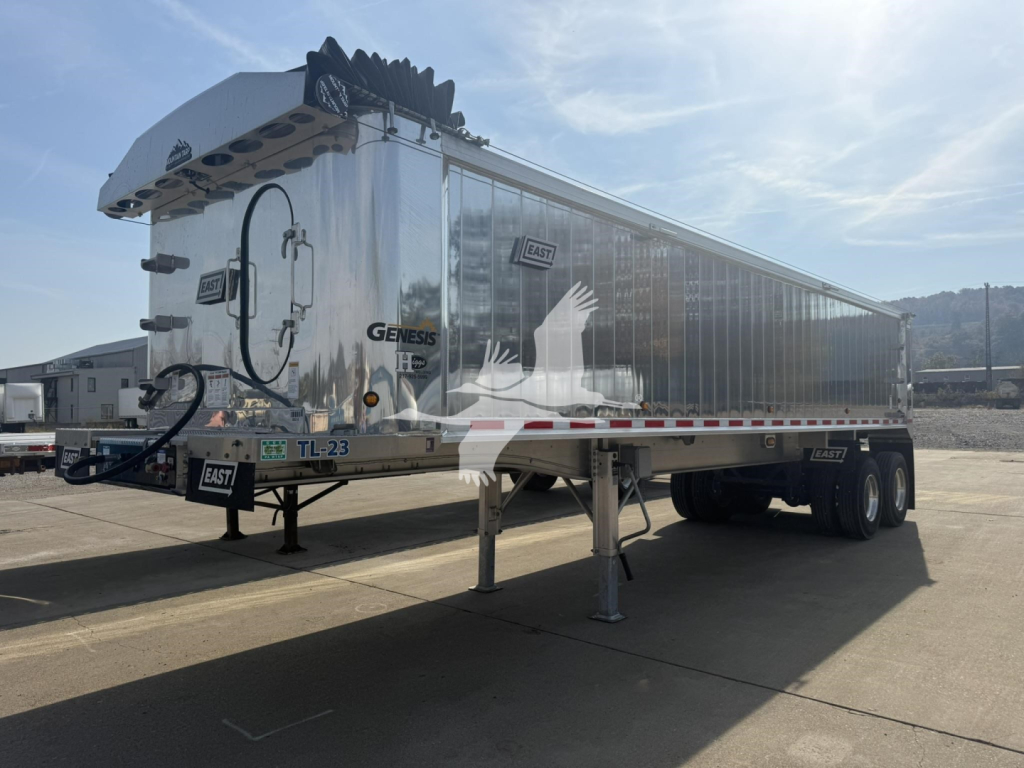
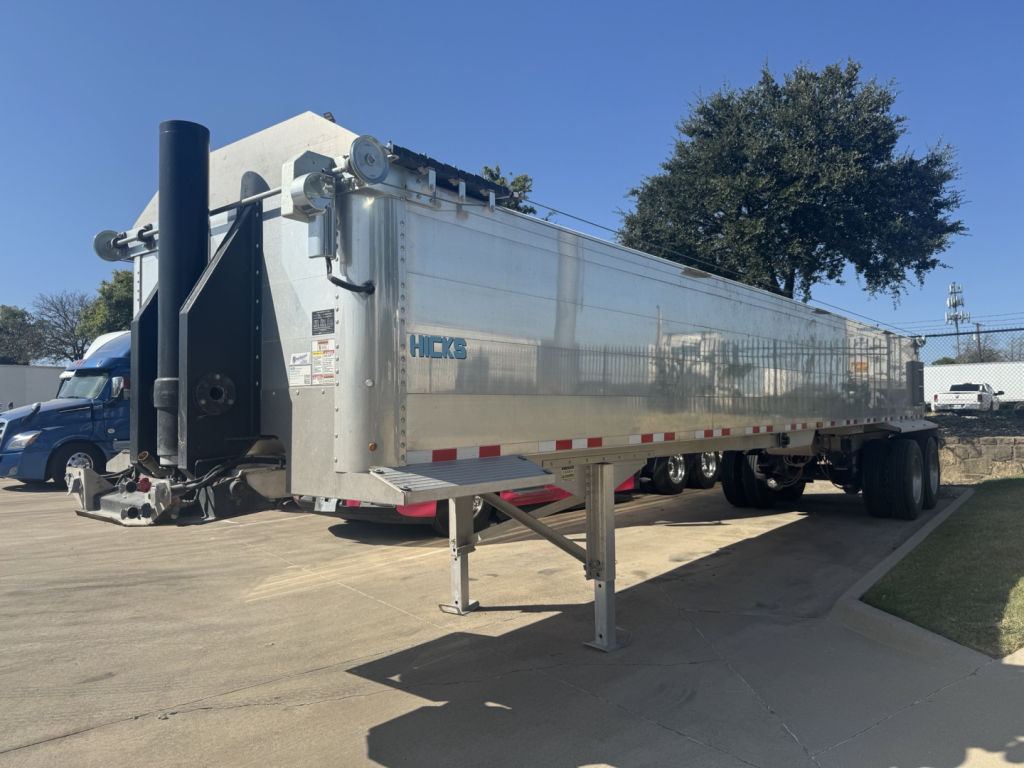
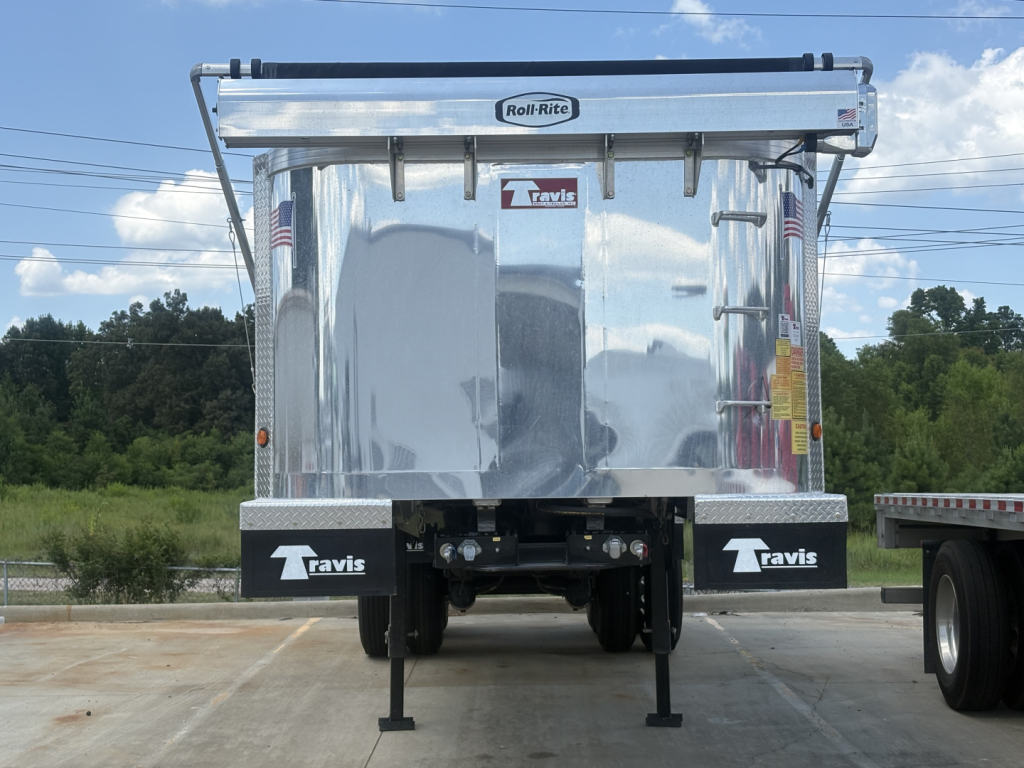
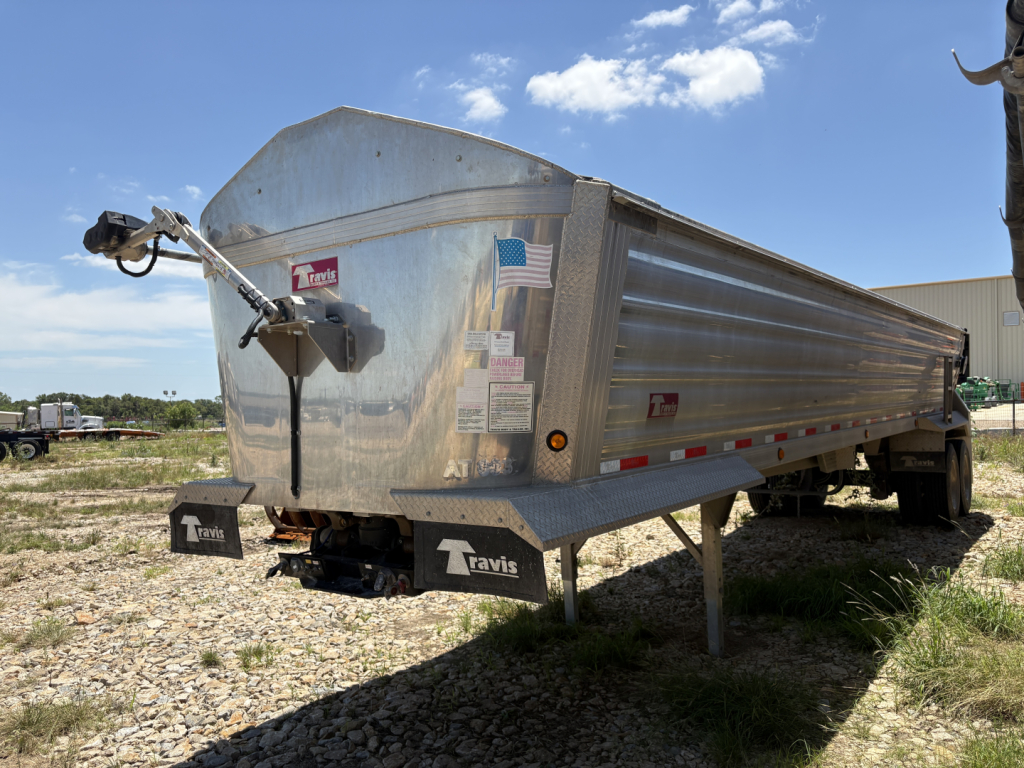
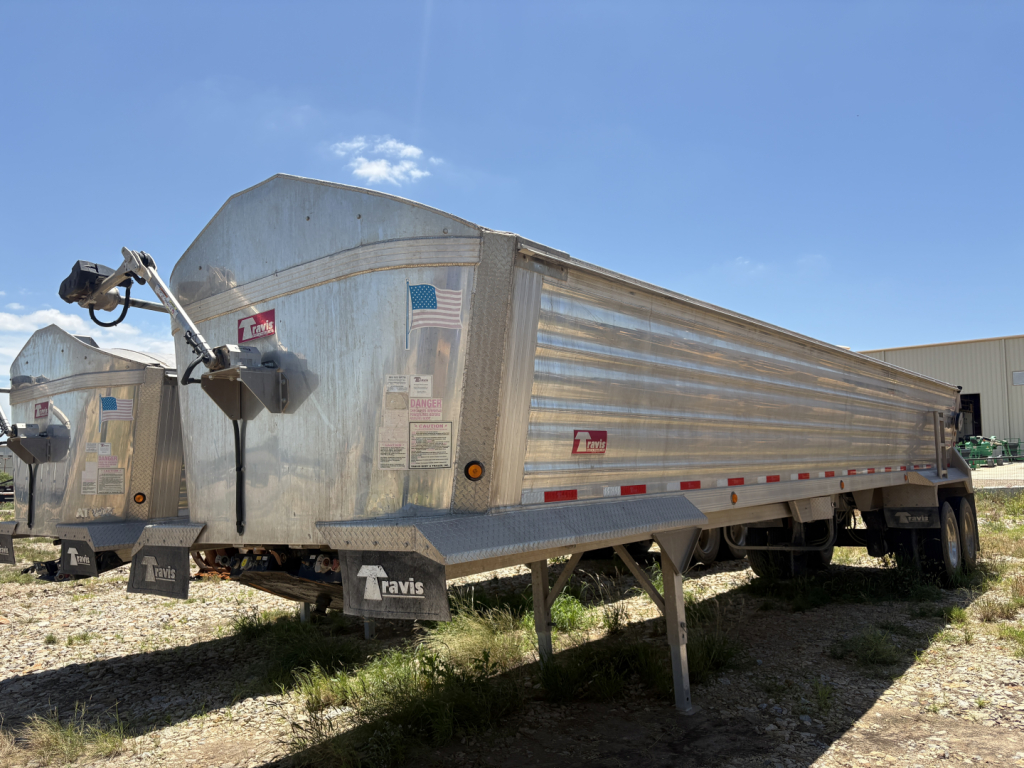
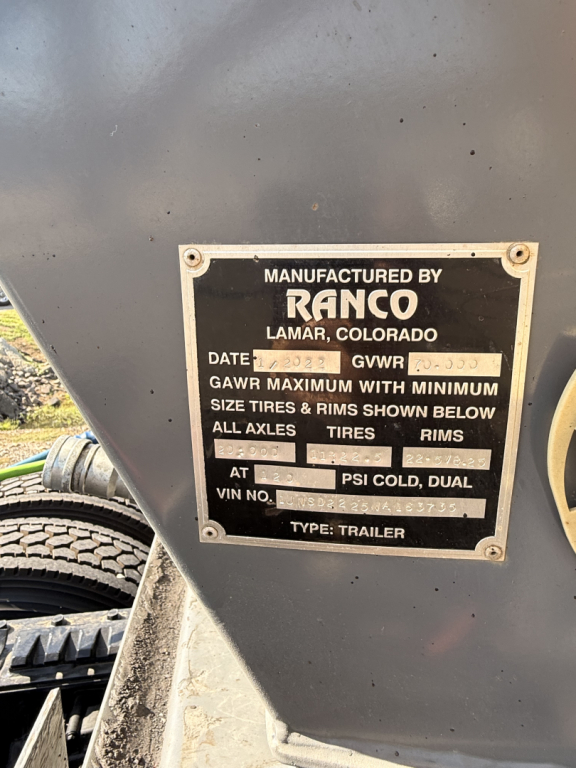
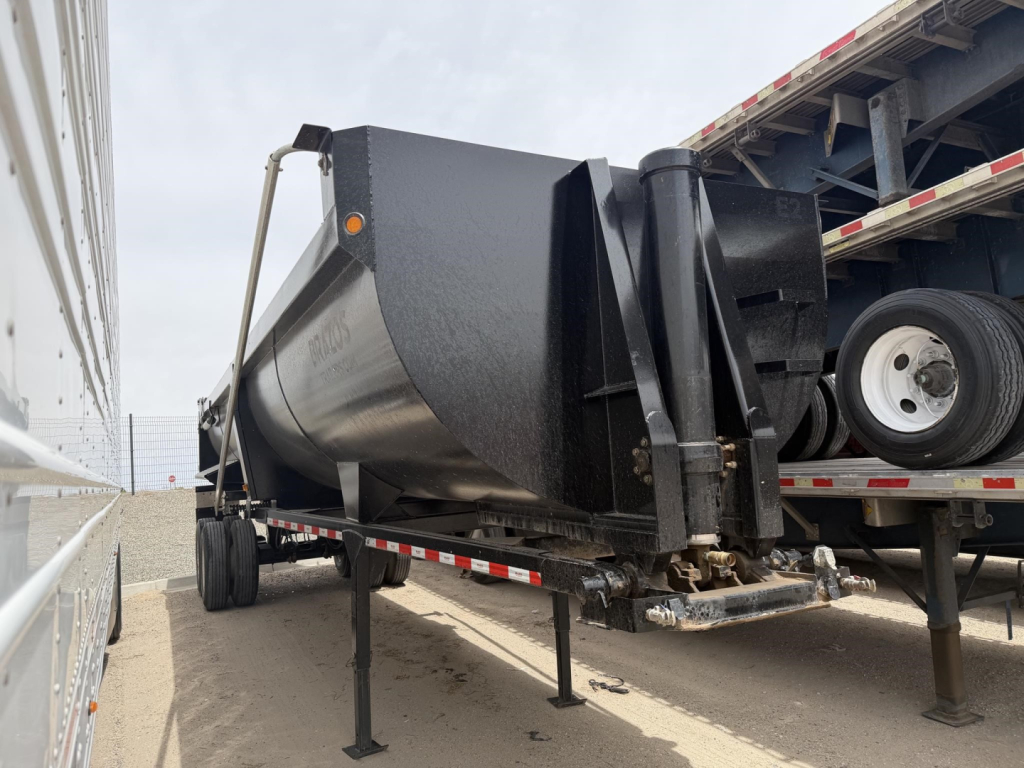
Showing 1 to 28 of 43 results
Selling a used dura haul dump trailer? List your used dura haul dump trailer for sale and reach thousands of commercial buyers.
Used Dura Haul Dump Trailers
The first thing to evaluate is discharge layout and suspension. A single hopper bottom dump is common for controlled spreading and straightforward maintenance, while gate limiters, windrow deflectors, and reliable control systems are important if the trailer will be used for shoulder work or tight spread specs. Air ride suspension is a strong feature on used dump trailers in this class because it helps protect the trailer structure, improves loaded ride quality, and can be a better fit for operators running mixed road surfaces. Closed tandem axle layouts are also common and can affect bridge law flexibility, tire wear patterns, and how the trailer tracks under load.
Body and component condition tell you more than paint ever will. Inspect the hopper, gate seals, hinges, cylinder mounts, crossmember area, and suspension attachment points for cracking, distortion, or signs of repeated overloading. On used Dura Haul dump trailers, tarp systems, flip tarp motors, boards, fenders, and lighting are all worth checking because these items affect daily usability and jobsite compliance. If the trailer has steel wheels, push blocks, or specialty controls such as Foreman-style gate controls, make sure those features match your operation and that replacement parts and service support are realistic in your market.
Capacity and application should drive the buying decision. A 40-foot bottom dump can be a productive tool for high-cycle material hauling, but payload, empty weight, kingpin setting, axle spacing, and gate operation speed all influence how profitable the trailer will be on your routes. Buyers comparing used Dura Haul dump trailers should focus on structural integrity, discharge consistency, suspension type, and overall spec alignment with the material being hauled. A well-matched dump trailer can move a lot of tons efficiently, but only if the gate system, frame, and running gear are set up for the work you actually do.
Frequently Asked Questions about Used Dura Haul Dump Trailers
What are used Dura Haul dump trailers commonly used for?
Used Dura Haul dump trailers are commonly used for hauling and unloading aggregate, sand, gravel, road base, and similar bulk materials. Many are bottom dump trailers, also called belly dumps, which are especially useful for road construction and paving support because they can spread material in a controlled manner while the trailer is moving. That makes them a practical choice for contractors who need fast cycle times and consistent placement on long jobs.
What should I inspect first on a used Dura Haul bottom dump trailer?
Start with the trailer's structural areas and discharge system. Inspect the hopper, gate assemblies, hinges, seals, cylinder mounting points, frame rails, crossmembers, and suspension mounts for cracks, repairs, or distortion. Then check the tarp system, electrical components, air system, brakes, and axle alignment. On a bottom dump trailer, gate performance is critical, so smooth opening, even closing, and proper limiter adjustment matter as much as the general chassis condition.
Is air ride a good option on a used dump trailer?
Air ride is a strong option for many dump trailer applications because it improves ride quality, reduces shock transfer into the frame and body, and can help protect both the trailer and the load on rough roads. It is often preferred for highway-oriented aggregate hauling and jobs that involve longer distances or mixed surfaces. Buyers should still verify the condition of air bags, valves, shocks, and related suspension components, since deferred maintenance can offset the benefits.
What is the advantage of a bottom dump trailer compared to an end dump?
A bottom dump trailer unloads through gates in the belly of the trailer, allowing material to be discharged in a controlled line while moving forward. That is a major advantage for road work, shoulder building, and base spreading. An end dump can handle different material types and dumping scenarios, but it also requires raising the body, which can increase tip-over risk on uneven or soft ground. The right choice depends on the material, unloading environment, and whether spread control is part of the job.
How do I know if a used Dura Haul dump trailer is properly spec'd for my operation?
Match the trailer's length, axle configuration, kingpin setting, suspension type, empty weight, and gate design to the material you haul and the routes you run. A trailer that works well for highway aggregate service may not be ideal for tighter local jobs or heavier-density materials. Buyers should also consider bridge laws, tare weight, discharge speed, tarp setup, and compatibility with their tractors and maintenance practices. The best spec is the one that supports legal payload, efficient unloading, and dependable service in your specific application.