
Used Dorsey Flatbed Trailers For Sale in New York
Browse used Dorsey flatbed trailers for sale, including steel deck workhorses built for lumber, steel, machinery, and general freight.
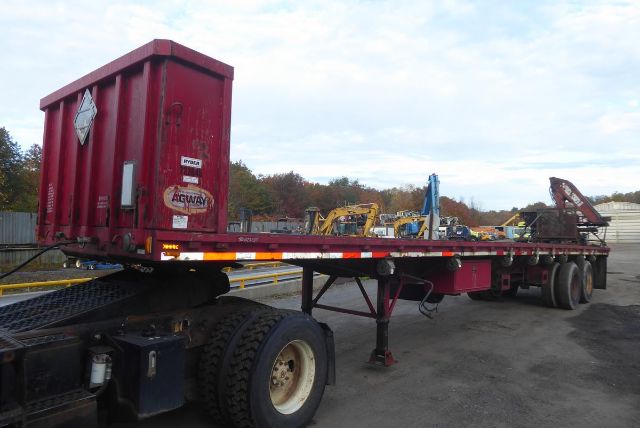
Selling a used dorsey flatbed trailer? List your used dorsey flatbed trailer for sale and reach thousands of commercial buyers.
Used Dorsey Flatbed Trailers in New York
The main buying decision with an older Dorsey flatbed is structural condition. Buyers should pay close attention to the main rails, crossmembers, floor attachment points, suspension hangers, slider box condition, and any signs of repaired damage around the kingpin area or rear frame. On used Northeast trailers, corrosion matters as much as mileage or age. Rust in the frame, cracked welds, worn flooring, and brake or air system neglect can turn a low-price trailer into a costly project. If the trailer has a sliding tandem, confirm the slider locks engage correctly and inspect the rail wear. Tire size, wheel type, brake condition, and landing gear operation should also be checked closely.
Specs vary by year, but many Dorsey flatbeds in the used market fall into the 45-foot to 48-foot range, with legal GVWR and structural ratings suited for general commodity work. Steel and combo construction are both relevant in this category, though older Dorsey trailers are often full steel units, which can offer durability at the expense of tare weight. Wood floors remain common because they are practical to repair and work well with chains, straps, dunnage, and forklift loading. Some units also show up with specialty additions such as headache racks, pipe stakes, winches, or even trailer-mounted cranes, but those extras need to be evaluated as separate systems rather than assumed value.
For buyers in New York, road salt, seasonal storage conditions, and inspection compliance should be part of the purchase decision. A used Dorsey flatbed can still be a productive trailer if the frame is sound and the running gear has been maintained, but the value is in the structure first and the accessories second. Look for evidence of regular brake work, usable floor life, straight rails, and a deck that matches the freight you actually haul. For regional building supply, equipment moves, scrap, or general open-deck freight, a used Dorsey flatbed trailer can be a cost-effective fit when its condition lines up with the job.
Frequently Asked Questions about Used Dorsey Flatbed Trailers in New York
What should I inspect first on a used Dorsey flatbed trailer?
Start with the frame and running gear. Inspect the main rails, crossmembers, upper coupler area, slider assembly, suspension hangers, brake components, and flooring. On older flatbeds, structural rust, bad repairs, and cracked welds usually matter more than appearance. A sound frame and usable axle-suspension-brake setup are the foundation of trailer value.
Are older steel Dorsey flatbeds still good for heavy work?
They can be, provided the trailer has not lost structural integrity. Older steel flatbeds are often durable and straightforward to maintain, which is why they remain in service hauling steel, lumber, machinery, and general freight. The tradeoff is higher empty weight compared with newer aluminum or combo trailers. Buyers should confirm the trailer's actual condition and structural rating before assigning it to dense freight.
What axle and suspension setups are common on used Dorsey flatbeds?
Tandem axle configurations are the most common, often with a sliding closed tandem to help with bridge law compliance and load positioning. Depending on age and specification, you may see spring suspension or air ride. Spring ride is simple and durable, while air ride is often preferred for freight protection and ride quality. The right setup depends on the type of cargo, route profile, and maintenance expectations.
Does a trailer-mounted crane add value on a used flatbed?
Only if it is complete, functional, and supported by documentation or a credible inspection. A trailer-mounted crane can expand jobsite utility, but it also adds weight, maintenance exposure, and potential hydraulic or structural repair costs. On an older used trailer, the crane should be evaluated separately from the trailer itself, including hydraulic lines, cylinders, controls, mounting points, and any certification or compliance requirements.
Why does regional use in New York matter when buying a used flatbed trailer?
New York operating conditions can accelerate corrosion because of road salt, moisture, and freeze-thaw cycles. That makes understructure inspection especially important. Buyers should check for scale, rust-through, seized adjusters, compromised air lines, weak floors, and corrosion around the slider and suspension mounts. A trailer that looks serviceable from the side can still have costly underbody issues if it spent years in harsh winter conditions.