
Used Dorsey Flatbed Trailers For Sale in Illinois
Compare used Dorsey flatbed trailers for sale in Illinois by deck capacity, axle layout, and salt-related corrosion before choosing a platform trailer.
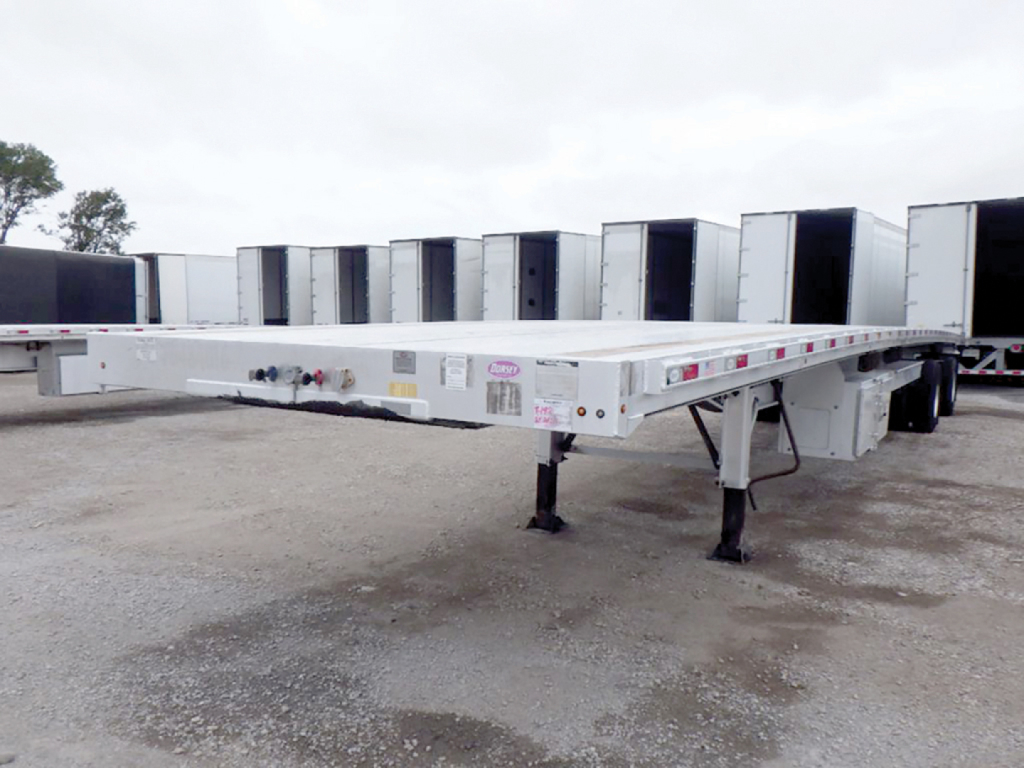
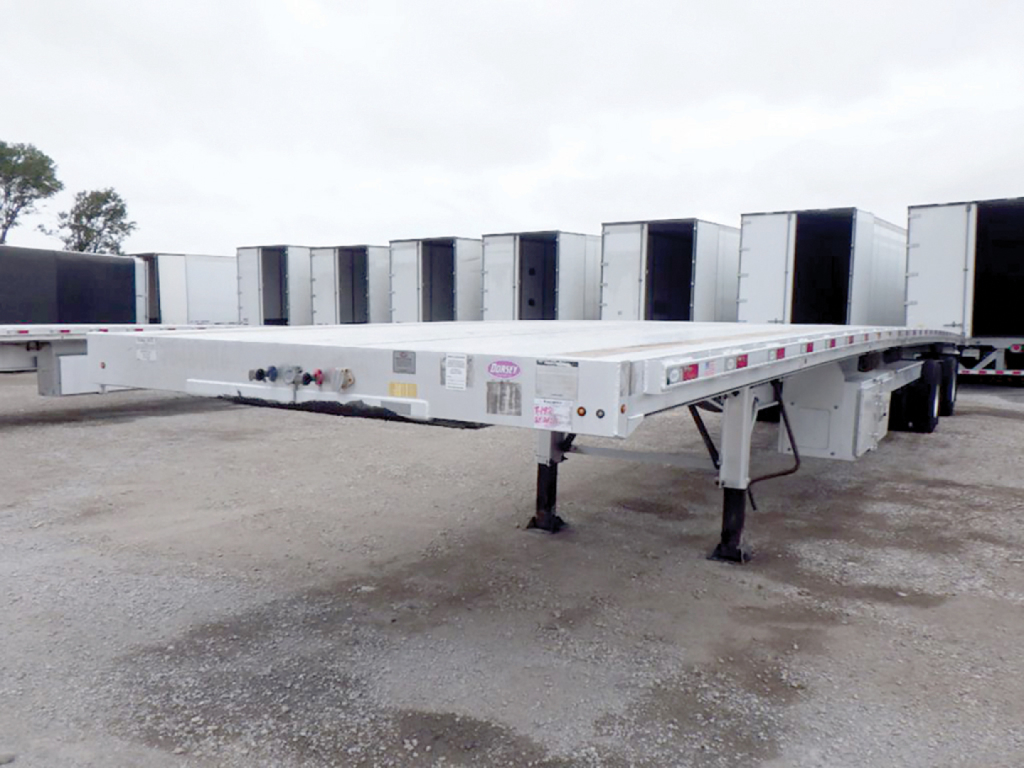
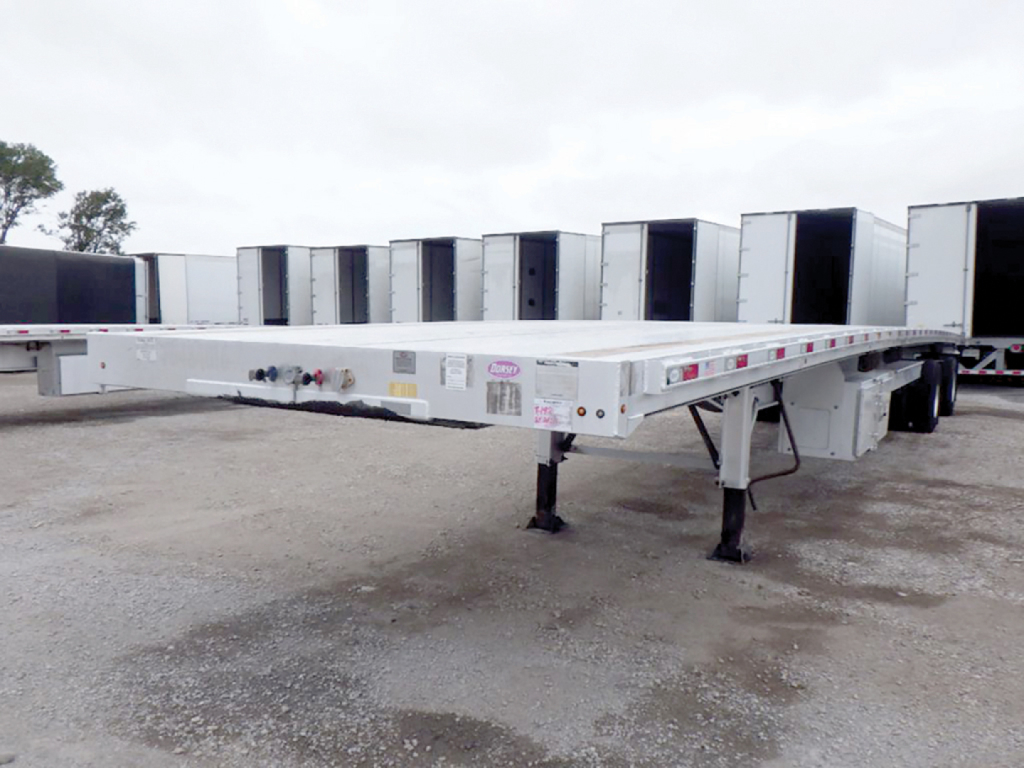
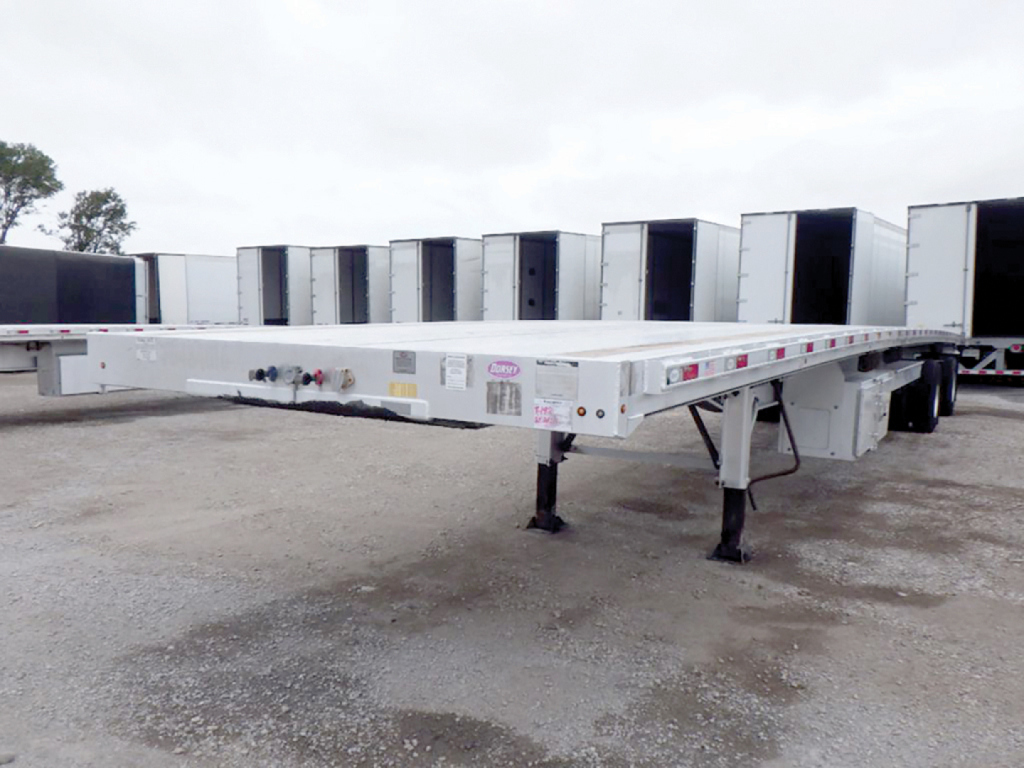
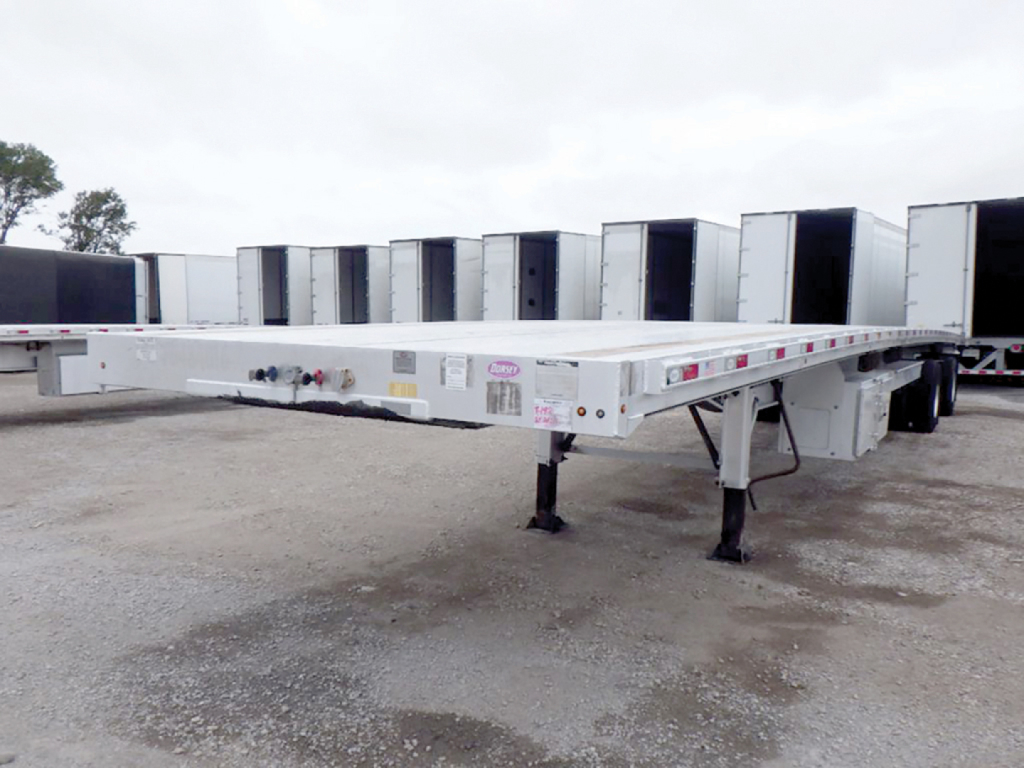
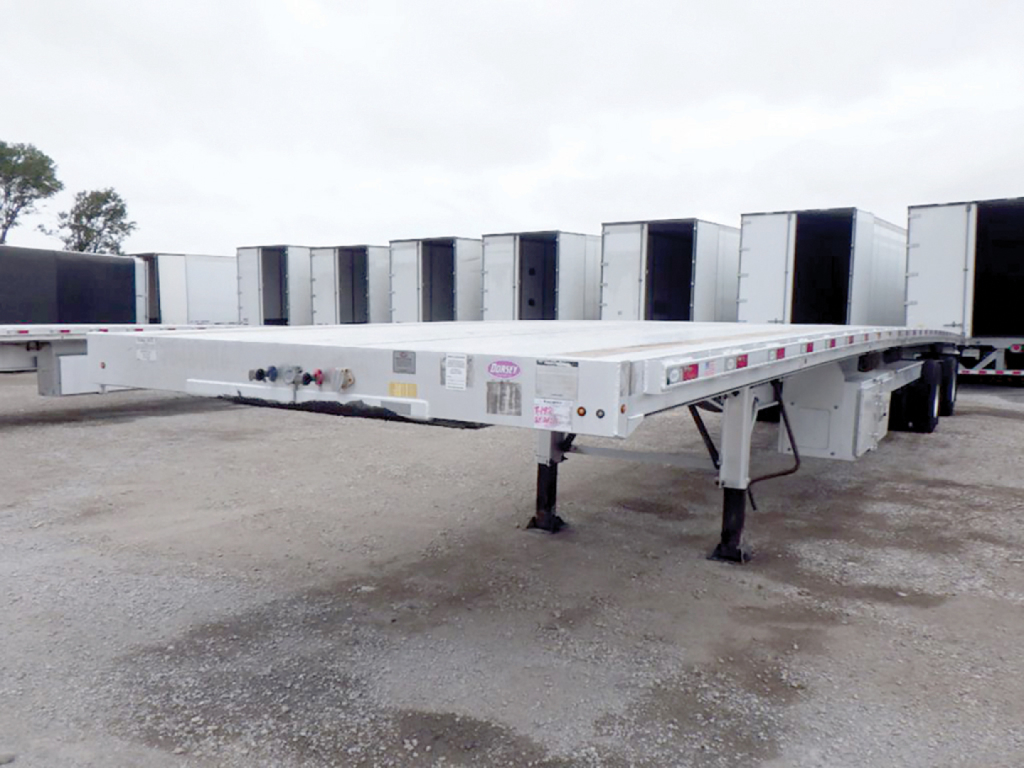
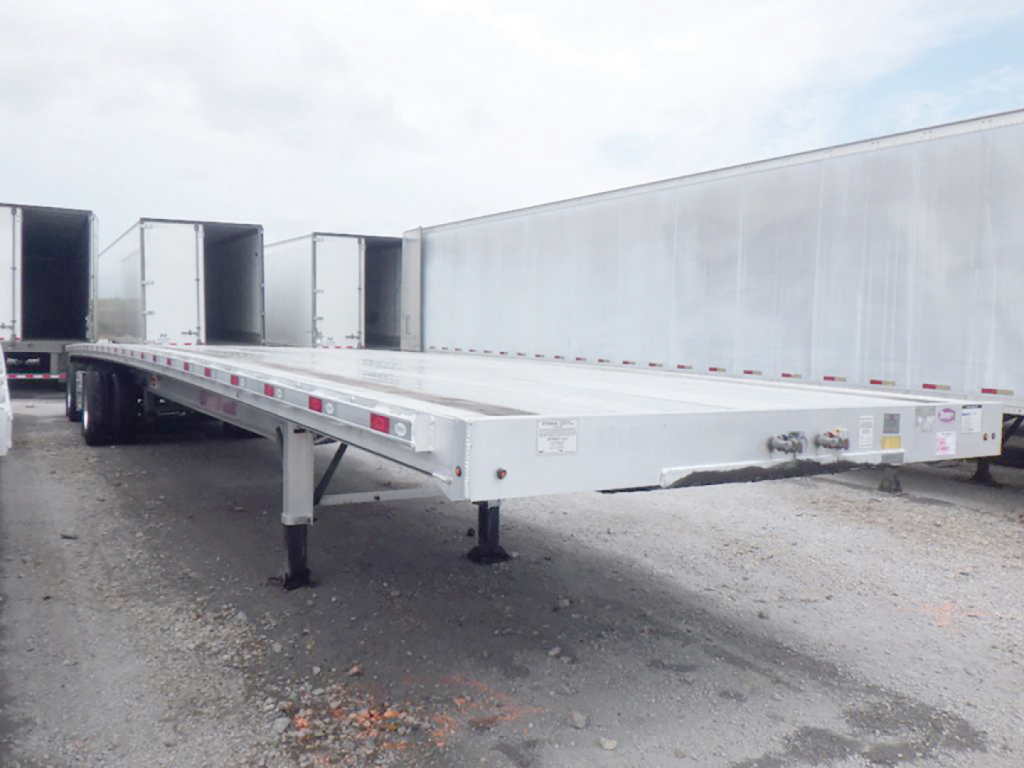
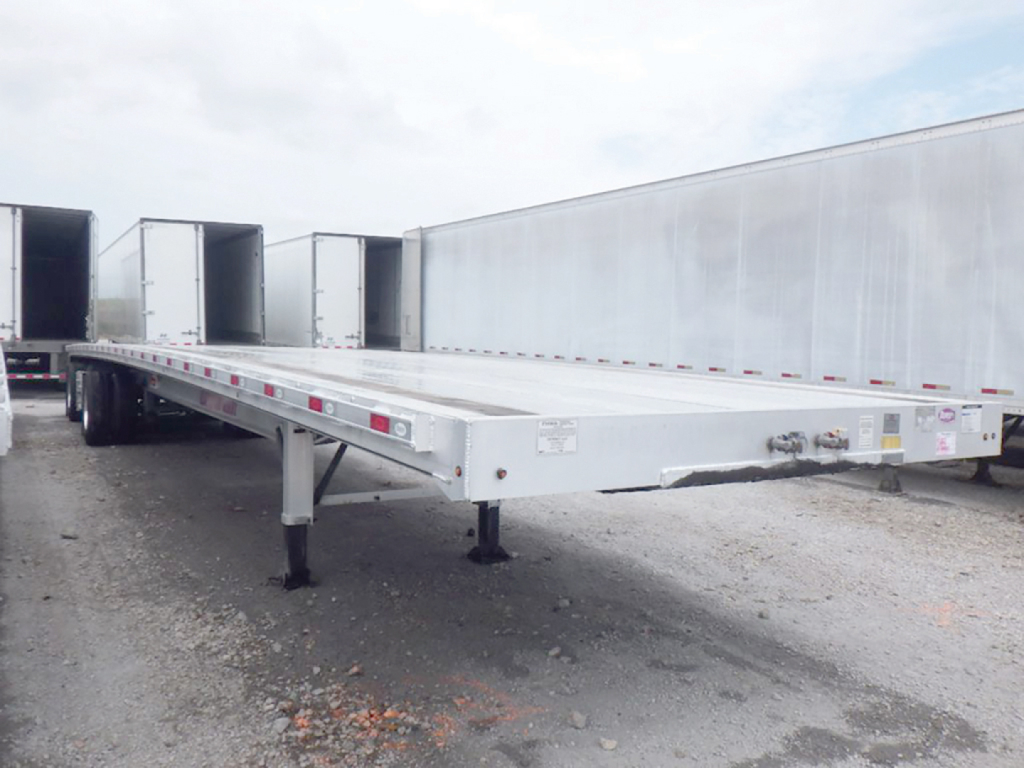
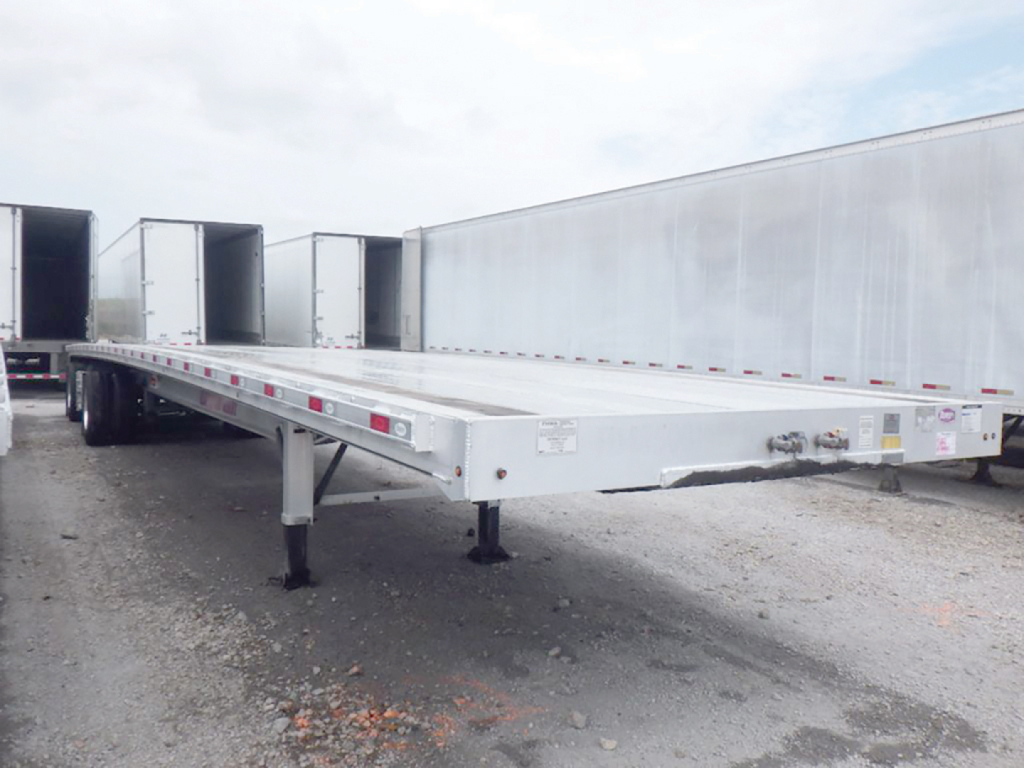
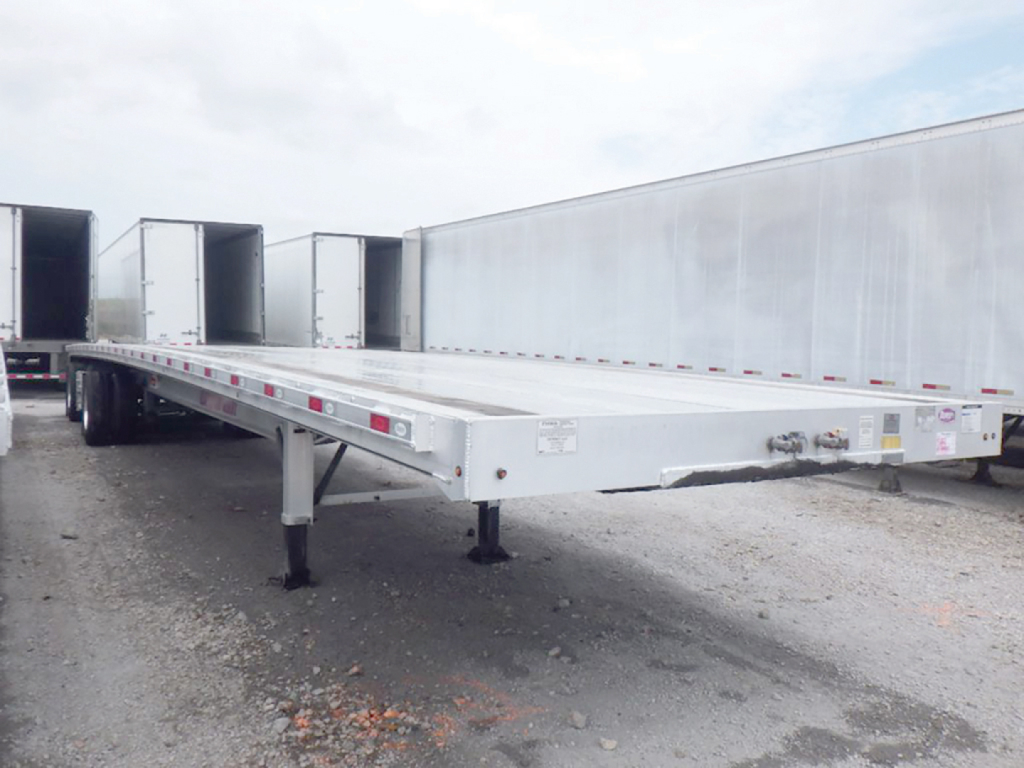
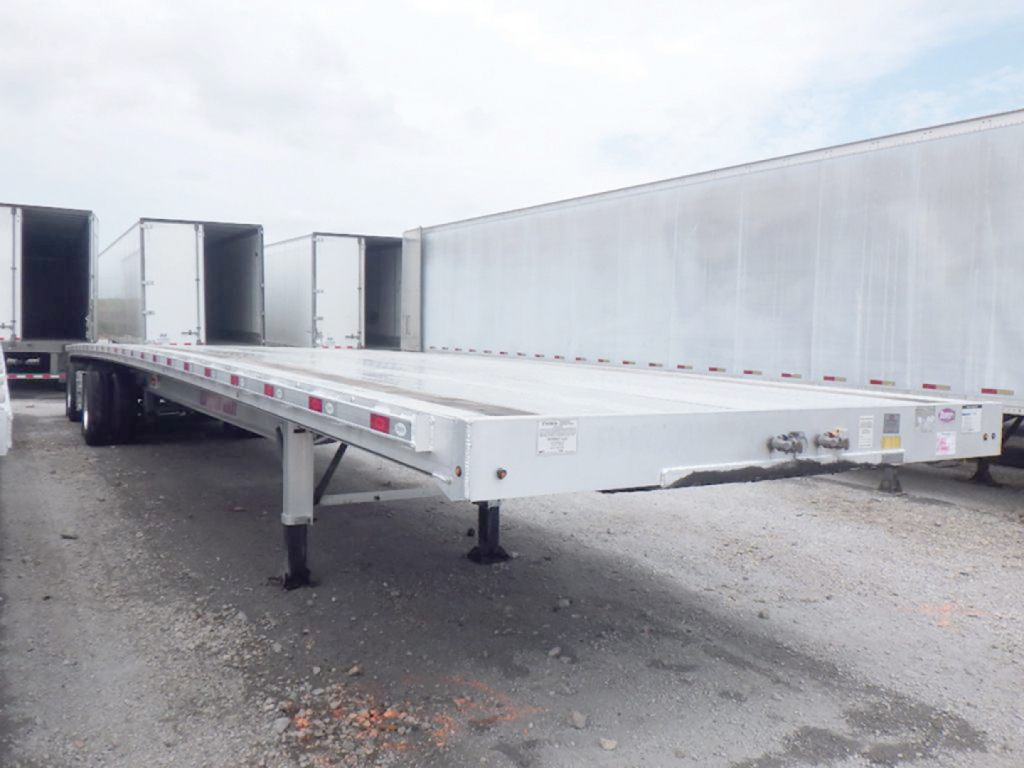
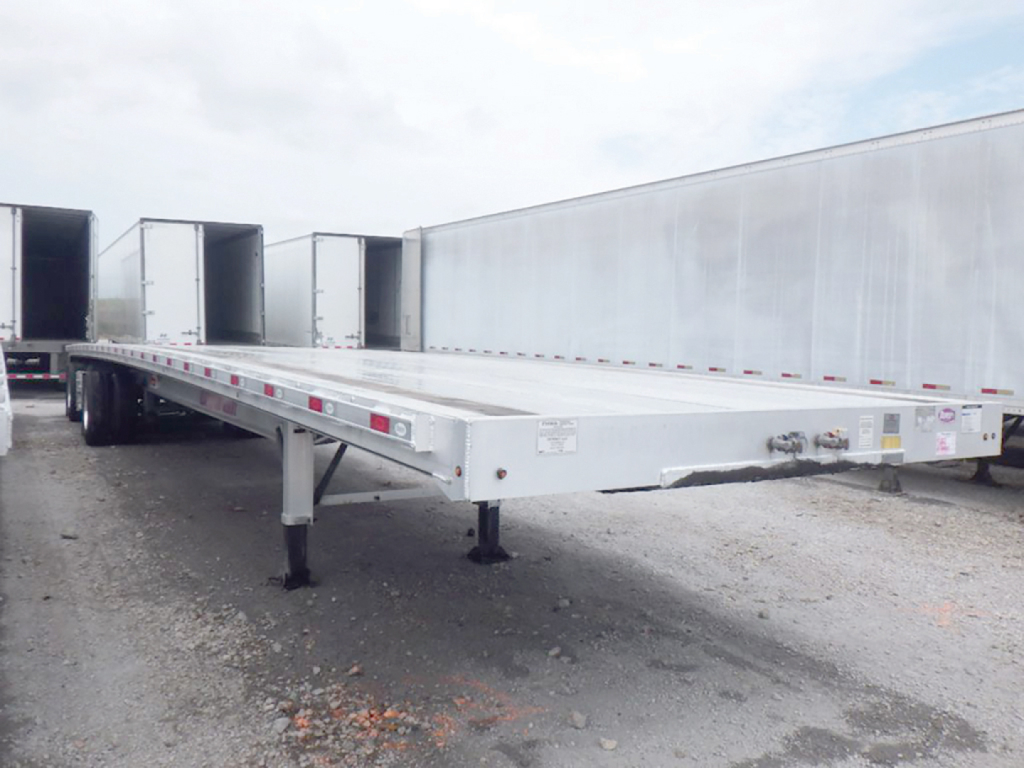

Selling a used dorsey flatbed trailer? List your used dorsey flatbed trailer for sale and reach thousands of commercial buyers.
Used Dorsey Flatbed Trailers in Illinois
Frequently Asked Questions about Used Dorsey Flatbed Trailers in Illinois
Can a spread-axle Dorsey flatbed legally haul more weight in Illinois?
A spread-axle Dorsey flatbed can improve legal axle-load distribution, but it does not automatically increase legal gross combination weight in Illinois. The usual Interstate gross limit is 80,000 pounds, subject to axle limits and the Federal Bridge Formula. Trailer component ratings still apply. Check Illinois route restrictions, posted bridges, and local delivery roads before planning a heavy load.
Can an aluminum Dorsey flatbed haul steel coils?
An aluminum Dorsey flatbed can haul steel coils only within its verified concentrated-load rating and specified loading arrangement. A full-length distributed payload rating does not establish capacity for a short, heavy coil footprint. Confirm capacity for the intended load length, inspect the supporting crossmembers, and use suitable coil racks, blocking, and securement for the coil's orientation.
How do I check the ABS on a used Dorsey flatbed?
An ABS-equipped Dorsey flatbed should complete its warning-lamp self-check and show no active faults on a compatible diagnostic tool. Inspect wheel-speed sensor wiring, connectors, and power supply connections for damage or salt corrosion. A lamp that stays dark does not prove the system works. Older trailers may predate ABS requirements, so verify the build date and original equipment before assuming components are missing.
How do I know a used Dorsey flatbed will fit my tractor?
Fifth-wheel height and kingpin clearance are the first compatibility checks for a used Dorsey flatbed. Confirm that the coupled trailer runs level at normal suspension ride height, then check trailer-to-cab clearance and clearance around the landing gear during turns. Verify air and electrical connections reach without stretching or dragging. Scale the loaded combination to confirm steer, drive, and trailer axle weights.