
Used Custom Repurposed Frameless Dump Trailers For Sale
Browse used custom repurposed frameless dump trailers with specs like aluminum bodies, tandem axles, roll tarps, liners, and grain doors.
No exact matches found for your search
Showing Used Dump Trailers instead.
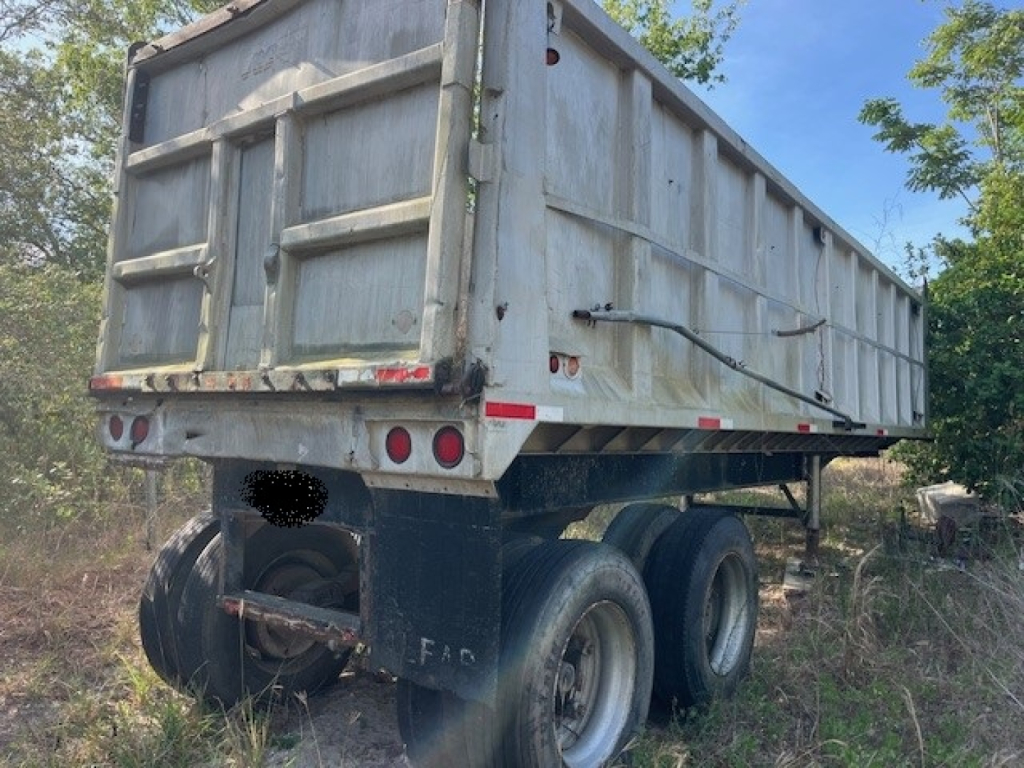
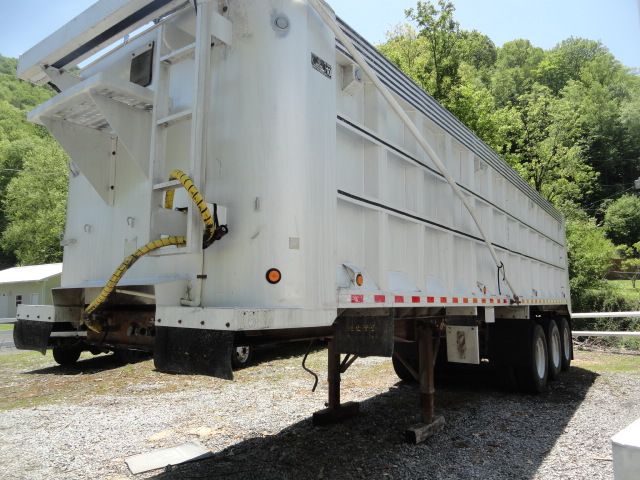
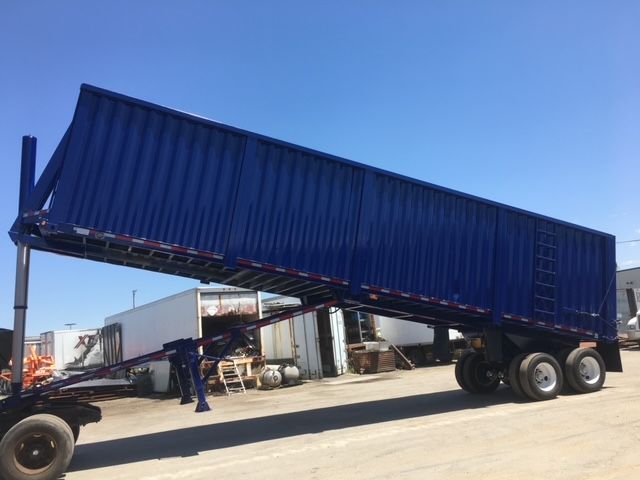
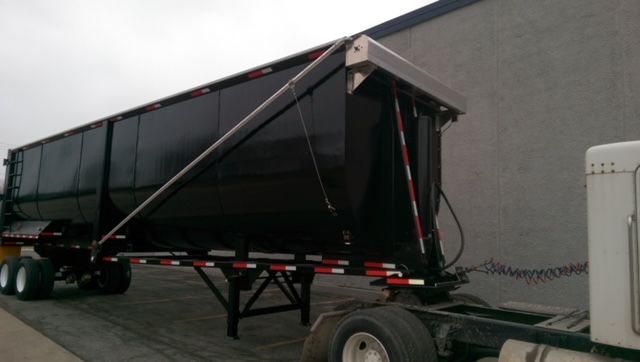
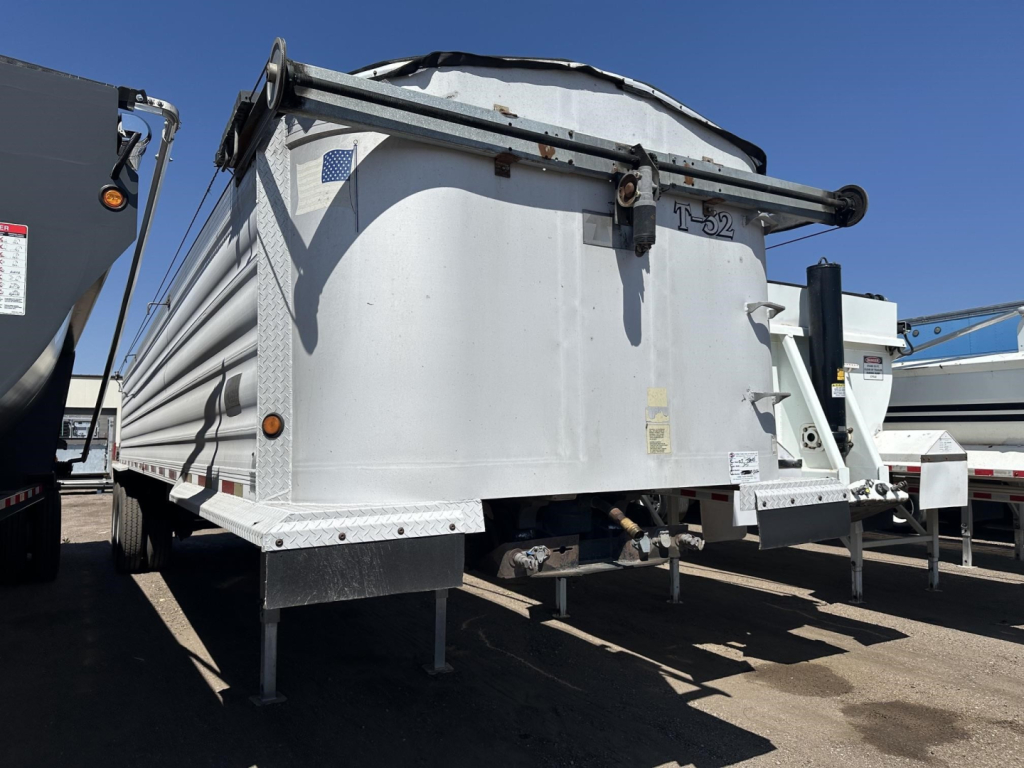
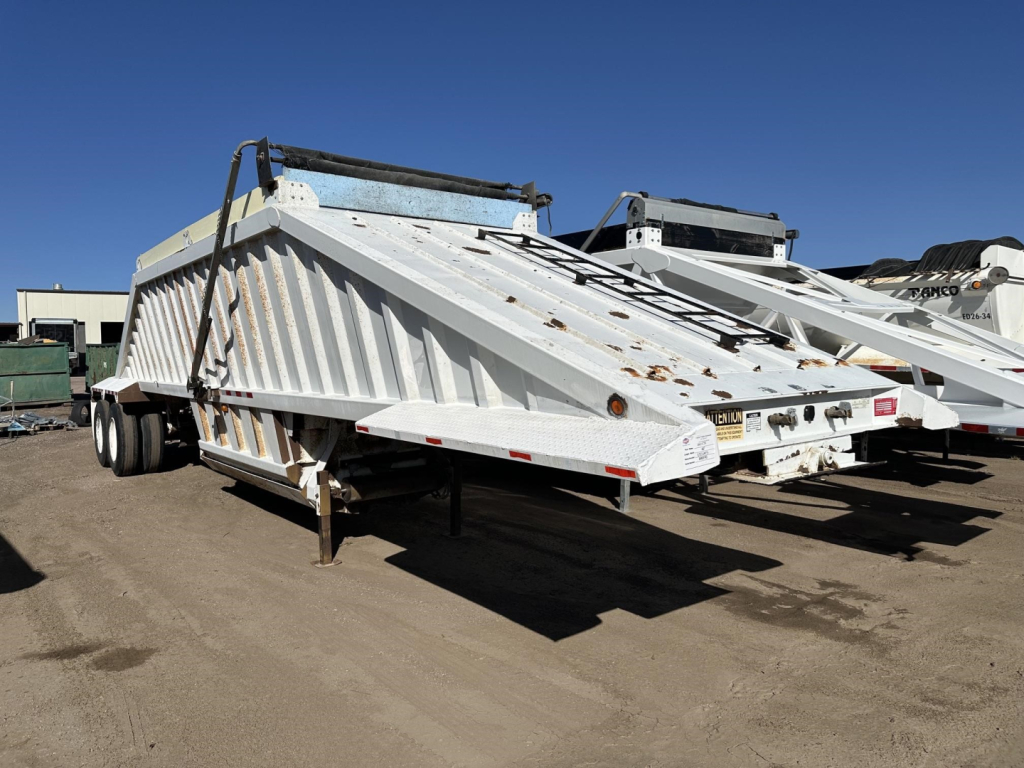
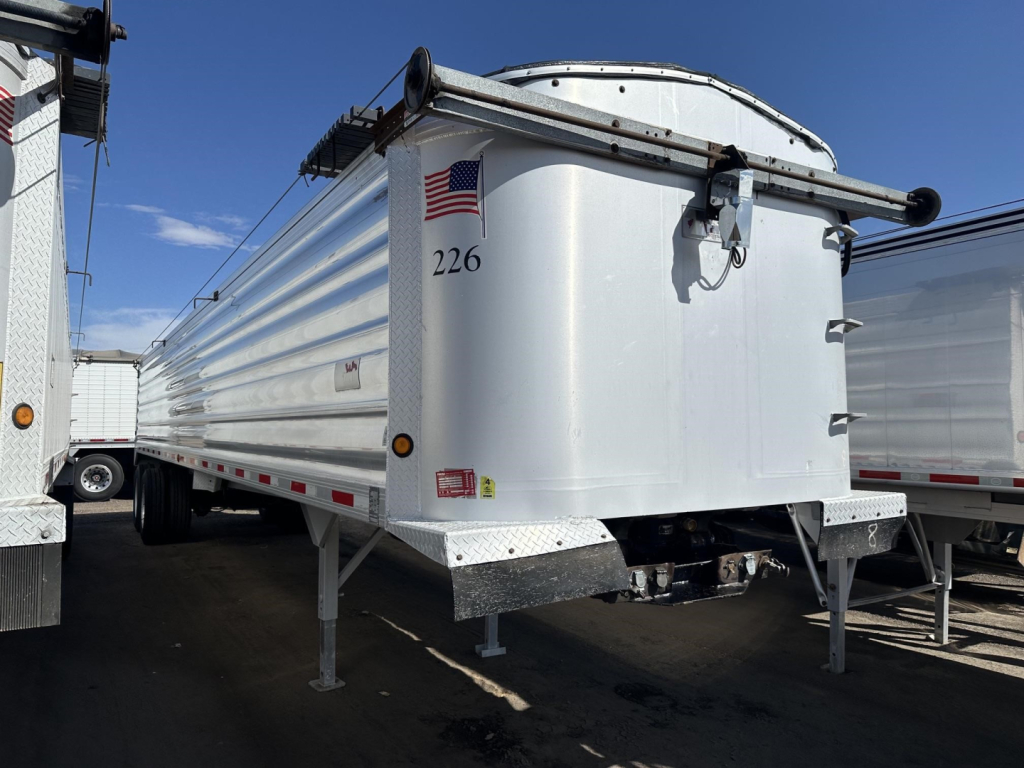
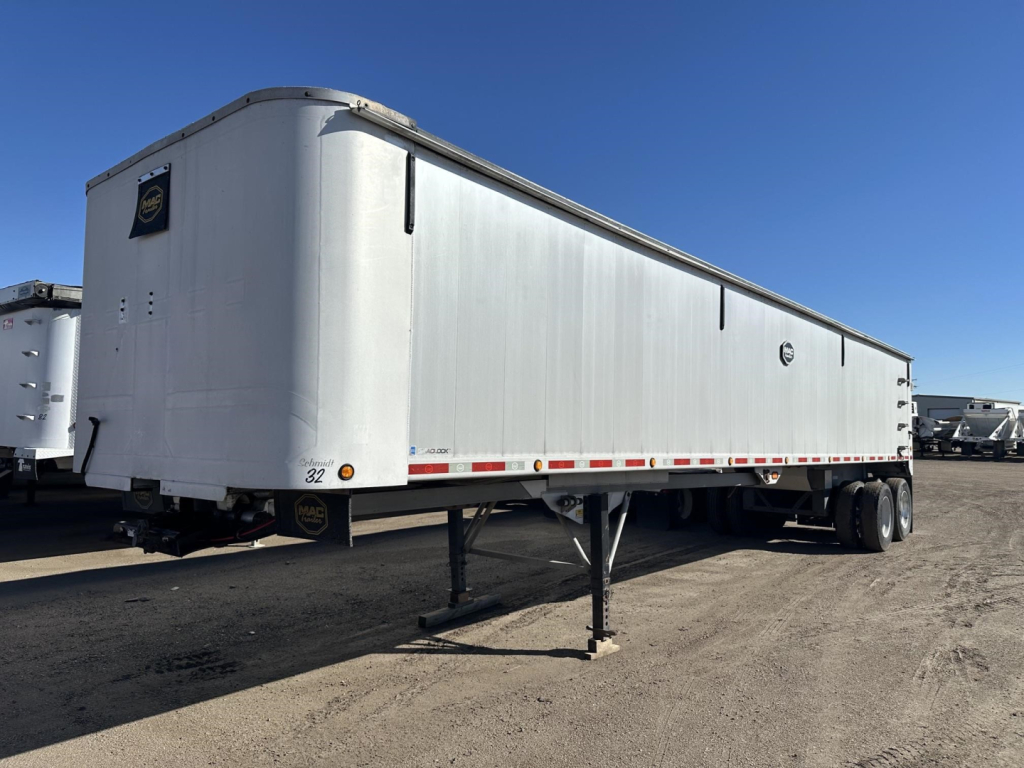
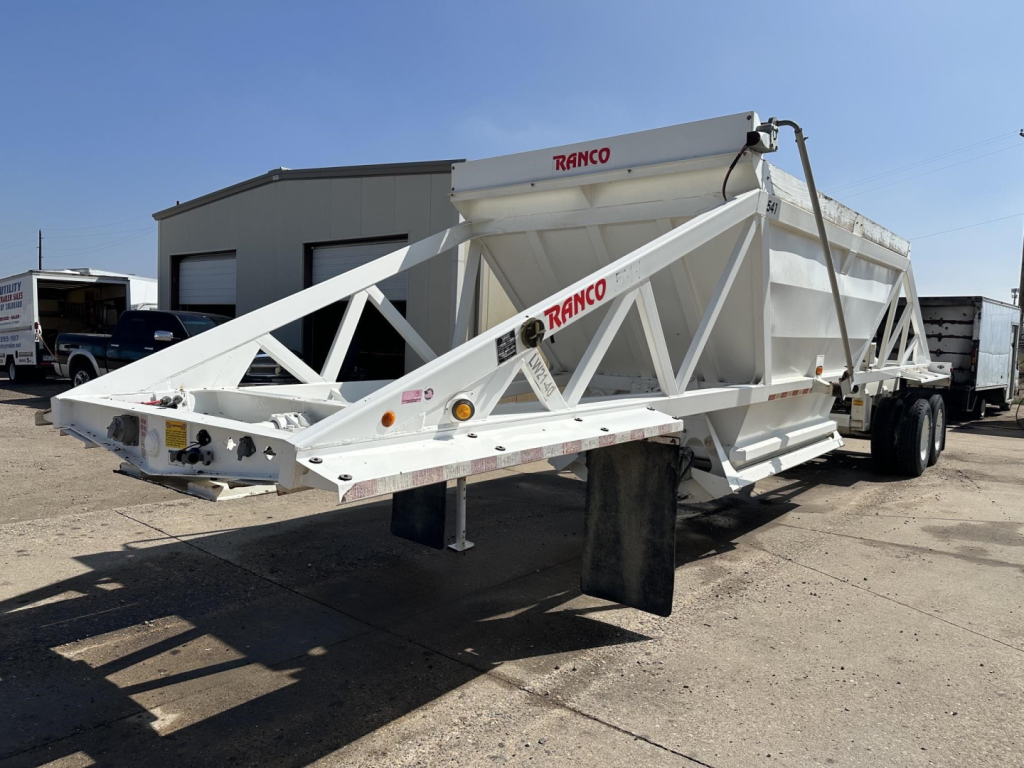
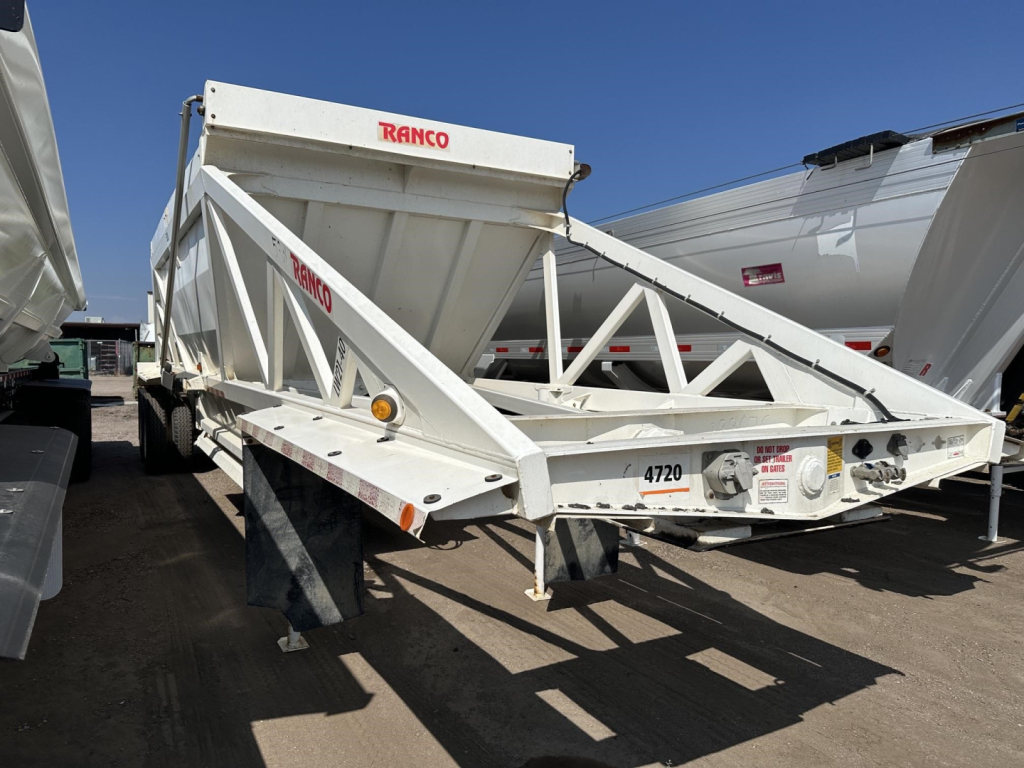
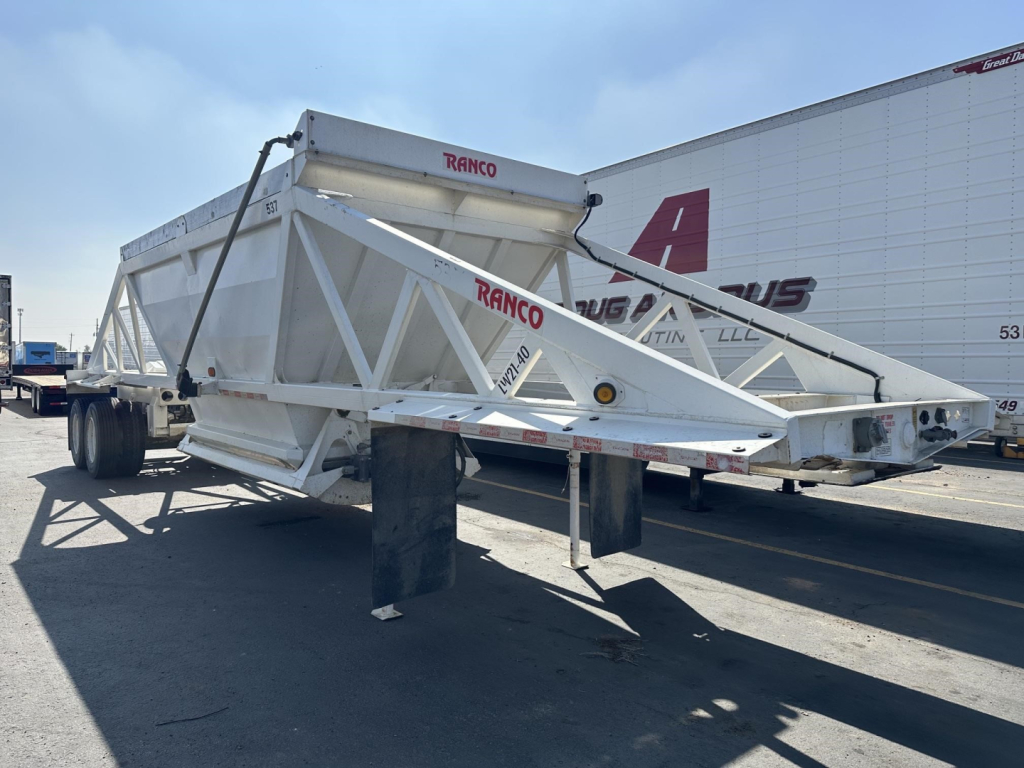
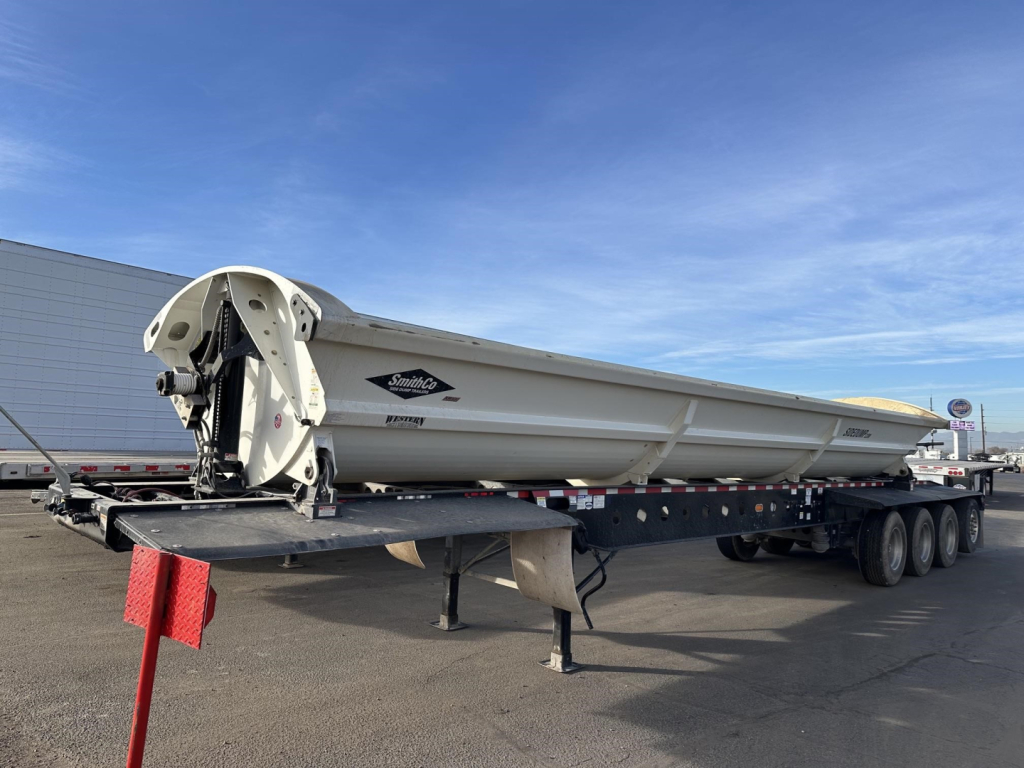
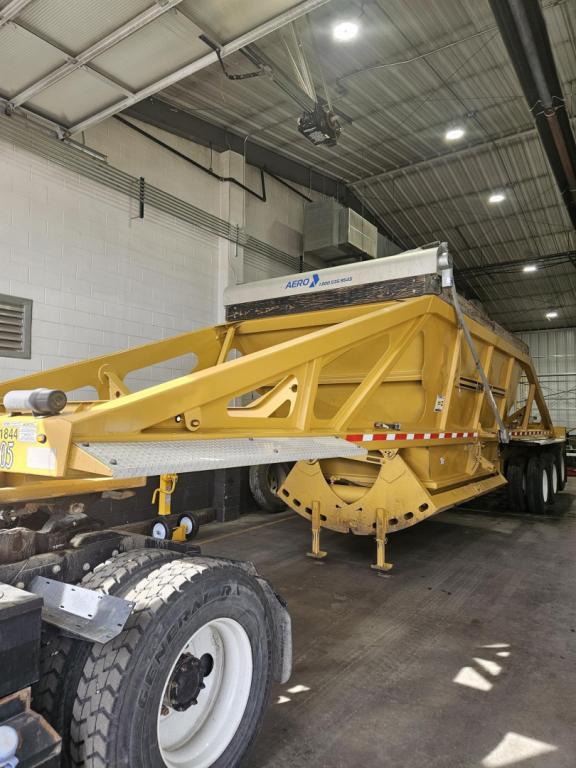
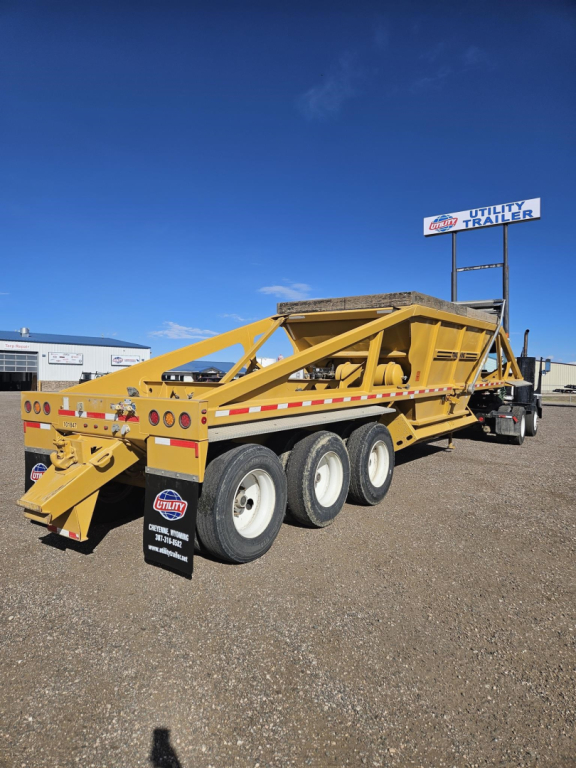
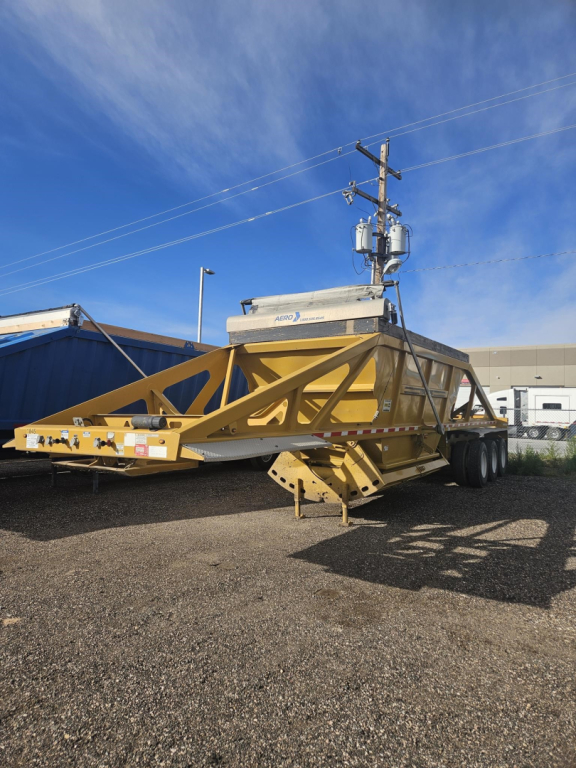
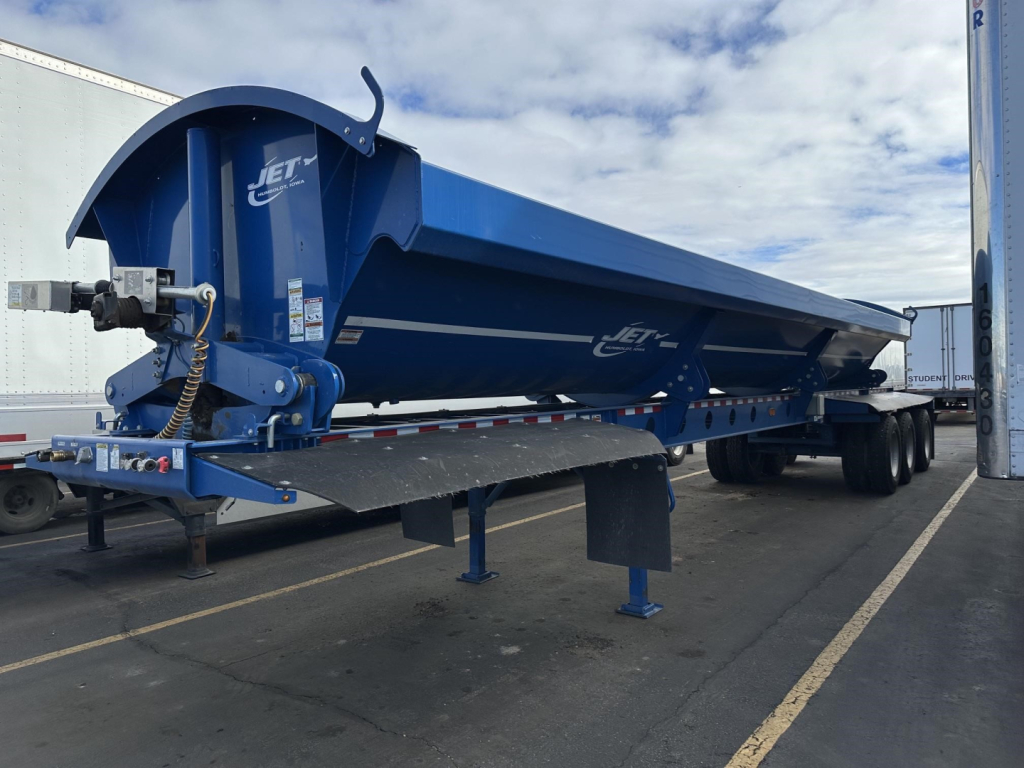
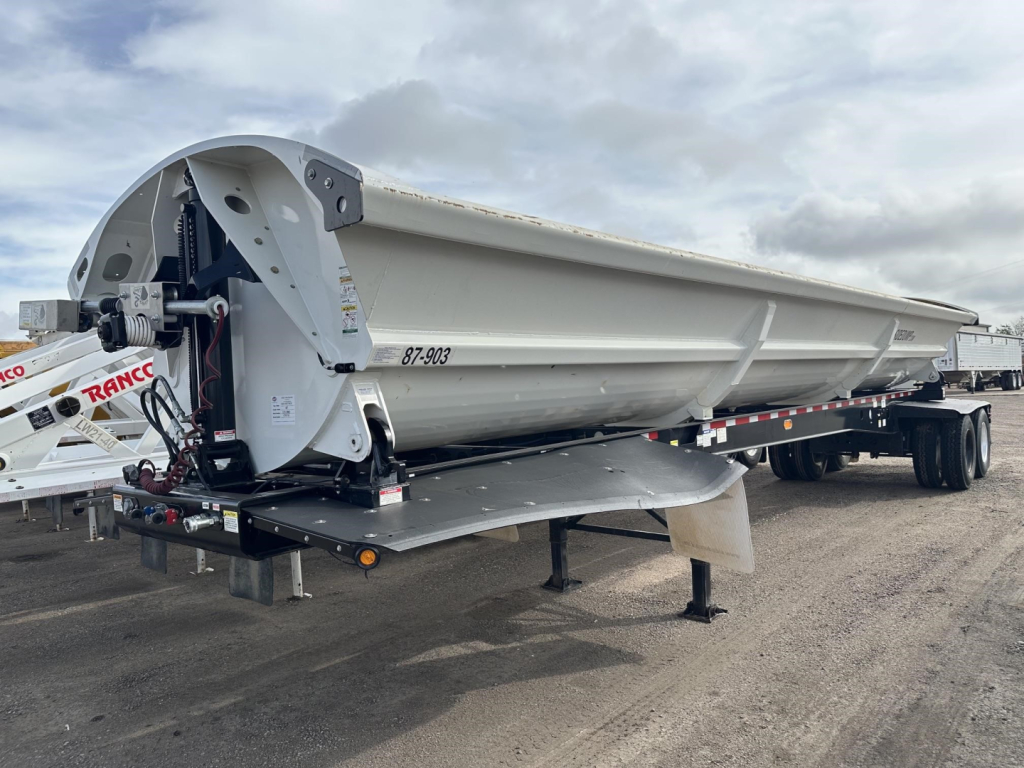
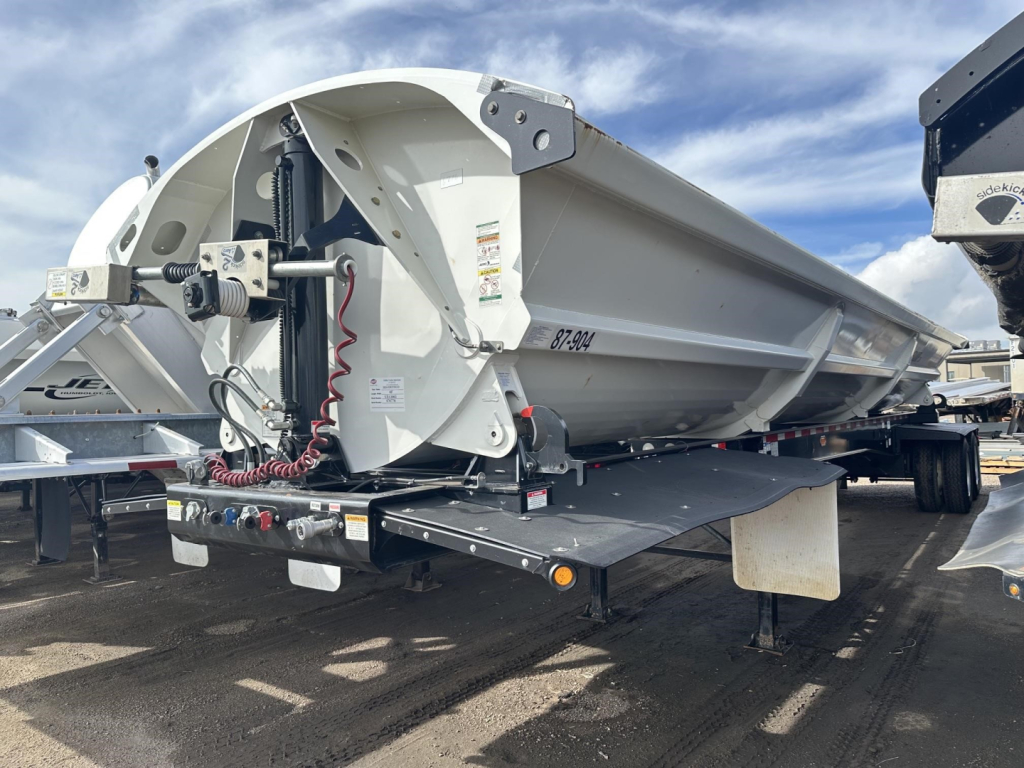
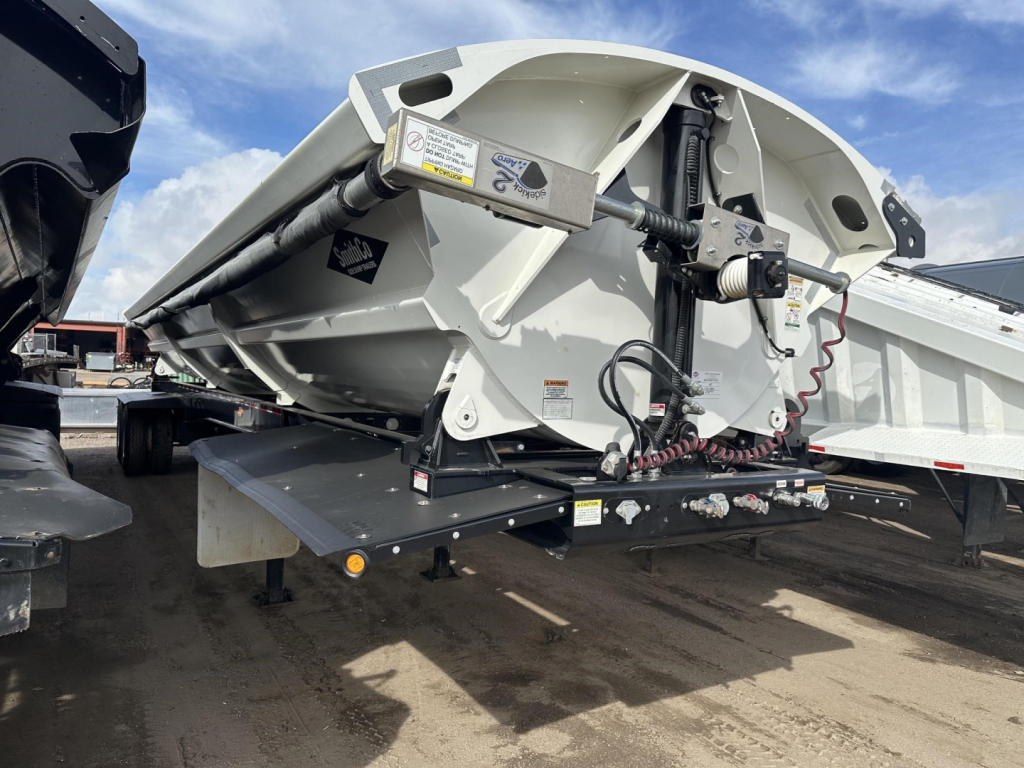
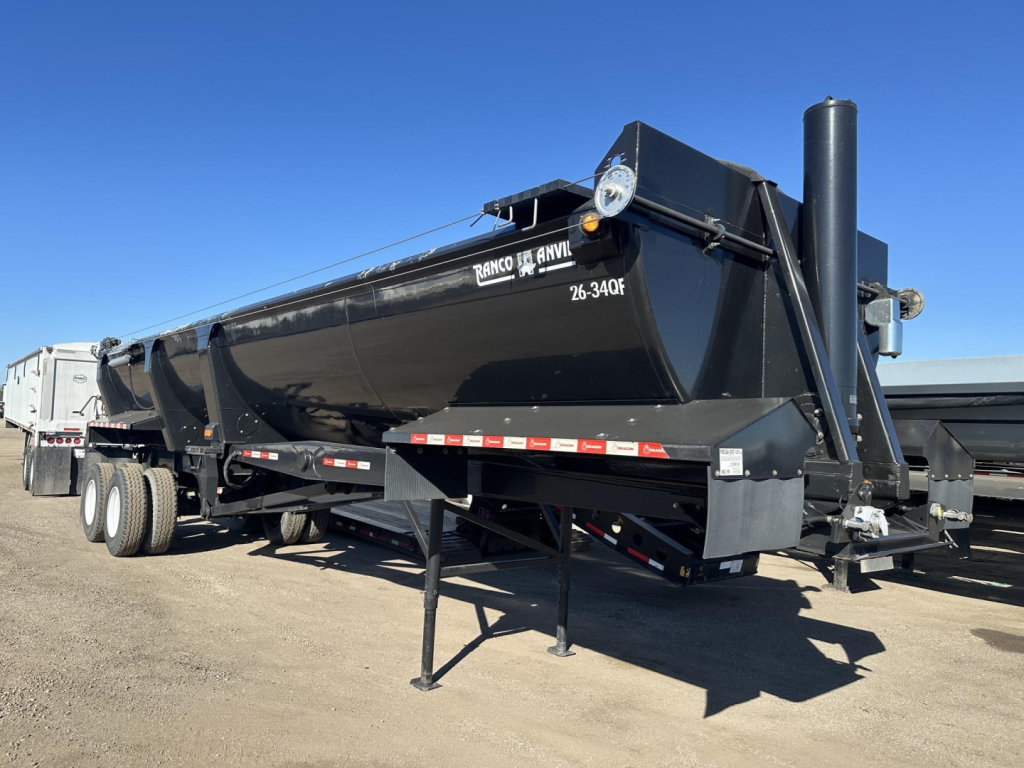
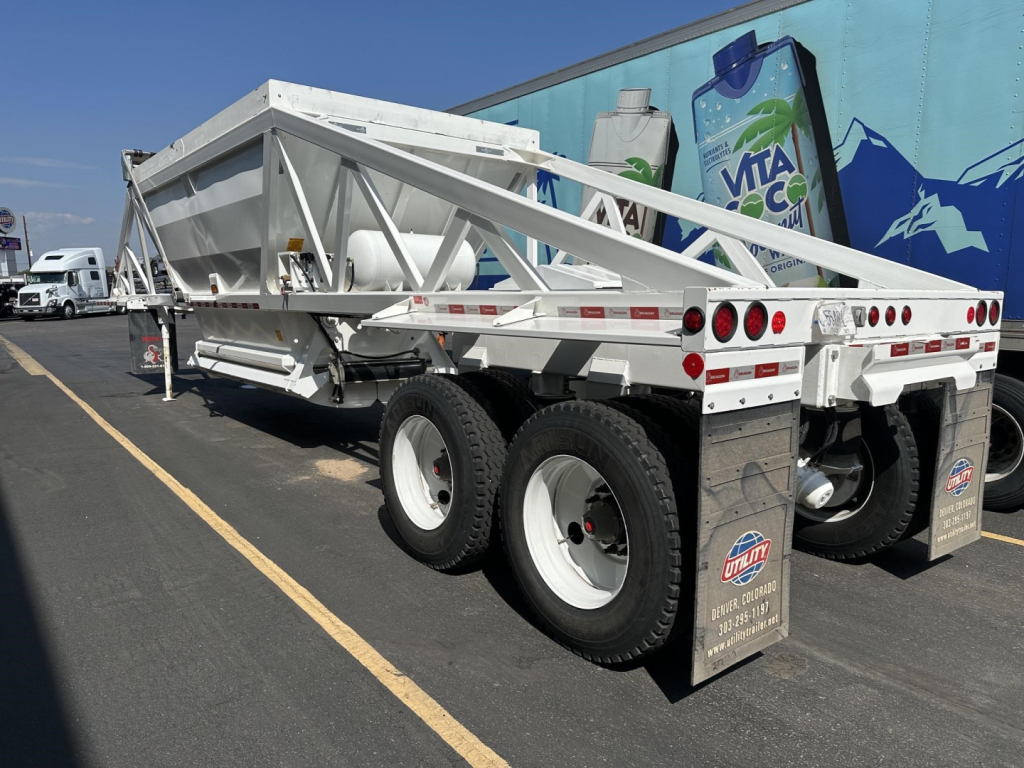
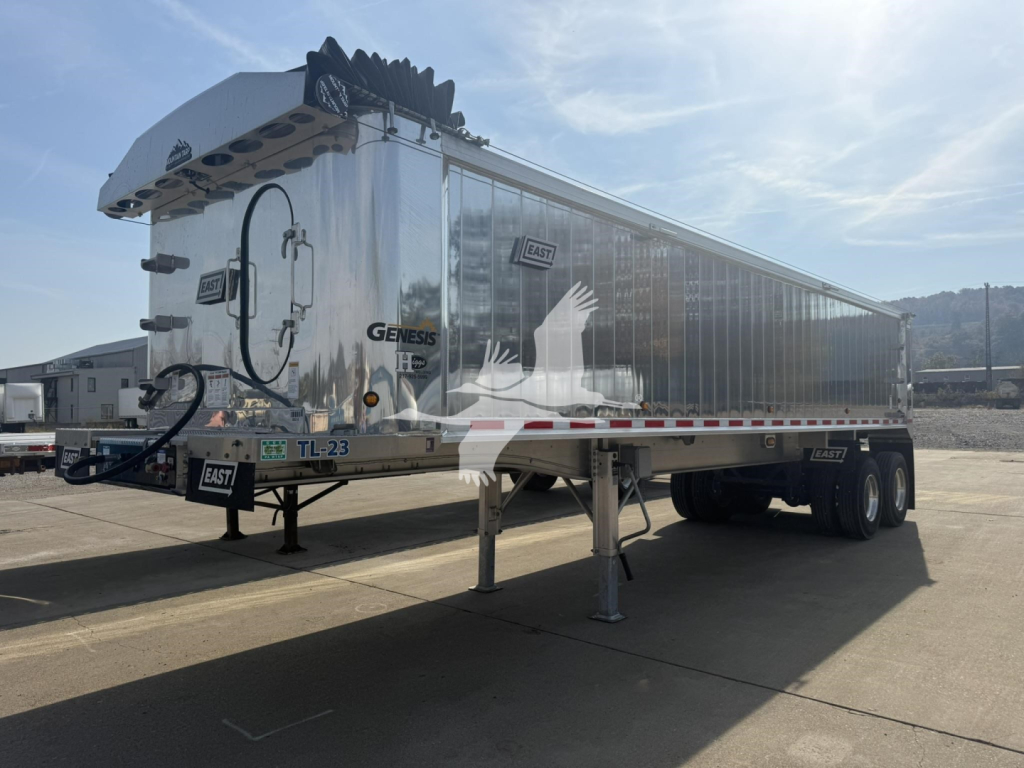
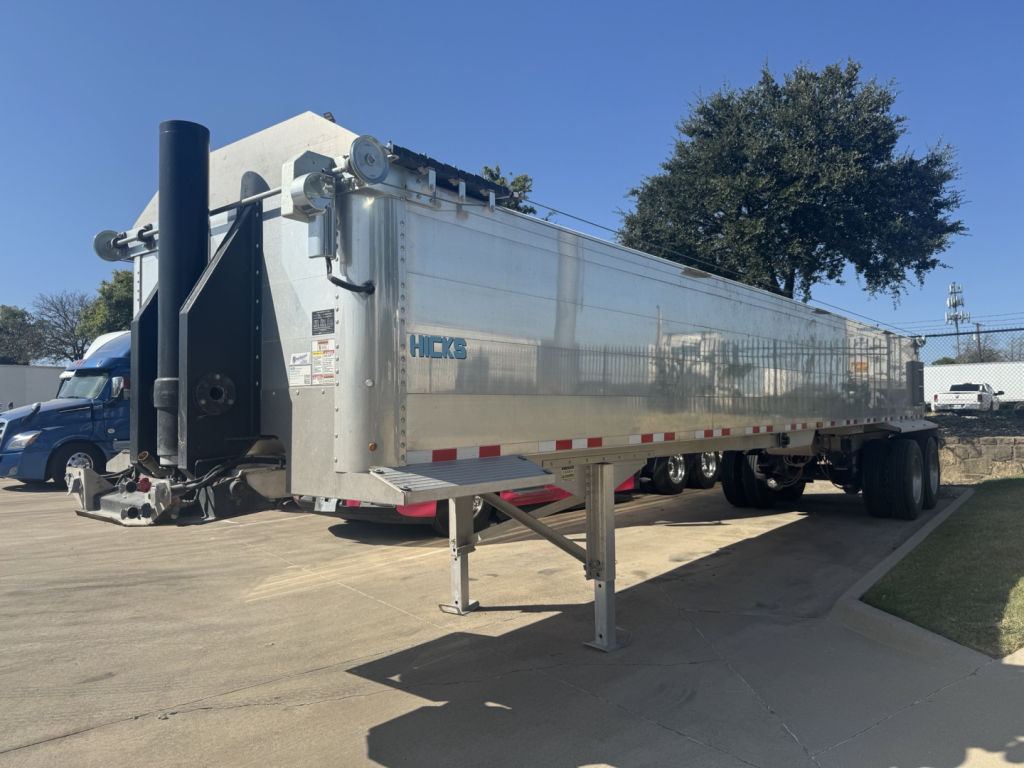
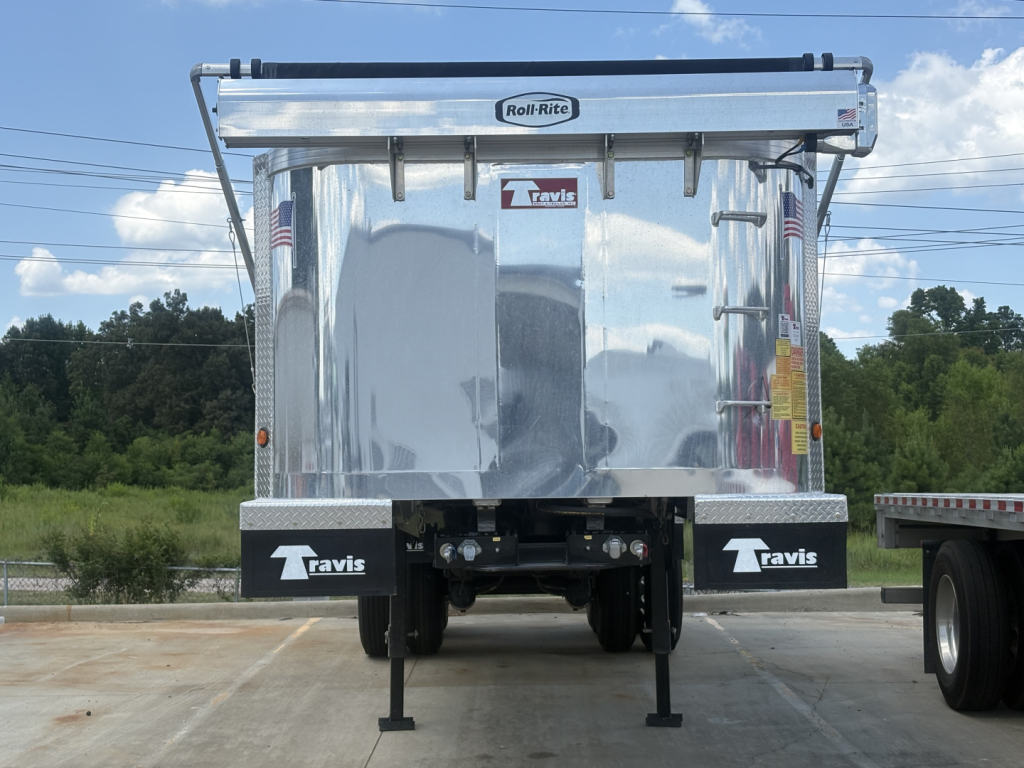
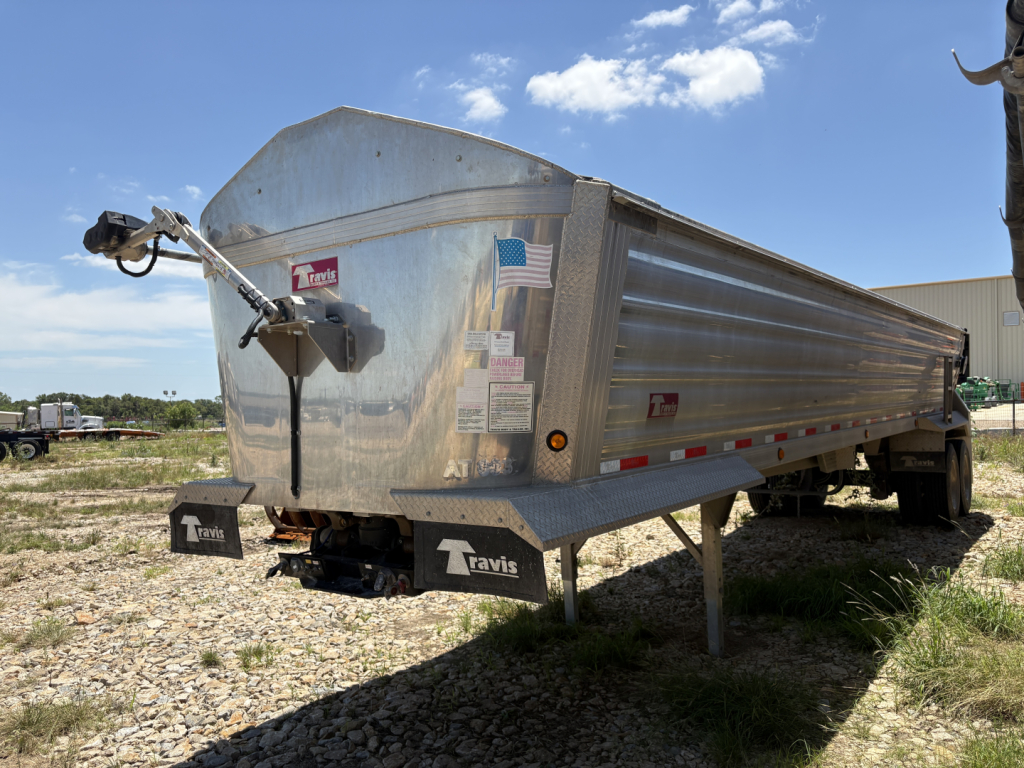
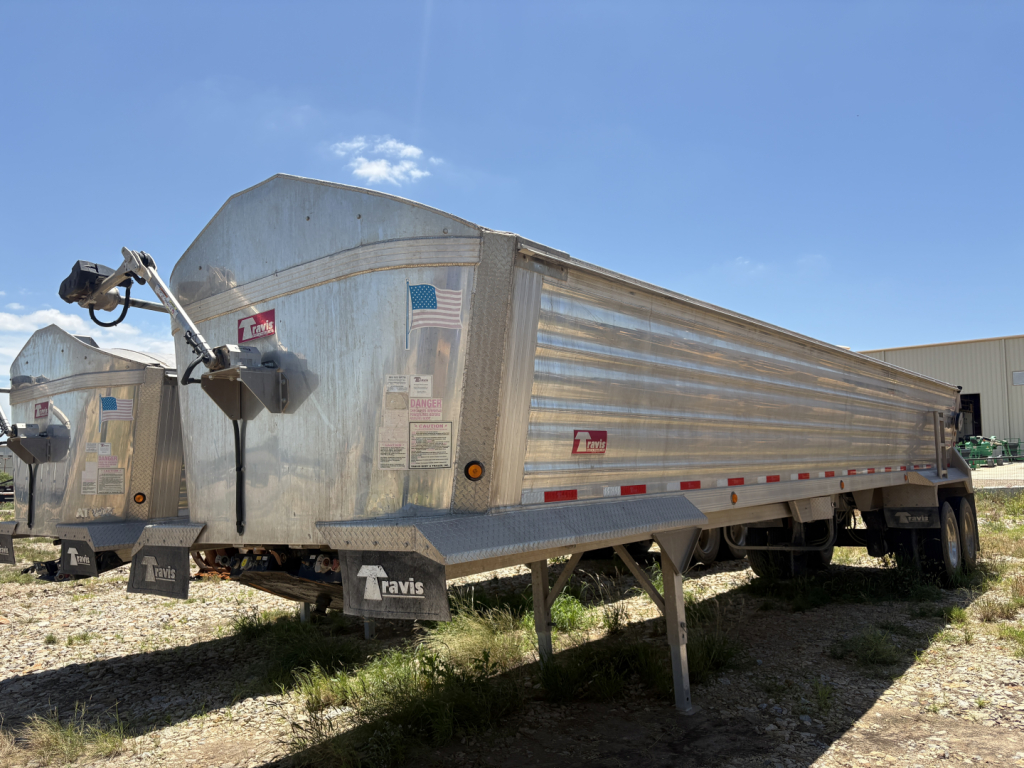
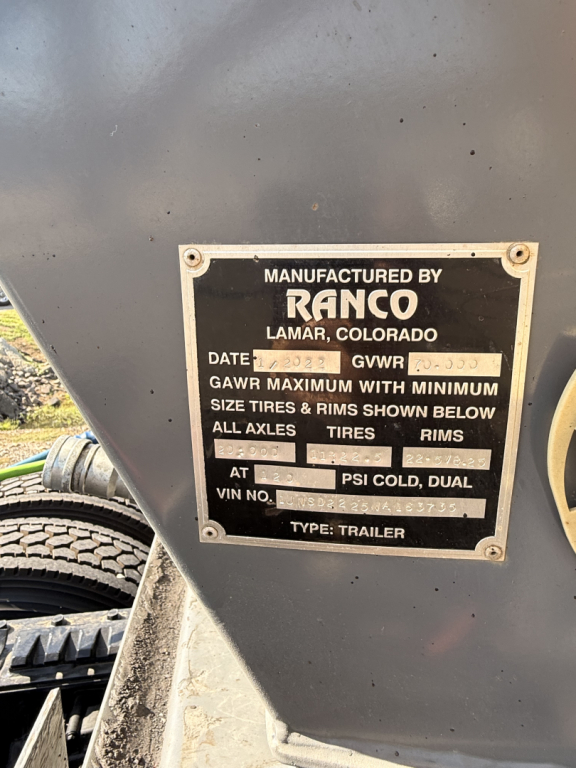
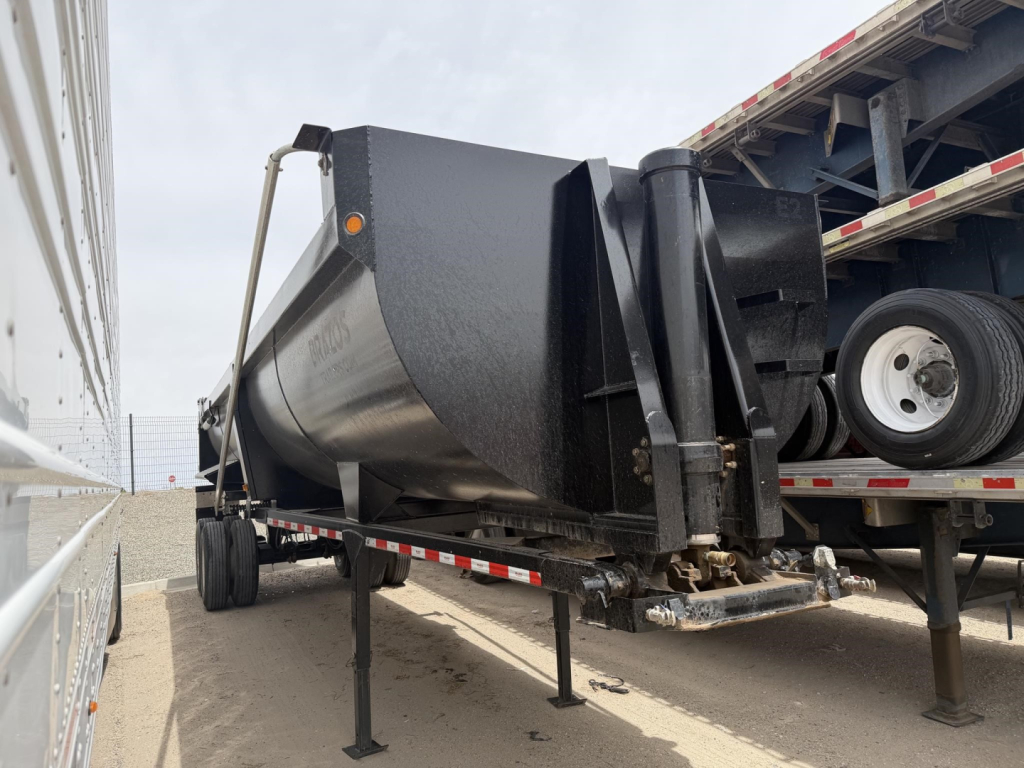
Showing 1 to 28 of 43 results
Selling a used custom repurposed frameless dump trailer? List your used custom repurposed frameless dump trailer for sale and reach thousands of commercial buyers.
Used Custom Repurposed Frameless Dump Trailers
Body material and dimensions drive most buying decisions in this category. Aluminum boxes are common when payload matters and corrosion resistance is important, while steel is often preferred for abrasive materials and severe-duty work. Length, width, and side height determine cubic yard capacity, but they also affect stability at full raise, bridge law strategy, and how well the trailer fits your routes and loading equipment. Many buyers look closely at tandem axle setups, air ride suspension, liner condition, roll tarp operation, gate style, and extras like a grain door if the trailer may see mixed-use service.
On a used frameless dump trailer, structural condition matters more than cosmetics. Inspect the hoist mounts, hinge area, crossmember condition, kingpin plate, draft arms, suspension hangers, and tub floor for cracking, repairs, or distortion. Check for signs of body twist, uneven tire wear, cylinder leaks, sloppy gate seals, and damage around the rear frame where impact and material shock tend to show up first. Repurposed units can be a smart value, but buyers should confirm VIN documentation, axle ratings, GVWR, brake configuration, wheel-end condition, and whether the trailer's current setup matches the material density and terrain it will actually work in.
A good match comes down to load profile and operating environment. Frameless dump trailers excel on highway runs, loader work, and applications where every pound of tare weight counts, but they require disciplined unloading on firm, level ground because raised-center-of-gravity stability is always part of the equation. If the trailer will haul wet clay, hot mix, riprap, or demolition debris, pay attention to body thickness, liner type, gate hardware, and hoist condition. If it will haul grain, mulch, or light bulk commodities, features like a roll tarp, grain door, and clean interior can matter just as much as overall capacity.
Frequently Asked Questions about Used Custom Repurposed Frameless Dump Trailers
What is a frameless dump trailer best used for?
A frameless dump trailer is best suited for bulk materials where payload and cubic capacity matter, including sand, gravel, millings, grain, mulch, light demolition debris, and some scrap applications. Because frameless designs are lighter than comparable full-frame trailers, they are often chosen for highway-oriented hauling and jobs where maximizing legal payload is a priority. They can work in tougher environments too, but unloading conditions and material type should match the trailer's body design and stability characteristics.
What should I inspect first on a used custom repurposed frameless dump trailer?
Start with the structure and the hoist system. Look closely at the body floor, sidewalls, hinge points, hoist mounts, kingpin area, suspension hangers, and rear frame for cracks, welded repairs, elongation, or signs of hard use. Then verify axle ratings, brake condition, wheel ends, air system integrity, tarp function, gate operation, and liner wear. On a repurposed trailer, it is especially important to confirm that the modifications were done correctly and that the trailer's current configuration aligns with its intended load.
Are aluminum frameless dump trailers better than steel?
Aluminum frameless dump trailers usually offer lower tare weight and better corrosion resistance, which helps maximize payload and makes them popular in agricultural and aggregate service. Steel bodies generally handle abrasion and impact better, which can be an advantage with demolition material, large rock, or severe-duty site work. The better choice depends on material density, loading method, and how rough the operating conditions are. Buyers should weigh payload gains against expected body wear and repair costs.
How important are a liner, roll tarp, and grain door on this type of trailer?
These features can significantly affect day-to-day usability. A liner helps material release and protects the body, especially with sticky or abrasive loads. A roll tarp improves load security, weather protection, and compliance on the road. A grain door adds flexibility when hauling free-flowing commodities that need controlled discharge. On a used trailer, buyers should inspect each of these features for wear, missing components, and proper fit because replacement costs can add up quickly.
What operating limits should buyers keep in mind with frameless end dumps?
The main consideration is stability during unloading. Frameless end dumps perform best when they are dumped on firm, level ground with the load centered and released cleanly. Uneven surfaces, hung loads, and high sidewall bodies increase rollover risk when the tub is raised. Buyers should also make sure the trailer's axle spread, GVWR, kingpin setting, and body dimensions fit their legal weight strategy and the tractor they plan to run.