
Custom Repurposed Frameless Dump Trailers For Sale
Have custom repurposed frameless dump trailer to sell? List it here to reach thousands of buyers.
Custom Repurposed Frameless Dump Trailers
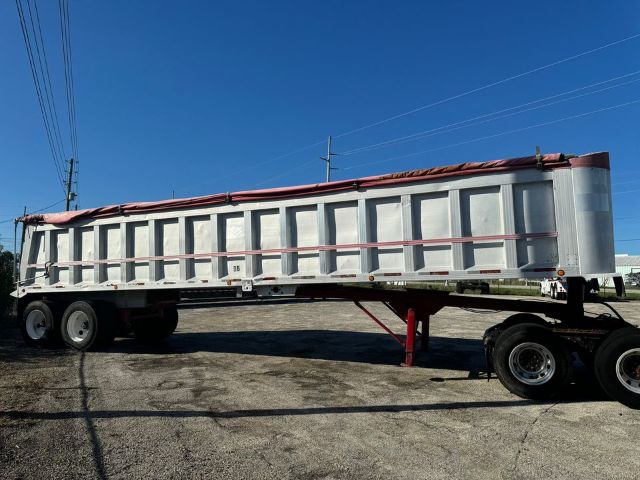
Aluminum bodies are common on repurposed frameless dump trailers because they keep weight down and resist corrosion, especially in grain, sand, and lighter aggregate service. Steel-bodied units are typically preferred for abrasive or impact-heavy material such as riprap, asphalt millings, or demolition debris. Common specs include lengths around 34 to 39 feet, 96-inch width, side heights that vary by capacity target, tandem axle configurations, air ride suspension, and rear dump gates such as high-lift, barn door, or two-way gates. A roll tarp, liner, and grain door can add versatility, but each option should match the intended commodity. Liners help with material release and body protection, while a grain door is useful when metering lighter bulk products.
The most important buying decision is matching stability and unloading conditions to the work. Frameless end dumps unload fast, but they need firm, level ground and disciplined dumping practices because the center of gravity rises significantly when the box is elevated. If the trailer will work in soft fill sites, uneven jobsite conditions, or high crosswinds, inspect suspension condition, axle alignment, hinge area wear, and the hoist mounting points very carefully. On a repurposed trailer, look for signs of prior body repairs, cracks around the upper rail and floor seams, cylinder leakage, uneven tire wear, brake and drum condition, and evidence of twisting from off-camber dumps. A clean title matters, but structural condition matters more.
Capacity should be evaluated by cubic volume and legal payload, not by box size alone. A taller box may carry more volume, but the commodity determines whether the trailer will cube out before it grosses out. Tire size, axle rating, kingpin setting, and suspension spec all affect how the trailer scales and tracks behind the tractor. For fleets running regional haul or farm-to-market routes, a lighter aluminum frameless trailer can be an efficient choice. For severe-duty construction work, buyers usually want stronger floor sections, reinforced body design, and a maintenance history that shows the trailer has not simply been patched to stay in service. A well-selected custom repurposed frameless dump trailer can still offer strong value if the structure, hoist, running gear, and gate system are suited to the material and the terrain.
Frequently Asked Questions about Custom Repurposed Frameless Dump Trailers
What is a frameless dump trailer best used for?
A frameless dump trailer is best suited for bulk material hauling where low empty weight and high payload matter. Common applications include sand, gravel, dirt, grain, fertilizer, and some scrap or demolition loads. It unloads quickly through the rear, but it performs best on firm, level ground because raised-box stability is a major operating consideration.
What should I inspect on a repurposed frameless end dump trailer?
Focus on structural areas first. Check the hoist, hinge assembly, body sides, upper rail, crossmember areas, floor seams, and gate hardware for cracks, distortion, or weld repairs. Then inspect suspension components, axle alignment, brakes, drums, tires, wheels, tarp system, and liner condition. Repurposed trailers can offer value, but only if the conversion or prior rebuild work was done correctly and the trailer has not been weakened by repeated off-level dumping.
Is an aluminum frameless dump trailer better than steel?
Neither is universally better. Aluminum is lighter, resists corrosion well, and is often preferred for grain, sand, and other lighter bulk commodities where payload is the priority. Steel is heavier but generally handles impact and abrasive materials better, making it a stronger choice for severe-duty aggregate, demolition, and quarry applications. The right body material depends on what is being hauled and how rough the loading and unloading environment will be.
How do I choose the right size frameless dump trailer?
Start with the commodity and target payload, then work backward to body length, side height, and material construction. A longer or taller box increases cubic capacity, but legal gross weight, axle ratings, and commodity density determine whether the trailer will actually carry more billable load. Buyers should also consider route conditions, transfer station or pit access, and how the trailer's kingpin setting and axle spread affect bridge law compliance and tractor pairing.
Are frameless dump trailers safe for uneven jobsites?
They can be operated safely, but they are less forgiving when dumping on uneven or unstable ground. Because the body lifts high from a frameless design, side-load forces and shifting material can increase rollover risk. Safe operation depends on level ground, proper load distribution, maintained suspension and hoist components, and an operator who understands when site conditions are not suitable for a raised dump cycle.