
Used CIMC Trailers For Sale
Shop used CIMC trailers including reefers, containers, dry vans, chassis, and flatbeds. Compare specs, construction, options, and applications.
No exact matches found for your search
Showing Used Trailers instead.
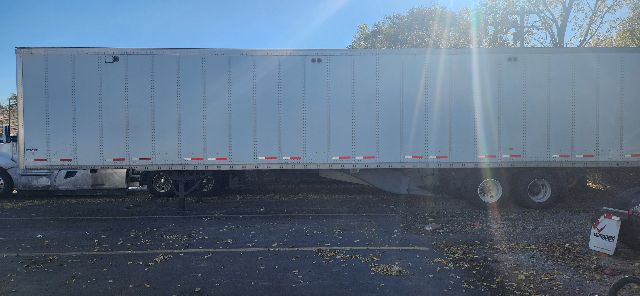
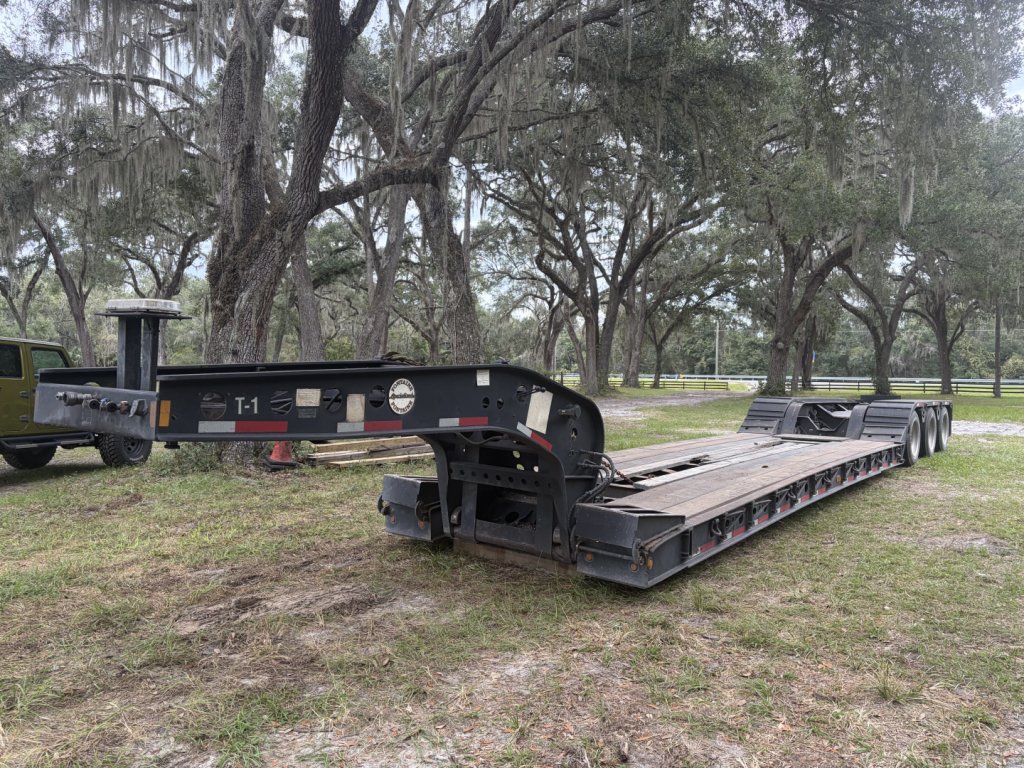
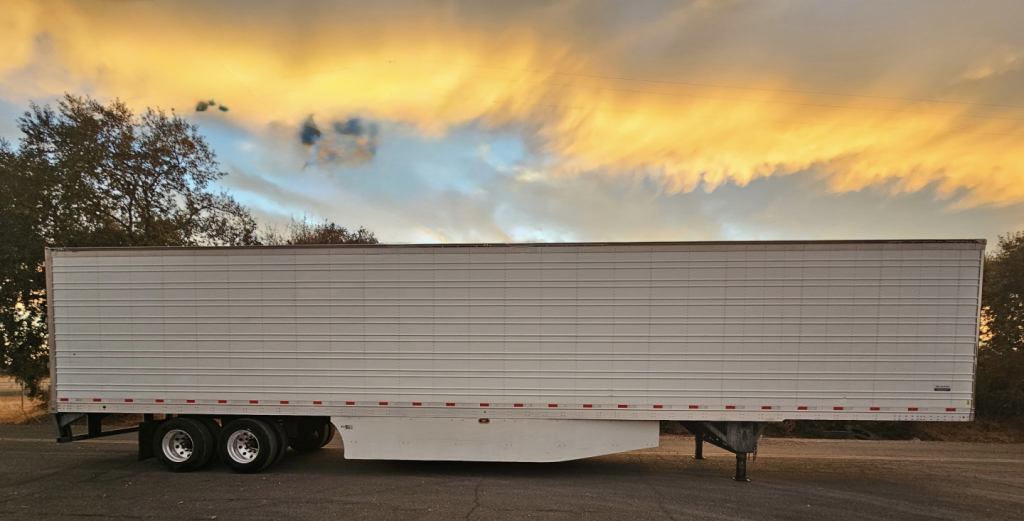
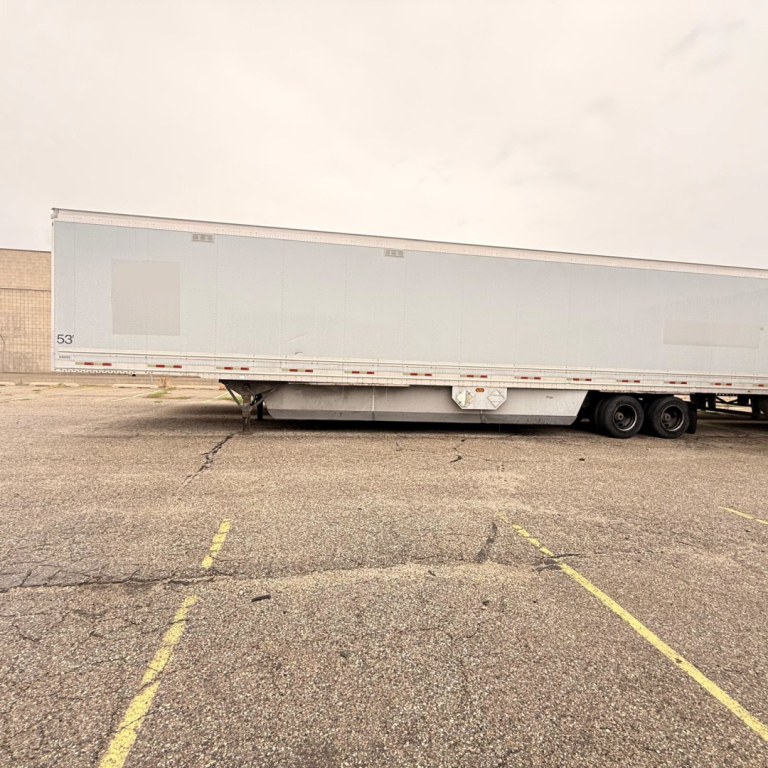
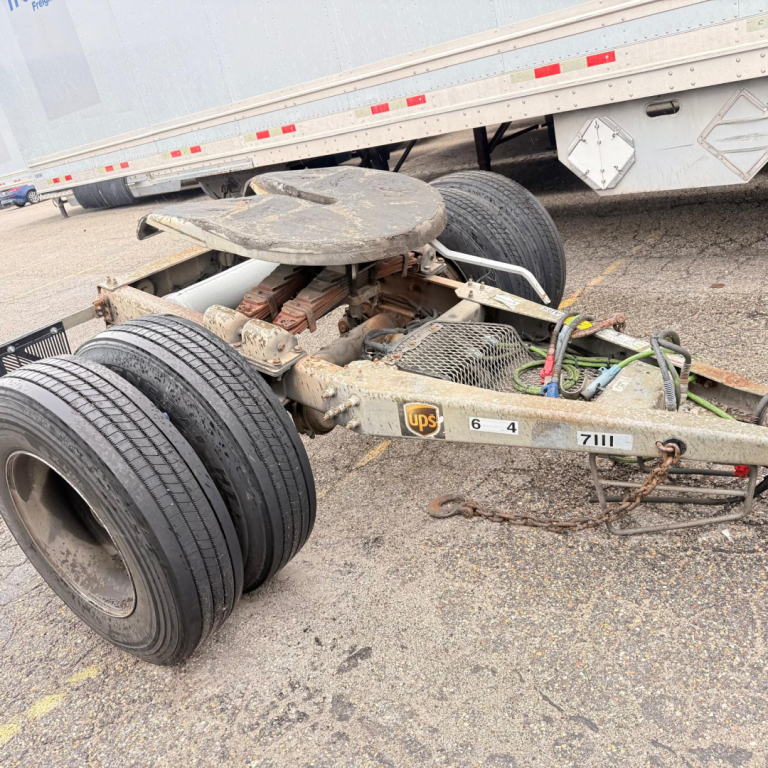
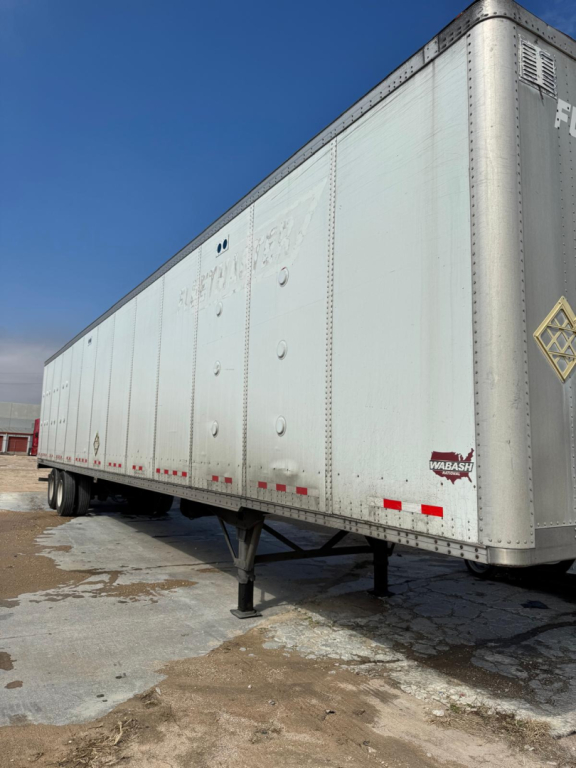
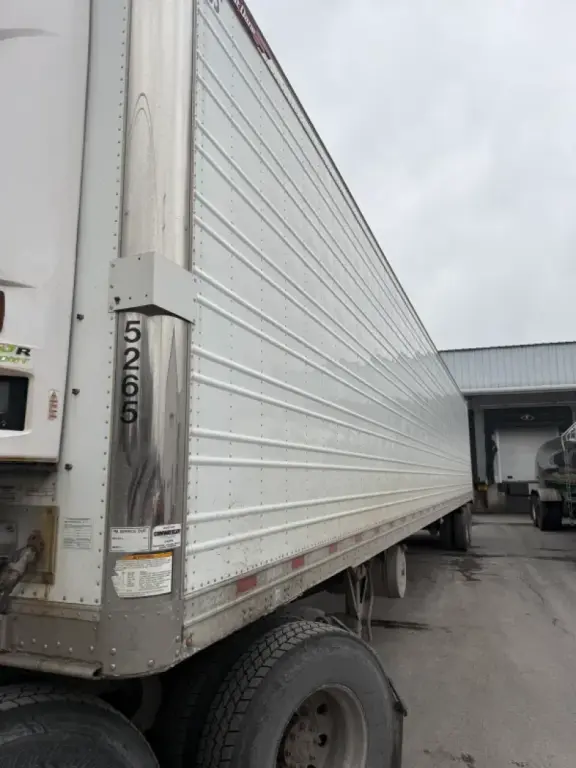
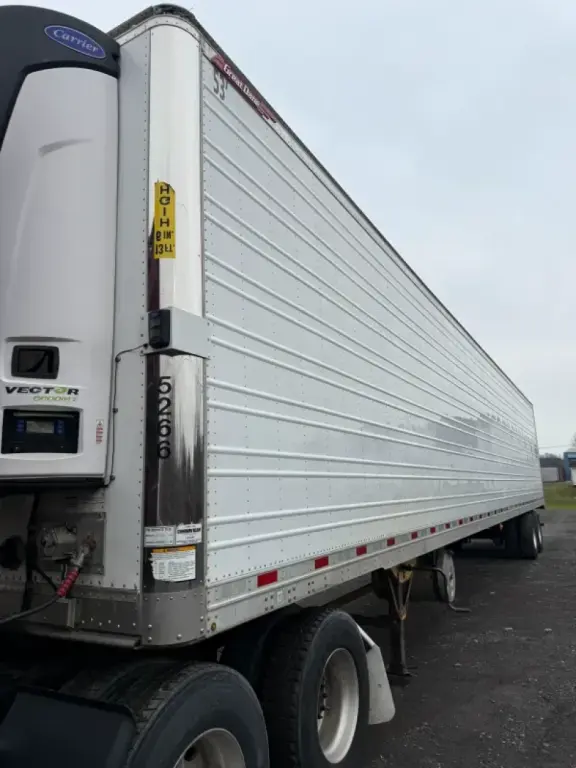
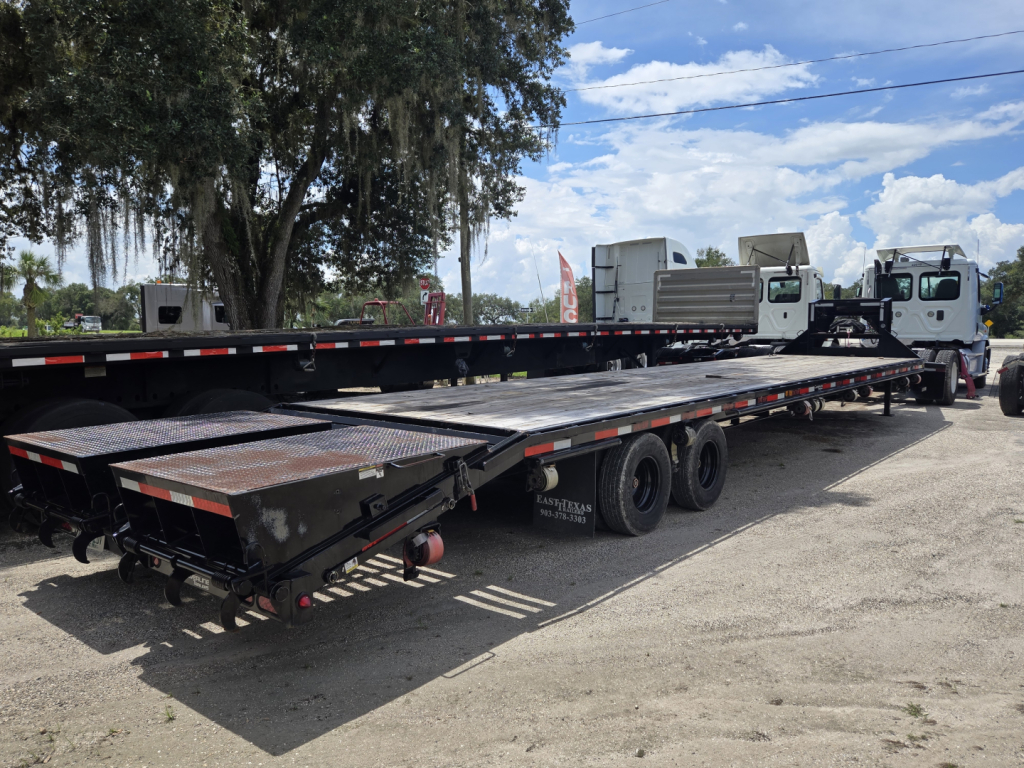
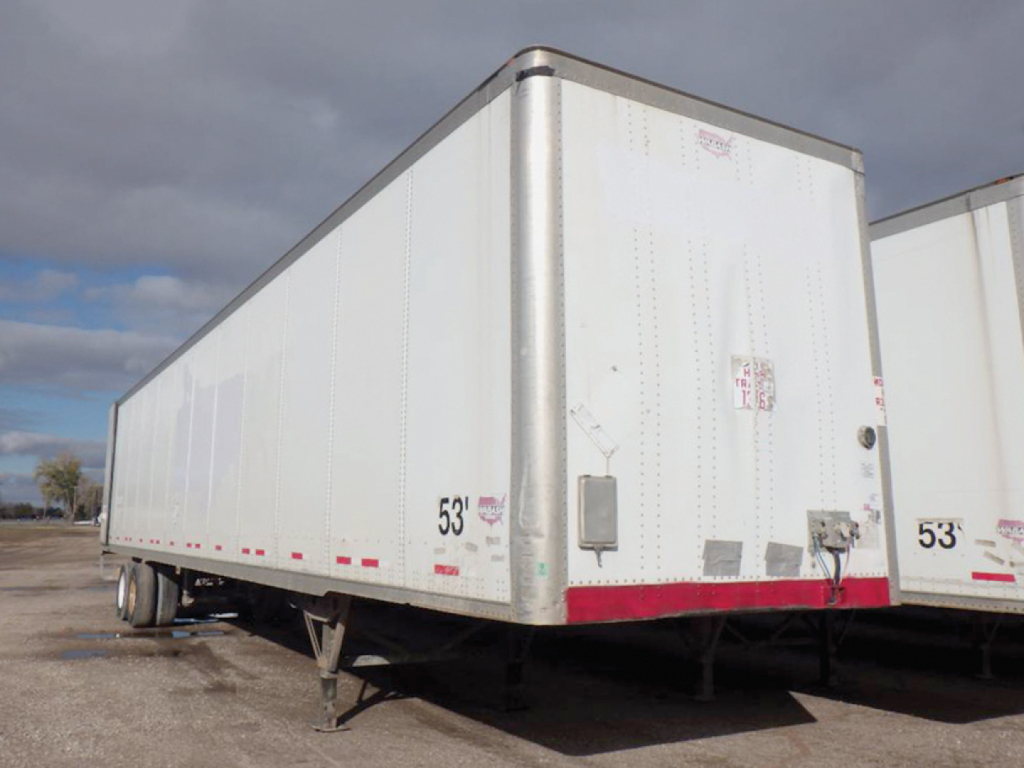
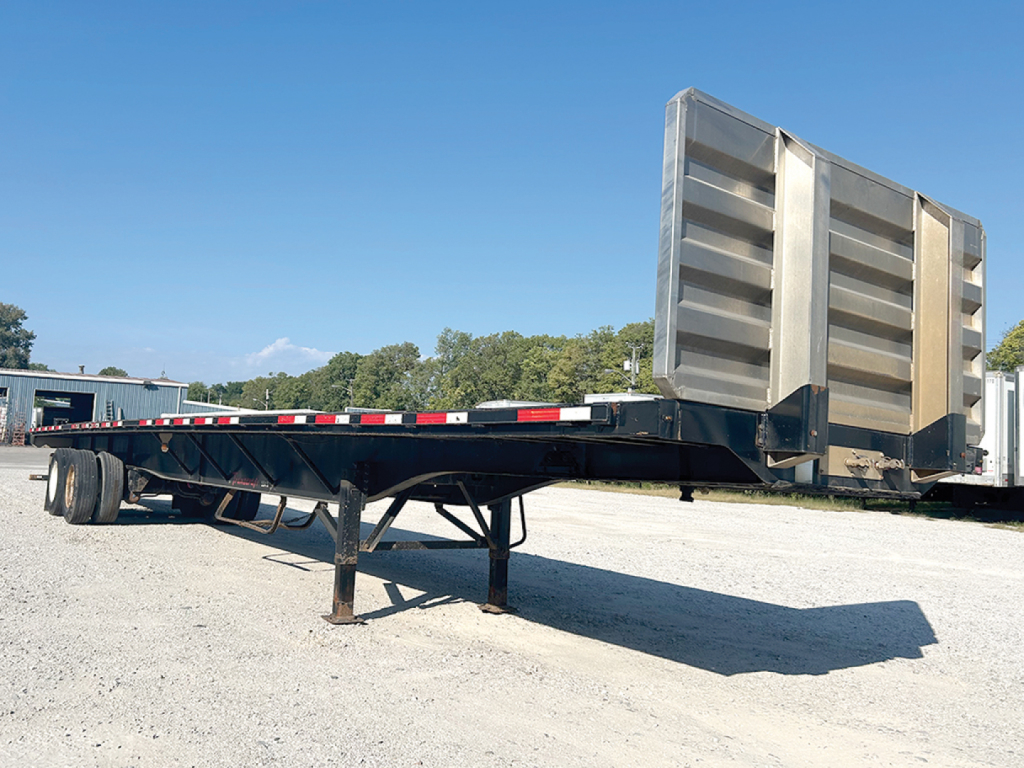
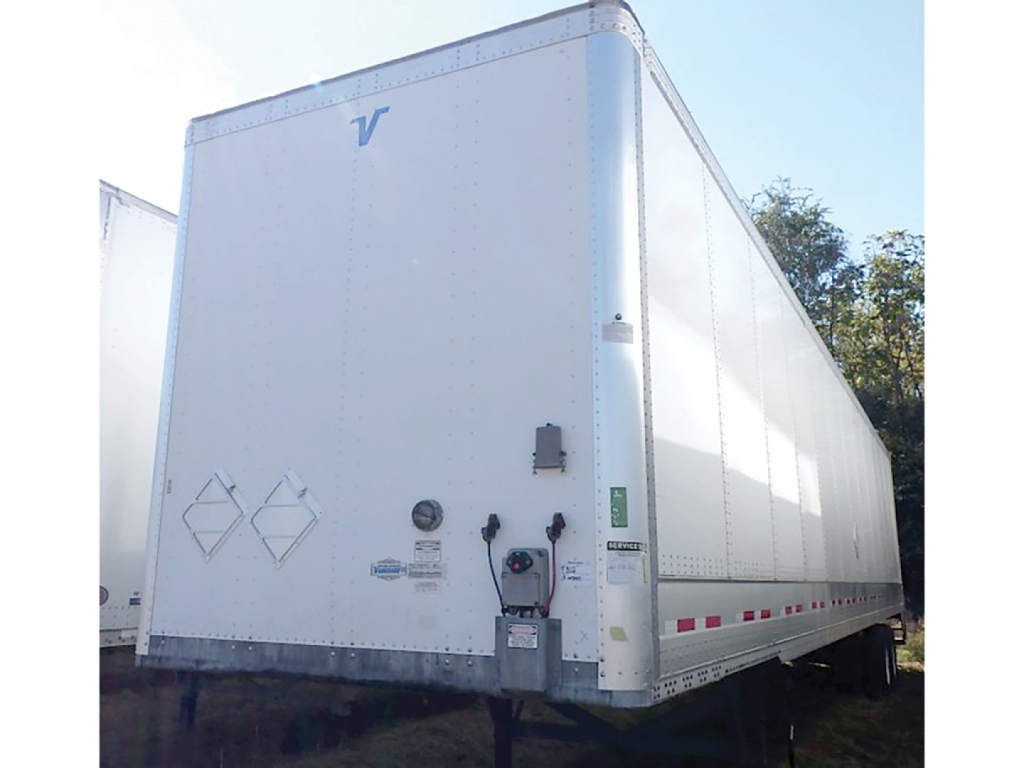
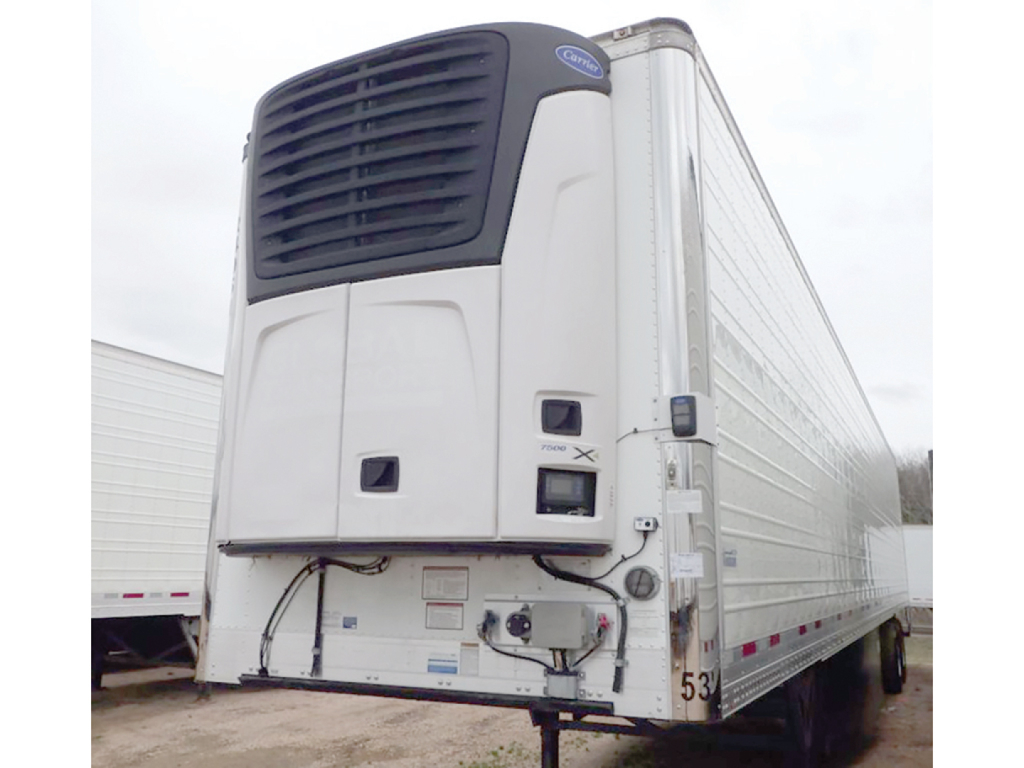
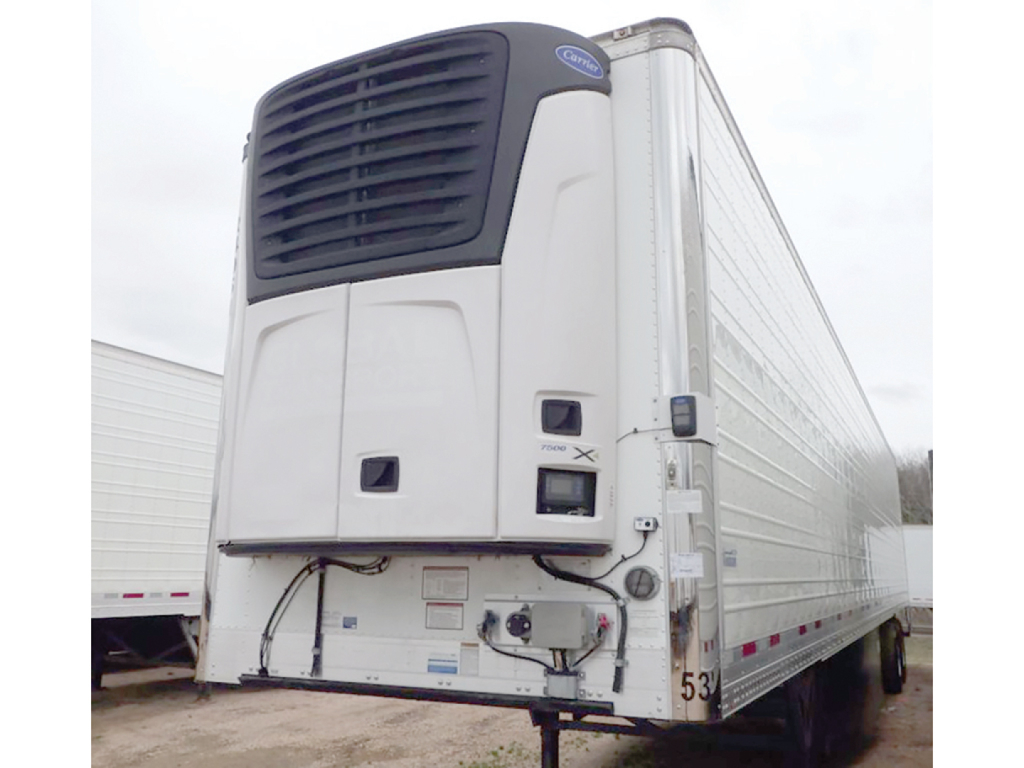
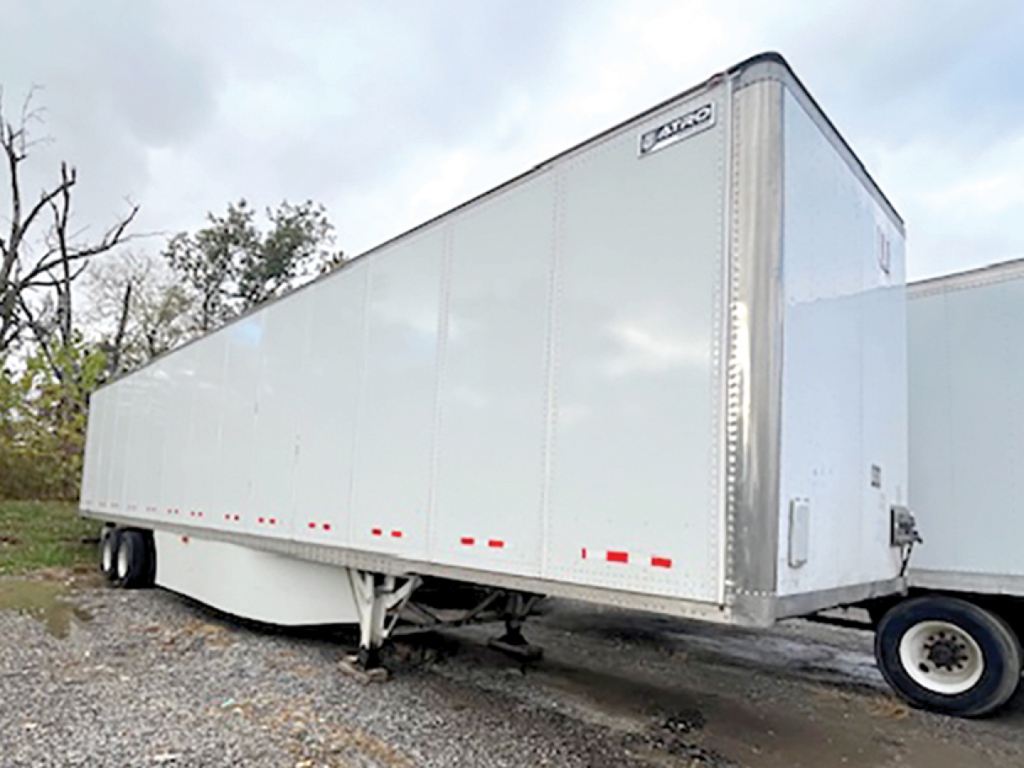
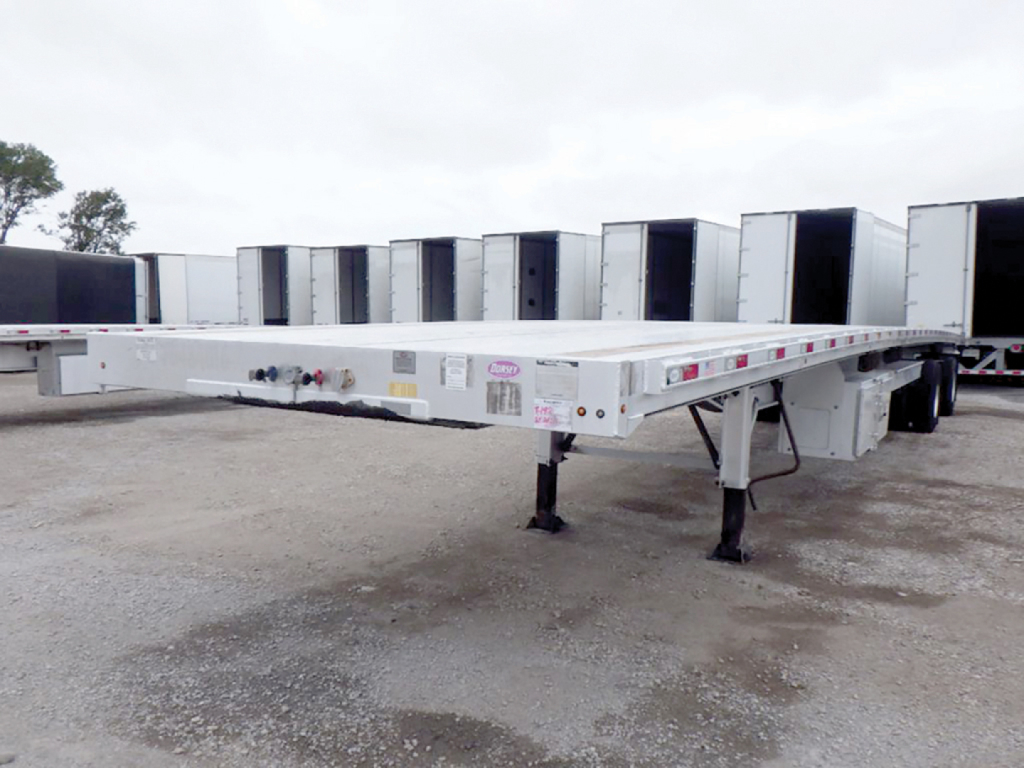
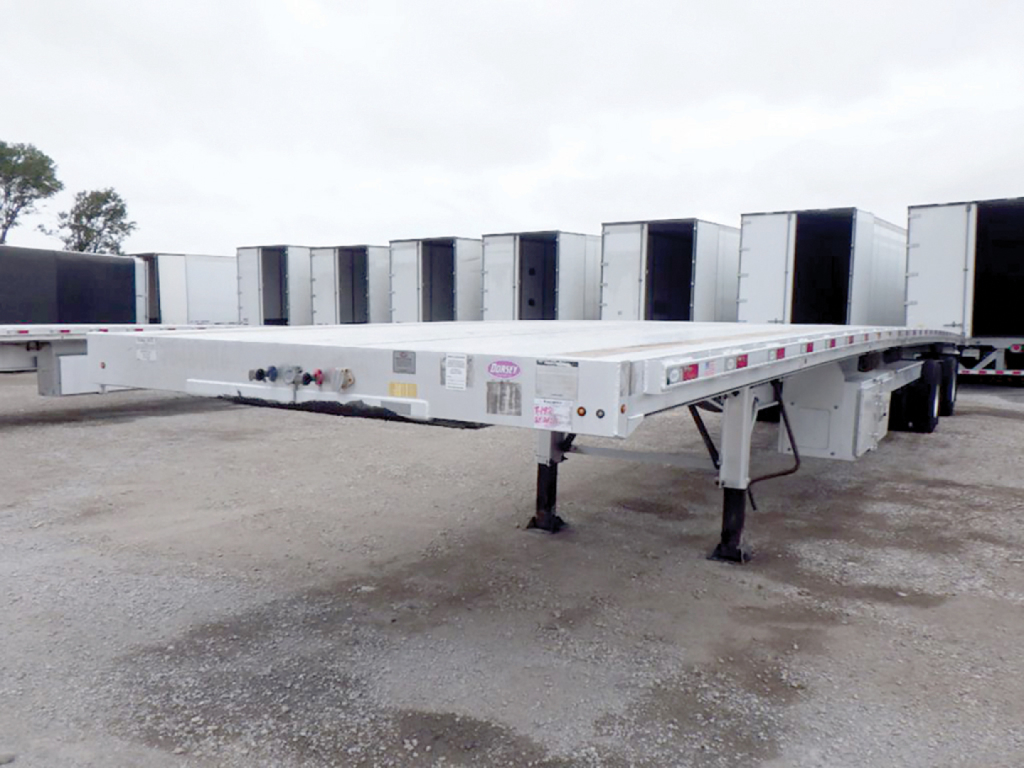
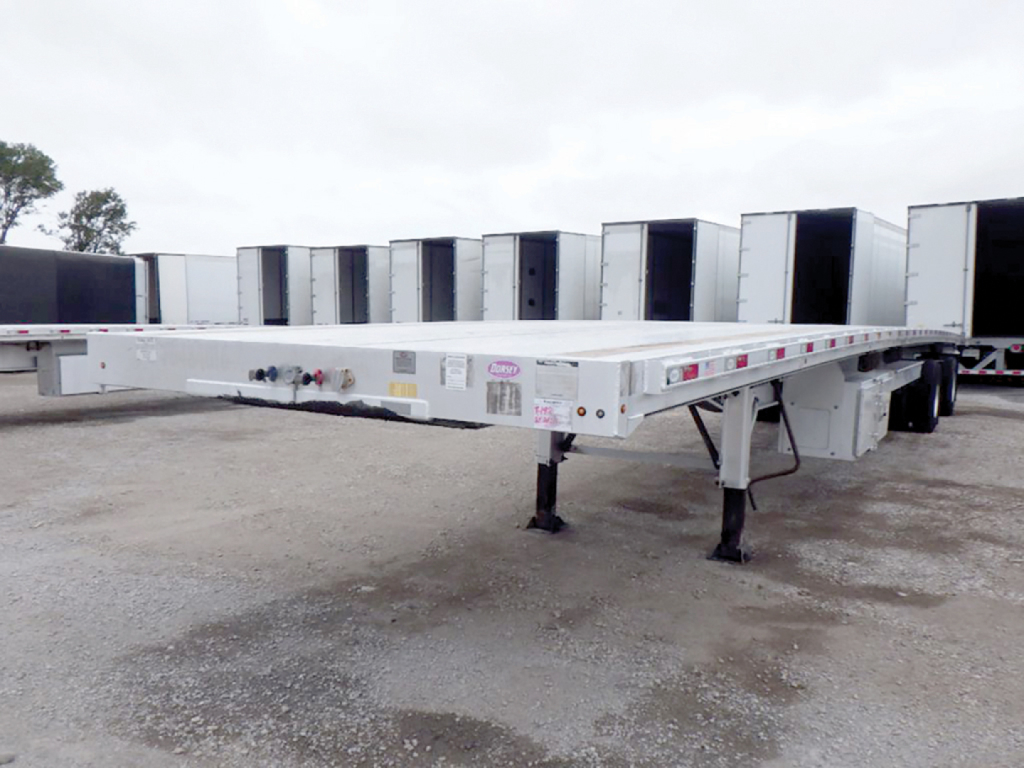
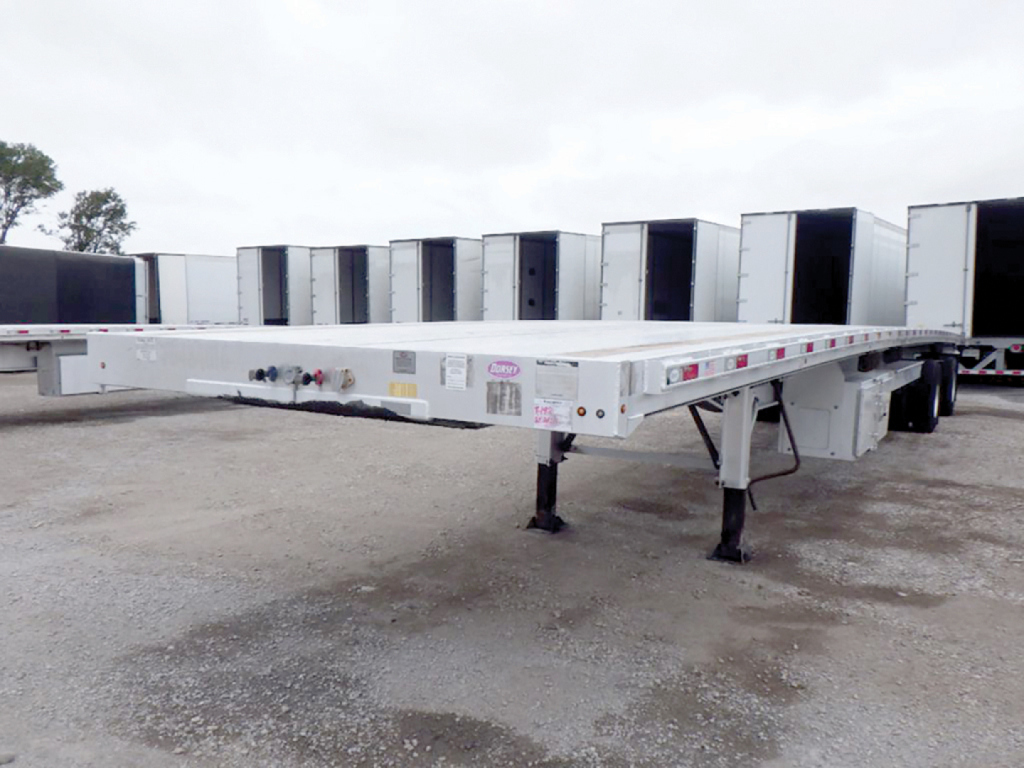
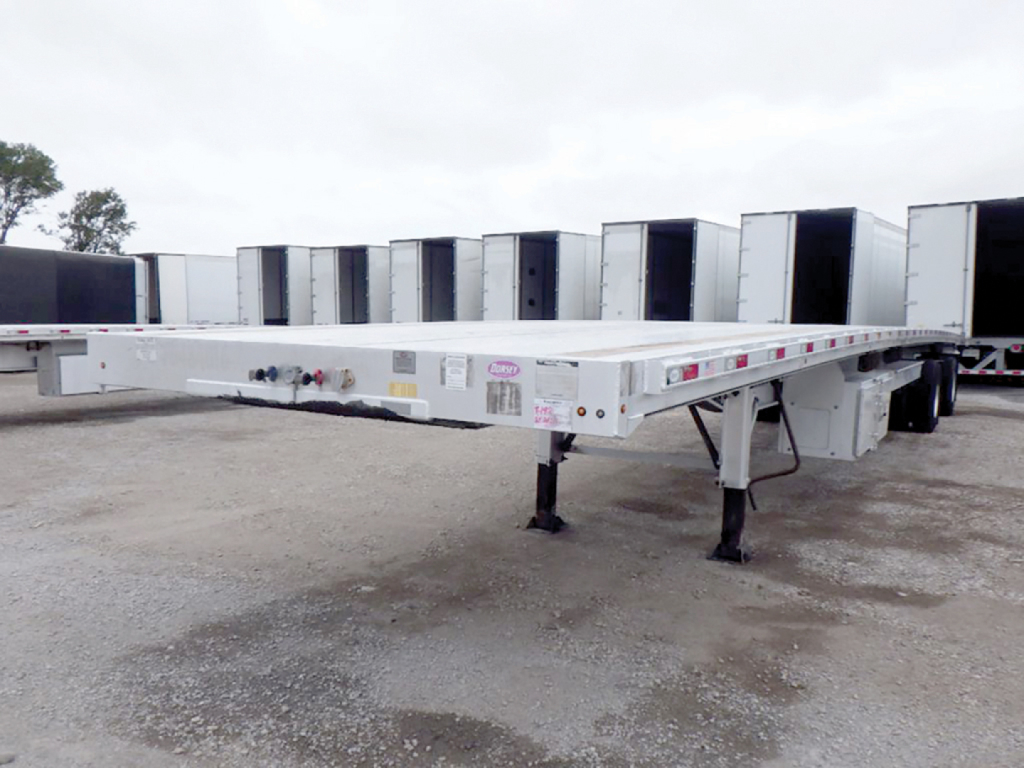
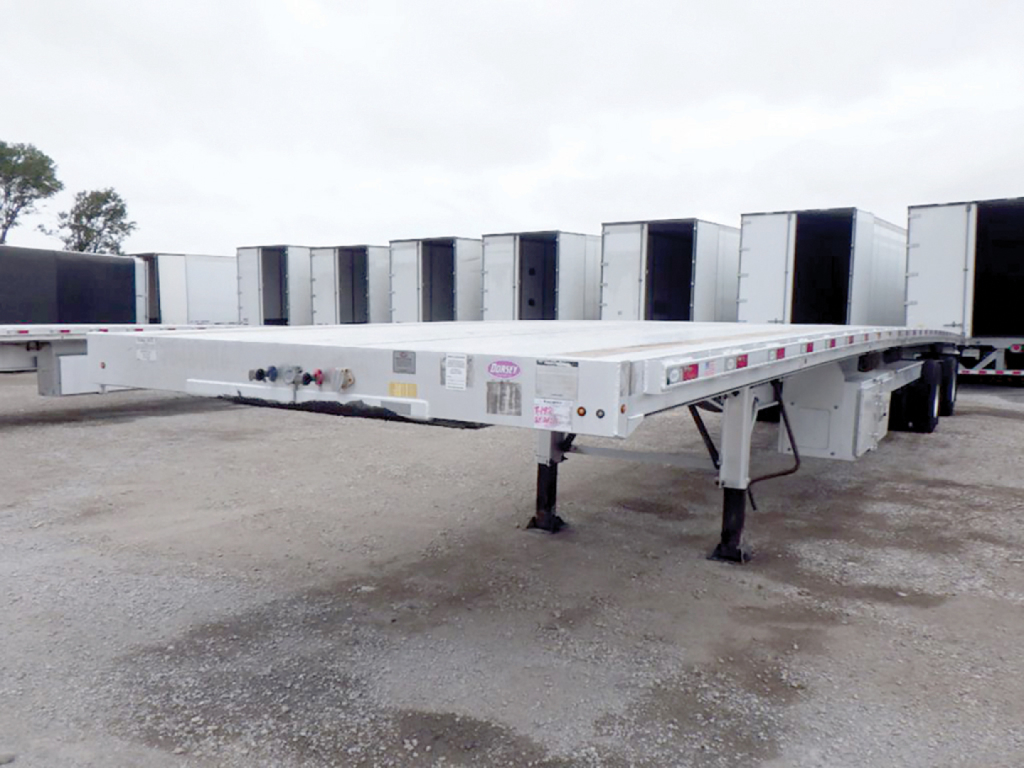
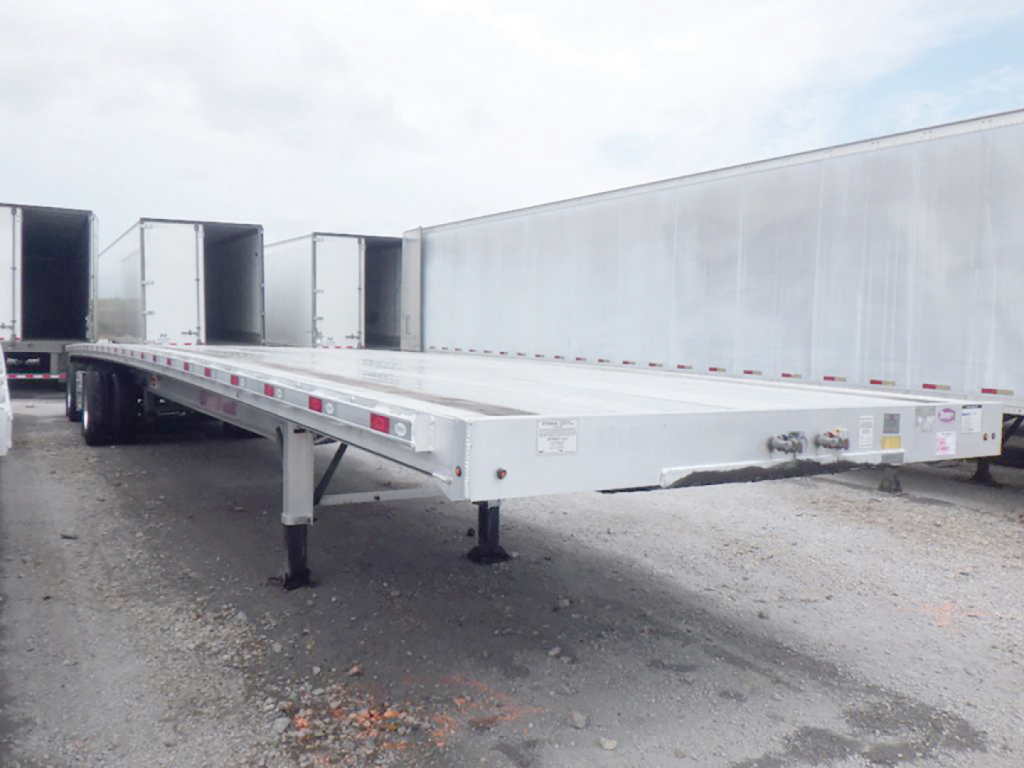
Showing 1 to 28 of 1,041 results
Selling a used cimc trailer? List your used cimc trailer for sale and reach thousands of commercial buyers.
Used CIMC Trailers
For refrigerated service, used CIMC reefer trailers are often equipped with Thermo King or Carrier units, swing rear doors, air ride suspension, and low-profile 22.5 tires. Buyers should look closely at reefer unit hours, CARB compliance status, floor type, and interior condition. Details such as aluminum duct floors, scuff liners, E-track, bulkheads, anti-dock walk, and tire inflation systems can make a major difference in operating cost and freight flexibility. Closed tandem or slider tandem setups also affect bridge compliance, weight distribution, and dock approach depending on your lanes and customer base.
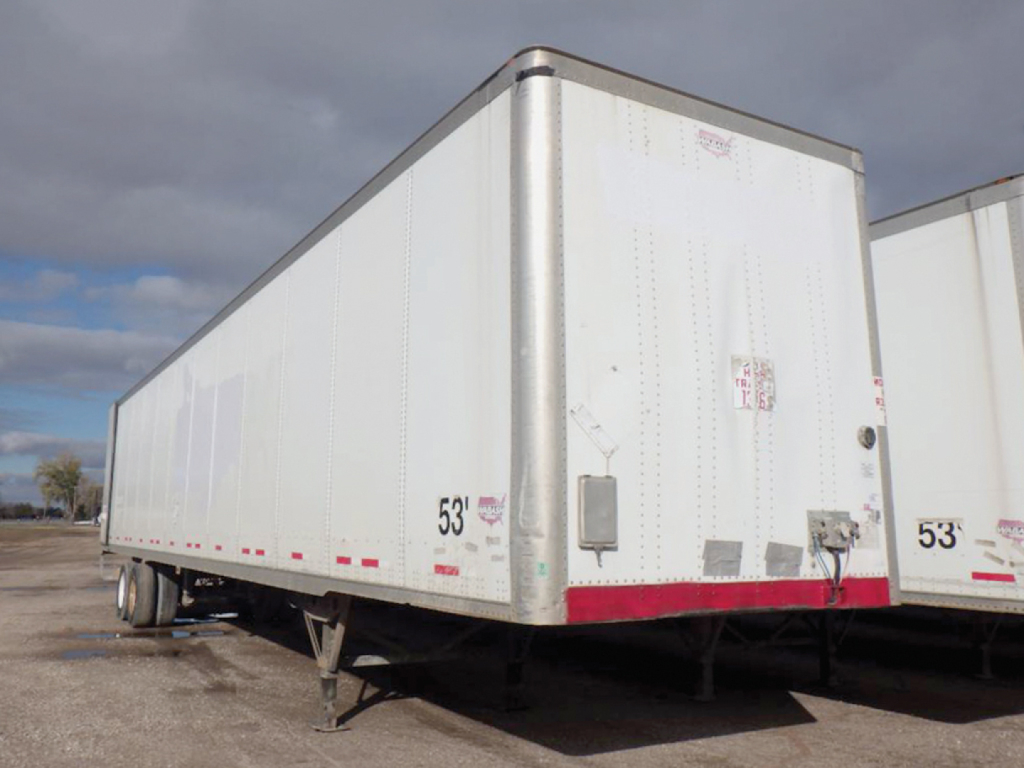
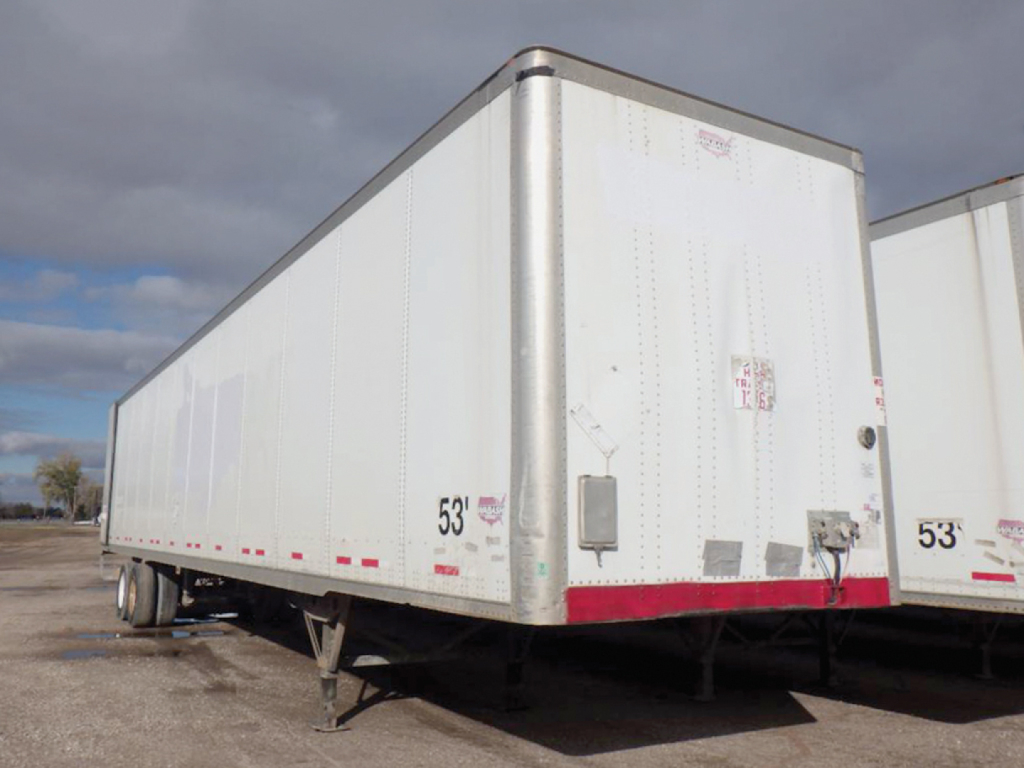
CIMC is also well known in domestic containers and intermodal-related equipment. Used 53-foot CIMC containers are commonly steel construction with wood floors, gooseneck tunnels, and reinforced crossmembers designed for domestic freight handling. A buyer should verify floor rating, corner casting condition, sidewall integrity, and any signs of forklift abuse, rust, or door frame misalignment. If the equipment will be used in stacked yard storage or rail-connected operations, structural condition at the top corner fittings and lower rails deserves extra attention.
When evaluating any used CIMC trailer, focus less on badge and more on the exact build spec. Suspension type, axle spacing, wheel material, interior wear protection, insulation package, and door configuration all affect resale value and day-to-day performance. Fleet-maintained CIMC trailers can be a solid fit for carriers, private fleets, and leasing operations that want standardized specs and predictable serviceability. The best buy is usually the trailer that matches your freight profile, shop capabilities, and compliance requirements without adding unnecessary weight or maintenance complexity.
Frequently Asked Questions about Used CIMC Trailers
What types of used CIMC trailers are most commonly found on the market?
Used CIMC trailers commonly include refrigerated trailers, dry vans, domestic containers, chassis, and some flatbed or platform configurations. In many fleet and lease environments, 53-foot reefers and 53-foot domestic containers are especially common. The exact mix depends on region, prior fleet use, and whether the equipment came from over-the-road, dedicated, or intermodal service.
What should I check first on a used CIMC reefer trailer?
Start with the refrigeration unit make, model, and hours, then confirm service history and compliance status. After that, inspect the trailer body for insulation integrity, floor wear, rear frame condition, scuff liner damage, door seal condition, and suspension issues. A reefer trailer can look clean outside and still have expensive problems in the unit, floor, or interior lining, so mechanical and structural inspection both matter.
Are CIMC domestic containers a good fit for regional and intermodal freight?
CIMC domestic containers are commonly used in regional distribution and intermodal operations because they are typically built around standard 53-foot domestic dimensions with steel construction and forklift-capable floors. Buyers should confirm floor rating, structural rail condition, door operation, and corner casting integrity before purchase. The right unit can be a cost-effective option for shippers and fleets moving dry freight through yard, drayage, and rail-connected networks.
How important are trailer specs like tandem position, suspension, and floor type on a used CIMC trailer?
These specs are critical because they directly affect payload, maintenance cost, and lane suitability. Tandem position influences bridge law compliance and weight distribution. Suspension type affects ride quality and upkeep. Floor type matters for forklift traffic, sanitation, and repair cost. Two CIMC trailers of the same year can perform very differently if one was built for general freight and the other for temperature-controlled or heavy-cycle fleet service.
Is a used CIMC trailer best for fleets or also suitable for owner-operators?
A used CIMC trailer can work well for either, but the value depends on spec match and support capability. Fleets often like CIMC equipment because many units were built with standardized, serviceable configurations. Owner-operators can also benefit if they buy a trailer with the right dimensions, axle setup, and maintenance history for their freight. The key is avoiding a fleet spec that does not fit your routes, dock requirements, or repair budget.