
CIMC Trailers For Sale
Shop CIMC trailers including reefer vans, domestic containers, and refrigerated containers with durable construction and fleet-focused specs.
Learn moreBrowse CIMC Trailers by Category

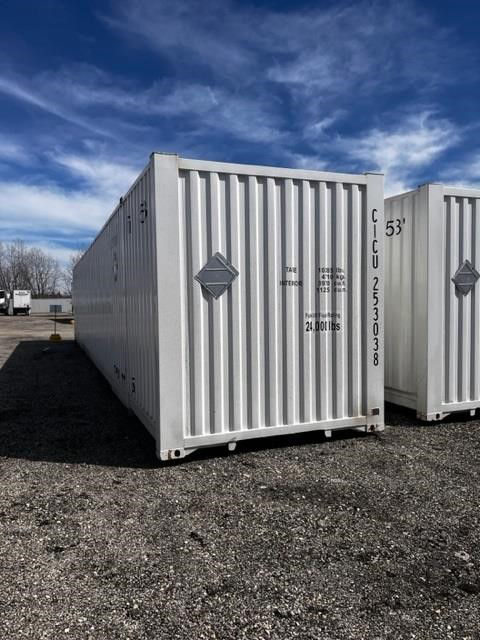
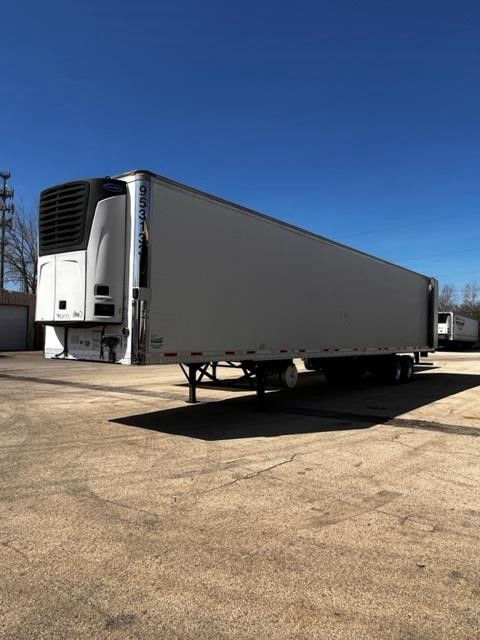
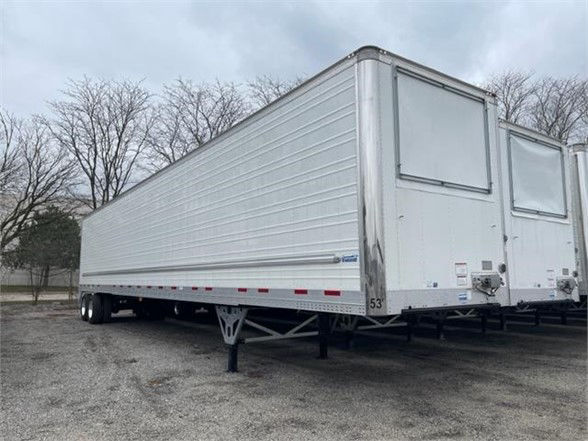
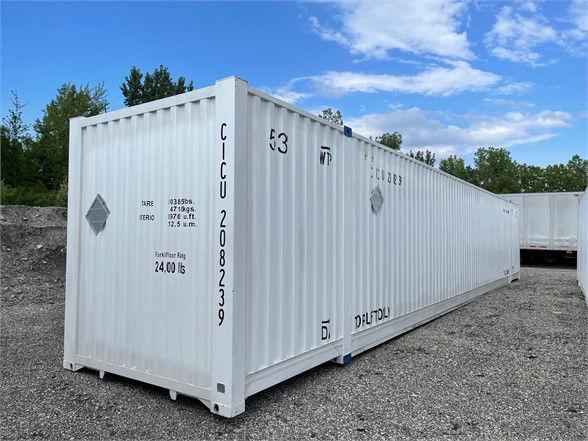
Have cimc trailer to sell? List it here to reach thousands of buyers.
About CIMC Trailers
For reefer buyers, the key decision points are insulation performance, floor design, and long-term durability in wet, high-cycle service. CIMC refrigerated trailers are often chosen for foamed panel construction, galvanized components, and a layout that supports thermal efficiency without adding unnecessary weight. A heavy-duty duct floor helps maintain air circulation under palletized freight, while flat-floor configurations may fit different loading patterns and product mixes. Common specs in this class include 102-inch width, high-cube bodies, low-profile tires, outside aluminum wheels, E-track, scuff protection, and carrier or thermo king compatible refrigeration unit installations depending on the fleet's maintenance standard.
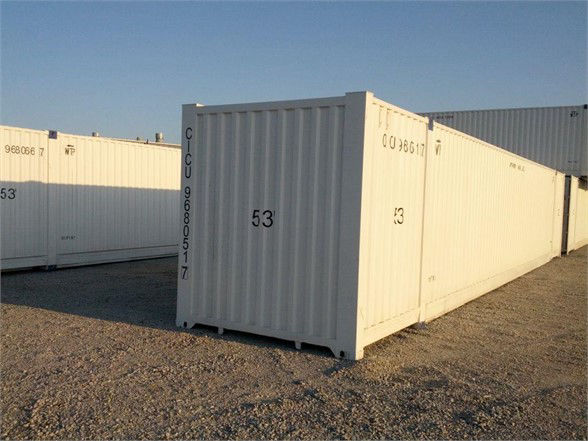
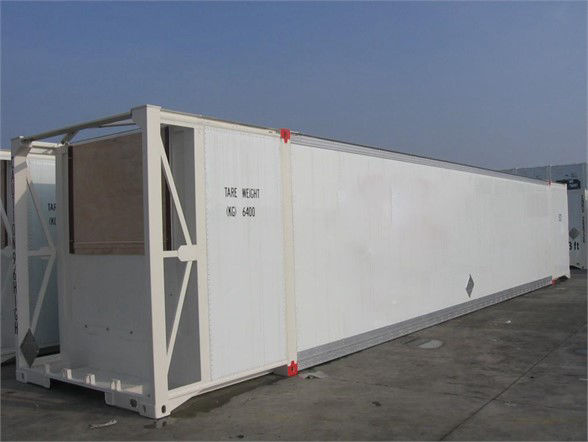
If your operation leans intermodal, CIMC domestic containers and refrigerated containers deserve a different inspection checklist. Floor rating, crossmember design, corner castings, gooseneck tunnel configuration, and side rail strength matter more than cosmetic details. Many 53-foot CIMC domestic containers use laminated hardwood flooring and high-strength steel in the understructure to hold up to chassis transfers, yard stacking, and repeated crane or spreader handling. Refrigerated containers built with reefer trailer construction can offer a useful blend of thermal control and weight savings for shippers moving temperature-sensitive freight through a mixed road and yard environment.
The right CIMC trailer comes down to freight type, maintenance model, and resale horizon. Reefer fleets should compare insulation retention, door seal condition, floor wear, and refrigeration unit compatibility. Container buyers should focus on structural integrity, floor condition, rust at key stress points, and compliance with the chassis and handling environment they use every day. CIMC has become a familiar name for fleets that want modern trailer design without giving up the core basics that drive trailer uptime: strong floors, durable substructures, efficient cargo protection, and specs that match real-world freight operations.
Frequently Asked Questions
What types of trailers does CIMC commonly build for the North American market?
CIMC is commonly associated with refrigerated trailers, also called reefer vans, along with 53-foot domestic containers and refrigerated containers. In practical fleet use, that means CIMC equipment shows up in food distribution, cold-chain freight, intermodal service, and general dry freight moved in containerized domestic lanes. Many buyers know the brand through CIMC Vanguard reefer and container products designed around standard U.S. dimensions and fleet specifications.
What should I look for when buying a used CIMC reefer trailer?
Start with the condition of the insulated body, floor, rear frame, doors, and refrigeration unit interface. Check for panel damage, moisture intrusion, soft spots in the floor, bent crossmembers, poor door sealing, and corrosion around hardware and lower wear areas. Confirm the trailer's floor type, suspension, axle configuration, tire system, and whether the reefer unit matches your shop's preferred service network. On a reefer, thermal integrity and structural condition matter more than appearance because those are the factors that affect fuel use, temperature control, and downtime.
Are CIMC domestic containers built for intermodal use?
Yes. CIMC domestic containers are commonly built for intermodal handling, which means they are designed to be lifted from the top corner fittings, transferred between chassis and rail service, and stacked in terminal environments. Buyers should still verify floor rating, corner casting condition, understructure integrity, and any signs of twist, impact, or corrosion from prior handling. A container can look acceptable from the outside but still have structural wear that matters in rail and yard operations.
What are common specs on a CIMC reefer trailer?
Common specs include a 53-foot trailer length, 102-inch width, tandem axles, air ride suspension, swing rear doors, and either a duct floor or flat floor depending on the freight profile. Some units are equipped with high-cube bodies, low-profile tires, outside aluminum wheels, E-track, scuff liners, and automatic tire inflation systems such as MTIS. The exact build can vary by fleet, but those are the specs many buyers compare first because they directly affect payload, loading style, and maintenance cost.
Is galvanized construction important on a CIMC trailer?
Galvanized components can be a meaningful advantage, especially on reefer trailers exposed to moisture, washouts, road chemicals, and year-round temperature swings. Better corrosion resistance helps preserve the trailer's structure and appearance while reducing repaint and repair needs over time. For buyers planning to keep equipment in a demanding regional or food-service cycle, corrosion protection is not just cosmetic. It has a direct effect on long-term durability, maintenance planning, and resale condition.