
CIMC Reefer Trailers For Sale
Shop CIMC reefer trailers with insight on thermal efficiency, galvanized construction, duct floors, specs, reefer units, and fleet use cases.
No exact matches found for your search
Showing Reefer Trailers instead.
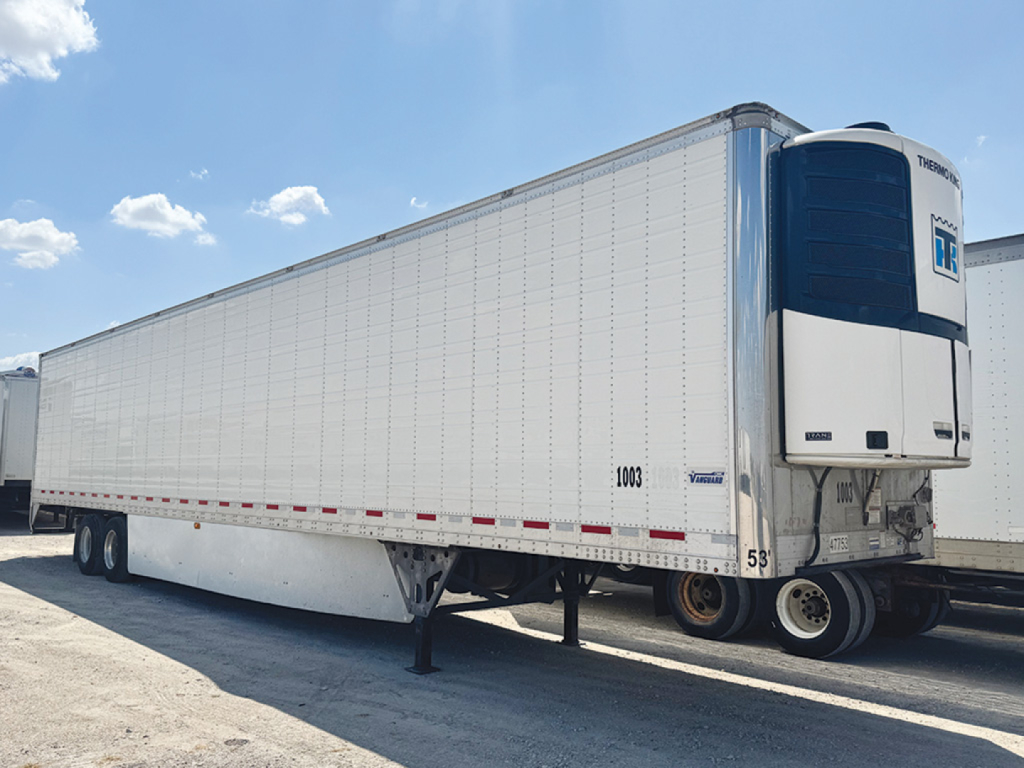
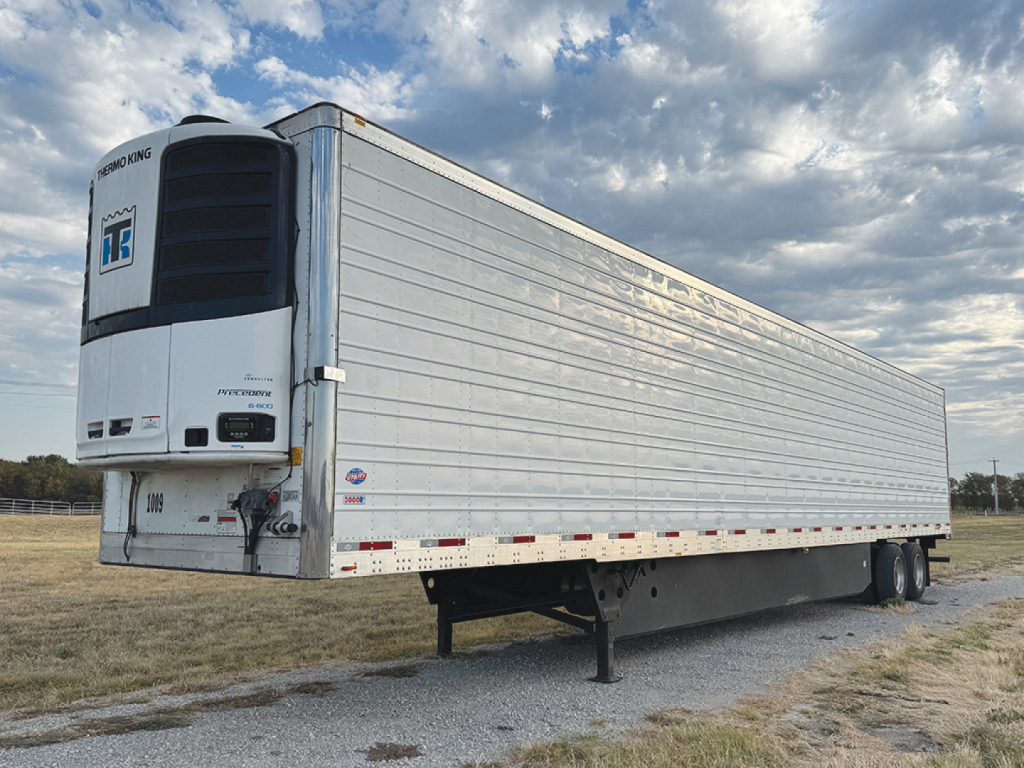
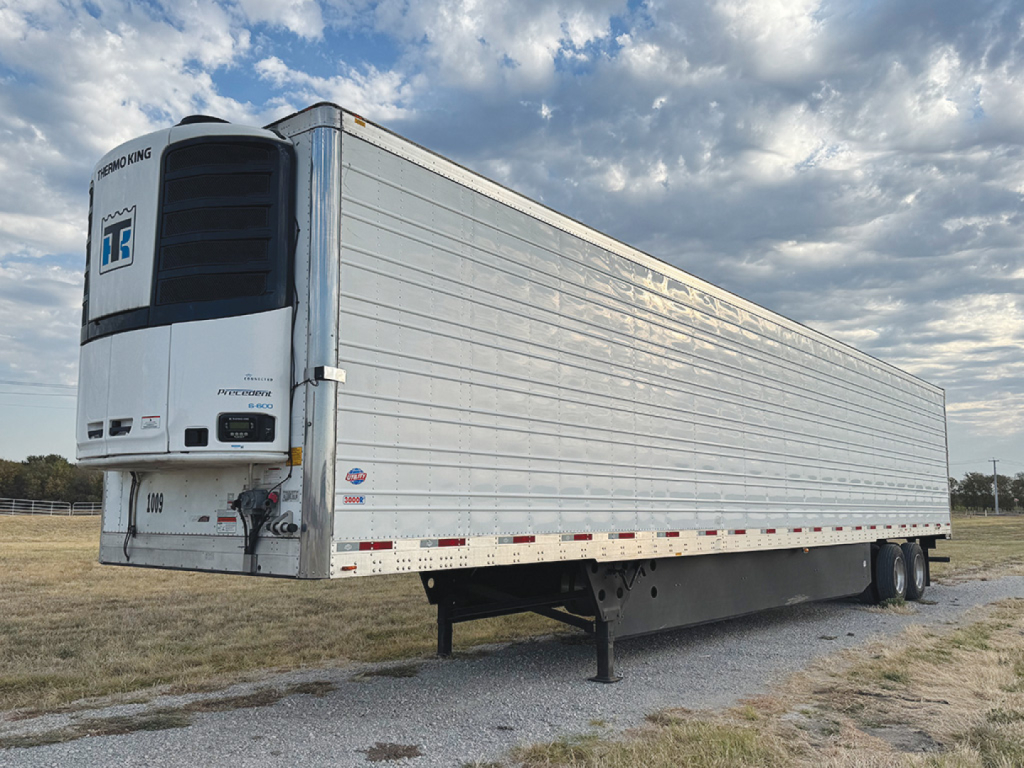
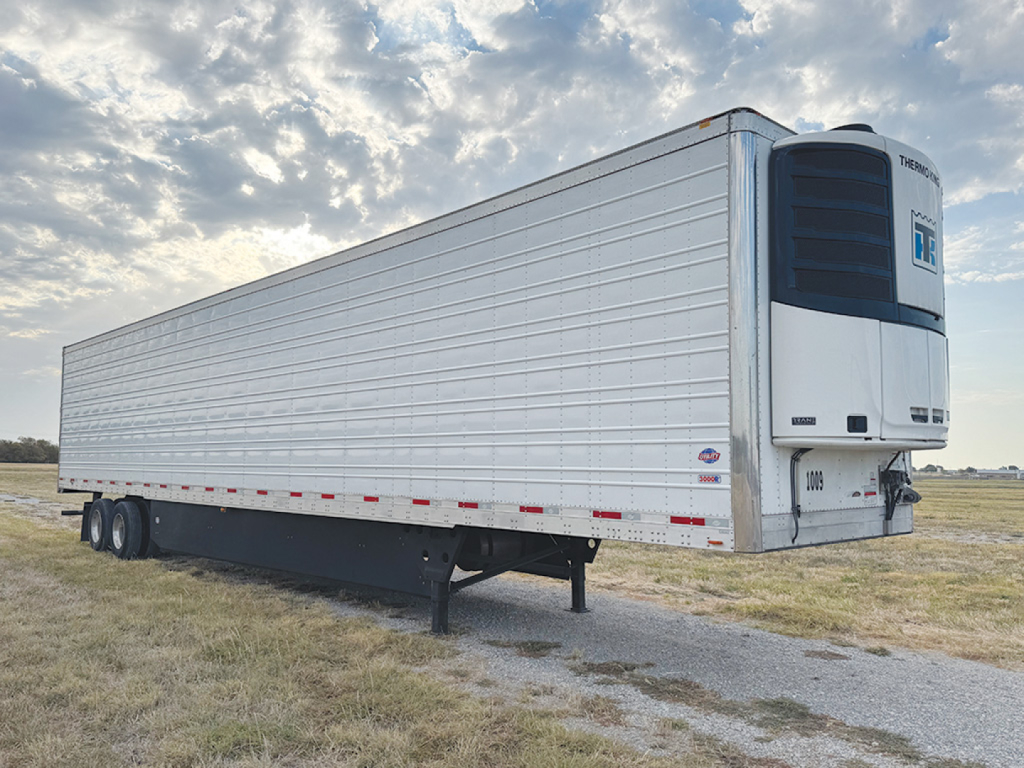
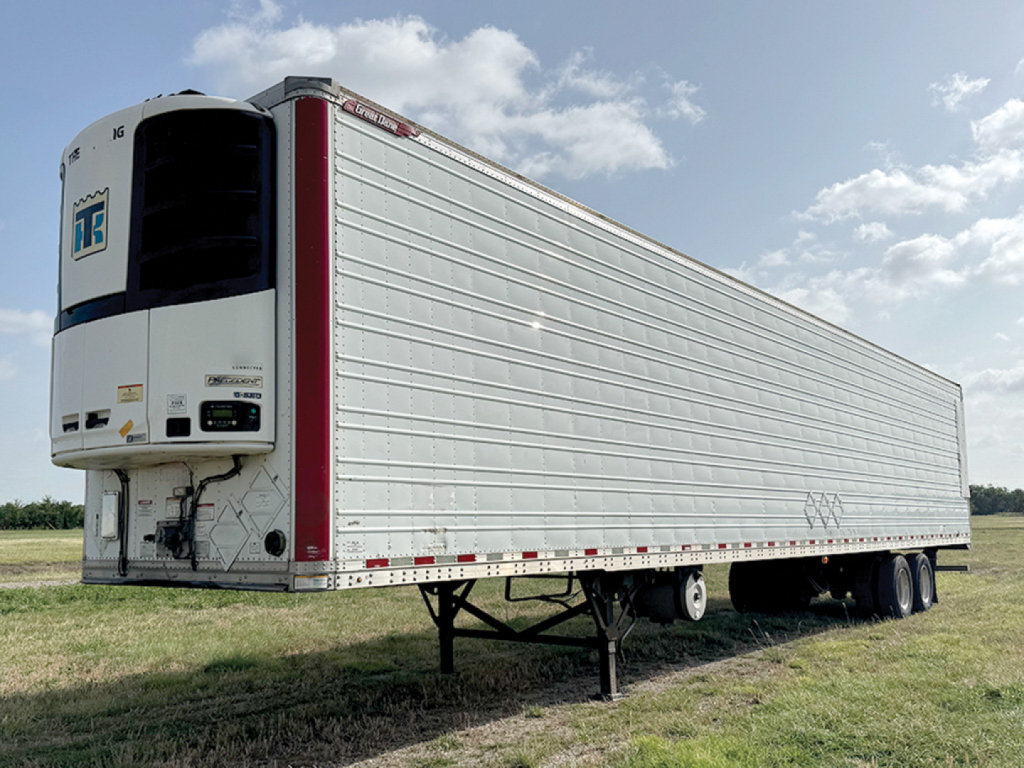
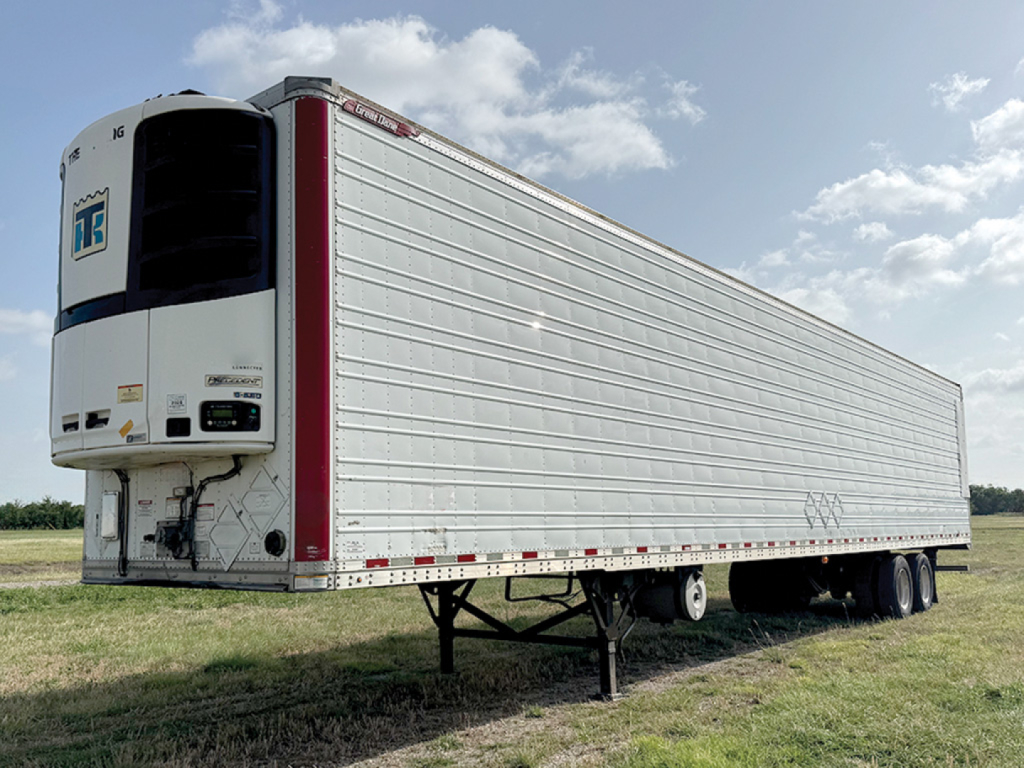
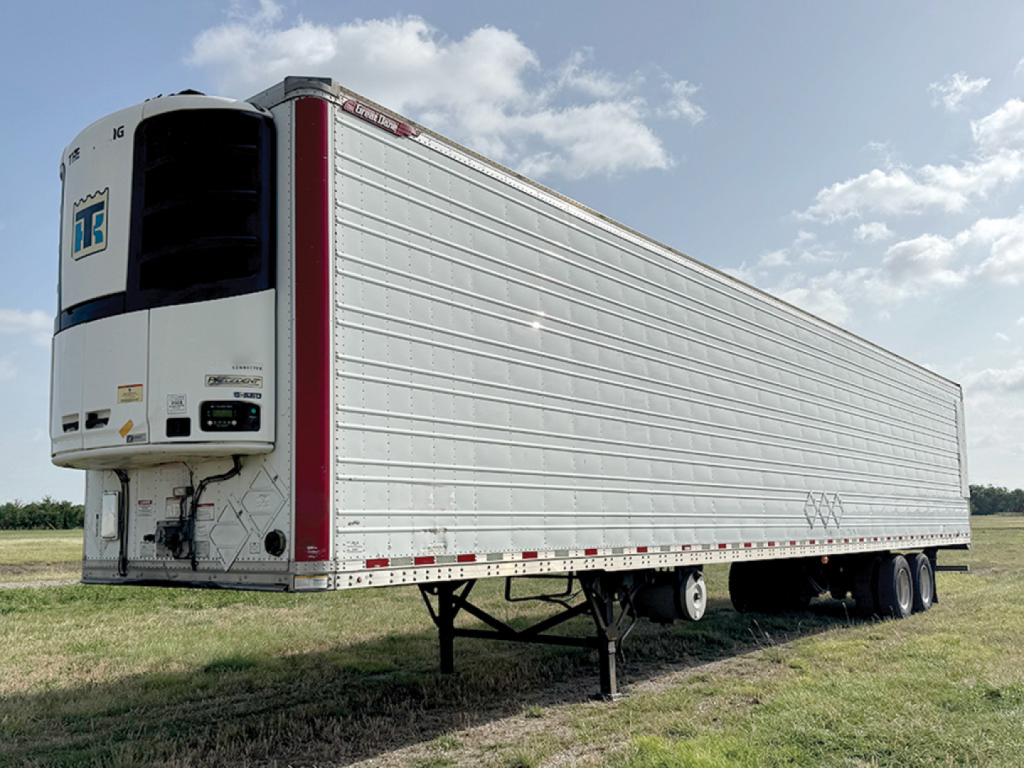
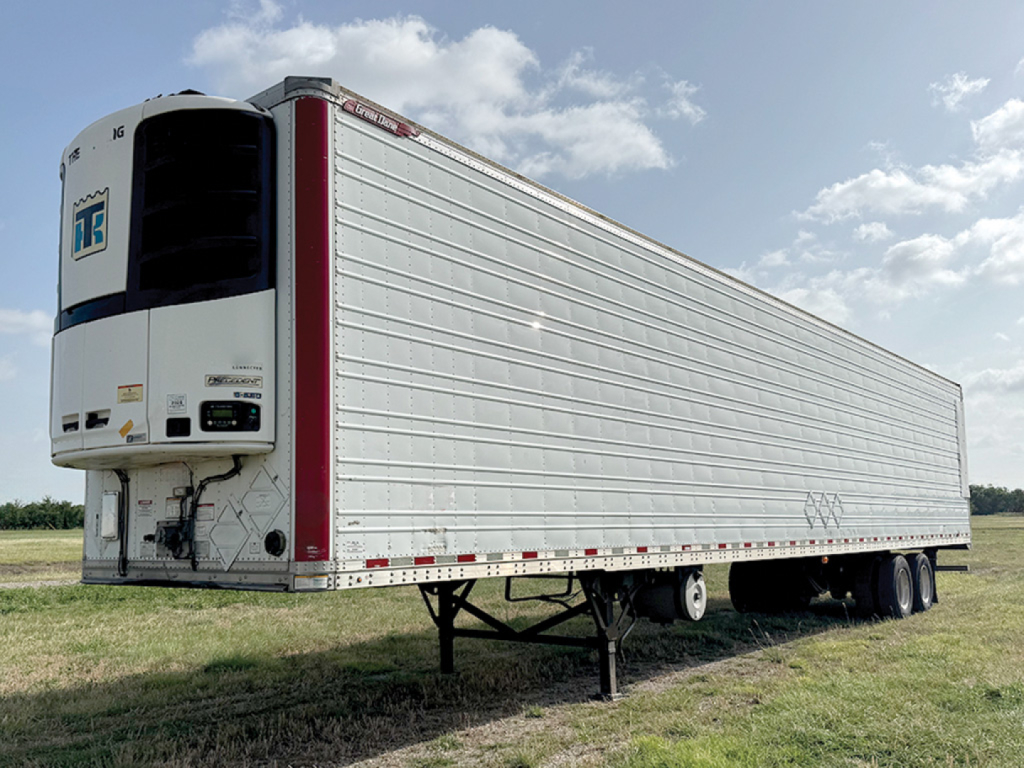
Showing 1 to 12 of 111 results
Have cimc reefer trailer to sell? List it here to reach thousands of buyers.
CIMC Reefer Trailers
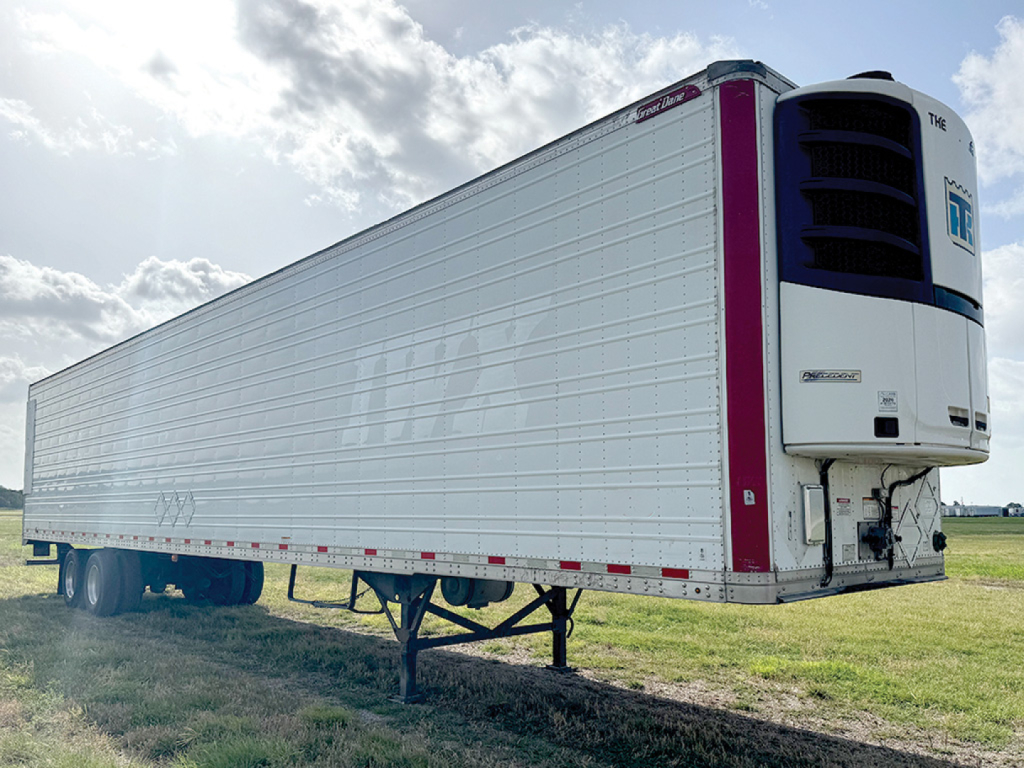
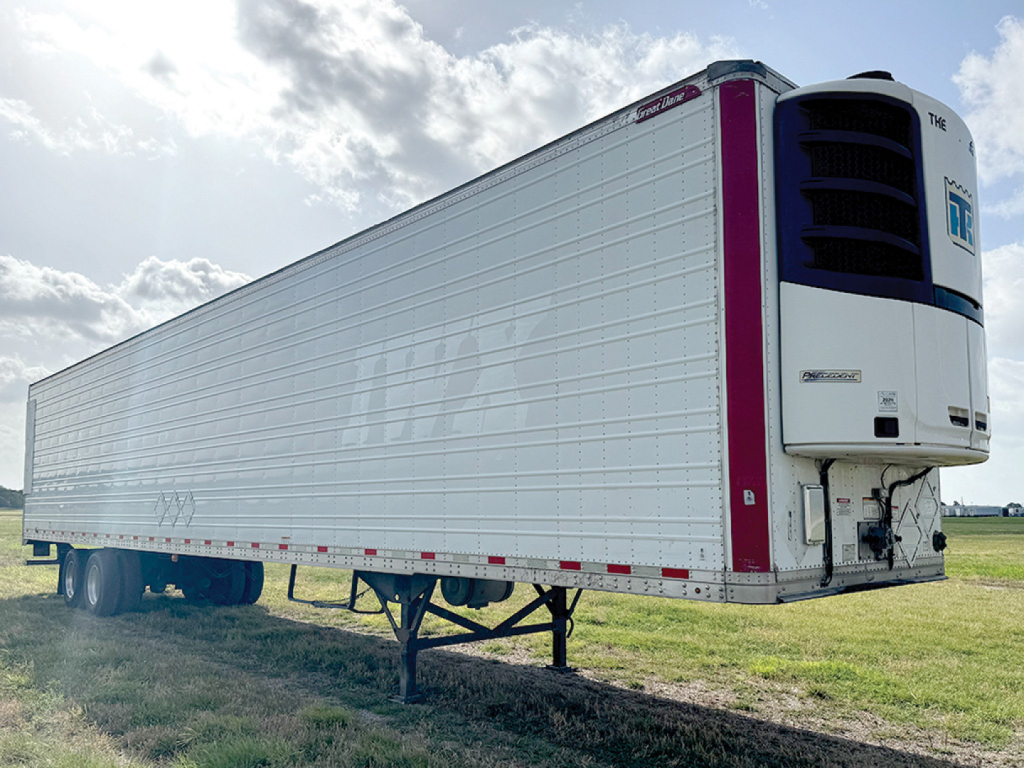
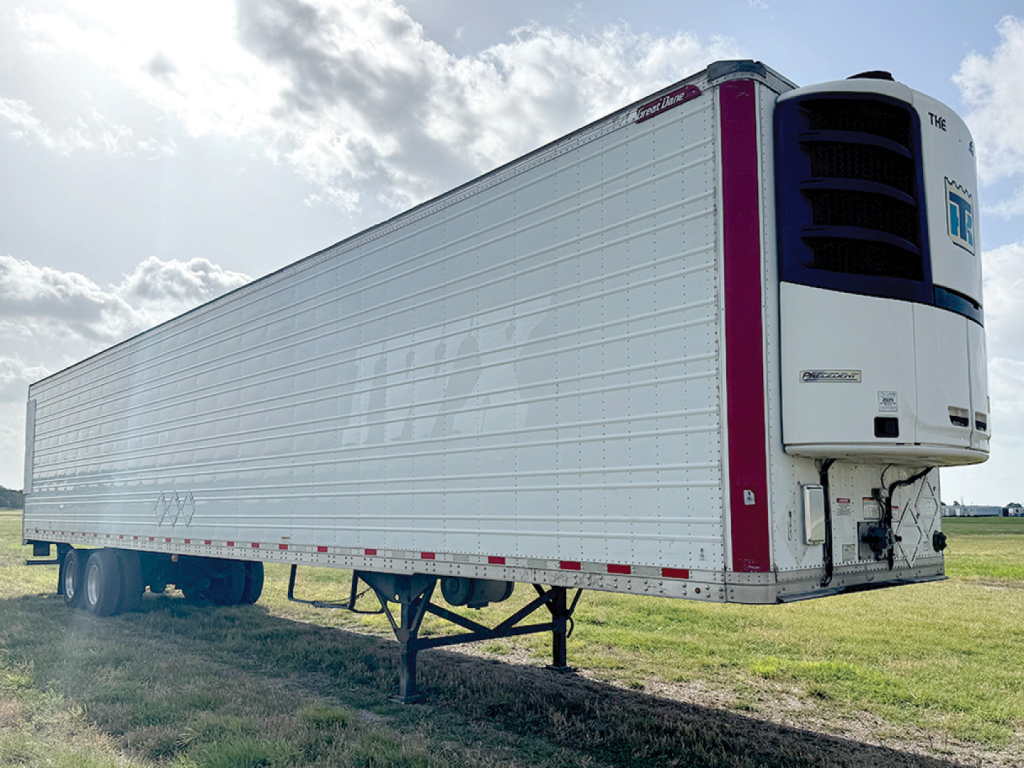
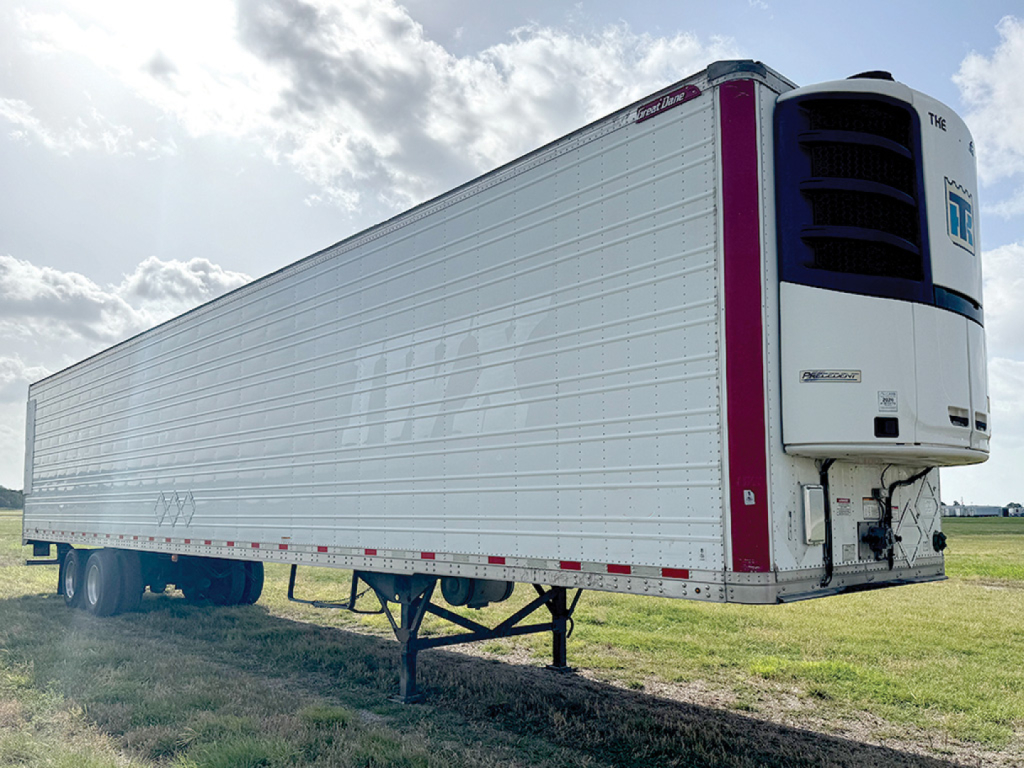
A buyer comparing CIMC reefer trailers should pay close attention to insulation design, floor style, and corrosion protection. Duct floors help move air under the load and are a strong fit for produce, dairy, and other freight that depends on even temperature distribution from front to rear. Flat floors can be easier for mixed pallet freight or applications where forklift traffic and load handling are the bigger priority. Galvanized steel in crossmembers, rear frames, and other high-exposure areas can reduce cosmetic deterioration and slow corrosion, which matters if the trailer runs year-round in northern road salt or high-moisture regional service.
Reefer unit spec is just as important as trailer body spec. Listings in this class may include Carrier or Thermo King units, and used trailers should be evaluated on total engine hours, start-run history, CARB compliance, fuel system condition, and maintenance records. Common supporting specs include low-profile 22.5 tires, outside aluminum wheels, tire inflation systems, scuff liners, E-track, bulkheads, air slide suspensions, and anti-dock-walk protection. If the freight changes often, interior details like scuff liner height, chute configuration, and load securement tracks can affect both cargo protection and loading speed.
CIMC reefer trailers fit fleets hauling grocery, frozen food, fresh produce, pharmaceuticals, and other perishable or temperature-sensitive freight. For high-mileage operations, the right trailer is usually the one that matches the refrigeration unit to the lane, the floor to the commodity, and the body construction to the climate it will live in. Buyers evaluating used CIMC reefers should inspect door seals, front wall condition, floor wear, suspension components, and signs of moisture intrusion around the unit opening and roof seams. On newer trailers, the main value points are often thermal efficiency, standard feature content, and lower long-term upkeep from corrosion-resistant construction.
Frequently Asked Questions about CIMC Reefer Trailers
What are the most common specs on a CIMC reefer trailer?
Most CIMC reefer trailers on the market are 53-foot refrigerated vans with a 102-inch overall width, tandem axles, air ride suspension, and swing rear doors. Many are equipped with duct floors, outside aluminum wheels, low-profile 22.5 tires, and tire inflation systems. Depending on the original order, they may also include E-track, scuff liners, bulkheads, and either fixed or sliding tandem configurations.
Is a duct floor better than a flat floor on a CIMC reefer?
A duct floor is usually the better choice when airflow consistency is critical, especially for produce, frozen foods, and dense palletized loads that need even temperature distribution through the trailer. A flat floor can be preferred in some multi-stop or mixed-freight operations where loading convenience and floor surface preference matter more than maximum underfloor air movement. The right choice depends on commodity type, pallet pattern, and how tightly the trailer is loaded.
What should I inspect on a used CIMC reefer trailer?
The most important inspection points are the reefer unit hours and service history, door seals, interior wall condition, floor wear, roof and front wall integrity, and any sign of water intrusion or insulation damage. Buyers should also check suspension wear, slider operation if equipped, tire inflation system condition, and corrosion around the rear frame, crossmembers, and unit mounting area. On refrigerated trailers, small seal or panel issues can turn into temperature-control problems quickly, so body condition matters as much as mechanical condition.
Are CIMC reefer trailers a good fit for long-haul refrigerated service?
CIMC reefer trailers are commonly spec'd for long-haul and regional temperature-controlled freight because they typically combine full-size reefer van dimensions, insulated panel construction, and fleet-oriented options such as air ride suspension and duct floors. Their appeal is strongest for buyers focused on thermal efficiency, corrosion-resistant construction, and practical operating specs. As with any reefer, long-haul suitability depends heavily on the refrigeration unit spec, maintenance discipline, and how well the trailer matches the commodity being hauled.
Why does galvanized construction matter on a reefer trailer?
Galvanized components help protect a reefer trailer from corrosion in high-moisture and road-salt environments. That can reduce maintenance tied to rust, preserve structural components longer, and improve the trailer's long-term appearance. For fleets running in the Midwest, Northeast, or other harsh-weather regions, corrosion protection is not just cosmetic. It can affect service life, resale value, and how much downtime the trailer sees for repairs.