
Western Star Trucks For Sale in North Carolina
Compare Western Star trucks for sale in North Carolina by axle layout, drivetrain, emissions equipment, and suitability for mountain or coastal work.
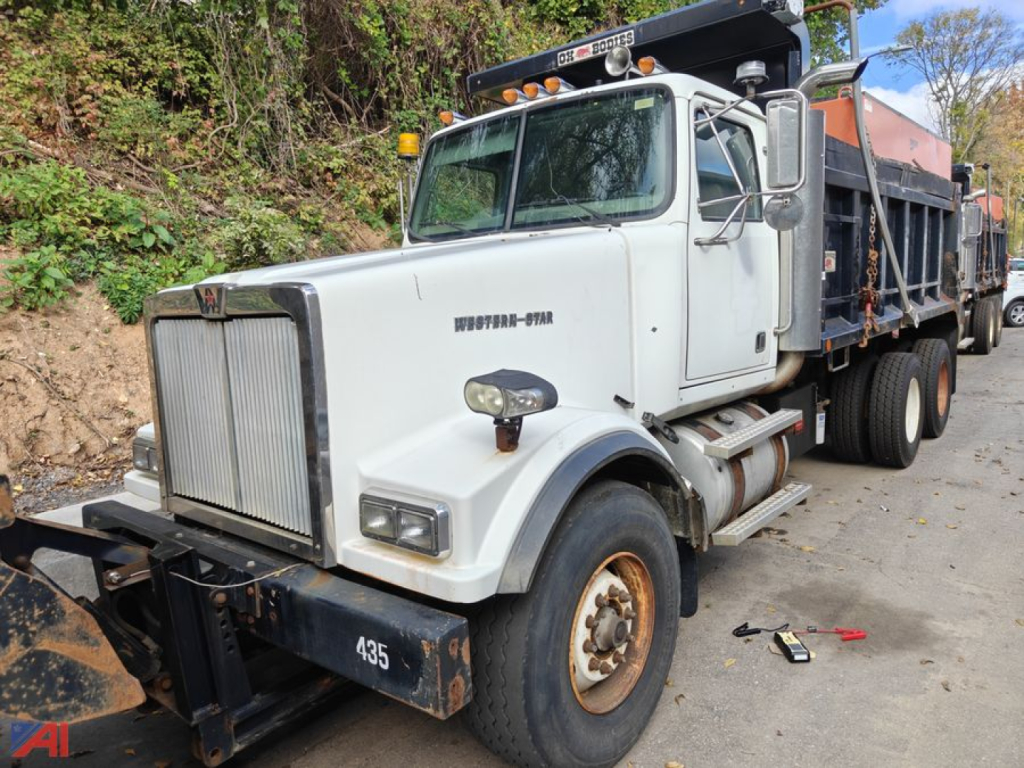
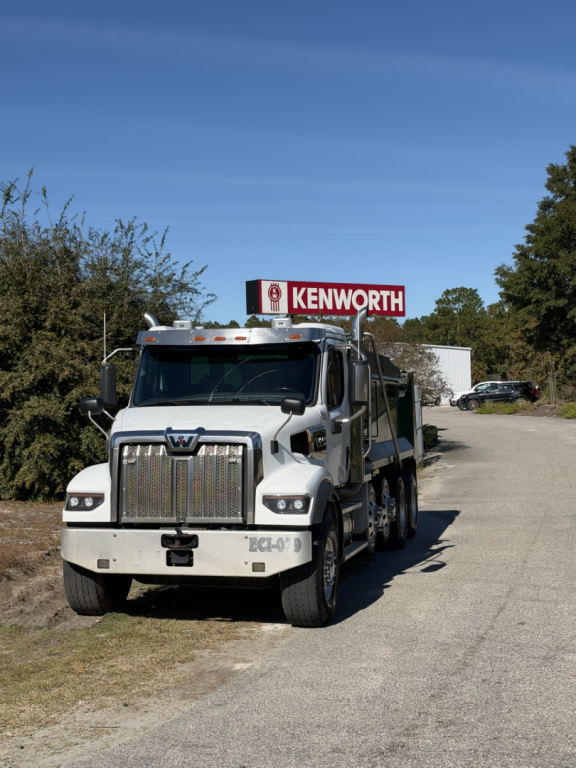
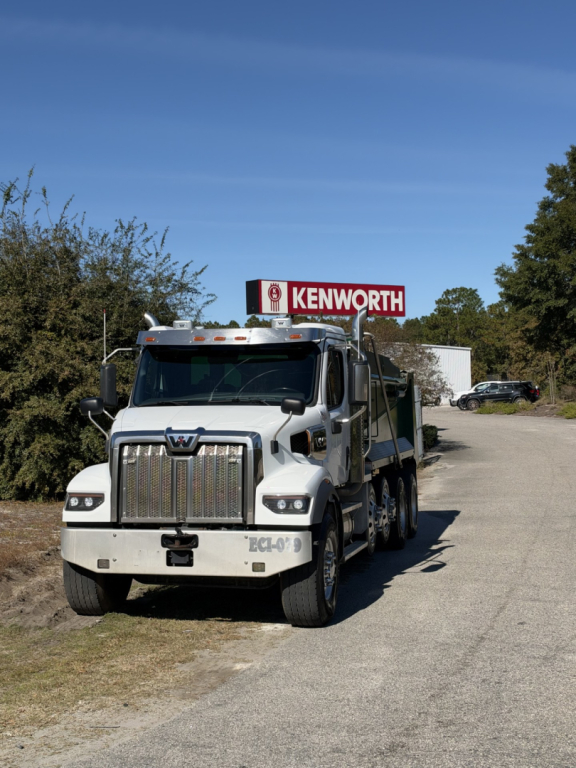
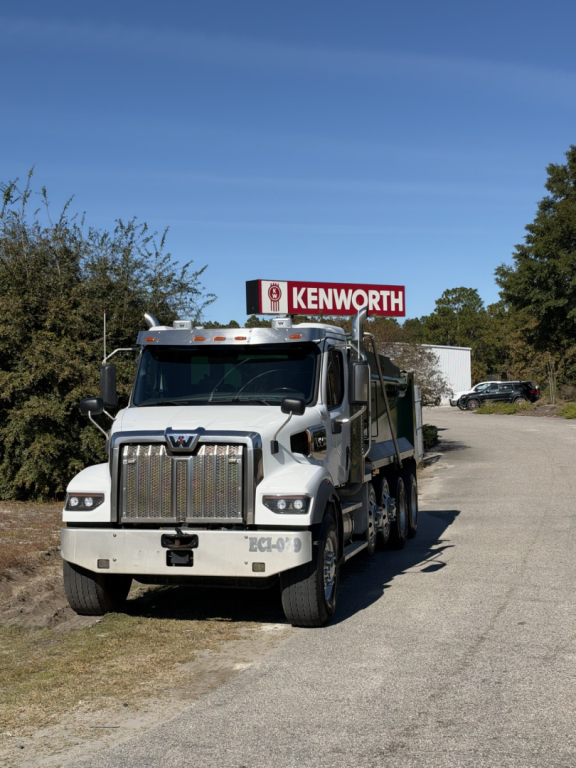
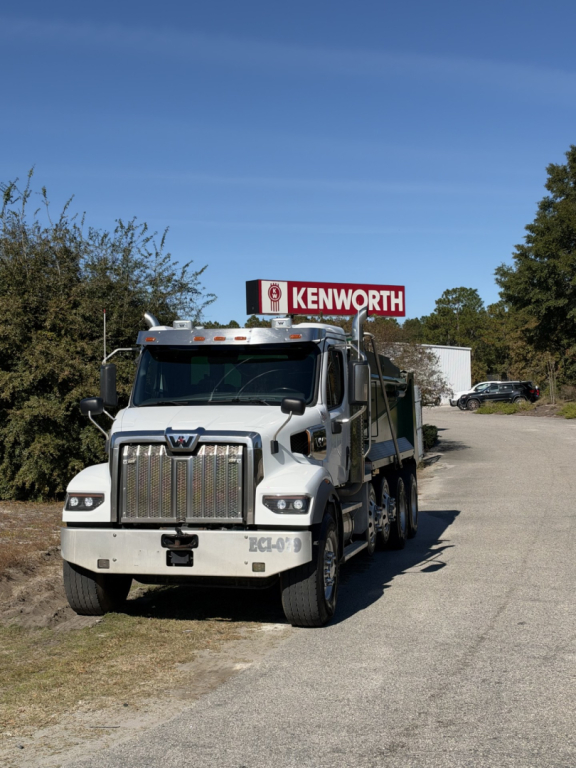
Selling a western star truck? List your western star truck for sale and reach thousands of commercial buyers.
Western Star Trucks in North Carolina
Used vocational models such as the 4700, 4800, and 4900 differ substantially from newer 47X and 49X chassis, while the 5700XE and newer 57X serve highway applications. The Detroit DD13 is a common vocational pairing; larger Western Star configurations also use DD15 engines, and older trucks may carry Cummins or Caterpillar power. Allison fully automatic, Eaton manual, and Detroit DT12 automated transmissions appear across the broader range, depending on model and year. Confirm the engine, transmission, axle ratio, and PTO provisions from the build record rather than assuming that all Western Stars share the same drivetrain.
North Carolina legal payload depends on axle spacing, individual axle loads, tire ratings, registered weight, and the roads traveled, not simply the number of lift axles. Weigh a vocational truck with its body, fuel, and operating equipment before calculating usable payload. Western mountain routes make engine-brake operation and service-brake condition especially important. Inspect coastal trucks for salt-related corrosion and mountain-operated trucks for winter deicing damage around frame rails, electrical connections, air tanks, and brake hardware.
Engine build date matters more than the truck's advertised model year when identifying emissions equipment. Most 2007-era on-highway diesel engines introduced DPF systems, and most 2010-era engines added SCR and DEF. For used trucks, obtain ECM mileage, engine hours, idle hours, fault history, and documented aftertreatment repairs. High PTO hours can explain substantial wear despite modest mileage. Inspect cooling-system condition, steering play, suspension bushings, driveline joints, and frame repairs; dump and mixer chassis also need close examination around body mounts and suspension hangers. Older trucks warrant checks for deteriorated hoses, wiring, and cab mounts regardless of mileage.
For a new Western Star, settle the completed vehicle specification before ordering: wheelbase, front axle capacity, suspension, differential locks, cooling package, and transmission-compatible PTO drive all affect the finished truck. Coordinate body-builder requirements with the chassis specification, including hydraulic capacity and available frame space. Review chassis, engine, transmission, emissions, and installed-body warranties separately because coverage and exclusions differ. Qualifying new heavy trucks are generally subject to the 12% federal excise tax; confirm its treatment on the completed vehicle.
Frequently Asked Questions about Western Star Trucks in North Carolina
What CDL do I need to drive a Western Star truck in North Carolina?
A single Western Star with a GVWR or actual weight of 26,001 pounds or more generally requires a Class B CDL in commercial service. Class A generally applies when combination ratings or actual weights reach 26,001 pounds and the towed vehicle exceeds 10,000 pounds. Air-brake restrictions and any tanker or hazardous-material endorsements also matter. Confirm the specific combination and operation with NCDMV.
Is an Allison automatic a good choice for a Western Star dump truck?
An Allison fully automatic transmission is a strong choice for a Western Star dump truck doing frequent loaded starts, backing, and low-speed jobsite maneuvering. Torque-converter operation avoids repeated clutch engagement, but the transmission rating, cooling system, axle ratio, and PTO arrangement must match the application. For sustained highway hauling, compare operating speed, engine rpm, and transmission gearing rather than choosing by transmission brand alone.
Can a Western Star road tractor be converted into a dump truck?
A Western Star road tractor can be converted into a dump truck only when the chassis ratings and layout support the completed vehicle. Verify frame strength, wheelbase, front axle capacity, suspension, steering clearance, and loaded weight distribution before buying a body. A qualified upfitter should also evaluate PTO compatibility, hydraulic installation, exhaust routing, and any frame alterations; a heavy rear axle rating alone does not establish suitability.
How do I check a used Western Star for flood damage in North Carolina?
Silt or waterlines inside protected cab cavities and electrical connectors are stronger flood indicators than surface rust on a Western Star chassis. Inspect beneath floor coverings, behind interior trim, inside battery boxes, and around electronic modules. Check axle and transmission lubricants for water contamination and scan all accessible control modules. A clean title or freshly detailed cab does not replace an independent inspection after suspected coastal or inland flooding.
Can a multi-axle Western Star dump truck legally haul more than 80,000 pounds in North Carolina?
Extra lift axles do not automatically authorize a Western Star dump truck to exceed the standard 80,000-pound Interstate gross limit. Federal bridge limits, axle weights, and applicable exceptions still control. North Carolina non-Interstate allowances are route- and configuration-specific, and an overweight permit cannot be assumed for divisible bulk materials. Verify the intended route and registered weight with NCDOT before calculating payload.