
Water Trucks For Sale in New York
Browse water trucks for dust control, construction, and municipal use. Compare tank size, pump setup, spray heads, chassis ratings, and rust condition.
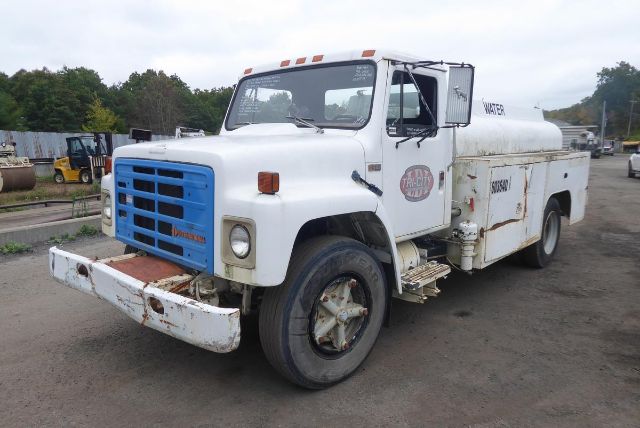
Selling a water truck? List your water truck for sale and reach thousands of commercial buyers.
Water Trucks in New York
Tank capacity is usually the first decision point. Smaller trucks in the 1,000 to 2,000 gallon range are easier to maneuver on tighter jobsites and urban routes, while larger units can carry several thousand gallons for longer spray cycles and fewer refill stops. Tank material matters. Steel tanks are common and durable, but aluminum tanks can save weight and resist corrosion better in certain environments. Buyers should also evaluate internal baffling, tank mounting, sump design, and overall plumbing layout. A well-designed tank with proper baffling helps control surge, improves handling, and reduces stress on the frame and mounts.
The spray system is what separates a basic water hauler from a productive jobsite tool. Common equipment includes front, rear, and side spray heads, gravity bars, hose reels, and a PTO-driven or hydraulic pump. Some trucks are set up mainly for dust suppression, while others are configured for tree watering, street washing, compaction support, or emergency water delivery. Pump output, nozzle condition, valve function, and plumbing leaks deserve close attention, especially on older units. On the chassis side, buyers typically compare axle rating, GVWR, wheelbase, transmission type, brake system, and suspension. A single-axle 4x2 truck can be a practical fit for paved roads and lighter service, but rougher sites or higher capacities may justify a heavier-spec chassis.
Used water trucks should be inspected beyond normal engine and driveline checks. Look for tank corrosion at seams and mounting points, cracked spray bars, weak pump pressure, worn PTO components, and frame rust under the body. In colder climates, any sign of freeze damage in valves, lines, or the pump housing is worth noting. It also helps to confirm how the truck was used previously, since municipal flushing, construction dust control, and seasonal watering can create very different wear patterns. A good water truck is not just about gallons carried. It is about stable handling, reliable pump operation, usable spray controls, and a chassis that matches the route, terrain, and duty cycle.
Frequently Asked Questions about Water Trucks in New York
What size water truck is best for construction or dust control work?
The right size depends on haul distance, refill access, site space, and how long the truck needs to spray between loads. Smaller water trucks around 1,000 to 2,000 gallons are easier to run in tight areas and on lighter chassis, while larger-capacity trucks reduce refill frequency and improve productivity on long shifts or larger sites. Buyers should match tank size to axle ratings, legal gross weight, and the surface conditions where the truck will operate.
What should I inspect first on a used water truck?
Start with the tank, pump, and plumbing system. Check the tank shell, seams, baffles, mounts, and sump area for corrosion, cracking, or repairs. Then test pump engagement, pressure, valve operation, nozzle pattern, and any hose reel or spray bar functions. After that, inspect the chassis like any vocational truck, including frame condition, PTO operation, brakes, suspension, driveline, and signs of rust or freeze damage.
Are aluminum water tanks better than steel tanks?
Aluminum tanks can offer lower weight and better resistance to corrosion, which is attractive in regions where salt exposure is common. Steel tanks are still widely used because they are durable, common, and often less expensive to repair. The better choice depends on service environment, payload goals, and maintenance history. Tank condition is usually more important than material alone on a used unit.
What pump and spray features matter most on a water truck?
The important features depend on the job. Dust control trucks usually need consistent pump output, functional rear and side sprays, and reliable valve control for even coverage. Municipal or landscape applications may place more value on hose reels, adjustable nozzles, and controlled low-speed application. PTO-driven pumps are common, and buyers should verify engagement, pressure, leak-free plumbing, and the condition of spray heads and controls.
Do water trucks in New York need special attention compared with trucks from other regions?
Yes. New York buyers should pay close attention to rust on the frame, tank mounts, plumbing supports, cab structure, and brake components because winter road treatment can accelerate corrosion. Cold weather also increases the risk of freeze damage in pumps, valves, and water lines if the system was not drained properly. A solid underbody inspection is especially important on water trucks that have seen municipal or seasonal service.