
Ford Water Trucks For Sale in Florida
Browse Ford water trucks for sale in Florida, including F-650 models with 2,000-gallon tanks, PTO pumps, spray bars, hose reels, and work-ready specs.
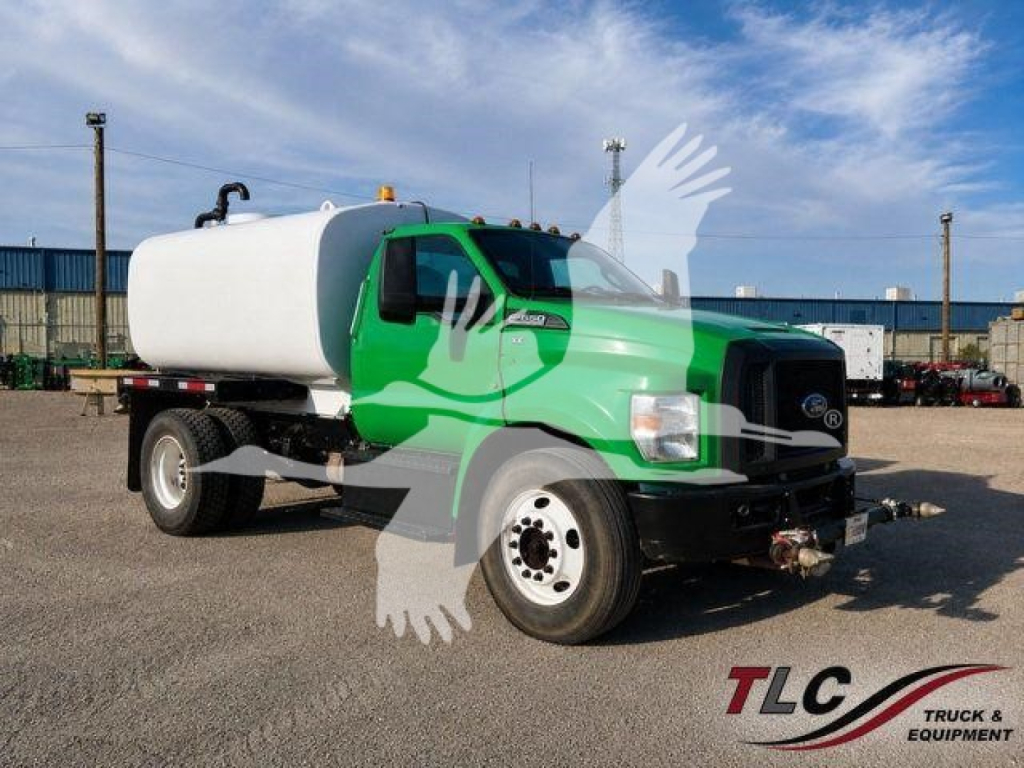
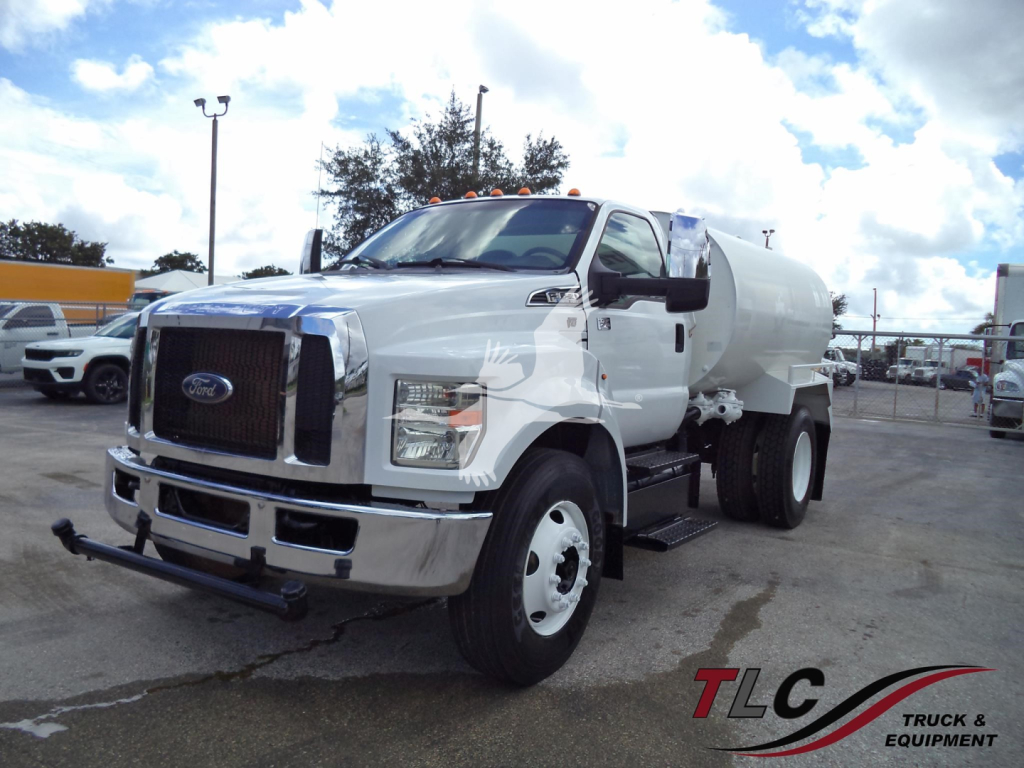
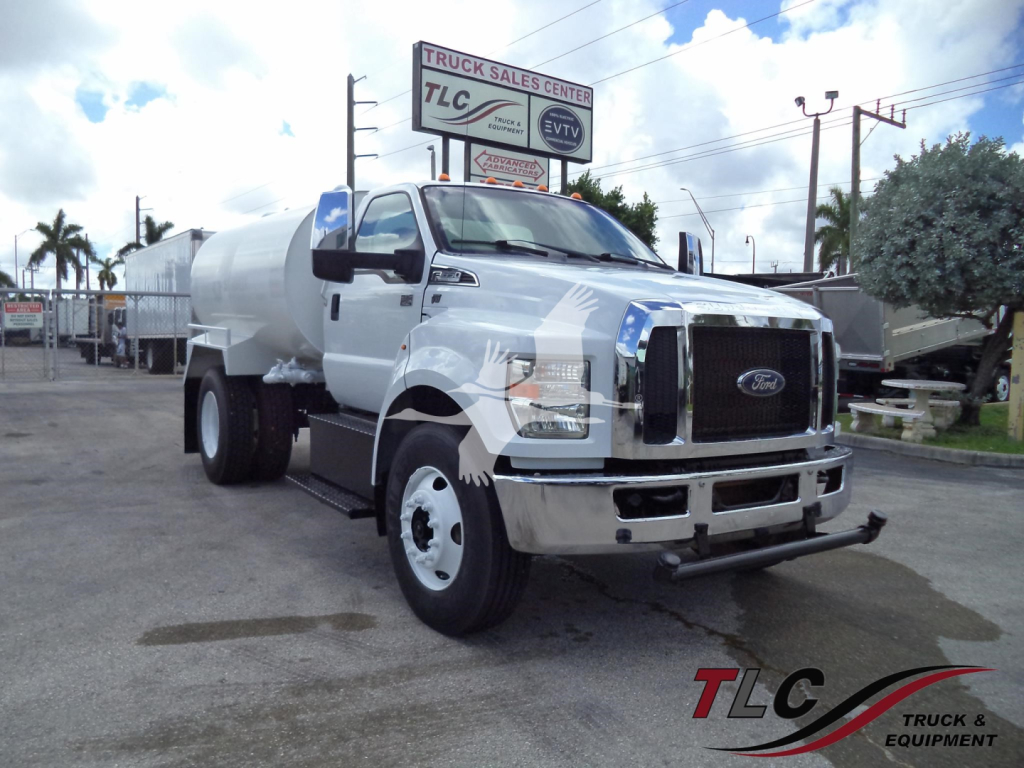
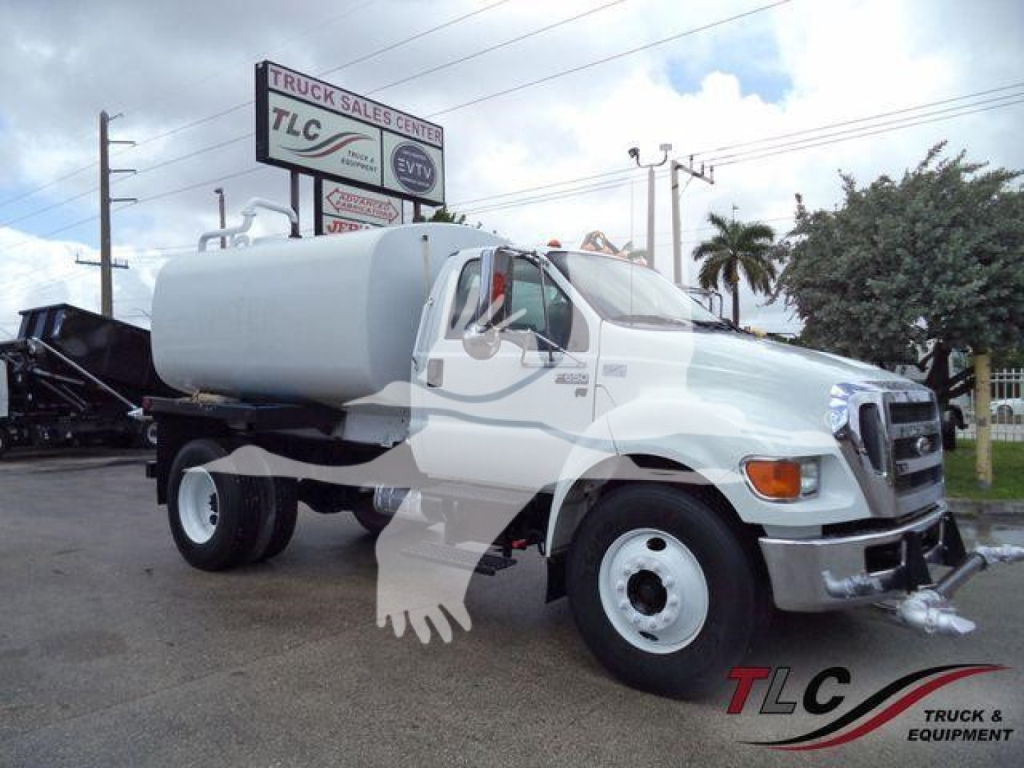
Selling a ford water truck? List your ford water truck for sale and reach thousands of commercial buyers.
Ford Water Trucks in Florida
One of the first buying decisions is chassis size versus payload. Many Ford water trucks in this segment are built around a 25,999 lb GVWR, which keeps the truck in a popular medium-duty range while still supporting a useful tank, pump, and spray package. Common setups include 10,000 lb front axles, 19,000 lb rear axles, spring suspension, 11R22.5 tires, and wheelbases around 158 inches. Buyers should pay close attention to how the tank, pump, full water load, and any added tool storage affect legal operating weight. A 2,000-gallon steel tank is a common configuration, and tank construction details matter. Protective interior coatings, baffling, and durable plumbing components all affect long-term corrosion resistance and water control on the job.
The upfit is what separates one water truck from another. A PTO-driven pump is standard on many vocational builds and is preferred for dependable low-speed spray operation. Typical equipment includes front spray heads, rear spray, side or rear spray bars, and hose reels for hand watering or washdown tasks. Buyers comparing trucks should look closely at pump output, valve layout, nozzle configuration, and how easily the system can be serviced in the field. If the truck will spend most of its time on dust control, spray bar coverage and pump consistency matter more than cosmetic features. If it will be used for landscape watering or municipal spot work, hose reel access, front spray control, and simple cab-to-body controls become more important.
Ford gasoline-powered water trucks, including units with the 6.8L Triton V10, are common in this size class and can make sense for fleets that prioritize lower acquisition cost, simpler maintenance, and lighter-duty route cycles. The tradeoff is that buyers should match engine and transmission choice to duty cycle, terrain, and daily idle time. In a state like Florida, corrosion exposure, tank condition, PTO function, and overall plumbing integrity often deserve more attention than cold-weather concerns. A careful inspection should include tank seams, pump engagement, spray pattern consistency, hose reel operation, frame condition under the body, and signs of leaks around valves and fittings. For many buyers, the right Ford water truck is less about maximum size and more about getting a balanced chassis-upfit combination that can deliver reliable water application every day.
Frequently Asked Questions about Ford Water Trucks in Florida
What size Ford water truck is most common for construction and municipal work?
A common configuration is a Ford F-650 with a 2,000-gallon tank on a medium-duty chassis. This size works well for dust control, utility work, landscaping support, and general site service because it balances usable water capacity with good maneuverability. It is often better suited to tighter jobsites and urban routes than a larger tandem-axle water truck.
What should I inspect first on a used Ford water truck?
Start with the tank, pump, and spray system before focusing on cab features. Check tank seams, internal coating condition if visible, signs of corrosion, valve leaks, plumbing wear, PTO engagement, and spray bar performance. A water truck can look clean but still have expensive issues in the pump system, hose reel, or body-to-frame mounting points, so operational testing matters.
Is a gasoline Ford water truck a good choice?
A gasoline-powered Ford water truck can be a solid choice in the medium-duty class, especially for shorter routes, moderate daily usage, and fleets that want simpler service and lower upfront cost. Many Ford water trucks in this category use the 6.8L Triton V10 with an automatic transmission. The best fit depends on payload demands, idle time, and how often the truck will run the PTO and spray system throughout the day.
Why does GVWR matter so much on a water truck?
GVWR determines how much total weight the truck can legally carry, including the chassis, body, pump, full tank of water, fuel, driver, and any added equipment. Water is heavy, so even a medium-capacity tank adds substantial load very quickly. Buyers should confirm that the installed tank size and upfit package make sense for the chassis ratings rather than assuming every 2,000-gallon truck is configured the same way.
What spray equipment is typical on a Ford water truck?
Many Ford water trucks are equipped with a PTO-driven pump, front spray heads, rear spray, a spray bar, and a hose reel for hand spraying. Some units also include multiple spray heads for broader dust suppression coverage. The right setup depends on the job. Spray bars are useful for road and site coverage, while a hose reel is more valuable for targeted watering, washdown, and landscape work.