
Volvo Trucks For Sale in Washington
Browse Volvo trucks for sale in Washington, including VNL sleepers and VHD vocational models with D13 power and I-Shift transmissions.
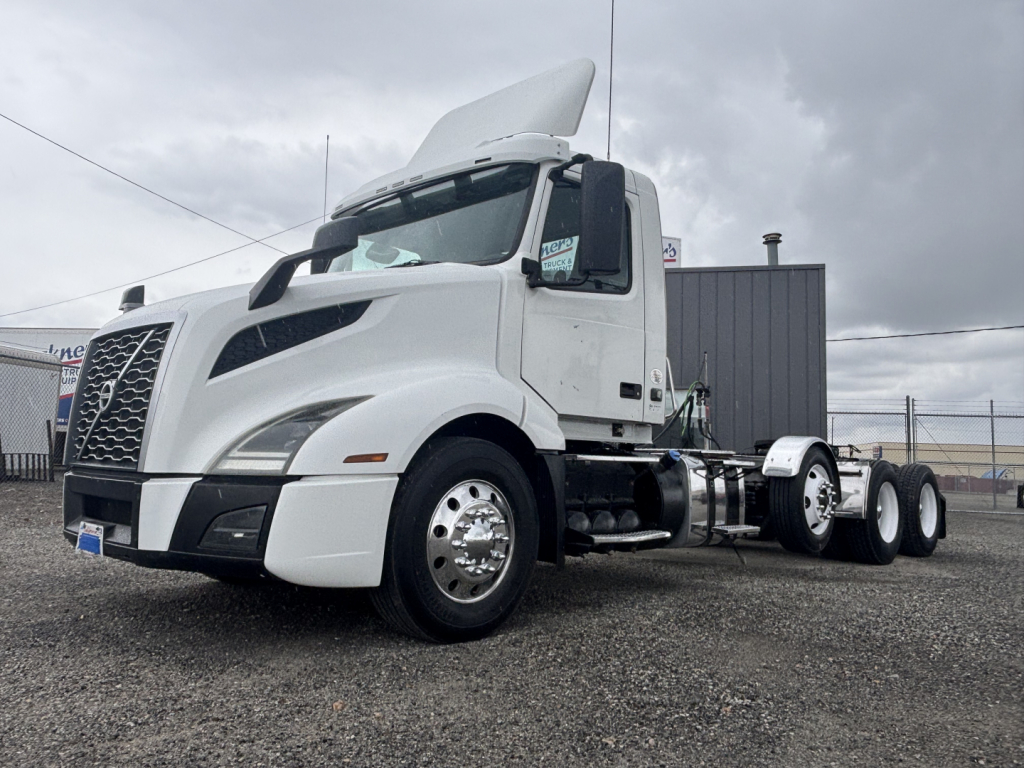
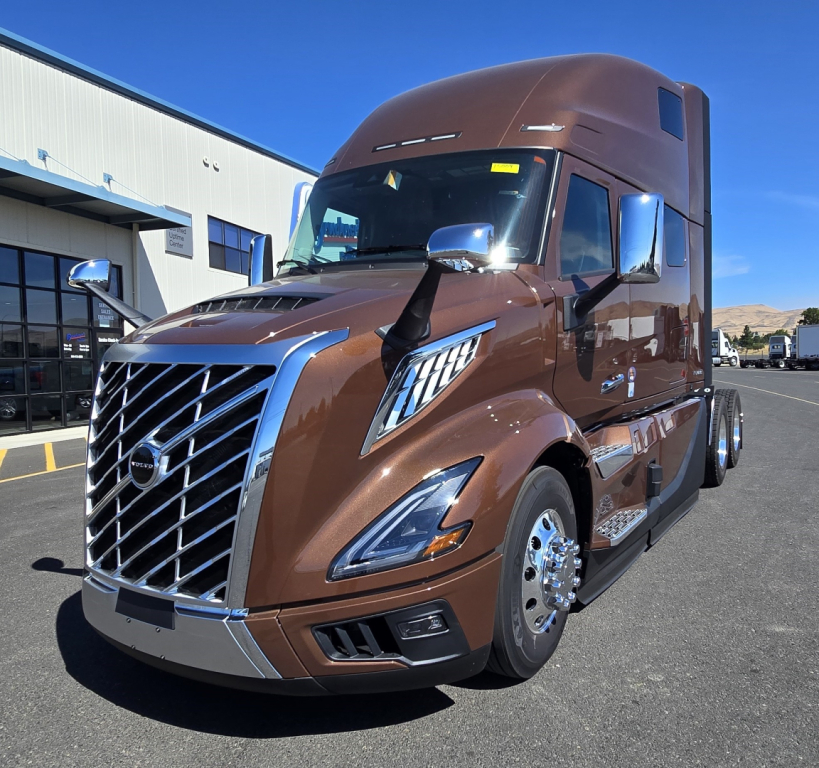
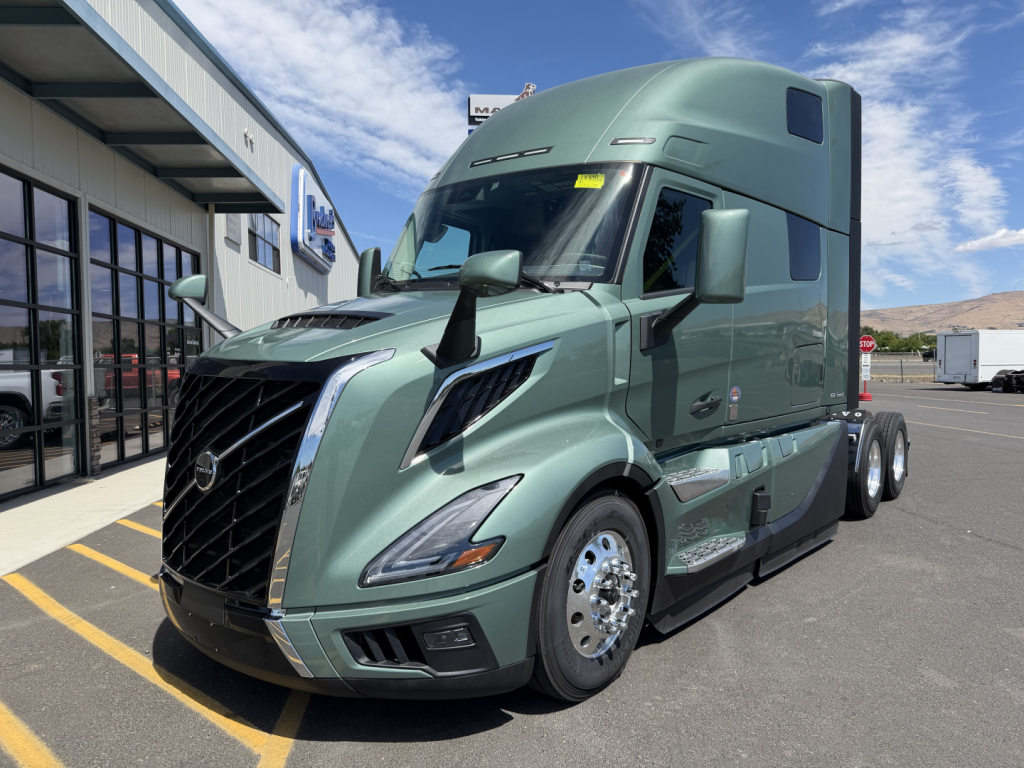
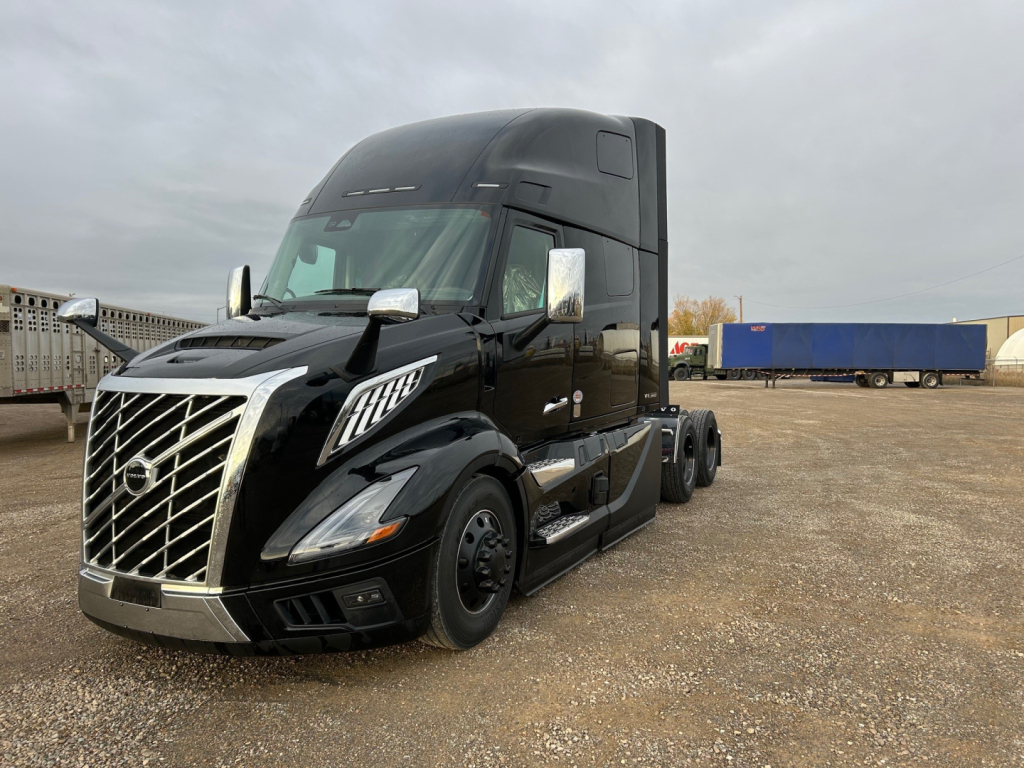
Selling a volvo truck? List your volvo truck for sale and reach thousands of commercial buyers.
Volvo Trucks in Washington
The VNL platform is known for its aerodynamic design and integrated drivetrain strategy. Volvo's D13 paired with I-Shift is one of the most common combinations in the used and late-model market because it delivers predictable shift logic, good drivability in traffic and on grades, and competitive fuel economy when matched with the right rear ratio. In Washington, that matters for fleets and independent operators running a mix of interstate freight, mountain passes, port work, and cross-border lanes. Many newer Volvo sleepers also include advanced driver assistance features such as adaptive cruise, collision mitigation, and lane support, along with premium sleeper controls, shore power, upgraded seats, and insulation packages that improve life on the road.
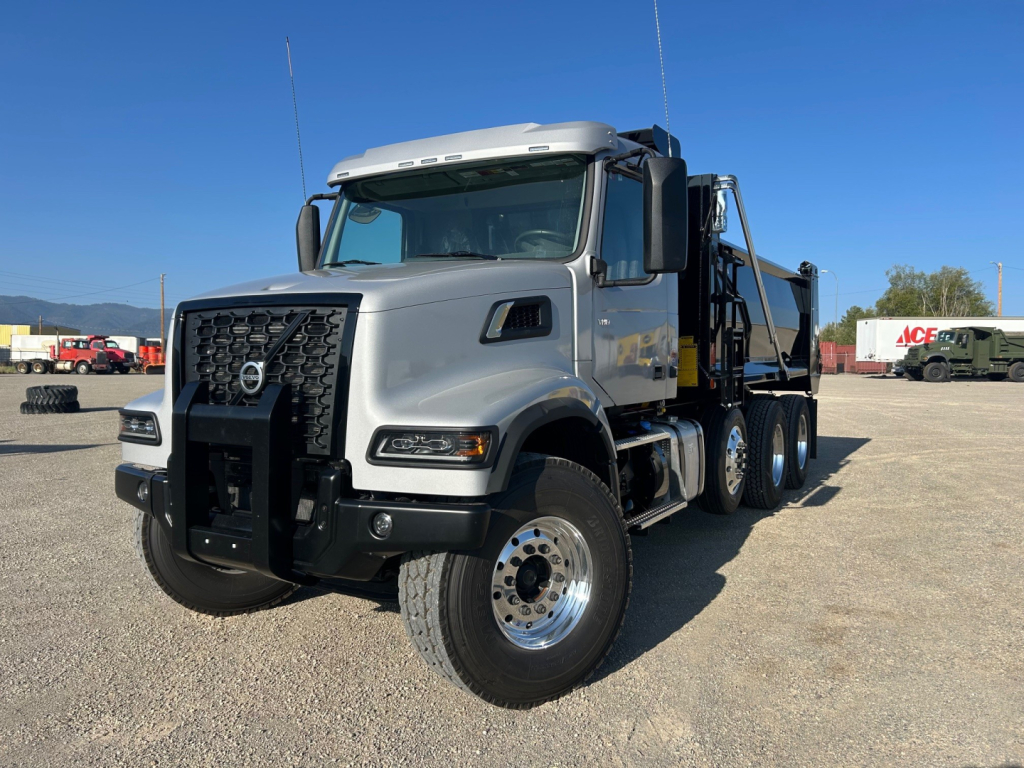
For vocational work, Volvo's VHD series is a very different truck than the VNL. The VHD is built for heavier front axle ratings, rugged suspensions, PTO and hydraulic applications, dump bodies, and severe-service jobsite use. Common specs include higher GVWRs, spring suspension or heavy vocational rear suspensions, full lockers, pusher axles, and body-ready chassis layouts. A Washington buyer looking at a VHD dump truck should focus on axle configuration, bridge compliance, body material, hoist setup, PTO spec, hitch arrangement, and tire package, especially if the truck will see quarry, asphalt, construction, or municipal duty. The right vocational spec can matter more than model year when uptime and payload are the priority.
When shopping Volvo trucks for sale, the key is to match the chassis to the lane and load. A VNL sleeper built with a downsped rear ratio and aerodynamic package will suit long-haul van or reefer work, while a VHD with pushers, lockers, and a hard-wearing dump body is designed for high-cycle vocational service. Volvo trucks also tend to attract buyers who value a quieter cab, ergonomic interior layout, and integrated powertrain controls over a purely traditional setup. Reviewing engine family, transmission model, axle ratings, suspension type, and cab configuration will tell you far more than the badge alone.
Frequently Asked Questions about Volvo Trucks in Washington
What are the most common Volvo truck models buyers look for in Washington?
The most common Volvo truck models in Washington are usually the VNL for highway use and the VHD for vocational work. The VNL is a conventional road tractor often found in sleeper configurations for long-haul and regional freight, while the VHD is built for dump, construction, and heavy chassis applications. The right model depends on whether the truck will spend most of its time on interstate lanes, mountain routes, local delivery, or off-road jobsite work.
Is the Volvo D13 and I-Shift combination a good setup for fleet and owner-operator use?
Yes, the Volvo D13 paired with the I-Shift automated transmission is one of the most widely accepted Volvo powertrain combinations for both fleets and owner-operators. It is popular because it offers good fuel economy, smooth shifting, and a fully integrated driveline package. Buyers should still verify horsepower, torque rating, transmission generation, rear ratio, and maintenance history, because those details affect grade performance, cruise rpm, and long-term operating cost.
What should I compare when looking at Volvo VNL sleeper trucks?
The most important comparison points on a Volvo VNL sleeper are sleeper size, roof height, wheelbase, horsepower, rear axle ratio, suspension type, and safety technology. A 660, 730, or 760 sleeper can suit very different operating patterns depending on how it is spec'd. Interior amenities such as bunk layout, shore power, inverter provisions, refrigerator space, premium seating, and climate control also matter if the truck will be used for extended over-the-road runs.
What matters most on a Volvo VHD dump or vocational truck?
On a Volvo VHD, the critical items are axle ratings, suspension, PTO and hydraulic setup, body specification, and total GVWR. Buyers should also look closely at pusher axle configuration, locking differentials, frame strength, tire sizing, and whether the body and hoist are matched to the material being hauled. For construction and aggregate work in Washington, the truck's legal payload and durability under stop-and-go loading cycles are often more important than cab trim or highway-oriented features.
Are Volvo trucks a good choice for mountain and regional routes in Washington?
Volvo trucks can be a strong choice for Washington routes because many are spec'd with powertrains and driver-assist systems that perform well in mixed terrain. The D13 engine brake, I-Shift transmission logic, and available adaptive cruise and collision mitigation features can help on grades, in traffic, and during long regional runs. Buyers should still confirm that the horsepower, torque, axle ratio, and GCWR are appropriate for the actual freight and terrain, especially if the truck will cross mountain passes regularly.