
Volvo Conventional Daycab Trucks For Sale in Washington
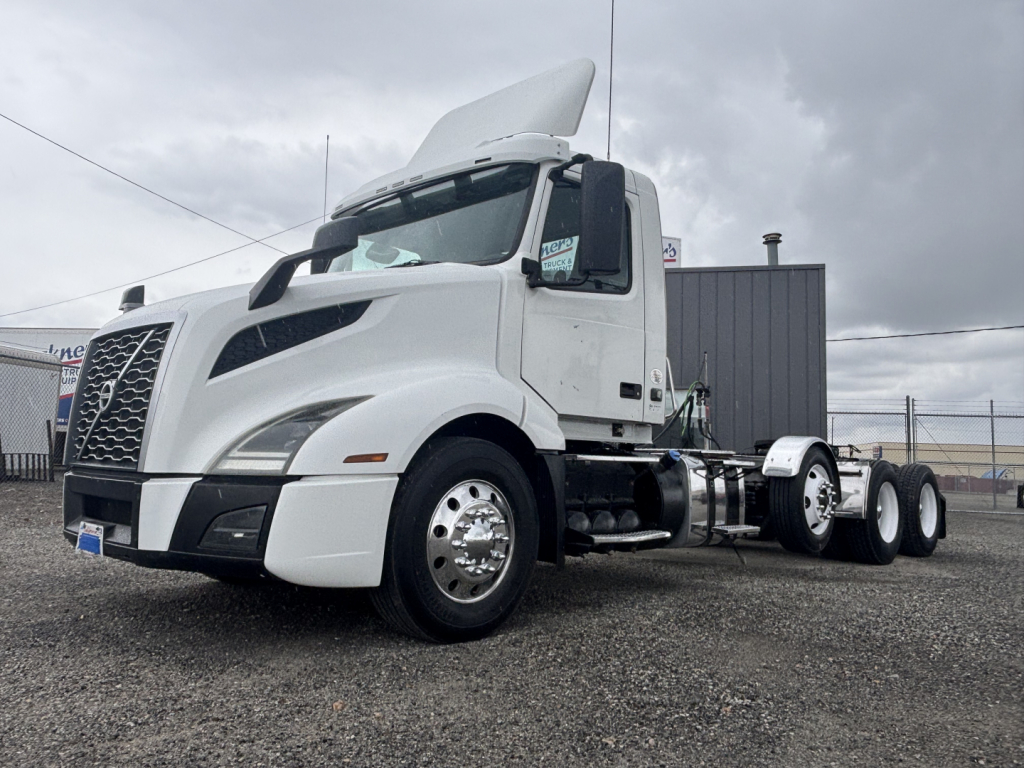
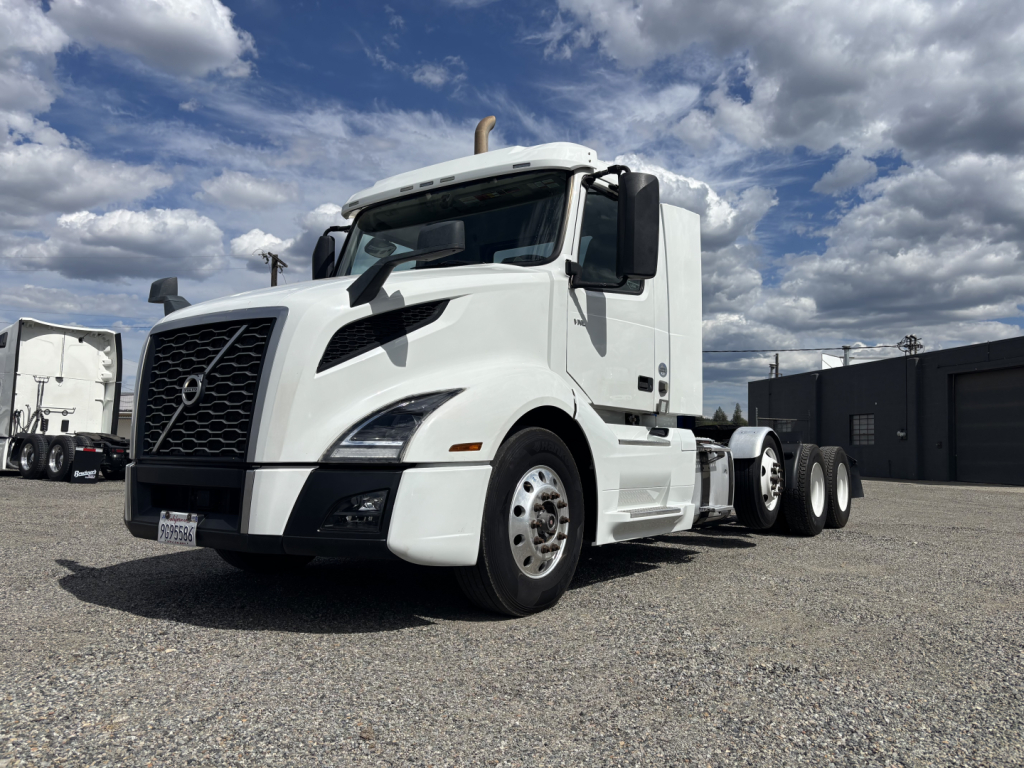
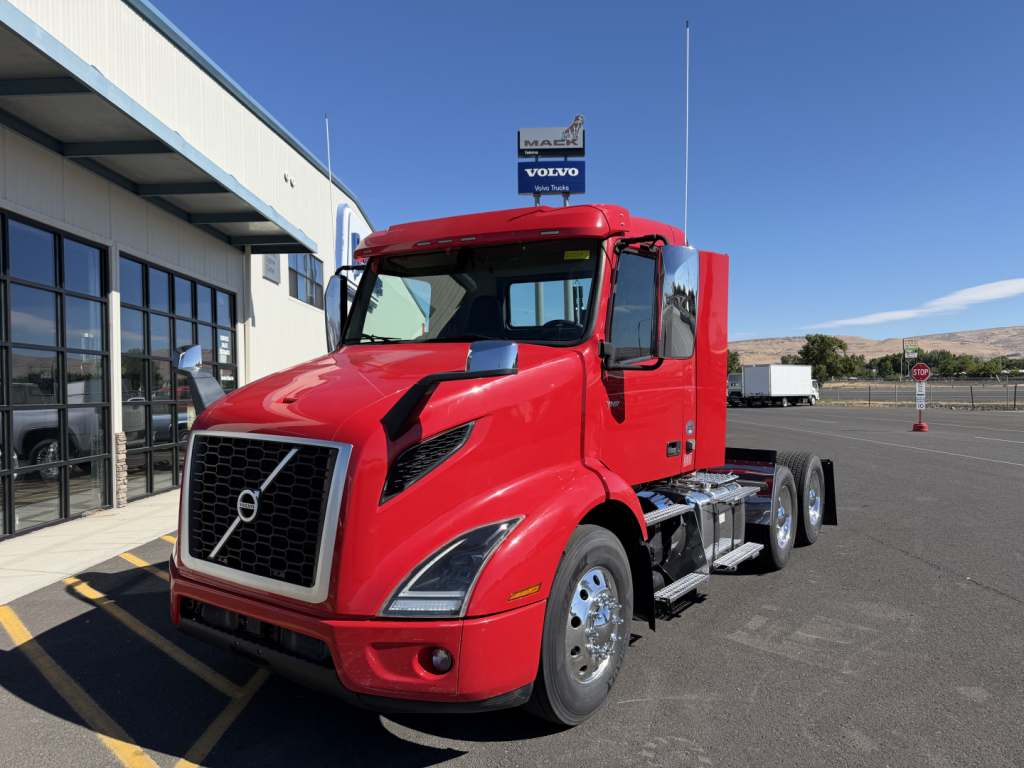
Have volvo conventional daycab truck to sell? List it here to reach thousands of buyers.
Volvo Conventional Daycab Trucks in Washington
The main spec decisions usually start with engine, transmission, axle layout, and wheelbase. Many Volvo daycabs are spec’d with the D13 engine in the 425 to 500 horsepower range, paired with the Volvo I-Shift automated manual transmission. That combination is well known for fuel economy, smooth shifting, and good drivability in stop-and-go service or on rolling terrain. Buyers in Washington often pay close attention to rear axle ratio, because the right ratio changes how the truck performs on hills, at cruise speed, and under heavier gross combined weights. Tandem axle 6x4 daycabs are common, but some applications call for tri-axle or pusher axle configurations when bridge laws, heavier payloads, or specialized local work are part of the job.
Cab and chassis details matter more in a daycab than many first-time buyers expect. Wheelbase affects trailer swing clearance, turning radius, and how easily the truck can be matched to containers, dry vans, flatbeds, tank work, or heavier vocational assignments. Air ride rear suspension is common on Volvo conventionals and helps with ride quality and traction, while disc brakes, engine brakes, collision mitigation systems, and hill start assist are increasingly common on newer trucks. Fuel tank size is another practical decision. A local route truck may prioritize lighter spec and maneuverability, while a regional daycab may need larger tanks, higher horsepower, and gearing suited to extended interstate running across the Cascades or up and down the I-5 corridor.
A good Volvo daycab spec is one that matches the lane, trailer, and average gross weight. For local and regional fleets, that usually means balancing fuel economy with durability, checking front axle capacity for heavier steer loads, and confirming suspension, fifth wheel setup, and wheelbase against the intended trailer mix. Volvo’s conventional daycabs are also known for a quiet cab, supportive seating, and easy entry and exit, which matters on multi-stop routes and driver retention. Buyers comparing Volvo conventional daycab trucks for sale in Washington should focus less on model badge alone and more on how each truck is configured for its actual work cycle.
Frequently Asked Questions about Volvo Conventional Daycab Trucks in Washington
What is the difference between a Volvo VNL daycab and a Volvo VNR daycab?
The Volvo VNL daycab is generally geared more toward regional and highway use, with an emphasis on aerodynamics, fuel economy, and linehaul comfort. The Volvo VNR daycab is typically chosen for urban, regional, and mixed-duty operations where maneuverability and tighter packaging matter more. The best choice depends on route density, trailer type, average trip length, and how much time the truck spends in city traffic versus open highway.
What engine and transmission are most common in Volvo conventional daycab trucks?
A common setup is the Volvo D13 engine paired with the Volvo I-Shift automated manual transmission. In daycab applications, horsepower often falls in the mid-400s to around 500 horsepower, depending on gross weight and terrain. This powertrain is popular because it combines strong fuel efficiency with smooth operation, integrated software controls, and reduced driver fatigue in stop-and-go or regional service.
Are Volvo daycab trucks good for port, local, and regional hauling in Washington?
Yes. Volvo conventional daycabs are widely used for drayage, local freight, dedicated delivery lanes, and regional hauling. In Washington, buyers often look for specs that handle mixed conditions such as city traffic, interstate cruising, mountain grades, and wet weather. The right rear axle ratio, brake package, wheelbase, and fuel capacity make a major difference in how well the truck fits those operating conditions.
How important is wheelbase on a Volvo daycab?
Wheelbase is a major buying factor because it affects turning radius, bridge compliance, trailer clearance, ride quality, and component placement. A shorter wheelbase can improve maneuverability for city or yard work, while a longer wheelbase may be better for fuel capacity, frame space, or certain trailer and fifth wheel setups. Buyers should match wheelbase to the intended trailer mix and loading environment rather than treating it as a minor spec.
What should buyers check first on a used Volvo conventional daycab?
Start with engine hours, maintenance history, fault code history, transmission performance, and aftertreatment condition. On a used daycab, it is also smart to inspect suspension wear, brake condition, tire wear patterns, frame condition, and any signs the truck has been mismatched to its prior application. Because many daycabs see frequent stops and heavy clutching, backing, or tight turns, driveline, steer axle, and chassis condition deserve close attention.