
2027 Volvo Trucks For Sale in Washington
Have 2027 volvo truck to sell? List it here to reach thousands of buyers.
2027 Volvo Trucks in Washington
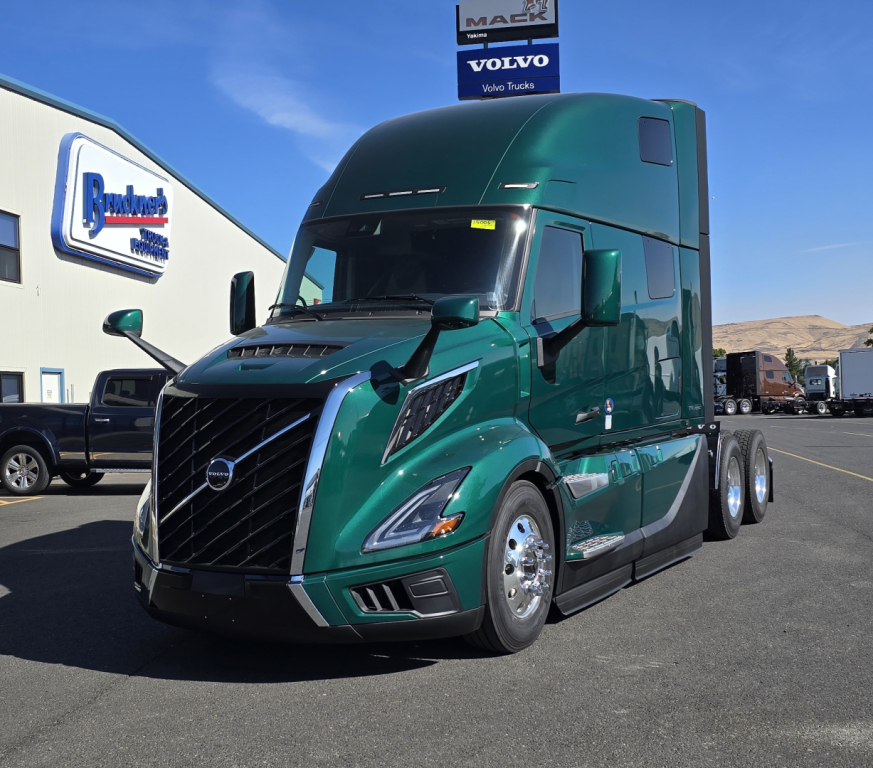
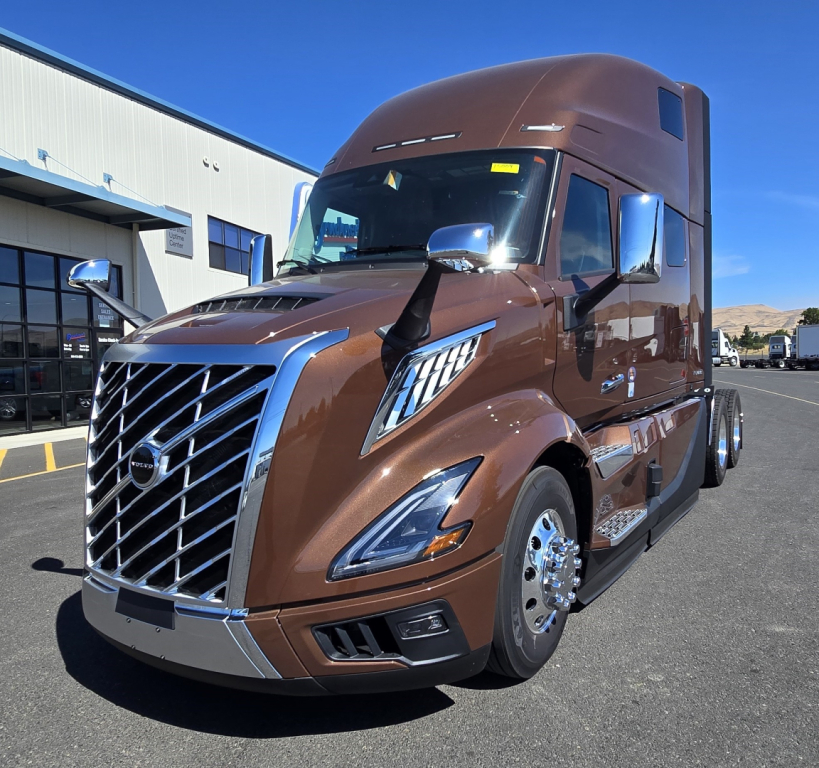
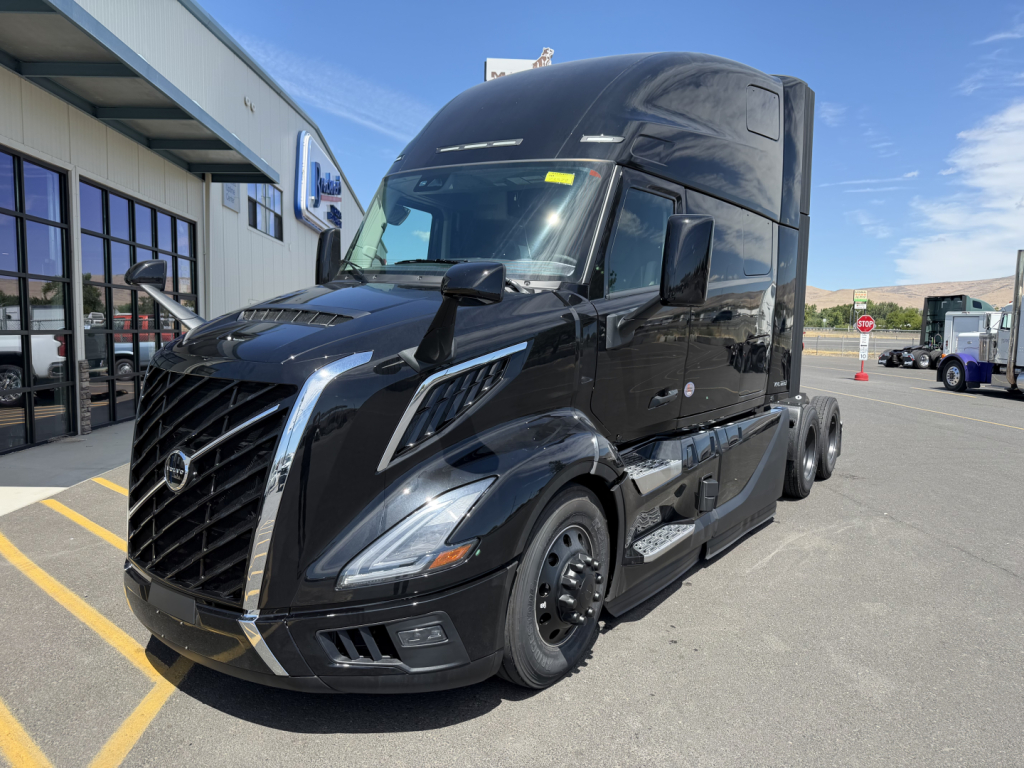
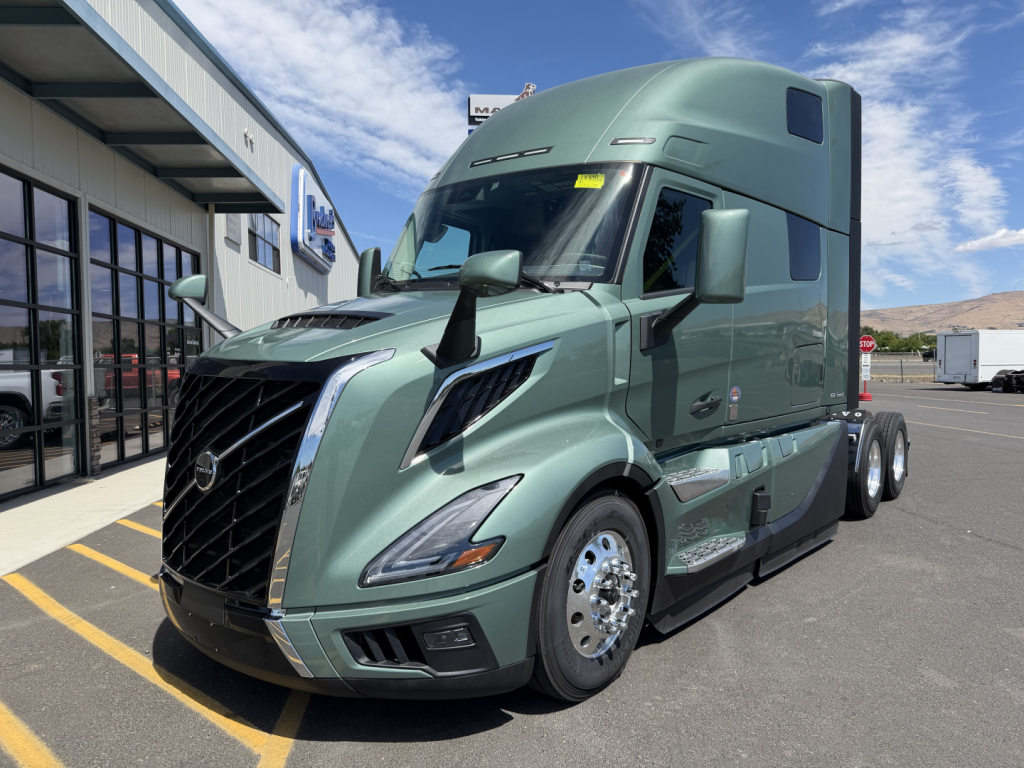
The core spec decisions usually come down to engine rating, transmission, axle layout, and sleeper length. Many Volvo highway tractors are built around the D13 engine paired with the I-Shift automated manual transmission, a combination known for smooth shifting, low driver fatigue, and good fuel performance when properly geared. Common configurations include 6x4 tandem axle setups for general freight and heavier payload flexibility, while specialty day cabs may show up with lift axles for higher GVW applications. On sleeper models, buyers should compare roof height, bunk layout, storage, inverter prep, HVAC idle management, and driver comfort features such as air-ride seats, refrigerator space, and parking heater or cooler options.
For Washington operations, spec discipline matters. Mountain grades, wet weather, and mixed urban-highway duty cycles can make rear axle ratio, horsepower, torque curve, and braking package more important than the brochure headline. Adaptive cruise, collision mitigation, lane departure warning, and backup camera systems are now common considerations for fleets trying to reduce incidents and improve insurability. Wheelbase, fifth wheel position, and fuel capacity should also match the freight profile. A tractor set up for van and reefer lanes may differ substantially from one intended for container drayage, bulk hauling, or dedicated regional turns.
A well-chosen 2027 Volvo truck is usually about total operating cost more than just sticker price. Buyers tend to compare service network access, telematics capability, expected resale, and ease of onboarding drivers already familiar with Volvo controls. Pay close attention to sleeper dimensions, interior package level, front axle capacity, and any premium options that affect uptime or driver acceptance. When the spec is right, Volvo tractors are widely valued for a quiet cab, predictable road feel, efficient drivetrain calibration, and a strong fit for fleets and owner-operators running modern highway freight.
Frequently Asked Questions about 2027 Volvo Trucks in Washington
What are the most common 2027 Volvo truck configurations buyers look for?
The most common 2027 Volvo truck configurations are VNL day cabs and VNL sleeper tractors. Day cabs are typically chosen for local delivery, port work, short regional routes, and vocational highway applications. Sleeper models, including mid-roof and high-roof layouts, are more common for regional and over-the-road freight where bunk space, storage, and driver amenities matter. Most buyers also focus on 6x4 tandem axle setups, although some heavier applications may require additional axle capacity or lift axle specifications.
What engine and transmission setup is most common in newer Volvo highway trucks?
Many newer Volvo highway tractors are spec'd with the Volvo D13 engine and I-Shift automated manual transmission. This combination is popular because it delivers strong highway performance, smooth shifting, and fuel economy when matched with the correct rear axle ratio and duty cycle. Buyers should still confirm horsepower, torque rating, and gearing against the freight they plan to haul, especially if the truck will run mountain grades, heavier gross weights, or frequent stop-and-go routes.
Are 2027 Volvo trucks a good fit for Washington freight operations?
2027 Volvo trucks are often a strong fit for Washington operations because they suit long interstate runs, wet-weather driving, and mountain terrain when properly spec'd. Buyers in this market should pay particular attention to horsepower, torque, axle ratio, braking systems, and traction-related features. A truck working Snoqualmie Pass or cross-state routes may need a different setup than one handling Puget Sound regional freight, container work, or urban distribution. Cab configuration and fuel capacity should also reflect the lane structure and driver schedule.
What should buyers compare on Volvo sleeper trucks besides the engine?
On a Volvo sleeper truck, the engine is only one part of the buying decision. Sleeper length, roof height, bunk design, storage layout, idle management, inverter setup, refrigerator space, and climate control features all affect usability on the road. Driver comfort items such as air-suspension seats, insulation, lighting, and infotainment can also influence retention and productivity. Buyers running team operations or longer-haul lanes should be especially careful to match the sleeper package to the actual job.
What features matter most for total operating cost on a Volvo tractor?
The biggest total cost factors on a Volvo tractor are fuel economy, maintenance access, uptime technology, safety systems, and resale strength. A well-matched powertrain can lower fuel burn and reduce driver fatigue, while telematics and driver-assist features may help improve safety performance and maintenance planning. Buyers should also review axle ratings, wheelbase, fifth wheel setup, and interior package level because an incorrect spec can raise operating costs even if the truck is otherwise well equipped.