
Used Volvo Trucks For Sale in Texas
Browse used Volvo trucks for sale in Texas, including VNL, VNR, and VHD models built for regional haul, vocational work, and fleet efficiency.
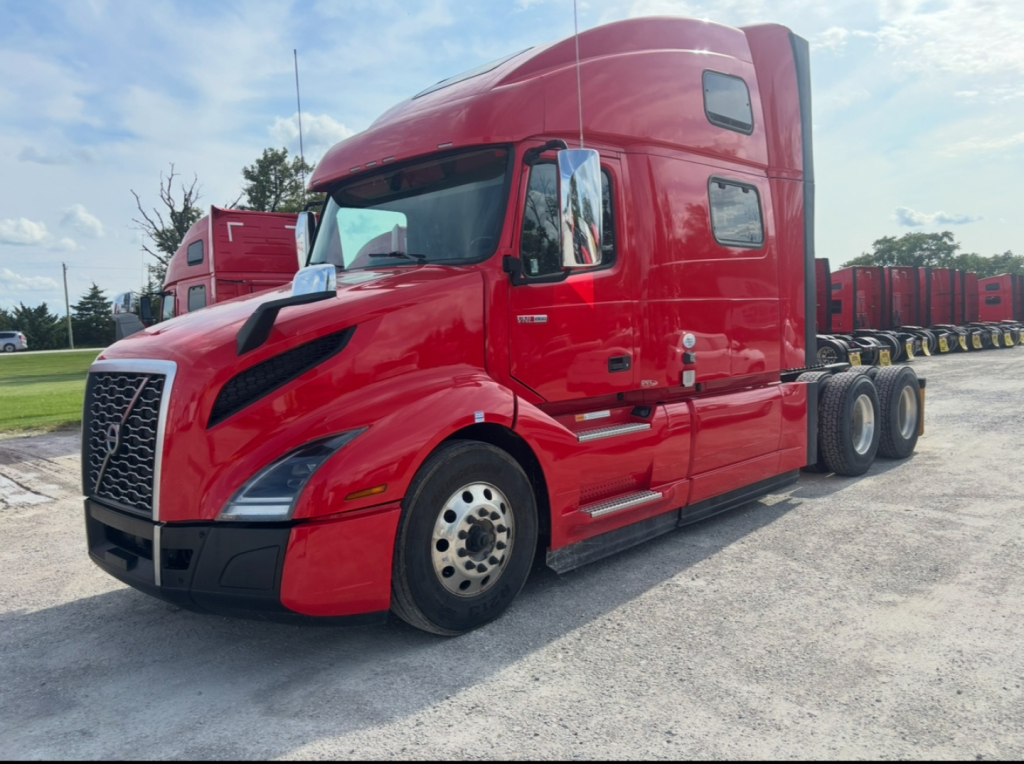
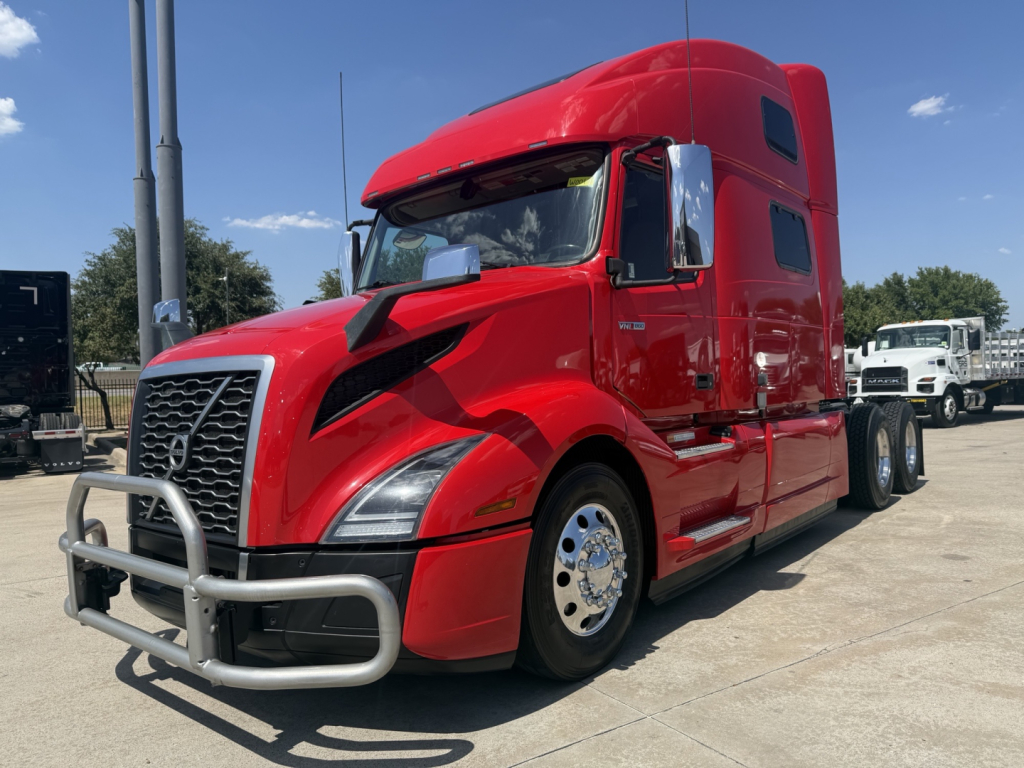
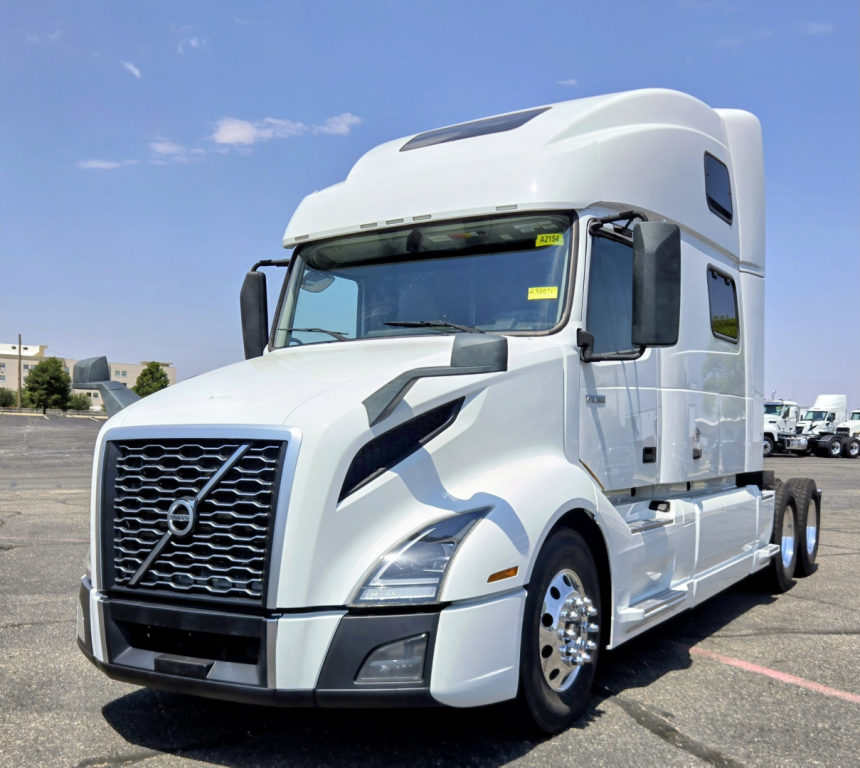
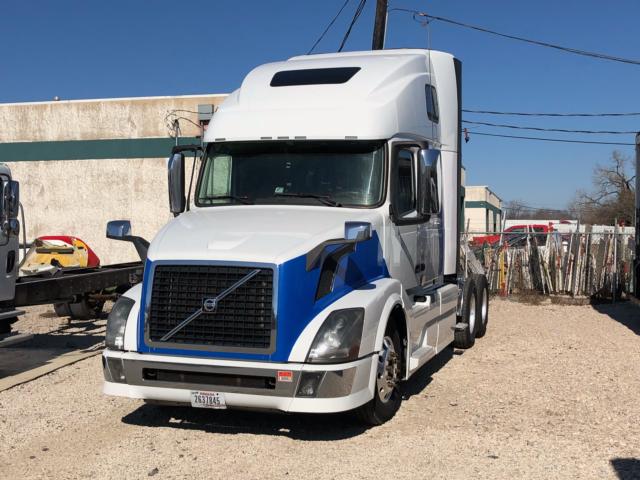

Showing 29 to 33 of 33 results
Selling a used volvo truck? List your used volvo truck for sale and reach thousands of commercial buyers.
Used Volvo Trucks in Texas
For many buyers, the core decision comes down to powertrain and duty cycle. Volvo D11 and D13 engines are common in used Volvo tractors, with horsepower ratings often set up for fuel-conscious regional hauling or heavier GCW demands. The Volvo I-Shift automated manual is one of the most recognized features in this brand, especially for fleets focused on driver retention, consistent shifting, and reduced clutch wear. On Texas lanes, axle ratios like 2.64 or 2.79 can make sense for fuel economy in linehaul and regional service, while heavier vocational VHD specs may carry different gearing, suspension packages, PTO capability, and frame layouts.
Cab and chassis details matter just as much as year and mileage. Buyers should look closely at rear axle capacity, suspension type, brake spec, fifth wheel style, tire setup, and wheelbase, especially on used day cabs intended for port, beverage, tanker, or local freight work. Features such as air ride suspension, disc brakes, low-profile 22.5 rubber, super singles, aluminum wheels, fairings, and adjustable fifth wheels can all affect operating cost and application fit. For vocational Volvo trucks, body compatibility, hoist or hydraulic equipment, frame condition, and prior job type are key inspection points.
A used Volvo truck often appeals to buyers who want a modern cab layout, strong visibility, and a truck that is widely accepted in fleet service. In Texas, that can mean a VNR day cab for Houston or Dallas regional distribution, a VNL tractor for longer lanes across the state, or a VHD chassis for tougher municipal and construction work. The best choice depends less on badge alone and more on matching the truck's engine, transmission, axle rating, and chassis spec to the freight, terrain, and stop-and-start demands it will actually see.
Frequently Asked Questions about Used Volvo Trucks in Texas
What are the main differences between used Volvo VNL, VNR, and VHD trucks?
The Volvo VNL is generally aimed at highway and fleet tractor work, with specs commonly suited for over-the-road or regional haul applications. The VNR is a regional model that is often selected for day cab use, tighter routing, and frequent stops where maneuverability matters. The VHD is Volvo's heavier vocational platform, commonly used for roll-off, dump, construction, and other severe-service jobs that require a tougher chassis, body integration, and jobsite durability.
Is the Volvo I-Shift transmission a good choice in a used truck?
The Volvo I-Shift is a popular choice in the used market because it delivers consistent automated shifting, helps reduce driver fatigue, and is widely used in fleet service. It can be a strong fit for regional haul, local delivery, and many vocational applications when the truck has been maintained correctly. Buyers should still review service history, software updates, clutch or actuator condition where applicable, and how the transmission spec matches the engine, rear ratio, and intended load profile.
What should I check first on a used Volvo day cab in Texas?
Start with the truck's actual application history and confirm that the chassis spec fits the work you plan to do. Key items include engine model, horsepower, transmission, rear axle rating, axle ratio, wheelbase, suspension, brake type, and fifth wheel setup. In Texas service, it is also smart to inspect cooling system condition, A/C performance, tire wear patterns, frame condition, emissions system service records, and any signs of hard stop-and-go or heavy yard use.
Are used Volvo trucks good for regional and local fleet work?
Used Volvo trucks are often well suited for regional and local fleet work because many were originally spec'd for fuel economy, driver comfort, and predictable maintenance intervals. Models like the VNR 300 and VNL day cab are commonly used in distribution, dedicated freight, tanker, drayage, and shuttle operations. The best results come from choosing a truck with the right wheelbase, gearing, and cab configuration for the route structure and payload.
How important are axle ratio and wheelbase on a used Volvo truck?
Axle ratio and wheelbase have a major effect on performance, maneuverability, and operating cost. A taller ratio can support better fuel economy on faster regional lanes, while a different ratio may be needed for heavier loads, city work, or vocational service. Wheelbase affects trailer gap, turning radius, body fitment, and bridge law considerations, so it should be matched carefully to the routes, trailer lengths, and loading environment.