
Used Volvo Rolloff Trucks For Sale in Texas
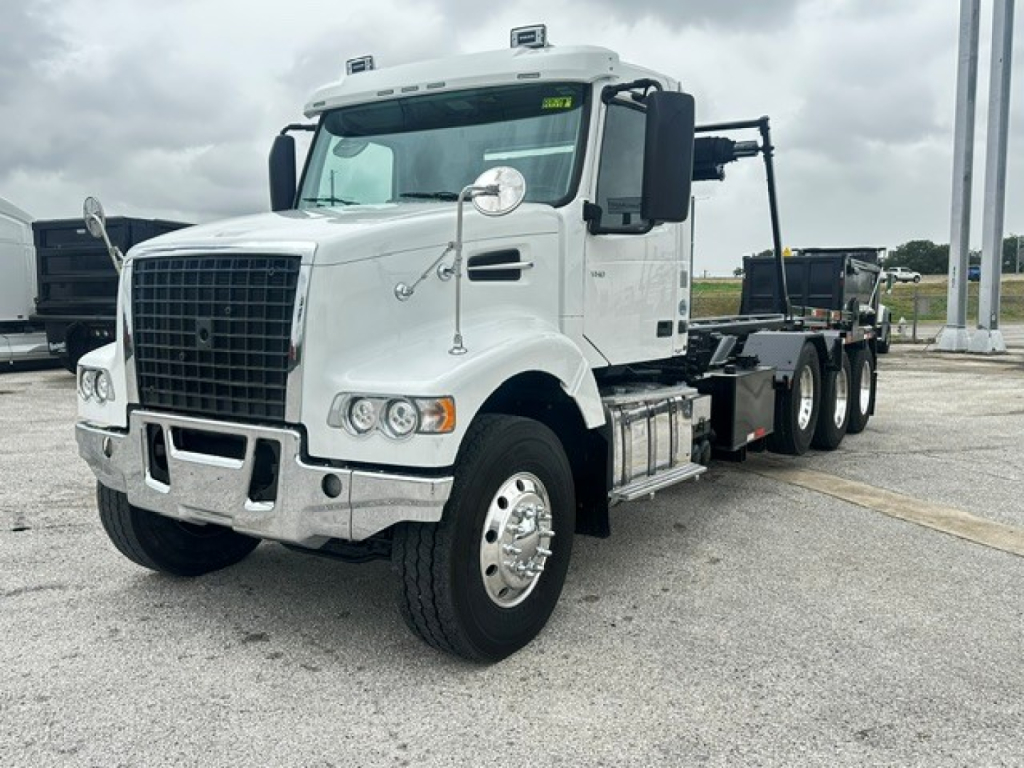
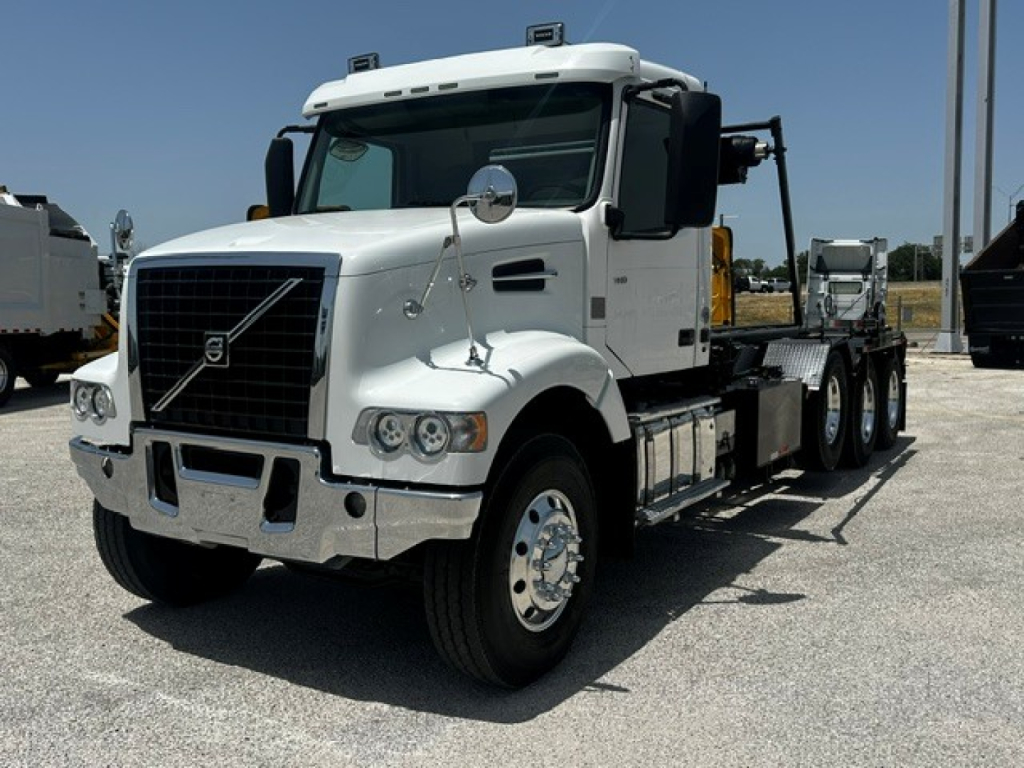
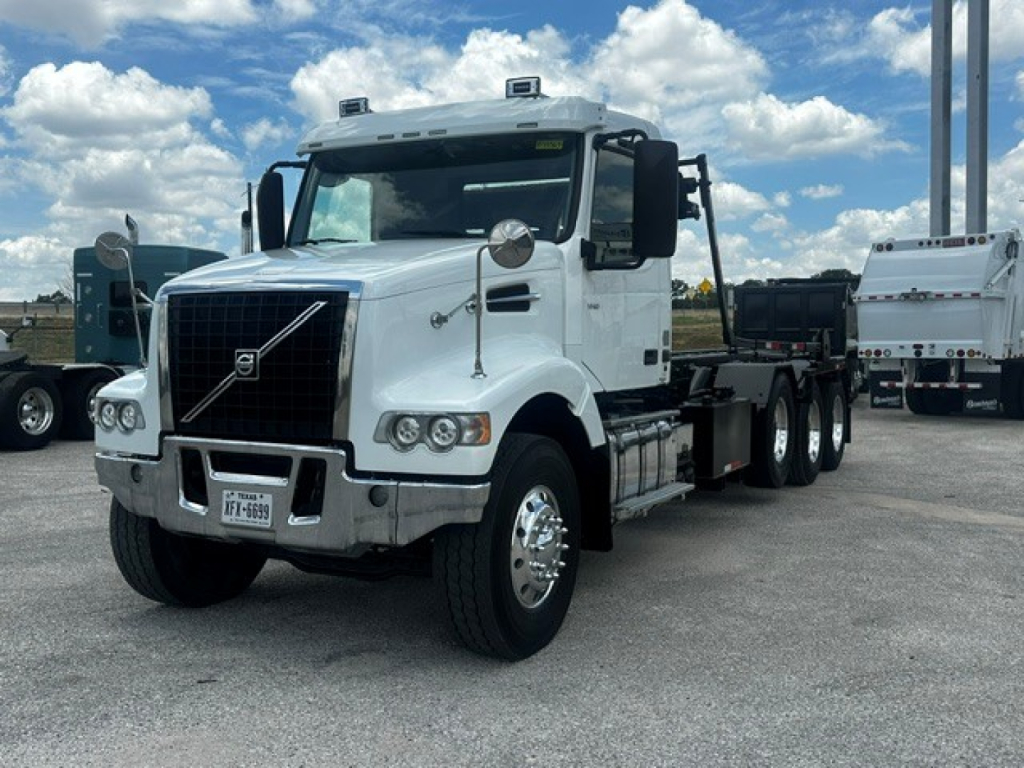
Have used volvo rolloff truck to sell? List it here to reach thousands of buyers.
Used Volvo Rolloff Trucks in Texas
The first buying decision is usually the hoist setup and container range. A used Volvo rolloff truck may be equipped with cable hoist or hooklift-style gear, though cable systems remain common in traditional refuse and waste applications. Buyers should verify hoist capacity, rail length, reeving condition, winch performance, and the body manufacturer's installation quality. Container size compatibility, inside and outside rail width, and clear-tarp system condition all affect day-to-day usability. On a used truck, look closely at crossmembers, frame liners, hoist pivot points, saddle rollers, and hydraulic cylinder mounts, since these areas take repeated shock loads.
Powertrain and axle specs have a direct impact on legal payload and route performance. Volvo rolloff trucks in this class are often spec'd with heavy-duty automated manual or automatic transmissions, PTO provisions, tandem rear axles, and diesel engines suited for stop-and-go vocational work. In Texas, bridge law and local route conditions make axle spacing, suspension rating, and gross vehicle weight rating especially important. A buyer should confirm front axle capacity, rear axle ratio, locking differential setup, suspension type, and tire size before comparing trucks. For used units, engine hours, PTO hours, idle time, and maintenance records can tell more than odometer miles alone, especially on trucks that worked dense urban refuse routes.
Cab layout and vocational details also matter because rolloff work is repetitive and hard on drivers and equipment. A Volvo VHD cab typically offers good visibility, solid steering feel, and a driver-focused interior that works well in tight commercial accounts and transfer yard maneuvers. Practical details like air ride seat condition, camera systems, beacon and work light setups, backup alarm function, tarp controls, and air or electric trailer connections can affect productivity immediately. Buyers comparing used Volvo rolloff trucks should focus on the truck-body integration, not just the chassis year, because a strong frame and drivetrain only deliver value if the hoist system, hydraulics, and body controls are equally sound.
Frequently Asked Questions about Used Volvo Rolloff Trucks in Texas
What should I inspect first on a used Volvo rolloff truck?
Start with the hoist system, truck frame, and hydraulic components. Inspect the rails, hoist pivots, rollers, cylinder mounts, winch or hook mechanism, hydraulic tank, hoses, and PTO operation under load if possible. On the chassis side, check for frame cracking, crossmember damage, suspension wear, driveline vibration, and axle seal leaks. A used rolloff truck can look clean and still have expensive wear in the body and hoist system, so the truck-body integration deserves as much attention as the engine and transmission.
Is the Volvo VHD a good platform for rolloff work?
Yes. The Volvo VHD is a well-known severe-duty vocational chassis used in refuse, construction, and material handling applications. It is commonly chosen for rolloff bodies because it can be spec'd with heavy front axles, tandem rears, durable frame configurations, and PTO-ready transmissions. For buyers evaluating used units, the value of a VHD comes from how it was originally spec'd for the job, including wheelbase, axle ratings, suspension, and body installation quality.
How important are axle ratings on a used rolloff truck in Texas?
Axle ratings are critical because they affect legal payload, container flexibility, and route compliance. Texas applications can involve heavy demolition debris, scrap, and long runs to disposal sites, so front axle capacity, rear suspension rating, axle spacing, and gross vehicle weight rating should all be verified before purchase. A truck with the wrong axle spec may limit what containers it can safely and legally handle, even if the hoist itself is rated for heavier work.
What is better for a rolloff truck, a cable hoist or a hooklift?
It depends on the work. Cable hoists are common in traditional waste and refuse service and are often favored for standard rolloff container operations. Hooklift systems offer fast body swaps and more flexibility for operators using multiple body types, but they may not match every existing container fleet. On a used truck, the best choice is usually the system that matches your current containers, route style, and service requirements, since compatibility issues can create more cost than the truck itself.
Do miles matter as much as hours on a used Volvo rolloff truck?
No. On vocational trucks, engine hours, PTO hours, and idle time often matter as much as or more than road miles. Rolloff trucks spend a lot of time in stop-and-go operation, loading containers, idling at job sites, and cycling hydraulics. A lower-mile truck with very high hours can show more wear than a higher-mile unit that spent more time on open road. Service history, hydraulic maintenance, and evidence of body and frame repairs usually give a clearer picture of remaining life.