
Volvo Trucks For Sale in Louisiana
Shop Volvo trucks for sale in Louisiana, including VNL sleepers and VHD day cabs with D13 power, I-Shift transmissions, and tandem axles.
Selling a volvo truck? List your volvo truck for sale and reach thousands of commercial buyers.
Volvo Trucks in Louisiana
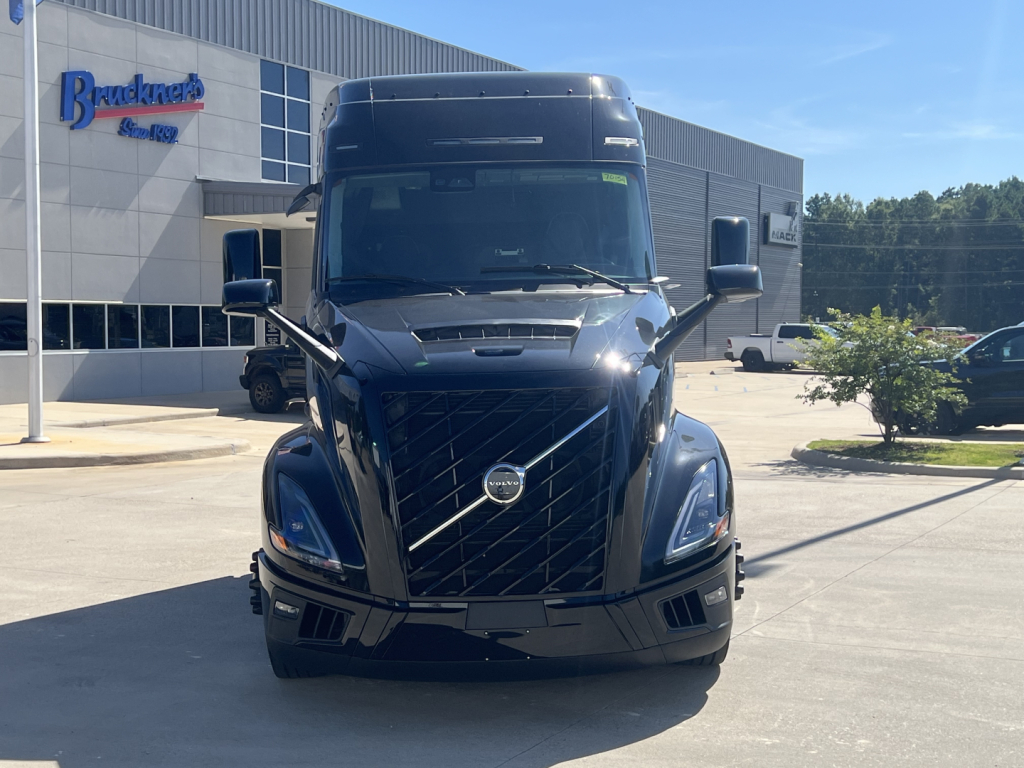
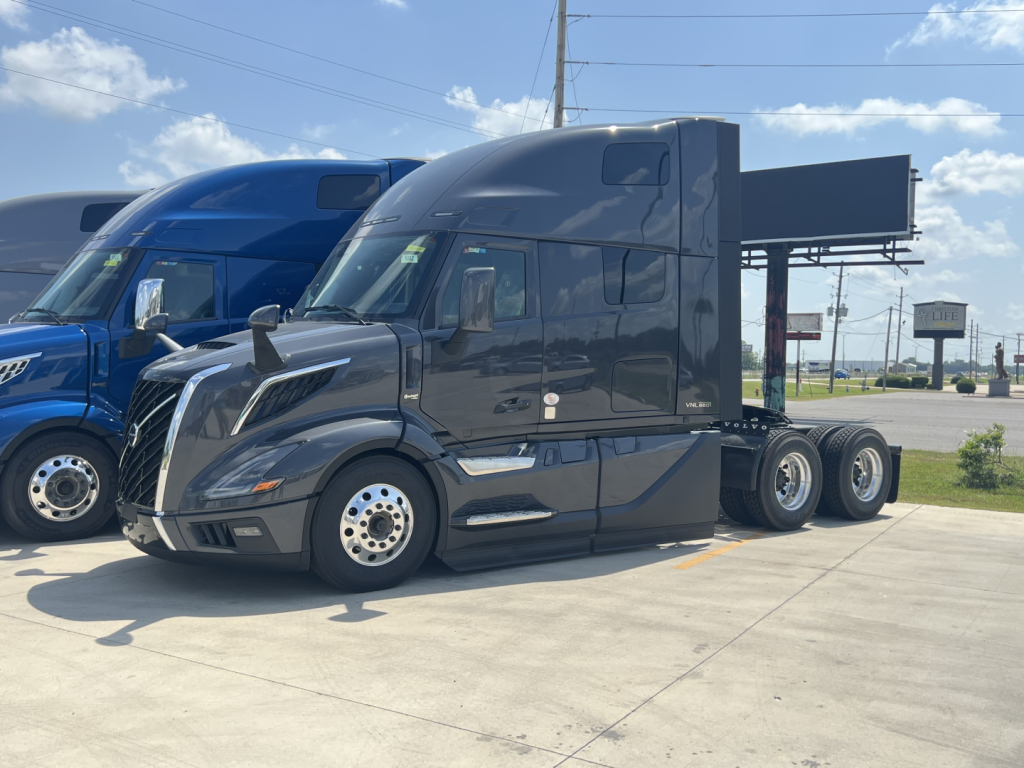
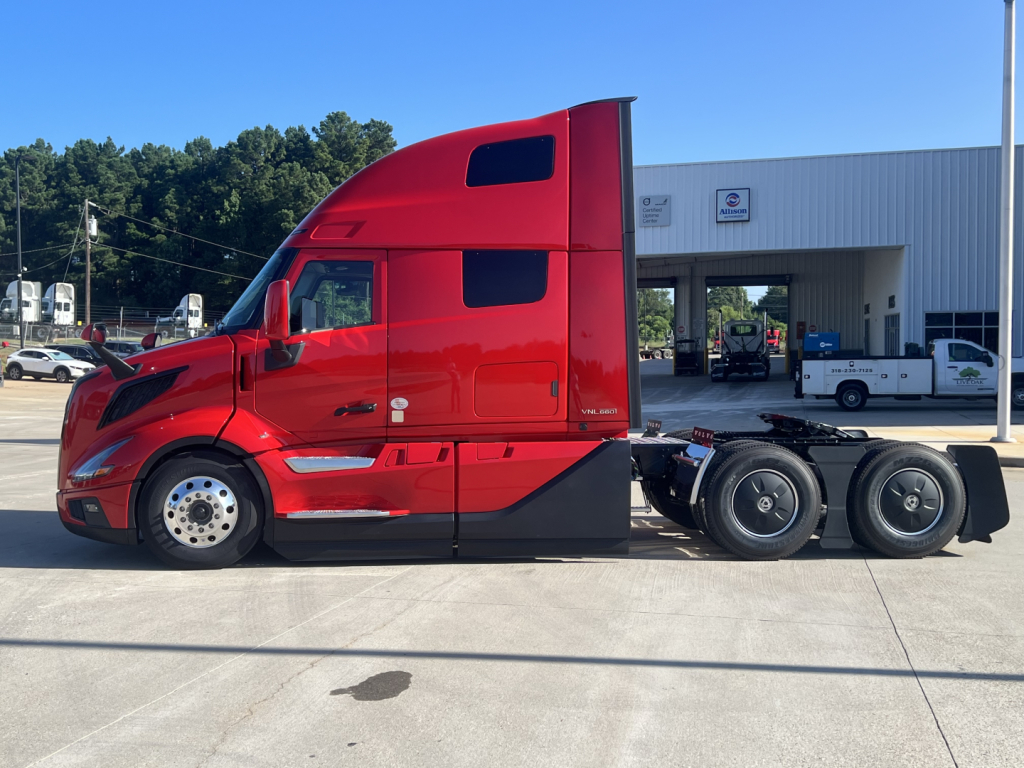
In the highway segment, Volvo VNL tractors stand out for aerodynamic design, integrated powertrain options, and a cab layout built around driver retention. Common specs include Volvo D13 or D13TC engines, the Volvo I-Shift automated manual transmission, tandem rear axles, and fuel economy ratios in the low 2s for linehaul use. Sleeper configurations vary from mid-roof to high-roof, and that choice affects storage, bunk space, overall height, and weight. A buyer running long Gulf Coast lanes should pay close attention to wheelbase, rear axle ratio, horsepower, and whether the truck has features like a cab parking cooler, inverter, refrigerator prep, or full driver-assist package. Those details have a direct impact on uptime, idle reduction, and resale appeal.
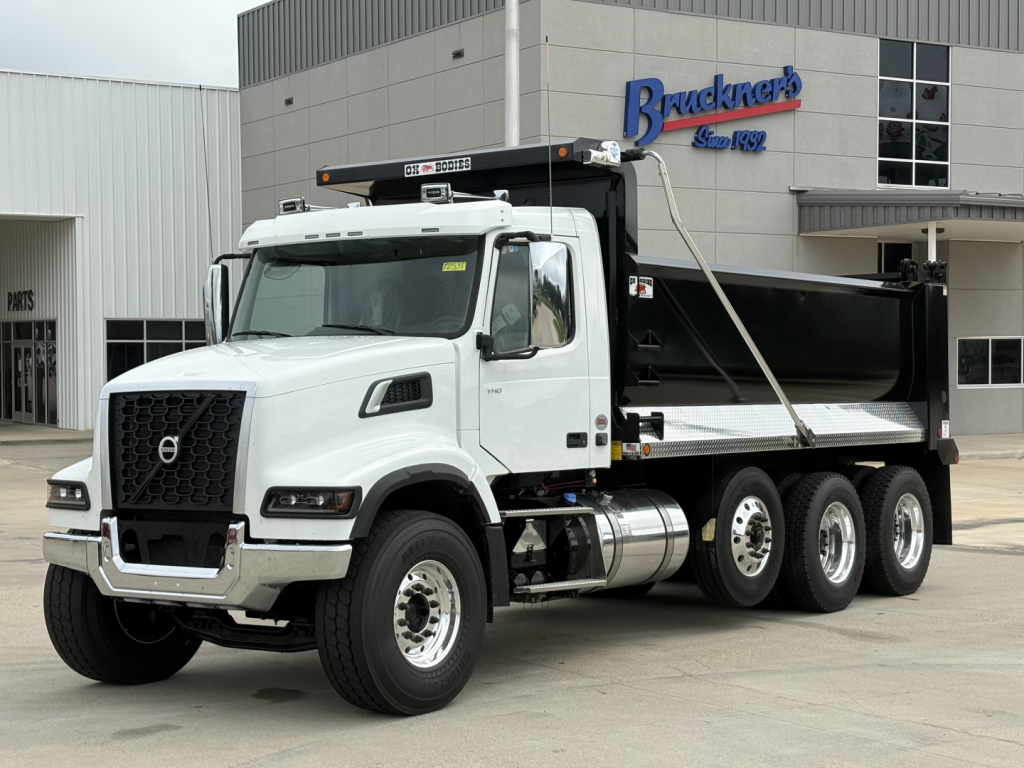
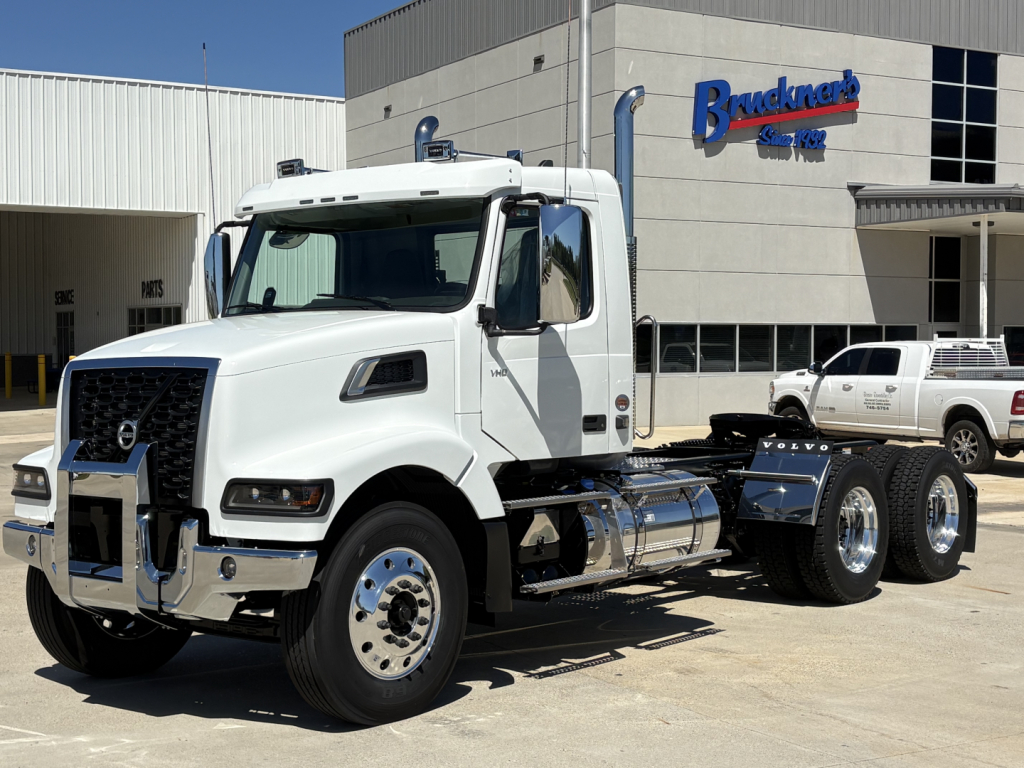
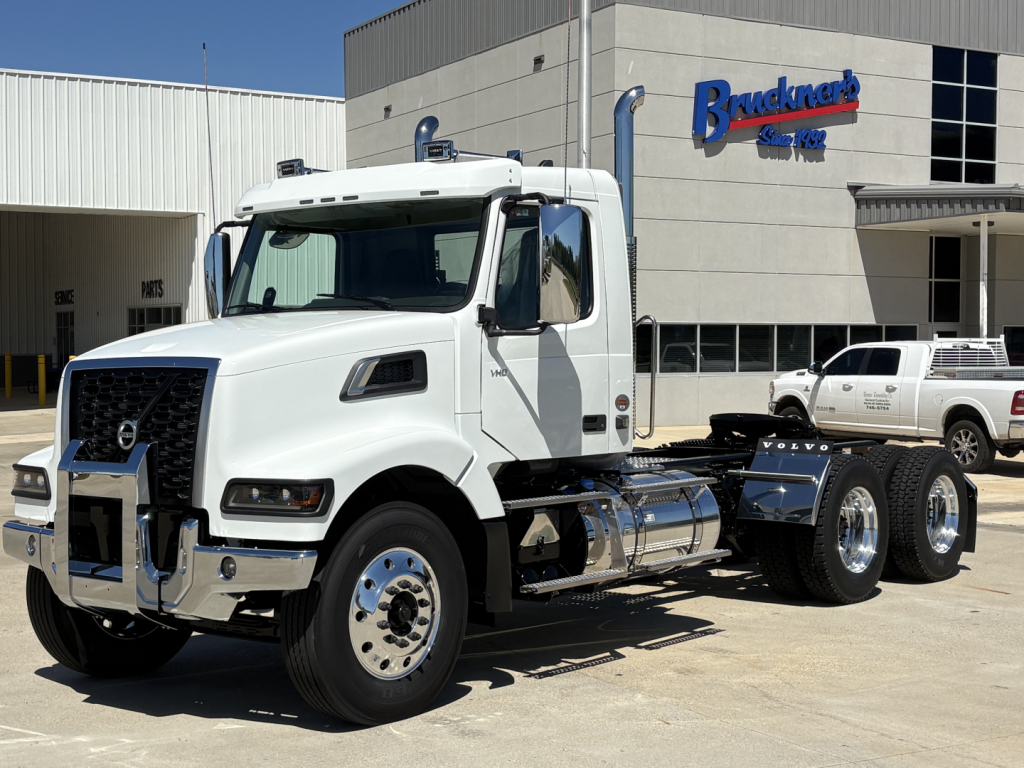
For vocational buyers, the Volvo VHD platform is designed around higher front axle ratings, heavier rear suspensions, and gearing that supports stop-and-go work or off-pavement conditions. Compared with a highway sleeper, a VHD day cab usually trades aerodynamic efficiency for chassis strength, axle capacity, and body-builder flexibility. Key items to compare are GVWR, front axle capacity, suspension type, axle ratio, PTO compatibility, and frame layout. In Louisiana, where trucks may see a mix of interstate miles, industrial corridors, ports, and construction traffic, corrosion resistance, cooling performance, and traction-oriented specs matter more than they do in a pure long-haul fleet.
A well-spec'd Volvo can appeal to fleets focused on total operating cost and to owner-operators who want comfort without giving up drivetrain efficiency. Volvo's safety technology is also a major buying point, with many newer trucks equipped with active driver assistance, lane support, dynamic steering, and other integrated systems. When comparing units, focus less on model badge alone and more on how the engine rating, transmission programming, axle ratio, wheelbase, and cab configuration match your freight or vocational application. That is where the real difference shows up in fuel burn, payload balance, driver acceptance, and long-term maintenance cost.
Frequently Asked Questions about Volvo Trucks in Louisiana
What is the difference between a Volvo VNL and a Volvo VHD?
The Volvo VNL is a conventional highway tractor designed for regional and over-the-road applications, with an emphasis on aerodynamics, fuel economy, and driver comfort. The Volvo VHD is a more vocational platform built for heavier-duty work, with stronger chassis configurations, higher axle ratings, and spec flexibility for body installations or severe-service use. The right choice depends on whether the truck will spend most of its time pulling van or reefer freight on the highway, or working in construction, municipal, industrial, or heavy-haul environments.
Is the Volvo I-Shift a good transmission for fleet and owner-operator use?
The Volvo I-Shift is widely regarded as one of the key reasons buyers choose Volvo highway tractors. It is an automated manual transmission designed to improve shift consistency, reduce driver fatigue, and help optimize fuel economy when paired correctly with the engine and axle ratio. For fleets, it can support training and fuel management goals. For owner-operators, it can make long-haul operation easier while still delivering solid drivability in traffic, on grades, and in start-stop applications.
What engine specs are common in Volvo highway tractors?
Many Volvo highway tractors are built around the Volvo D13 engine, including D13TC variants aimed at fuel-efficient linehaul service. Horsepower ratings commonly fall in the mid-400 to 500 horsepower range, depending on the intended duty cycle, terrain, and trailer weight. Buyers should look beyond horsepower alone and compare torque rating, rear axle ratio, transmission programming, and cruise speed target. Those factors work together to determine gradeability, fuel economy, and overall performance.
What should buyers in Louisiana look for in a Volvo truck spec?
Louisiana buyers should pay attention to cooling performance, corrosion exposure, idle reduction features, and the truck's ability to handle humid conditions and mixed-duty routes. A long-haul VNL spec with a parking cooler, aerodynamic drivetrain, and sleeper amenities can be a strong fit for regional and interstate freight. A VHD with heavier axle ratings and vocational gearing may be better suited for industrial, energy, port, or construction work. Local route density, bridge laws, and the amount of time spent on rough surfaces should all factor into the final spec choice.
Are Volvo sleepers a good choice for long-haul operation?
Volvo sleeper trucks are popular in long-haul service because they combine an efficient powertrain with a well-designed cab environment. Mid-roof and high-roof sleepers offer different balances of height, storage, and living space, and many are equipped with features that improve downtime comfort such as bunks, storage cabinets, inverters, and engine-off climate systems. For buyers running multi-day trips, the sleeper layout and cab equipment are not minor details. They affect driver retention, rest quality, and how practical the truck is for extended time on the road.