
Volvo Conventional Sleeper Trucks For Sale in Louisiana
Shop Volvo conventional sleeper trucks in Louisiana. Compare VNL sleeper specs, roof heights, D13 power, I-Shift options, and long-haul comfort.
Selling a volvo conventional sleeper truck? List your volvo conventional sleeper truck for sale and reach thousands of commercial buyers.
Volvo Conventional Sleeper Trucks in Louisiana
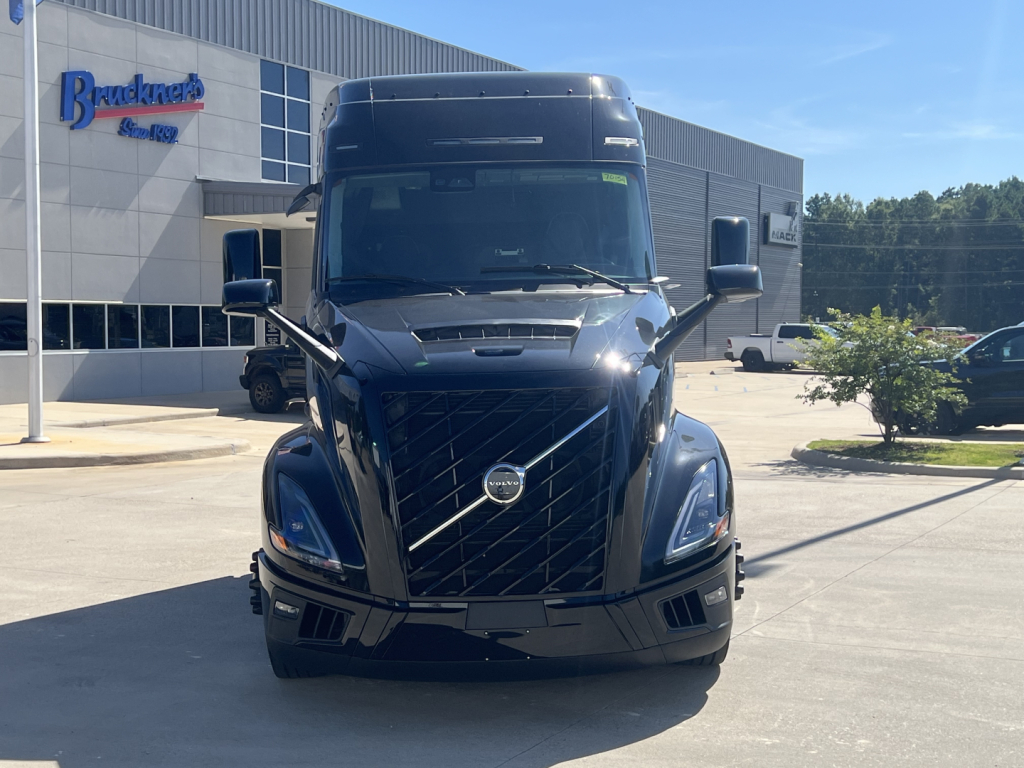
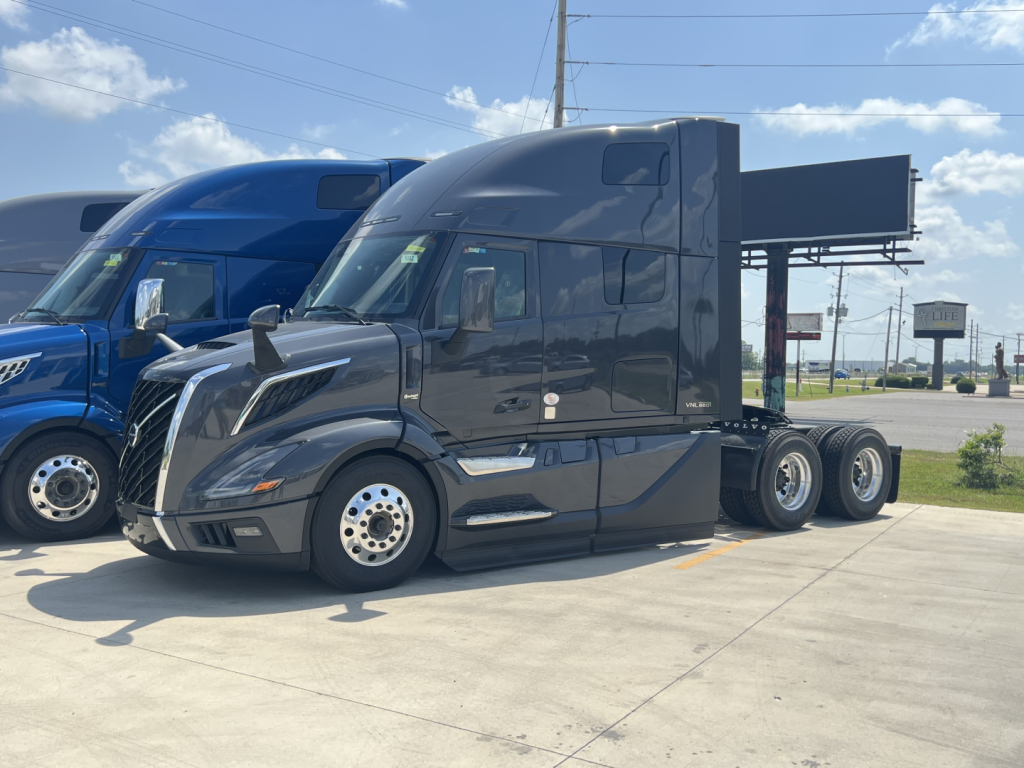
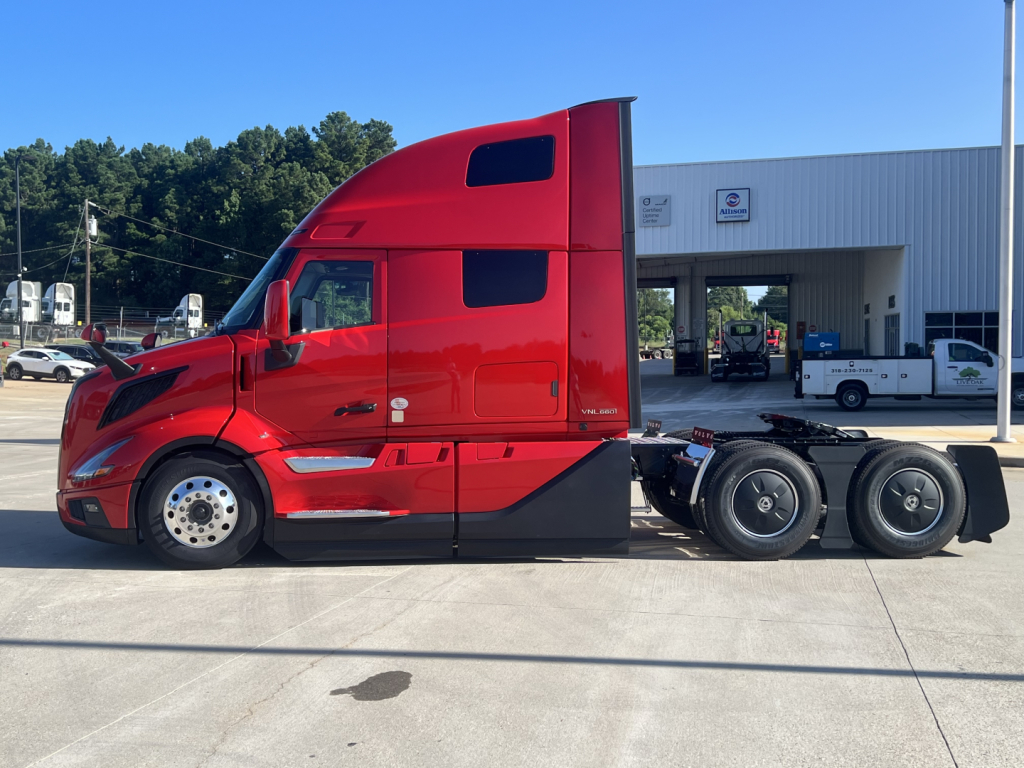
One of the biggest buying decisions is sleeper size and roof height. A mid-roof VNL is often a strong fit for fleets balancing aerodynamics with enough living space for multi-day trips, while a high-roof sleeper gives the driver more stand-up room, storage, and day-to-day livability for extended time on the road. Wheelbase matters here too. A shorter wheelbase can help maneuverability and weight distribution, while a longer wheelbase may better match larger sleepers and certain fairing or chassis layouts. Buyers in Louisiana often pay close attention to idle reduction and heat management, so factory features such as cab parking coolers can be especially valuable for engine-off comfort during rest periods in Gulf Coast conditions.
Volvo sleeper trucks are also known for integrated powertrain strategy. The D13 paired with I-Shift is popular because it is designed to keep the engine in its efficient operating range, especially in highway applications with downsped rear ratios. For buyers comparing specs, horsepower in the mid-400s to 500 hp is common, but the right rating depends on average gross weight, terrain, and trip length. A 455 hp setup may be ideal for many van and reefer operations focused on fuel economy, while 500 hp can make sense for heavier loads, faster cruise expectations, or routes with more demanding grades. Suspension choice also matters. Volvo air ride and VOAS configurations are both used in linehaul service, with ride quality, stability, and maintenance preferences often driving the decision.
The value of a Volvo conventional sleeper goes beyond the drivetrain. Cab ergonomics, bunk layout, storage capacity, visibility, and driver-assist features all play a role in retention and uptime. Buyers should evaluate how the truck is spec'd for the actual lane, not just the badge on the hood. Look closely at sleeper configuration, axle ratings, wheelbase, rear ratio, transmission programming, and cooling or hotel-load features. A properly spec'd Volvo VNL sleeper can be a strong platform for dry van, refrigerated freight, and general long-haul service where efficiency and driver acceptance are just as important as horsepower.
Frequently Asked Questions about Volvo Conventional Sleeper Trucks in Louisiana
What is the difference between a Volvo VNL mid-roof sleeper and a high-roof sleeper?
A mid-roof sleeper typically offers a lower overall cab height with solid aerodynamics and enough interior space for many regional and over-the-road applications. A high-roof sleeper provides more stand-up room, added storage, and a more livable environment for drivers spending extended time in the truck. The right choice depends on trip length, driver preference, and how much emphasis you place on interior comfort versus overall package size.
Is the Volvo D13 with I-Shift a good setup for long-haul freight?
Yes. The Volvo D13 and I-Shift combination is widely used in long-haul service because it is designed as an integrated powertrain focused on fuel efficiency, smooth shifting, and reduced driver workload. In highway applications, this setup often pairs well with fast rear axle ratios to keep engine rpm low at cruise speed. That can help lower fuel consumption and improve overall drivability, especially in dry van and reefer operations.
How much horsepower do I need in a Volvo conventional sleeper truck?
For many highway fleets, 455 hp is enough for general freight and fuel-conscious linehaul work. A 500 hp rating can be a better fit if you regularly haul heavier loads, run aggressive cruise speeds, or operate through areas with more grades. Horsepower should be evaluated with rear axle ratio, transmission gearing, and average gross combination weight because those factors work together to determine how the truck actually performs.
Why does rear axle ratio matter on a Volvo sleeper?
Rear axle ratio has a major effect on cruise rpm, fuel economy, launch feel, and gradeability. A faster ratio like 2.15 is commonly chosen for highway tractors that spend most of their time at steady interstate speeds. It supports downsped operation when matched with the right transmission and engine calibration. Buyers should make sure the ratio fits their freight profile because a setup optimized for flat, long-haul lanes may not be ideal for consistently heavy or steep-route work.
What should Louisiana buyers look for in a sleeper truck spec?
Louisiana buyers often prioritize cooling performance, idle reduction, and driver comfort because of heat and humidity across much of the year. Features like a factory cab parking cooler can improve rest-period comfort without extended idling. It also makes sense to review axle ratings, wheelbase, suspension type, and fuel-efficiency spec choices based on the truck's actual lanes, especially if the tractor will see a mix of Gulf Coast freight, regional distribution, and long interstate runs.