
Kentucky Van Trucks For Sale
Compare Kentucky van trucks for sale by vehicle type, drop-frame capacity, floor condition, and access-door layout for furniture and moving work.
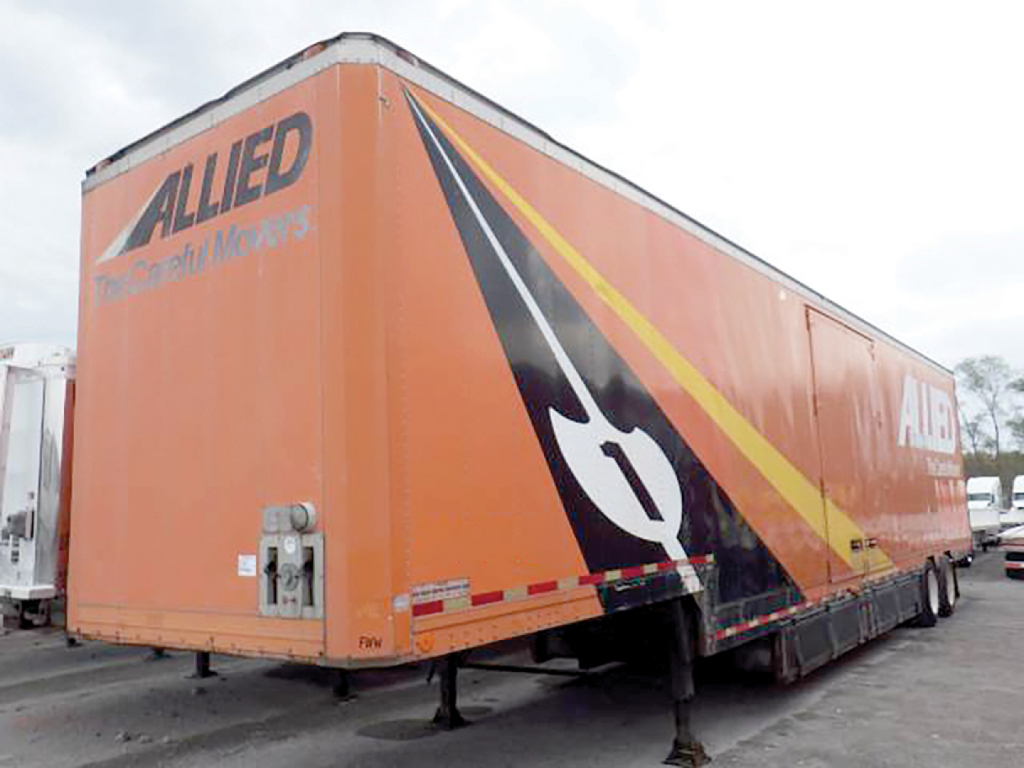

Selling a kentucky van truck? List your kentucky van truck for sale and reach thousands of commercial buyers.
Kentucky Van Trucks
For household goods, upholstered furniture, and other bulky freight, usable cubic capacity and loading access often matter more than maximum payload. A drop-frame layout provides a lower cargo section, but floor steps, wheel housings, and door placement affect how crews load and secure a shipment. Compare clear interior dimensions, rear opening height, side-door width, E-track attachment, scuff protection, and storage compartments. Air ride helps limit cargo shock, but does not replace proper securement. A long furniture van suited to interstate moving can be a poor fit for tight residential streets, frequent dock loading, or dense palletized freight.
Used Kentucky vans deserve close inspection at the wood floor, rear threshold, roof seams, door frames, and structural connections around the dropped section. Check for soft flooring, water stains, loose logistics track, patched panels, and damaged crossmembers. Aluminum skin can hide deteriorated steel components underneath. Inspect suspension bushings, air springs, height-control operation, brake wear, wheel seals, tire age, and landing gear on trailer configurations. Service records should explain structural repairs and axle work; ECM mileage, engine hours, and aftertreatment history matter when evaluating a powered chassis or the separate towing tractor.
New equipment should be specified around actual loading methods, cargo restraint needs, axle ratings, and legal payload rather than exterior dimensions alone. Get written warranty terms for the structure, roof, running gear, and purchased components. In the United States, the 12% federal excise tax can apply to qualifying new heavy trucks and trailers; confirm the equipment's tax treatment before finalizing an order.
Across the United States and Canada, route compatibility matters as much as capacity. A 102-inch-wide van or a 13-foot-6-inch overall height does not guarantee access on every local road, bridge, or delivery entrance. Verify state and provincial length, axle-weight, and route restrictions for the complete vehicle or combination. Snow Belt road salt warrants extra attention to steel subframes, brake hardware, wiring, and dissimilar-metal joints. Older units also need tire date-code checks and evidence that door seals, roof materials, and suspension components have been renewed when necessary.
Frequently Asked Questions about Kentucky Van Trucks
Can a Kentucky drop-frame furniture van load at a standard warehouse dock?
A Kentucky drop-frame furniture van's lower cargo section does not provide standard dock-height access. Rear loading may still work through a raised rear deck, but measure the rear threshold height and confirm dock-leveler compatibility. Check how freight moves between floor levels inside the van. Side-door loading into the lower section may require portable ramps or other suitable handling equipment.
Can I use a forklift inside a Kentucky furniture van?
Use a forklift inside a Kentucky furniture van only when the documented floor rating supports the forklift's concentrated wheel loads. Total trailer payload capacity does not establish forklift compatibility. Obtain the floor-loading specification, account for the loaded forklift's axle weights, and inspect crossmembers and previous floor repairs. A furniture-moving floor should not be assumed suitable for heavy forklift traffic.
What tractor specifications matter when pulling a Kentucky drop-frame van?
Fifth-wheel height and tractor-to-trailer clearance are critical when matching a tractor to a Kentucky drop-frame van. Confirm kingpin compatibility, cab clearance during turns, landing-gear clearance, and adequate space around the lowered body section. Check air and electrical connections, tractor GCWR, and loaded axle weights. A tractor that couples successfully can still create clearance or weight-distribution problems on the road.
Do I need a CDL to pull a Kentucky furniture van?
Commercial operation of a Kentucky van trailer generally requires a Class A CDL when the combination is rated or weighs at least 26,001 pounds and the trailer is rated or weighs more than 10,000 pounds. Air-brake and transmission restrictions on the driver's license must also match the equipment. Canadian buyers should verify provincial combination-vehicle licensing and air-brake qualification requirements.
Do older Kentucky vans need a DPF or DEF?
Kentucky van semitrailers do not need a chassis DPF or DEF system because they have no propulsion engine. Emissions requirements apply to the towing tractor, or to the chassis when the equipment is a powered straight truck. Many US highway diesel engines adopted DPF equipment in the 2007 emissions era and SCR with DEF in 2010, but verify the actual engine certification and configuration.