
Used Dodge Van Trucks For Sale
Browse used Dodge van trucks including ProMaster and Sprinter models. Compare wheelbases, roof heights, payload, drivetrains, and cargo specs.
No exact matches found for your search
Showing Used Van Trucks instead.

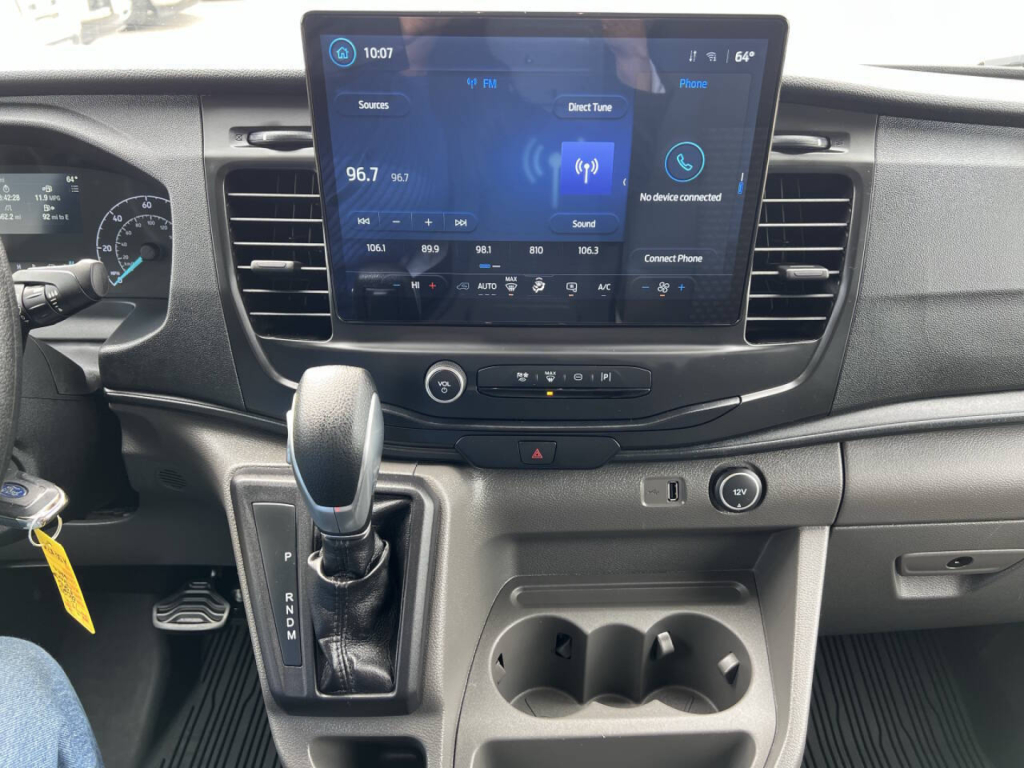
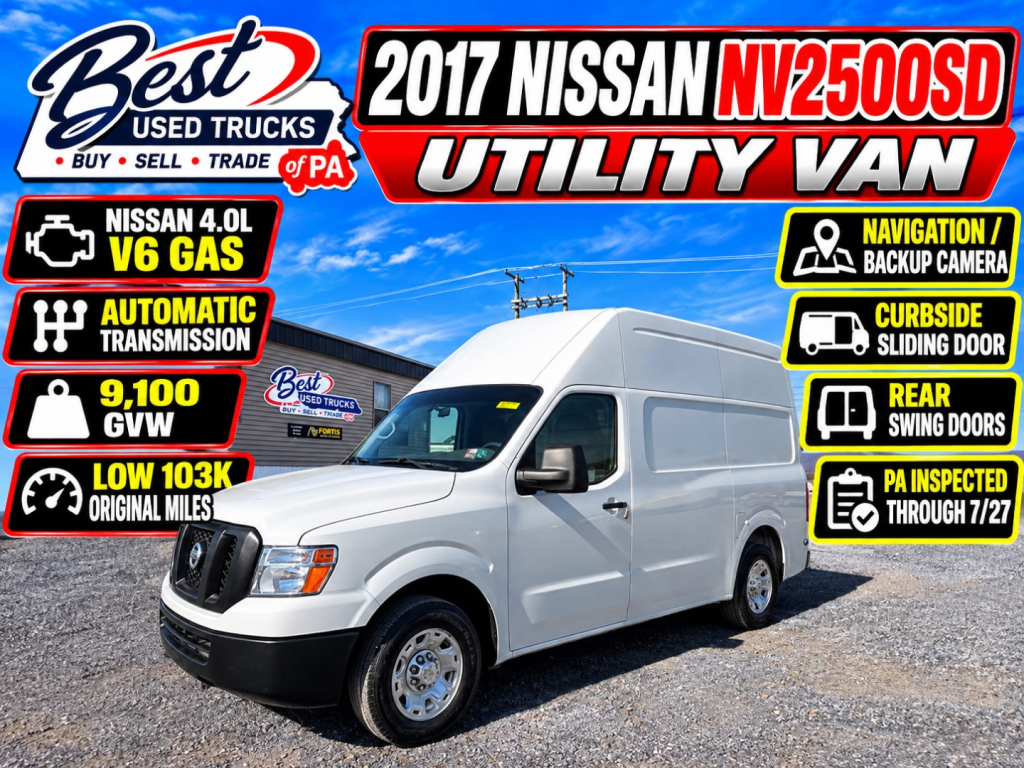
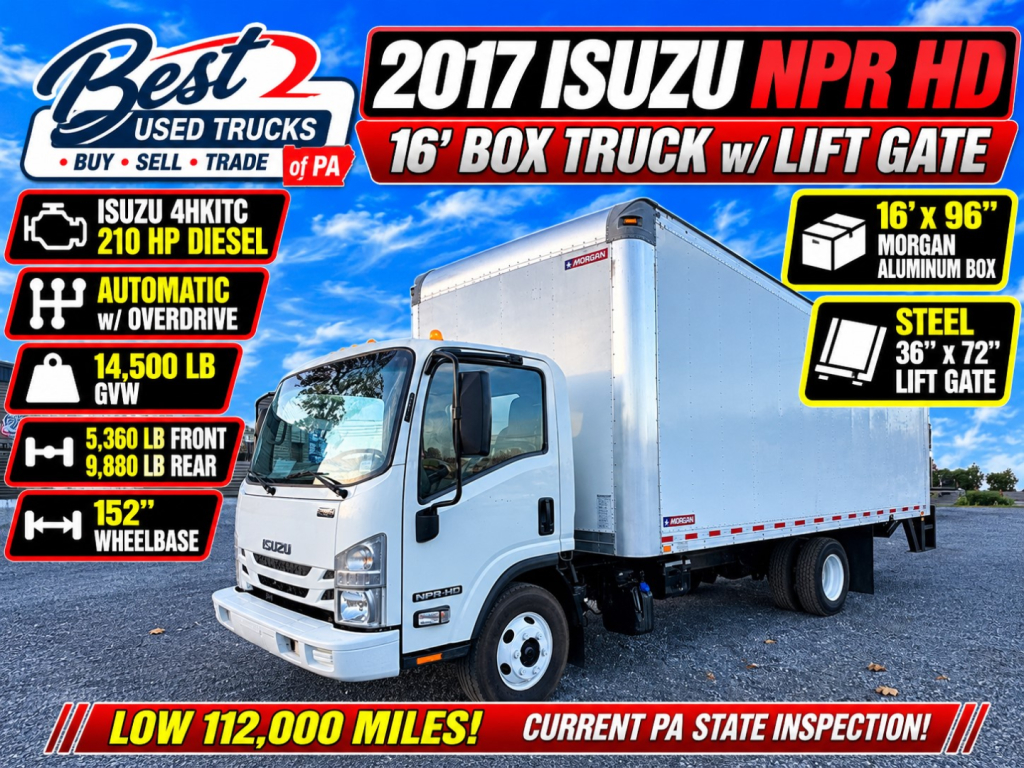

Selling a used dodge van truck? List your used dodge van truck for sale and reach thousands of commercial buyers.
Used Dodge Van Trucks
Wheelbase is one of the first specs to sort out. A shorter van is easier to park, turn, and run in tight urban routes, while a longer wheelbase gives you more usable floor space for shelving, parcels, plumbing stock, electrical inventory, or mobile service equipment. Roof height matters just as much. Standard-roof vans can work well for general cargo and mixed fleet use, but high-roof configurations are usually preferred when drivers need stand-up access in the cargo area. On front-wheel-drive ProMaster models, the lower load floor can be a real advantage for frequent stop-and-go loading. Older Sprinter-based Dodge vans often appeal to buyers looking for diesel efficiency and tall cargo space, especially in expediting and service applications.
Powertrain choice should match the route and the payload. Gas V6 vans are common in local delivery and service work because they are straightforward to operate and service, with broad parts support. Diesel-powered Dodge Sprinter vans can be attractive for higher-mileage use, but buyers should pay closer attention to maintenance history, emissions-era considerations, and overall condition. Transmission behavior under load, brake wear, front suspension condition, door track wear, and signs of repeated heavy cargo use all deserve a close inspection on a used van. Inside the body, look for bulkheads, ladder racks, shelving, inverter setups, rear HVAC modifications, and floor condition, since those details can add value or create removal costs depending on the intended use.
A good used Dodge van truck is the one that fits the job without wasted size or unnecessary complexity. Check gross vehicle weight rating, axle ratings, cargo access at the side and rear doors, and the dimensions between wheel wells before buying. For fleet buyers, consistency in wheelbase and upfit layout can simplify driver training and parts stocking. For owner-operators and small businesses, the right used Dodge van often comes down to balancing purchase price, cargo cube, service records, and how easily the van can be put to work on day one.
Frequently Asked Questions about Used Dodge Van Trucks
What are the main differences between a Dodge ProMaster, a Dodge Ram van, and a Dodge Sprinter van?
The Dodge ProMaster is typically the most modern cargo-focused option in this category, often with front-wheel drive, a low load floor, and layouts suited to delivery and trade upfits. Older Dodge Ram vans are more traditional full-size vans and can be a simpler choice for basic hauling or local business use. Dodge Sprinter vans, especially older 2500 models, are known for tall rooflines, efficient diesel power, and strong cargo capacity for expediting or mobile service applications. The best fit depends on your need for interior height, fuel type, turning radius, and service complexity.
What should I inspect first on a used Dodge van truck?
Start with wheelbase and roof height to confirm the van actually fits the job, then move to condition. Check engine and transmission operation under load, brake condition, front-end wear, tire wear patterns, and the function of sliding and rear cargo doors. Inspect the cargo area for floor damage, rust, wall punctures, water intrusion, and signs of hard commercial use. If the van has shelving, partitions, racks, or electrical upfits, verify that the installation is secure and that any added equipment does not compromise payload or accessibility.
Is a gas or diesel Dodge van better for commercial use?
Gas vans are often the better fit for lighter-duty local routes, stop-and-go delivery, and buyers who want simpler service requirements. Diesel Dodge vans, especially older Sprinter models, can make sense for higher annual mileage and applications where fuel economy and range are more important. The tradeoff is that diesel vans usually require closer attention to service records, fuel system condition, and age-related drivetrain wear. The right answer depends on route length, load, maintenance budget, and who will be servicing the van.
Why does wheelbase matter so much on a cargo van?
Wheelbase directly affects cargo floor length, turning radius, and the kind of work the van handles best. A shorter wheelbase is easier to maneuver in city traffic, alleys, and tight job sites, which matters for urban delivery or service calls. A longer wheelbase gives you more room for pallets, shelving systems, tools, or parcel volume, but it can be less convenient in congested areas. Buyers should match wheelbase to route conditions as much as cargo capacity.
Can a used Dodge van be a good platform for trade or service upfits?
Yes, many used Dodge vans are well suited for electrician, HVAC, plumbing, telecom, and delivery upfits. The key is to verify interior dimensions, payload rating, side-door access, and the condition of the existing cargo area before adding equipment. Vans that already have shelving, partitions, ladder racks, or power inverters can reduce setup time if the layout matches your operation. If not, those same additions can become extra weight and added removal expense, so evaluate the van as a work platform, not just as a vehicle.