
Mack Vacuum Trucks For Sale in Colorado
Browse Mack vacuum trucks for sale in Colorado. Compare chassis, PTO setups, tank capacities, and duty ratings for sewer, septic, and industrial work.
Selling a mack vacuum truck? List your mack vacuum truck for sale and reach thousands of commercial buyers.
Mack Vacuum Trucks in Colorado
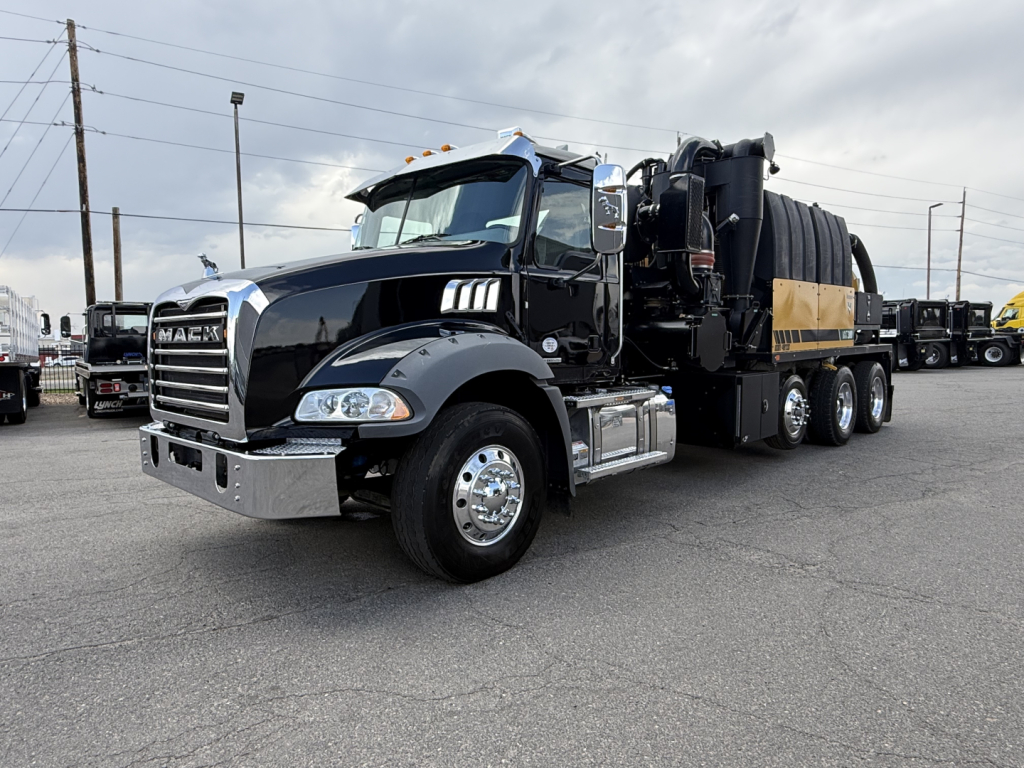
For vacuum truck buyers, the chassis matters as much as the tank. Mack Granite models are especially common in this segment because they offer strong front axle ratings, vocational frame strength, and good visibility for municipal and contractor work. A typical setup may include a diesel engine in the 300 to 500 horsepower range, an Allison automatic or Mack mDRIVE transmission depending on the application, and tandem or tri-axle configurations for heavier liquid and sludge loads. Front discharge weight, rear axle capacity, and bridge-law compliance are critical when the truck will run full tanks over longer distances. If the truck is working in mountain corridors or on mixed pavement and jobsite surfaces, pay attention to gearing, engine brake performance, and suspension choice.
The vacuum package can vary widely even when the chassis badge is the same. Buyers should verify tank capacity, tank material, water capacity if it is a combination sewer unit, blower or pump type, filtration system, hydraulic layout, boom design, and rear door style. Common applications include septic service, sewer cleaning, hydro excavation support, grease trap pumping, industrial cleanup, and municipal catch basin work. A straight vacuum truck used for wet or dry recovery has different needs than a combo vac used for jetting and line cleaning. Details like hose reel placement, debris body design, cyclone separators, and pump hours affect productivity and maintenance cost more than many first-time buyers expect.
A good Mack vacuum truck fit comes down to matching the chassis to the body builder’s system and the actual duty cycle. Cold starts, elevation, and long service intervals all matter in Colorado, especially for fleets covering both urban routes and rural service areas. Look for service records on the PTO, hydraulic pumps, blower, valves, and tank seals, and confirm that the frame and driveline were spec'd for the body from new rather than adapted later. When the chassis, axle ratings, and vacuum system are aligned, a Mack vacuum truck can be a durable choice for municipal, environmental, and private contractor operations.
Frequently Asked Questions about Mack Vacuum Trucks in Colorado
What should I look at first when buying a Mack vacuum truck?
Start with the chassis ratings and the vacuum system as a package. Confirm the GVWR, front and rear axle capacities, wheelbase, engine horsepower, transmission, and PTO compatibility before focusing on cosmetic condition. Then verify tank capacity, pump or blower type, hydraulic system layout, and the intended material the truck is designed to handle, such as septic waste, sewer debris, slurry, or dry industrial material. A vacuum truck that looks similar on paper can perform very differently depending on tank construction, pump sizing, and how the body was integrated with the Mack chassis.
Are Mack Granite trucks common for vacuum truck applications?
Yes. Mack Granite models are widely used in vacuum truck service because they are spec'd for severe-duty vocational work and can support heavy body installations. They are often chosen for municipal fleets, septic service, industrial cleanup, and combination sewer cleaning units. Buyers usually value the Granite platform for frame strength, axle options, visibility, and driveline configurations suited to PTO-driven equipment and repeated stop-and-go operation.
How important is axle configuration on a vacuum truck?
Axle configuration is one of the most important buying factors because liquid loads shift weight quickly and a full tank can push axle limits fast. A single-axle truck may work for smaller septic or service applications, while tandem and tri-axle setups are more common for larger tanks and heavier municipal or industrial work. In Colorado, axle ratings also matter because grades, route distance, and legal road weight can change how useful the truck is when fully loaded. Always compare tank capacity to actual payload limits, not just the advertised size of the tank.
What is the difference between a straight vacuum truck and a combo vacuum truck?
A straight vacuum truck is designed primarily to suction and transport liquid, sludge, or debris. A combo vacuum truck adds a high-pressure water system for jetting sewer lines and breaking up material before recovery. Combo units are more versatile for municipal sewer and storm system maintenance, but they are also more complex and expensive to maintain. The better choice depends on whether the work is mostly pumping and hauling or line cleaning plus debris removal.
What Colorado-specific factors matter when shopping for a Mack vacuum truck?
Elevation, cold weather, and terrain should all influence the spec. Higher elevations can affect engine and vacuum system performance, especially on older or lightly spec'd units. Cold temperatures increase the importance of winterization, valve protection, hose storage, and reliable hydraulic operation. If the truck will run mountain routes or mixed urban and rural service areas, pay close attention to horsepower, gearing, engine braking, suspension, and loaded stability. Those factors often have a bigger impact on day-to-day productivity than minor differences in model year.